0%

Table of Contents

Dithiothreitol (DTT), a powerful reducing agent dtt, is a critical component in a vast array of scientific and industrial applications. Its ability to break disulfide bonds makes it indispensable in protein research, biochemistry, and the pharmaceutical industry. Understanding the properties and applications of DTT is paramount for advancements in these fields, and increasingly, in environmental monitoring and remediation technologies. Its relatively low molecular weight and high reactivity contribute to its widespread use.

The global demand for high-purity biochemicals, including reducing agent dtt, is experiencing substantial growth. According to market research reports, the biochemicals market is projected to reach \$85.4 billion by 2028, growing at a CAGR of 8.7% from 2021. This growth is largely fueled by increasing investments in biotechnology, pharmaceutical research, and diagnostic testing. The need for reliable reducing agents like DTT is directly correlated with these advancements.

Challenges in maintaining protein stability, particularly in biological samples, necessitate effective reducing agents like DTT. Without proper reduction of disulfide bonds, proteins can aggregate and lose their functionality. This poses significant problems in drug development, diagnostics, and fundamental biological research. DTT provides a crucial solution, ensuring the integrity and activity of these vital molecules.
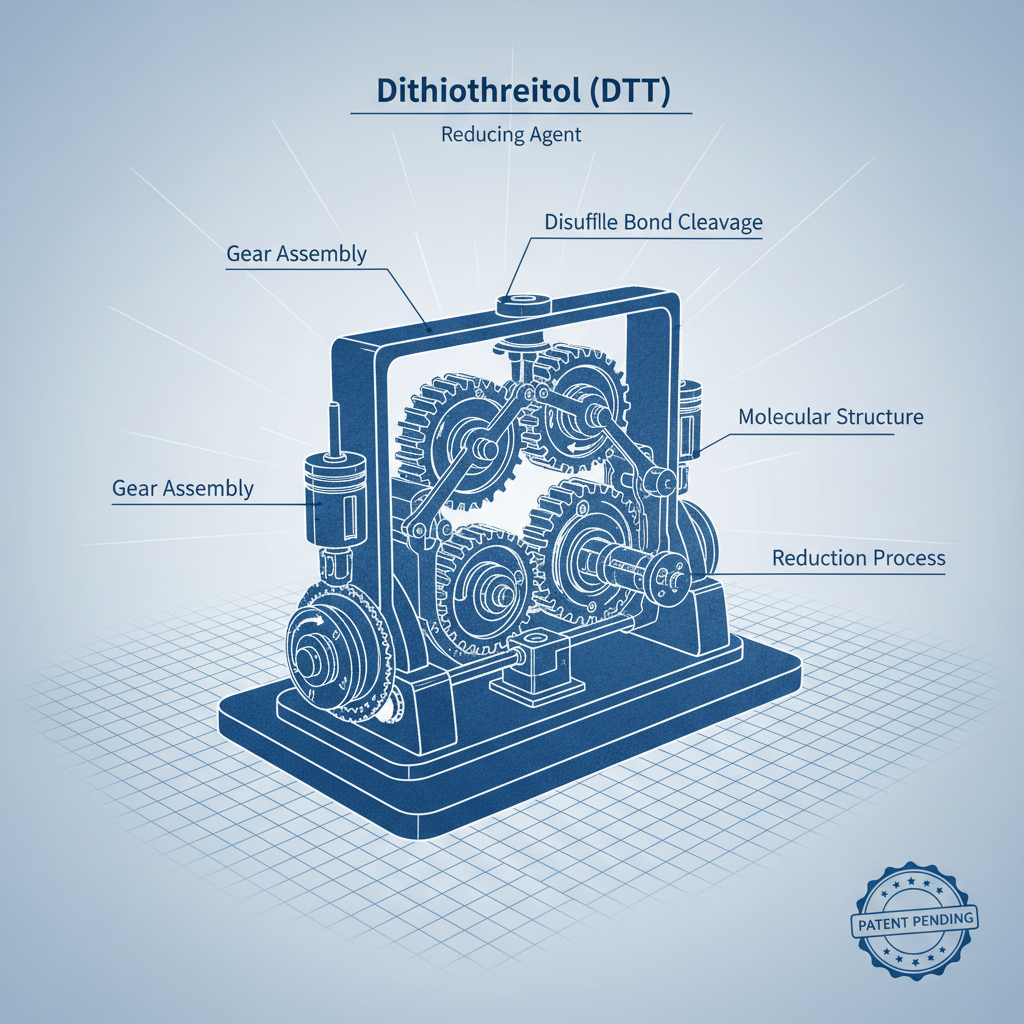
reducing agent dtt

The Core Principles of reducing agent dtt
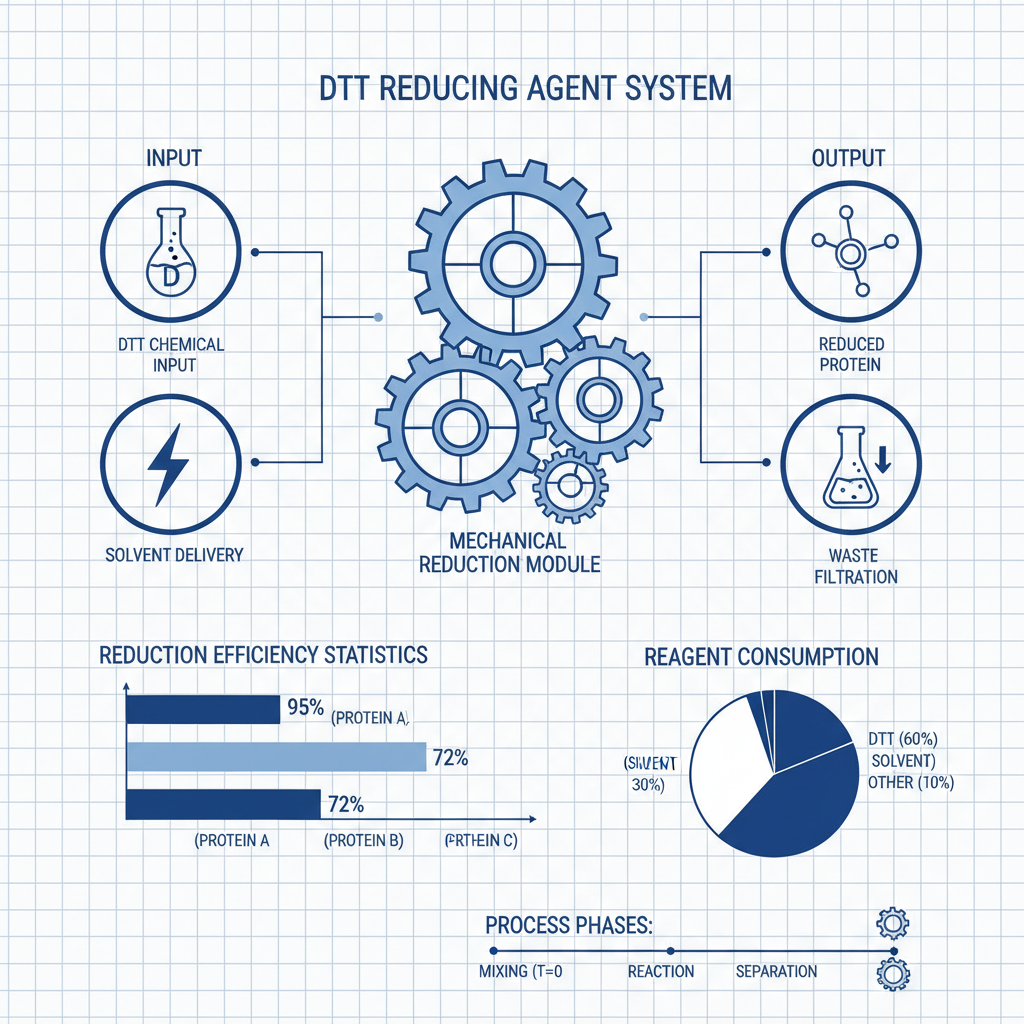
reducing agent dtt

The fundamental principle behind the effectiveness of reducing agent dtt lies in its thiol (sulfhydryl) groups. These groups readily donate electrons, allowing DTT to break disulfide bonds (S-S) within proteins and other molecules, reducing them to their corresponding sulfhydryl forms (SH). This process is crucial for maintaining protein structure and function, as well as for a variety of analytical techniques.

The reducing power of DTT is significantly higher than that of other common reducing agents like beta-mercaptoethanol. This enhanced reactivity stems from its cyclic structure, which creates a more thermodynamically favorable reduction process. This makes DTT the preferred choice in applications requiring rapid and complete disulfide bond reduction.

Defining and Understanding reducing agent dtt

Dithiothreitol, or reducing agent dtt, is a small molecule with the chemical formula C4H10O2S2. It's a white crystalline powder with a distinct odor and is highly soluble in water. It’s not merely a laboratory reagent; it’s a cornerstone in the manipulation and analysis of biological macromolecules. Its primary function is to maintain reducing environments, preventing unwanted disulfide bond formation or reversing existing ones.

The importance of DTT extends beyond basic research. It plays a critical role in the production of biopharmaceuticals, ensuring the correct folding and stability of therapeutic proteins. In the field of proteomics, DTT is essential for sample preparation prior to mass spectrometry analysis, allowing for accurate identification and quantification of proteins.

Its connection to modern industry is undeniable, facilitating breakthroughs in areas like antibody engineering, enzyme production, and diagnostic kit development. The need for consistent quality and purity of DTT is paramount in these applications, driving demand for specialized manufacturers and rigorous quality control processes.

Key Characteristics of reducing agent dtt

One of the most significant characteristics of reducing agent dtt is its stability in solution, particularly at neutral to slightly alkaline pH. While it does auto-oxidize over time, this process is slower compared to beta-mercaptoethanol, leading to a longer shelf life and more consistent reducing capacity.

The reducing potential of DTT is remarkably high, allowing it to effectively reduce a wide range of disulfide bonds. This potency is a key factor in its effectiveness in various biochemical applications. However, this also means it can non-specifically reduce other components within a sample, requiring careful consideration when designing experiments.

DTT exhibits relatively low toxicity compared to some other reducing agents, making it a safer option for laboratory use. However, it is still important to handle it with care, wearing appropriate personal protective equipment and avoiding contact with skin and eyes. Proper disposal procedures should also be followed.

Practical Applications of reducing agent dtt

The applications of reducing agent dtt are incredibly diverse. In protein biochemistry, it’s routinely used to denature proteins for SDS-PAGE electrophoresis, ensuring complete unfolding and separation based on molecular weight. Without DTT, protein bands on a gel would be smeared and inaccurate.

Another critical application is in antibody-drug conjugate (ADC) production. DTT is utilized to reduce the disulfide bonds in antibodies, creating free thiol groups for conjugation with cytotoxic drugs. This process is essential for delivering targeted chemotherapy to cancer cells.

Relative Efficiency of Different reducing agent dtt Methods

Global Usage and Impact of reducing agent dtt

The use of reducing agent dtt is globally distributed, with the highest consumption occurring in countries with strong biotechnology and pharmaceutical industries, such as the United States, Germany, China, and Japan. These nations are at the forefront of research and development, driving demand for high-quality biochemical reagents.

In emerging economies, the increasing focus on healthcare and biomanufacturing is leading to a surge in demand for DTT. For example, India and Brazil are experiencing rapid growth in their pharmaceutical sectors, necessitating a reliable supply of essential reagents like DTT.

Benefits and Long-Term Value of reducing agent dtt

The tangible benefits of using reducing agent dtt are numerous. It provides a cost-effective and efficient solution for reducing disulfide bonds, resulting in improved experimental accuracy and reproducibility. Its high purity ensures reliable results, minimizing the risk of false positives or negatives.

From a sustainability perspective, DTT's relatively low toxicity and efficient reactivity contribute to a reduced environmental impact compared to some alternative reducing agents. The long-term value lies in its contribution to scientific advancements, enabling breakthroughs in medicine, biotechnology, and beyond.

Beyond the scientific realm, the consistent performance and dependability of DTT build trust among researchers and manufacturers. This reliability is crucial for maintaining the integrity of research data and the quality of pharmaceutical products.

Future Trends in reducing agent dtt Technology

Future trends point towards the development of more stable and selective reducing agents based on DTT analogs. Researchers are exploring modifications to the DTT molecule to enhance its stability in solution and reduce its non-specific reactivity. This will lead to even more precise and reliable experimental results.

The integration of microfluidic devices and automated platforms is also driving innovation in DTT applications. These technologies enable precise control over reaction conditions and minimize reagent consumption, further enhancing efficiency and reducing costs.

Furthermore, the increasing emphasis on green chemistry is prompting the development of more environmentally friendly manufacturing processes for DTT, reducing waste and minimizing the use of hazardous materials.

Summary of Key Factors Influencing DTT Performance

pH Level Temperature Concentration Purity Grade
6.0 - 8.0 (Optimal) 4°C - 25°C (Stability Range) 1-100 mM (Typical Range) >98% (Recommended for Research)
Below 6.0 (Reduced Activity) Above 25°C (Accelerated Degradation) < 1 mM (May Be Insufficient) 95-98% (Acceptable for Routine Use)
Above 8.0 (Potential for Oxidation) -20°C (Long-Term Storage) 100 mM+ (Potential for Non-Specificity) <95% (Not Recommended)
Impacts Reduction Potential Affects Oxidation Rate Determines Reaction Rate Influences Data Accuracy
Buffer Selection Critical Storage Recommendations Important Optimizing Concentration Needed Quality Control Essential
Monitoring pH is Key Temperature Control Important Titration Often Required Certificate of Analysis is Valuable

FAQS

What is the ideal concentration of DTT for protein denaturation?

The ideal concentration of reducing agent dtt for protein denaturation typically falls between 1-100 mM, although this can vary depending on the specific protein and application. A common starting point is 50 mM, which often provides sufficient reduction of disulfide bonds. It’s crucial to optimize the concentration empirically, considering factors like protein aggregation and sample stability. Too little DTT may result in incomplete denaturation, while excessive amounts could potentially lead to non-specific effects.

How does temperature affect the stability of DTT in solution?

Temperature significantly impacts DTT stability. Higher temperatures accelerate the auto-oxidation of DTT, leading to a loss of reducing power. It’s best to store DTT solutions at -20°C to minimize degradation. When working with DTT at room temperature, prepare fresh solutions daily or aliquot and store frozen. Prolonged exposure to room temperature can render the DTT ineffective. Maintaining a low temperature is key to reliable results.

Is DTT compatible with all buffers used in biochemical experiments?

While generally compatible, DTT's compatibility with certain buffers requires careful consideration. Buffers containing metal ions, particularly those with redox activity, can interfere with DTT's reducing power. Avoid using buffers containing heavy metals or oxidizing agents. Phosphate buffers are typically well-suited for use with DTT. Always verify the compatibility of DTT with your specific buffer system to prevent unwanted reactions.

What safety precautions should be taken when handling DTT?

Although relatively low in toxicity, reducing agent dtt is an irritant and should be handled with care. Wear appropriate personal protective equipment (PPE), including gloves, safety glasses, and a lab coat. Avoid contact with skin and eyes. Work in a well-ventilated area to minimize exposure to its odor. Dispose of DTT waste properly, following local regulations. Refer to the Safety Data Sheet (SDS) for detailed safety information.

How can I determine if my DTT solution is still effective?

You can assess the effectiveness of a DTT solution by monitoring its reducing power using a titration assay. This involves reacting the DTT with a known amount of an oxidizing agent and measuring the endpoint. Alternatively, you can check for signs of oxidation, such as the formation of a precipitate or a change in color. If the solution appears cloudy or discolored, it's likely degraded and should be replaced.

Can DTT be used to reduce disulfide bonds in non-protein molecules?

Yes, reducing agent dtt can reduce disulfide bonds in various non-protein molecules, including peptides, glutathione, and certain synthetic compounds. However, the efficiency of reduction can vary depending on the molecule's structure and environment. It's important to optimize the reaction conditions, such as concentration, temperature, and pH, to achieve complete reduction. Always consider potential side reactions and ensure compatibility with the target molecule.

Conclusion

In summary, reducing agent dtt is an indispensable reagent in a vast array of scientific and industrial applications, primarily due to its efficient and reliable reduction of disulfide bonds. Its ability to maintain reducing environments is critical for protein stability, biochemical analysis, and the production of biopharmaceuticals. Understanding its properties and limitations is essential for achieving accurate and reproducible results.

Looking ahead, continued research and development will likely lead to more stable and selective reducing agents based on DTT analogs. The integration of automated technologies and green chemistry principles will further enhance its efficiency and sustainability. Visit our website at www.dyeingchem.com to learn more about our high-quality DTT products and explore the latest advancements in reducing agent technology.


Michael Thompson

Michael Thompson

Michael Thompson leads our dedicated R&D team, focusing on continuous innovation in textile dyeing auxiliaries. With 20 years in the field, he’s a key driver behind our product development efforts. Michael joined the company in 2008 and has been responsible for numerous patented formulations, enhancing the performance and sustainability of our product lines. He champions a culture of experimentation and problem-solving within the team, always looking for ways to improve and anticipate industry trends. Michael holds a PhD in Chemistry and actively collaborates with academic institutions to stay at the forefront of technological advancements.
Previous Understanding Reducing Agents Their Applications and Future Trends
Next Advancements in Reducing Agent Tcep for Industrial and Scientific Applications

If you are interested in our products, you can choose to leave your information here, and we will be in touch with you shortly.