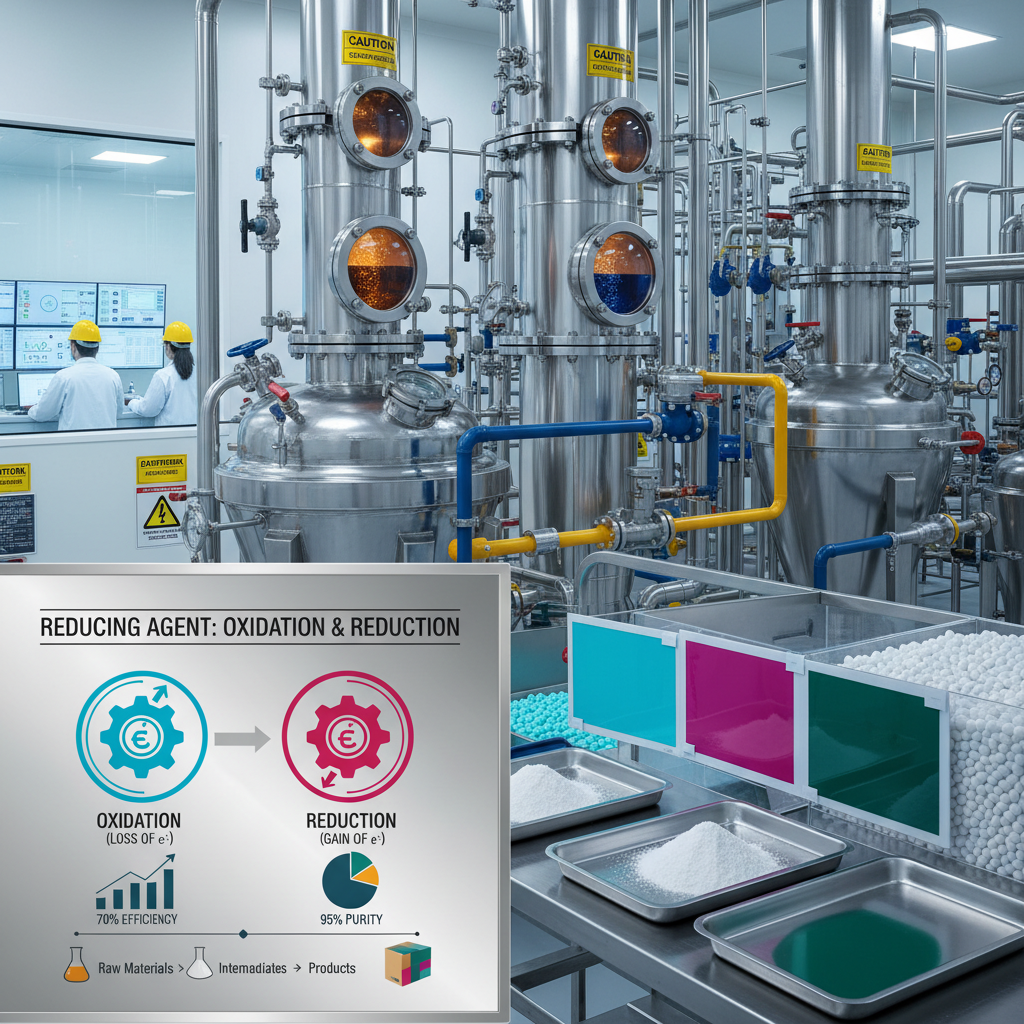
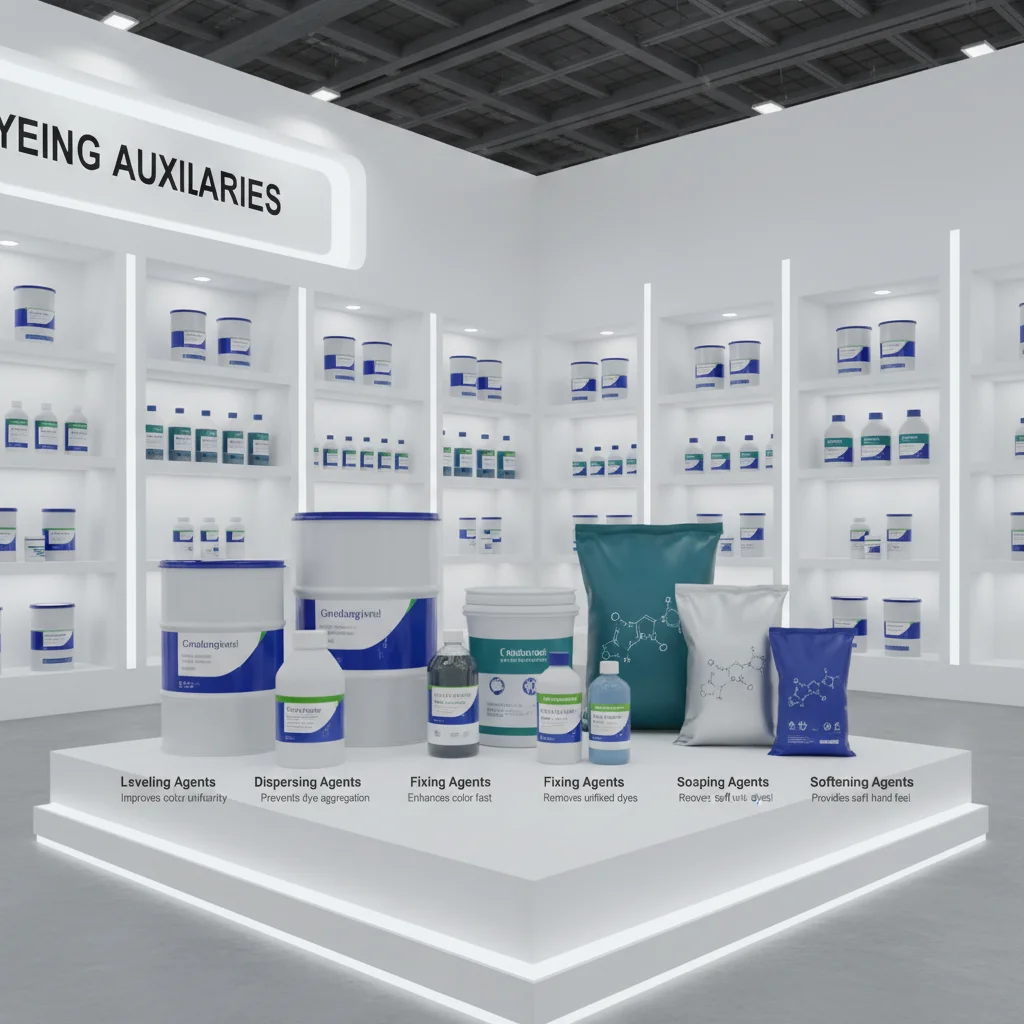
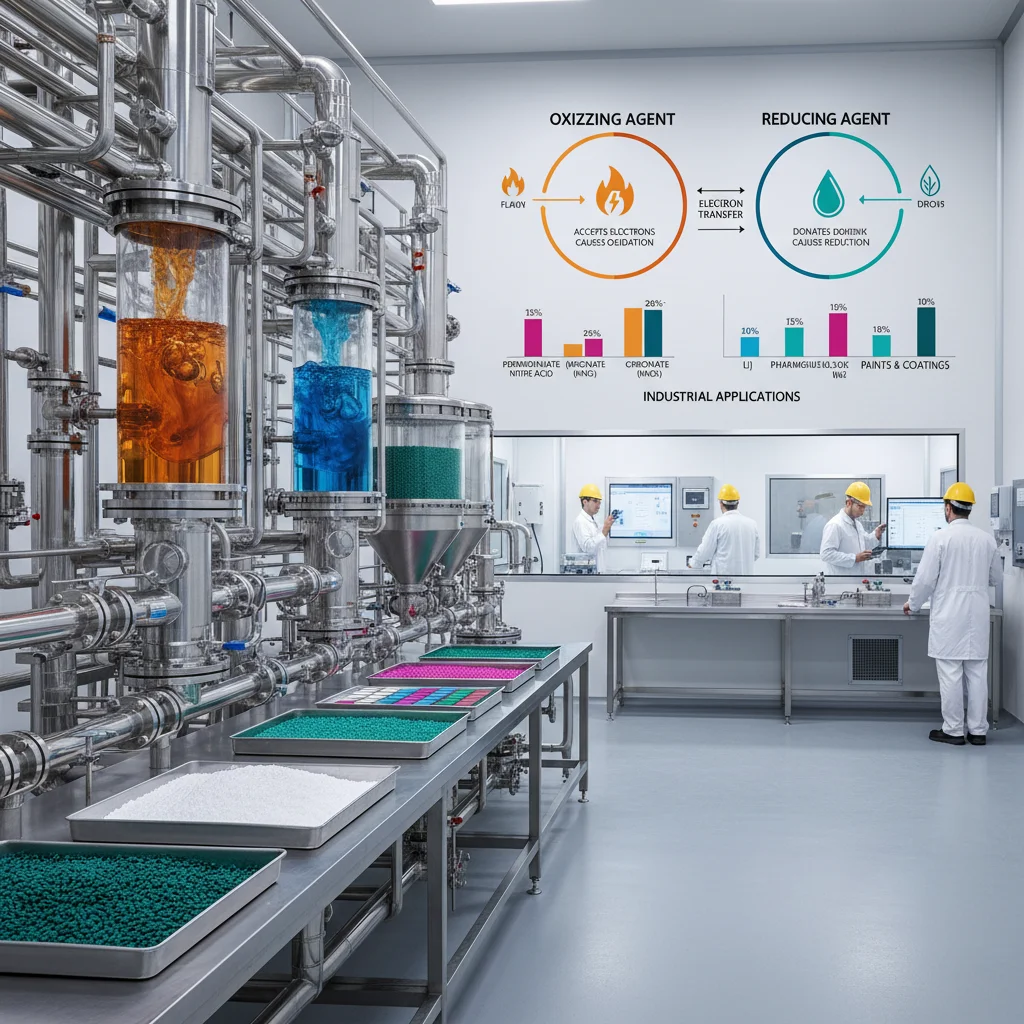
In the sophisticated realm of textile chemistry, the mechanism where a reducing agent undergoes oxidation or reduction serves as the fundamental heartbeat of the coloring process. Whether achieving a deep indigo hue in denim or ensuring the precision of sulfur dyes, the ability to manipulate electron transfer is what allows chemists to transform raw fabrics into vibrant, commercial-grade textiles. Understanding this chemical dance is not merely an academic exercise but a critical operational requirement for manufacturers aiming for consistency and quality.
On a global scale, the efficiency of these redox reactions directly impacts the sustainability of the textile industry. As international standards from ISO and environmental regulations become more stringent, the industry is shifting toward reducing agents that offer high reactivity with lower ecological footprints. When a reducing agent undergoes oxidation or reduction efficiently, it reduces the need for excessive chemical loading, thereby lowering the chemical oxygen demand (COD) in wastewater treatment plants.
The primary challenge facing modern dyeing houses is the instability of these agents during storage and application. Inconsistent redox potentials can lead to uneven dye uptake, resulting in "spotting" or "streaking" on the fabric, which increases waste and costs. By mastering the parameters of how a reducing agent undergoes oxidation or reduction, producers can optimize their Textile Auxiliaries and Sulfur Dyes pipelines to ensure peak performance and resource efficiency.
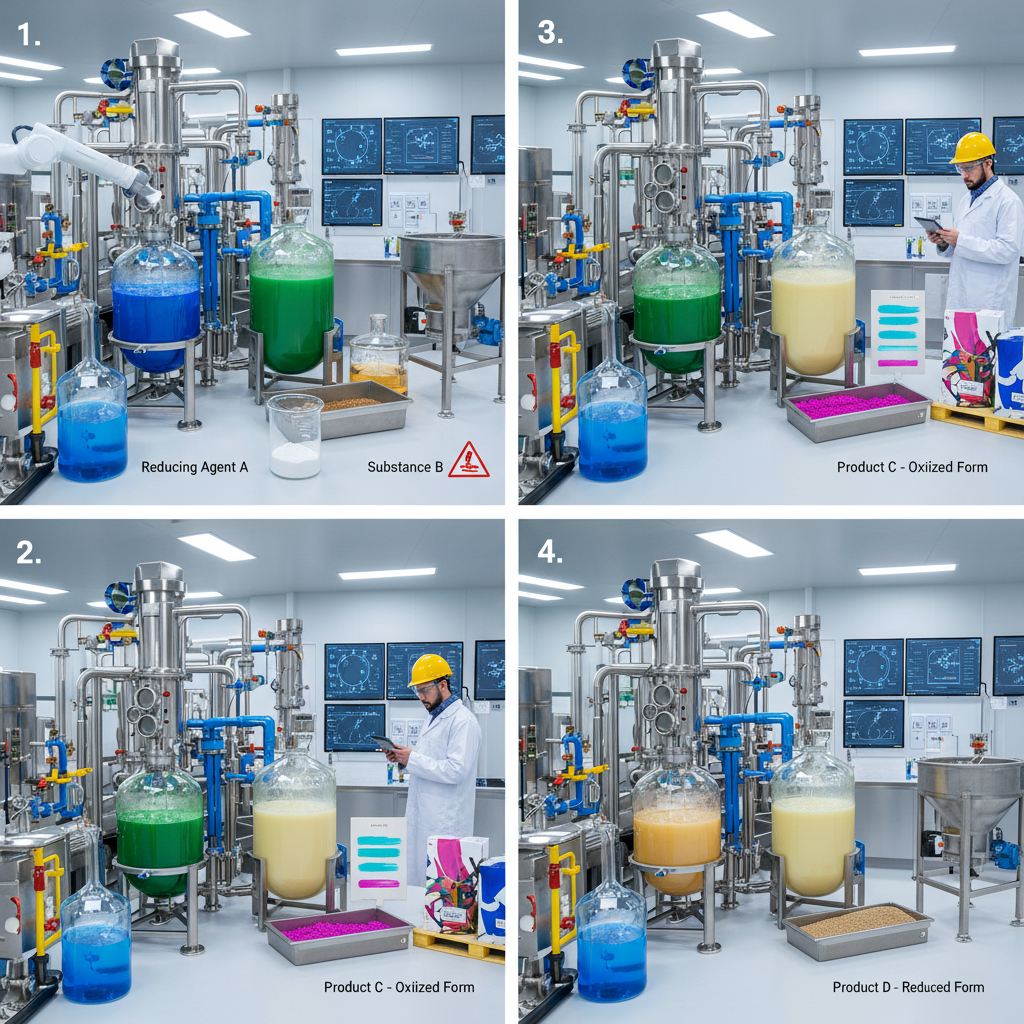
Chemical Fundamentals of Redox in Textile Dyeing
At its most basic level, the process where a reducing agent undergoes oxidation or reduction is a transfer of electrons. In the context of vat dyes and sulfur dyes, the reducing agent donates electrons to the dye molecule, converting it from an insoluble form into a soluble "leuco" form. This conversion is essential because only in the soluble state can the dye penetrate the fibers of the textile, ensuring a deep and permanent bond.
Once the dye is embedded within the fiber, the process is reversed; the leuco form is oxidized back to its insoluble state, often through exposure to air or chemical oxidants. This cyclical transition—where the reducing agent undergoes oxidation or reduction to facilitate the dye's movement—is what creates the legendary colorfastness associated with high-end textile production.
Industrial Relevance and Global Standards
The global textile market, particularly in hubs like Southeast Asia and India, relies heavily on the precision of redox chemistry. According to industry benchmarks, inconsistencies in the redox potential of bath solutions can lead to a 5-15% increase in fabric rejection rates. Consequently, ensuring that a reducing agent undergoes oxidation or reduction at a predictable rate is not just about chemistry, but about protecting the bottom line of large-scale manufacturing.
Furthermore, international standards such as ISO 14001 emphasize the reduction of hazardous waste. Traditional reducing agents, like sodium hydrosulfite, are effective but can produce significant sulfur by-products. The industry is now pivoting toward "green" reducing agents that maintain the same electron-transfer efficiency while minimizing the toxicity of the resulting oxidized species.
This shift is driven by the demand for "Clean Production" certifications. When a manufacturer can prove that their reducing agent undergoes oxidation or reduction with minimal environmental impact, they gain preferential access to Western markets (EU and North America), where consumers are increasingly conscious of the chemical footprint of their clothing.
Core Components of Effective Reduction Processes
The first critical factor is the Redox Potential. To ensure the reducing agent undergoes oxidation or reduction correctly, the electrochemical potential of the dye bath must be precisely controlled. If the potential is too high, the dye will not dissolve; if it is too low, the fiber may be damaged by over-reduction.
Secondly, pH Stability plays a pivotal role. Most reduction reactions in textile auxiliaries are highly pH-dependent. A stable alkaline environment ensures that when the reducing agent undergoes oxidation or reduction, the reaction speed remains constant across the entire fabric roll, preventing the dreaded "two-tone" effect.
Lastly, the Concentration Kinetics must be managed. The rate at which a reducing agent undergoes oxidation or reduction determines the "strike rate" of the dye. By modulating the concentration, technicians can control whether the dye penetrates slowly for a soft pastel look or rapidly for a saturated, deep industrial finish.
Performance Metrics for Reducing Agents
Measuring the efficiency of a redox agent requires a balance between reactivity and stability. In professional labs, we evaluate the "Electron Yield," which quantifies exactly how much dye can be solubilized per gram of agent used. This ensures that the reducing agent undergoes oxidation or reduction in a way that maximizes chemical utility while minimizing waste.
Another key metric is the "Oxidation Half-life," which tells us how long the agent remains active before it is spent. A longer half-life is generally preferred for large-batch dyeing to ensure consistency from the first meter of fabric to the last.
Comparative Efficiency of Redox Agents in Textile Processing
Real-World Applications in Denim and Leather
In the denim industry, the "bottom-up" dyeing process is a prime example of this chemistry in action. To achieve the characteristic indigo gradient, a reducing agent undergoes oxidation or reduction repeatedly as the yarn is dipped into the dye vat and then exposed to air. This cycle ensures that the dye adheres only to the surface of the yarn, allowing for the "fading" effect that denim enthusiasts prize.
Beyond textiles, leather auxiliaries utilize similar redox principles for chrome tanning and bleaching. In the bleaching stage, a reducing agent undergoes oxidation or reduction to remove unwanted pigments from the hide without damaging the collagen structure. This precision is what separates luxury leather goods from lower-grade industrial materials.
Long-term Value of Redox Precision
Investing in high-quality reducing agents provides a dual benefit: immediate quality control and long-term asset protection. When a reducing agent undergoes oxidation or reduction predictably, it minimizes the accumulation of corrosive by-products in the dyeing machinery. This extends the lifespan of stainless steel vats and piping, reducing capital expenditure on equipment replacement.
From a social and ethical perspective, redox precision leads to safer working environments. High-efficiency agents require lower concentrations and produce fewer noxious fumes (such as sulfur dioxide), significantly improving the air quality in the factory. This enhances worker dignity and health, which is becoming a core component of Corporate Social Responsibility (CSR) for global brands.
Ultimately, the logical conclusion for any forward-thinking manufacturer is that stability equals profitability. By mastering the nuances of how their reducing agent undergoes oxidation or reduction, they create a reliable production loop that attracts high-value clients who demand zero-defect shipments.
Future Innovations in Sustainable Reducing Agents
The future of redox chemistry lies in "Bio-Reduction." Researchers are developing enzymatic catalysts that allow a reducing agent undergoes oxidation or reduction at room temperature and neutral pH. This would eliminate the need for caustic soda in the dye bath, drastically reducing the environmental impact and energy consumption of the heating process.
Digital transformation is also playing a role through "Smart Bath" sensors. These IoT-enabled devices monitor the redox potential in real-time, automatically dosing the bath with more agent the moment the potential shifts. This automation ensures that the reducing agent undergoes oxidation or reduction at the optimal rate throughout the entire production cycle, removing human error from the equation.
As we move toward a circular economy, we are seeing the rise of regenerable reducing agents. These are compounds that can be "re-charged" via electrolysis after they have been oxidized, allowing the same chemical load to be used for multiple dyeing cycles. This represents the pinnacle of sustainability in the specialty chemicals sector.
Comparative Analysis of Redox Agent Technologies
| Agent Type |
Reaction Stability |
Eco-Footprint |
Industrial Cost |
| Sodium Hydrosulfite |
Medium (Unstable) |
High (Polluting) |
Low |
| Organic Reducing Agents |
High (Stable) |
Medium |
Medium |
| Enzymatic Catalysts |
Very High |
Very Low |
High |
| Electrochemical Cells |
Absolute Control |
Low |
High (Capex) |
| Sulfur-based Hybrid |
Medium |
Medium |
Medium |
| Bio-derived Agents |
Medium-High |
Very Low |
Medium-High |
FAQS
When a reducing agent undergoes oxidation, it donates its electrons to the dye molecule. This process transforms insoluble dyes (like vat or sulfur dyes) into a soluble leuco form, allowing them to penetrate the textile fibers. Once the agent is oxidized, it loses its reducing power and must be replenished to maintain the reaction.
Most industrial reducing agents require an alkaline environment (high pH) to function efficiently. If the pH drops, the speed at which the reducing agent undergoes oxidation or reduction slows down significantly, which can lead to incomplete dye dissolution and uneven coloring of the fabric.
Yes, the industry is moving toward organic-based reducing agents and enzymatic catalysts. These alternatives ensure that the reducing agent undergoes oxidation or reduction without releasing harmful sulfur dioxide gas or creating high-COD wastewater, making them safer for both the operator and the environment.
Monitoring the redox potential allows technicians to know exactly when the reducing agent has been consumed. By keeping the potential within a specific range, they ensure the dye remains soluble throughout the process, preventing "spotting" and ensuring color uniformity across large fabric rolls.
Over-reduction can damage fibers. To reverse it, manufacturers typically introduce an oxidizing agent or expose the fabric to air (atmospheric oxidation). This forces the leuco dye to return to its insoluble form, though if the fiber structure is damaged, the physical integrity of the cloth may be compromised.
Reducing agents should be stored in airtight, moisture-proof containers in a cool, dry place. Exposure to air and humidity triggers the process where the reducing agent undergoes oxidation prematurely, effectively "killing" the agent before it ever reaches the dye bath.
Conclusion
Mastering the chemical cycle where a reducing agent undergoes oxidation or reduction is the cornerstone of high-quality textile production. From the initial solubilization of the dye to the final fixation on the fiber, every step depends on the precision of electron transfer. By balancing redox potential, pH stability, and agent concentration, manufacturers can achieve unparalleled color consistency, reduce material waste, and adhere to the strictest global environmental standards.
Looking forward, the integration of bio-catalysts and real-time IoT monitoring will further refine these processes, turning the traditional "art" of dyeing into a precise, sustainable science. We encourage all textile professionals to audit their current redox pipelines and transition toward high-efficiency, low-impact auxiliaries to secure their place in a green industrial future. Visit our website for more professional solutions: www.dyeingchem.com