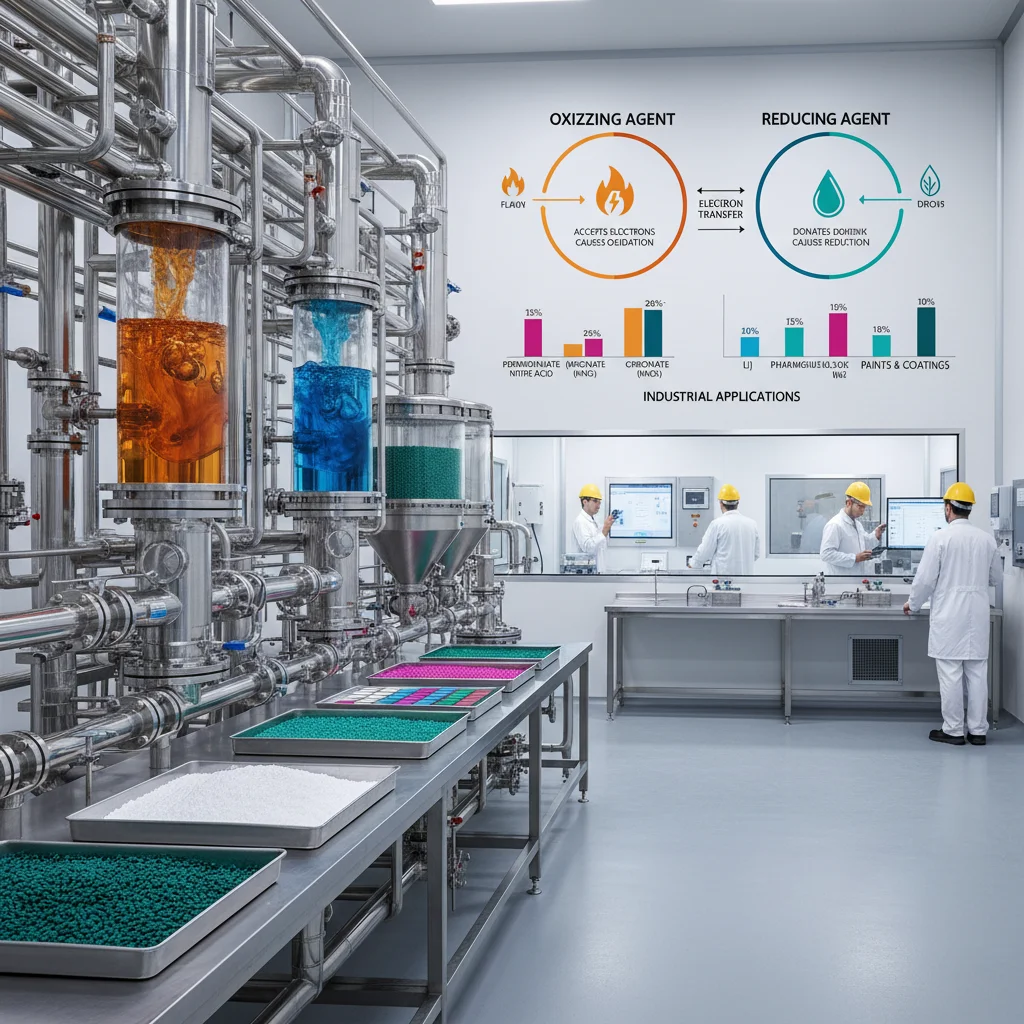
The global textile industry is undergoing a profound transformation, where the demand for high-performance fabrics and sustainable production is at an all-time high. At the heart of this evolution are textile chemicals and auxiliaries, the invisible architects that determine the feel, durability, and color vibrancy of everything from high-fashion garments to industrial safety gear. By optimizing the chemical interface between fibers and dyes, these agents ensure that modern apparel meets rigorous international quality standards.
Understanding the chemistry behind these processes is no longer just for lab technicians; it is a strategic necessity for manufacturers aiming to reduce waste and increase efficiency. The integration of advanced textile chemicals and auxiliaries allows for shorter processing cycles and lower water consumption, directly impacting the bottom line while aligning with global environmental mandates. As the industry moves toward a circular economy, the role of these specialized chemicals becomes even more critical in enabling fabric recyclability.
From the initial pre-treatment of raw greige cloth to the final softeners applied in post-treatment, the precision of chemical application defines the commercial value of the end product. Whether it is achieving the perfect fade in denim washing or ensuring a crease-resistant finish in formal wear, the right blend of textile chemicals and auxiliaries provides the competitive edge needed in a saturated global market. This guide explores the intricate balance of science and commerce that drives the modern textile auxiliary industry.
Global Industry Context of Textile Auxiliaries
The global textile chemical market is an immense ecosystem, driven by the escalating demand for "fast fashion" and the simultaneous push for sustainable "slow fashion." According to industry benchmarks and ISO standards, the precision of chemical additives is what separates a premium textile from a low-grade one. As production hubs shift toward Southeast Asia and India, the demand for high-efficiency textile chemicals and auxiliaries has surged to keep pace with the rapid growth of the apparel sector.
However, this growth brings significant challenges, particularly regarding water pollution and chemical runoff. The industry is currently facing a critical tipping point where traditional, harsh chemicals are being phased out in favor of biodegradable alternatives. The challenge lies in maintaining the high performance of fabrics—such as colorfastness and tensile strength—while adhering to strict ZDHC (Zero Discharge of Hazardous Chemicals) guidelines and other international environmental protocols.
Defining Textile Chemicals and Auxiliaries
In simple terms, textile chemicals and auxiliaries are substances used in the textile processing chain that are not the primary dye but are essential for the dyeing and finishing process. While dyes provide the color, auxiliaries act as the catalysts, stabilizers, and modifiers. They ensure that the dye penetrates the fiber evenly, stays locked in during washing, and that the final fabric has the desired touch—whether that is the softness of a baby blanket or the rigidity of heavy-duty denim.
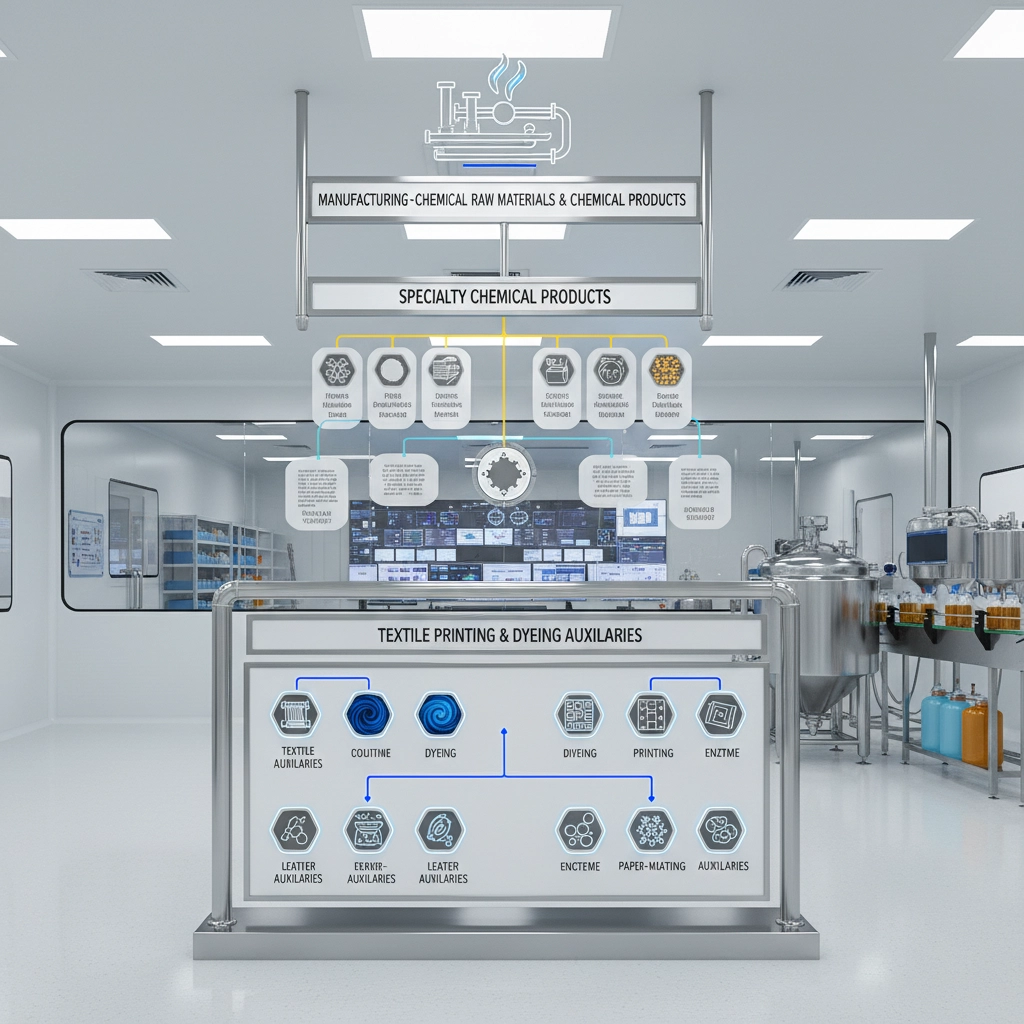
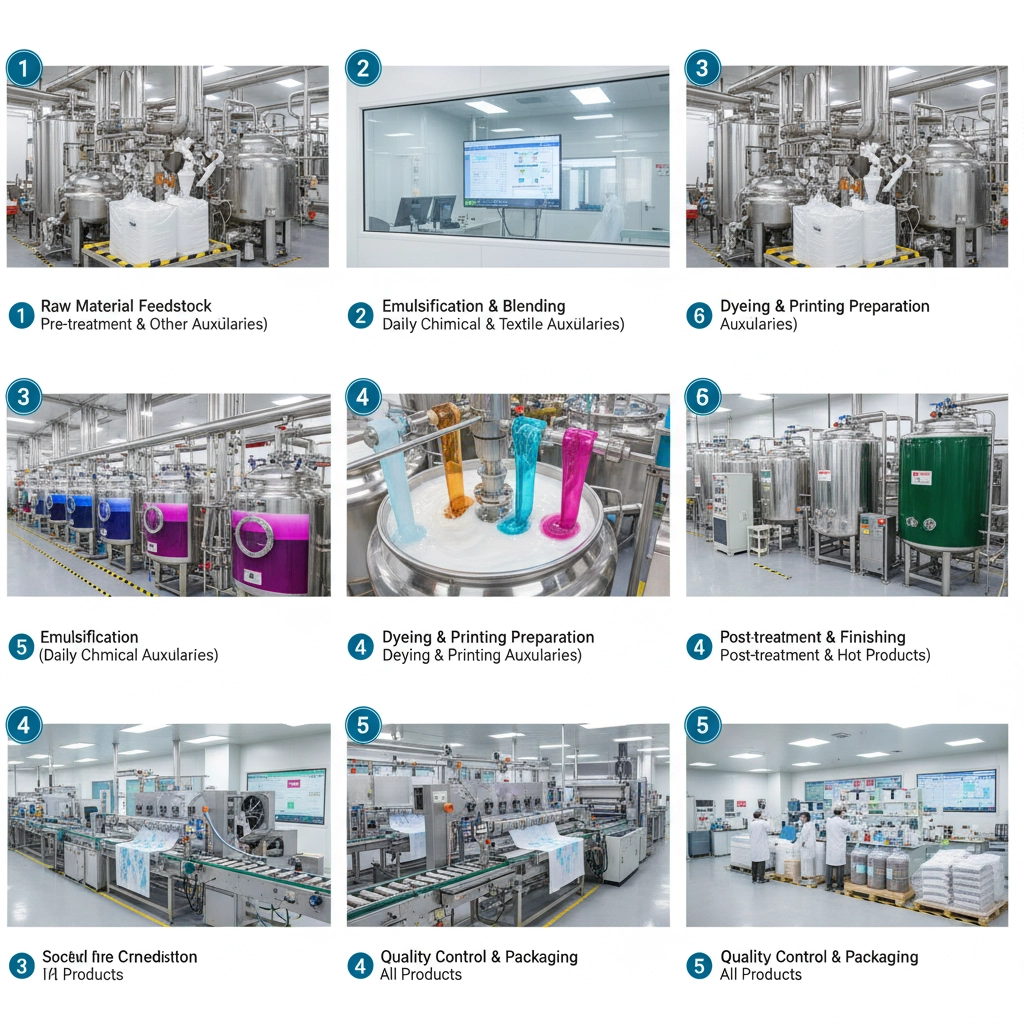
These chemicals are broadly categorized based on their stage of application: pre-treatment, dyeing, and post-treatment. Pre-treatment auxiliaries, such as scouring agents and bleaching stabilizers, prepare the raw fiber by removing natural impurities. Dyeing auxiliaries, including leveling agents and sequestering agents, manage the chemical environment of the dye bath. Finally, post-treatment agents, such as softeners and resins, provide the "hand-feel" and functional properties of the finished cloth.
The connection between these chemicals and modern humanitarian needs is often overlooked but vital. For instance, the development of antimicrobial auxiliaries is crucial for medical textiles used in hospitals to prevent healthcare-associated infections. Similarly, flame-retardant chemicals in industrial workwear save countless lives in high-risk environments. Thus, these auxiliaries are not just industrial inputs; they are essential components of safety and hygiene in the modern world.
Core Components for Fabric Enhancement
One of the primary factors in evaluating textile chemicals and auxiliaries is Durability. This refers to the ability of the chemical finish to withstand repeated laundering and wear. For example, in the production of high-performance sportswear, hydrophobic auxiliaries must remain bonded to the synthetic fibers despite constant friction and washing, ensuring the garment maintains its water-repellent properties over time.
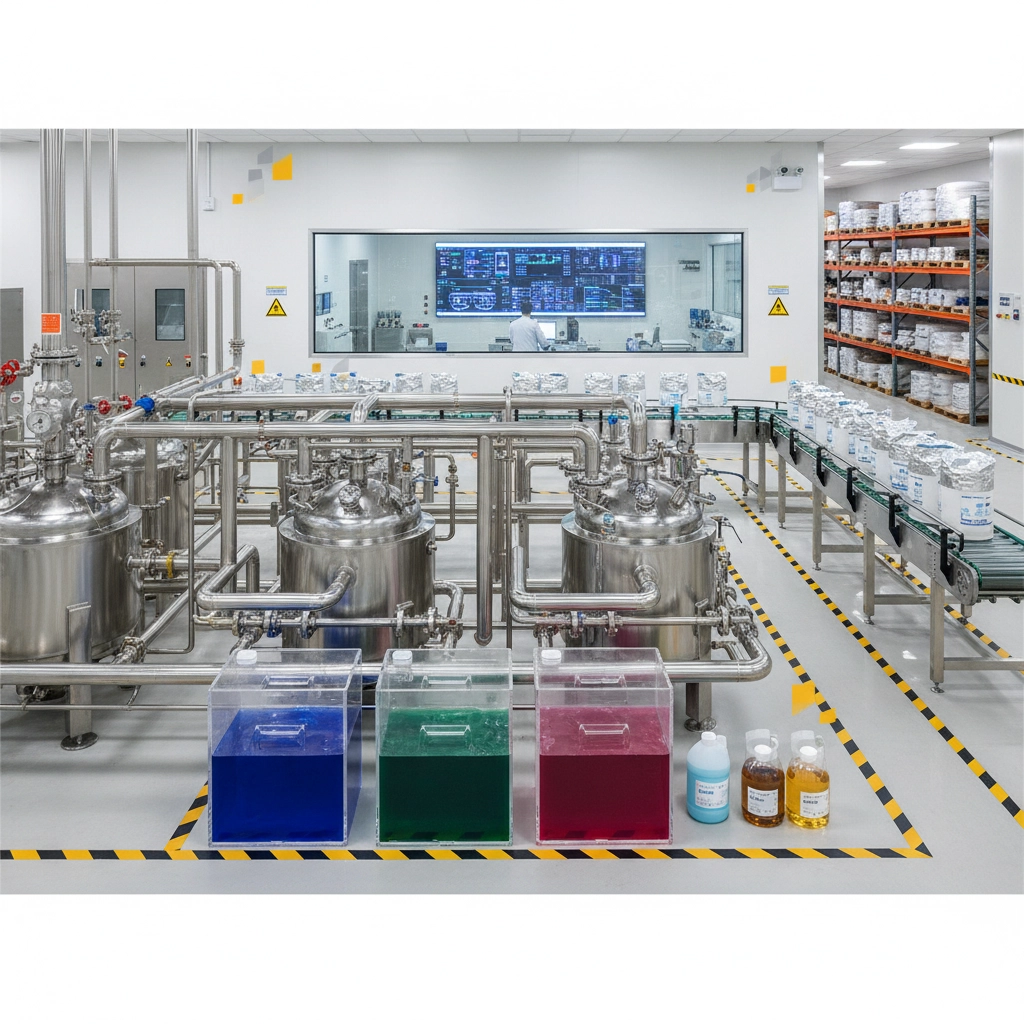
Cost Efficiency is another critical pillar. In large-scale manufacturing, a minor reduction in the dosage of a leveling agent can lead to massive savings across millions of meters of fabric. The goal is to achieve "maximum effect with minimum chemical load." Modern textile chemicals and auxiliaries are now engineered to be more concentrated and effective, reducing the overall volume of chemicals required per batch.
Finally, Compatibility and Scalability ensure that a chemical formula developed in a small lab can be replicated in a 10,000-liter dye vat without altering the results. This involves precise control over pH levels, temperature stability, and ionic interactions. When auxiliaries are scalable, manufacturers can pivot their production lines quickly to meet new market trends without risking costly batch failures.
Global Applications and Industrial Use Cases
The practical application of textile chemicals and auxiliaries spans every corner of the globe, from the denim mills of Turkey to the silk weaving centers of China. In the denim industry, specifically, "Denim Washing" auxiliaries like cellulase enzymes are used to create the "stone-washed" look without using actual pumice stones, which would otherwise damage the fabric and the machinery. This transition to enzymatic washing has revolutionized the aesthetic of casual wear.
Beyond fashion, these chemicals are deployed in specialized industrial zones for technical textiles. For example, in the automotive industry, auxiliaries are used to treat interior fabrics for UV resistance and fire retardancy. In remote industrial zones where water is scarce, the use of "low-liquor" dyeing auxiliaries allows factories to operate with a fraction of the water usually required, making textile production viable in arid regions.
Performance Comparison of Textile Auxiliaries by Application
Tangible Advantages and Long-Term Value
The long-term value of investing in high-quality textile chemicals and auxiliaries manifests in the reliability and trust a brand builds with its consumers. When a garment maintains its color and shape after fifty washes, it is a testament to the superior auxiliary agents used during production. This reliability reduces return rates for retailers and increases the perceived value of the brand, shifting the focus from "disposable clothing" to "durable quality."
From a logical and emotional angle, the shift toward non-toxic auxiliaries provides peace of mind for both the garment worker and the end-user. By eliminating harmful substances like APEO (Alkylphenol Ethoxylates) and formaldehyde, manufacturers ensure a safer workplace and a skin-friendly product. This commitment to safety and innovation fosters a deeper trust between the manufacturer and the global community, proving that industrial productivity does not have to come at the cost of human dignity or environmental health.
Future Trends and Green Innovations
The future of textile chemicals and auxiliaries is undeniably green. We are seeing a massive surge in "Bio-auxiliaries"—chemicals derived from renewable plant sources rather than petroleum. For instance, the use of bio-based surfactants and natural enzymes is drastically reducing the carbon footprint of the dyeing process. These innovations are not just "eco-friendly" options; they are often more efficient than their synthetic predecessors, offering better penetration and reactivity.
Digital transformation is also playing a pivotal role. "Smart" auxiliaries are being developed that react to external stimuli, such as temperature or pH changes, allowing for autonomous adjustment of the dye bath without human intervention. This integration of automation and chemical engineering minimizes human error and optimizes the usage of raw materials, leading to a "lean" manufacturing model.
Furthermore, the rise of waterless dyeing technologies, such as supercritical CO2 dyeing, is redefining the role of auxiliaries. In these systems, traditional water-based agents are replaced by specialized CO2-soluble chemicals. This shift represents a paradigm change in the industry, potentially eliminating water pollution from the textile dyeing process entirely and setting a new global standard for sustainability.
Overcoming Challenges in Chemical Application
Despite the advancements, the industry still struggles with the "consistency gap." Many factories find that textile chemicals and auxiliaries perform differently depending on the hardness of the local water or the atmospheric humidity of the region. This inconsistency can lead to "shading" issues, where two rolls of the same fabric come out in slightly different hues, leading to costly rejects.
The solution lies in the adoption of standardized chemical dosing systems and real-time monitoring sensors. By treating the dye bath as a precise chemical reactor rather than a simple vat, manufacturers can adjust auxiliary levels on the fly. Expert insights suggest that moving toward "concentrated liquid" formulations over powders also helps in ensuring uniform dispersion, reducing the risk of spots or streaks on the fabric.
Another significant hurdle is the regulatory maze of different countries. A chemical approved in one region may be banned in another. To overcome this, leading manufacturers are adopting a "Universal Compliance" strategy, formulating their textile chemicals and auxiliaries to meet the strictest global standards (such as OEKO-TEX Standard 100) by default. This simplifies the supply chain and opens up global export opportunities.
Comparison of Common Textile Auxiliary Categories and Performance Metrics
|
Auxiliary Category
|
Primary Function
|
Environmental Impact
|
Industrial Value Score
|
| Pre-treatment Agents |
Impurity removal & wetting |
Moderate (Biodegradable) |
9/10 |
| Leveling Agents |
Uniform color distribution |
Low (Eco-friendly) |
10/10 |
| Bio-Enzymes |
Fabric polishing & washing |
Very Low (Organic) |
9/10 |
| Softening Agents |
Hand-feel improvement |
Moderate (Silicon-based) |
8/10 |
| Fixing Agents |
Improving colorfastness |
Low (Polymer-based) |
9/10 |
| Water Repellents |
Hydrophobic coating |
High (PFC-free shift) |
7/10 |
FAQS
Dyes are the primary coloring agents that provide the hue and shade of the fabric. Textile auxiliaries, on the other hand, are chemicals that assist the dyeing process or enhance the fabric's properties. For example, while a dye provides the blue color in a shirt, a leveling auxiliary ensures that the blue is perfectly even across the fabric, and a softener ensures the shirt feels smooth against the skin.
Yes, in many cases, they are actually more effective. Modern bio-based auxiliaries and enzymes are engineered to be more specific in their action, reducing side reactions and improving the precision of the finish. While some traditional chemicals offered raw power, green alternatives offer superior control and sustainability without sacrificing the quality or durability of the final textile product.
While high-quality auxiliaries may have a higher upfront cost per liter, they often reduce total production costs. They can shorten dyeing cycles, reduce the number of required re-dyes (fixing errors), and lower water and energy consumption. By increasing the first-time-right (FTR) rate, they significantly minimize waste and labor costs in the long run.
No, chemicals must be specifically matched to the fiber type. Natural fibers like cotton require different scouring and dyeing auxiliaries than synthetic fibers like polyester or nylon. Using the wrong auxiliary can lead to poor dye uptake or even damage the fiber structure. Professional consultation is always recommended to match the chemical package to the specific fabric blend.
The most recognized certifications include OEKO-TEX Standard 100, which ensures products are free from harmful substances, and GOTS (Global Organic Textile Standard). Additionally, the ZDHC (Zero Discharge of Hazardous Chemicals) roadmap is the industry benchmark for eliminating toxic runoff in the manufacturing process of textile auxiliaries.
Look for suppliers who provide comprehensive technical data sheets (TDS) and safety data sheets (SDS). A reliable supplier should offer sampling and lab testing to ensure their chemicals work with your specific water quality and machinery. Prioritize suppliers who are transparent about their environmental certifications and offer technical support for process optimization.
Conclusion
In conclusion, textile chemicals and auxiliaries are the silent powerhouses of the garment industry, bridging the gap between raw fibers and high-value consumer products. From enhancing durability and aesthetics to ensuring safety and environmental compliance, these chemicals define the operational success of modern textile mills. By balancing technical efficiency with a commitment to sustainability, manufacturers can create products that are not only commercially viable but also ethically produced.
Looking ahead, the industry must continue to embrace bio-innovation and digital precision to survive in an era of environmental scrutiny. The shift toward green chemistry is not merely a trend but a necessity for the long-term viability of the textile sector. We encourage manufacturers to invest in advanced, eco-friendly chemical solutions to future-proof their production lines and meet the growing consumer demand for sustainable fashion. For professional-grade solutions and expert guidance, visit our website: www.dyeingchem.com