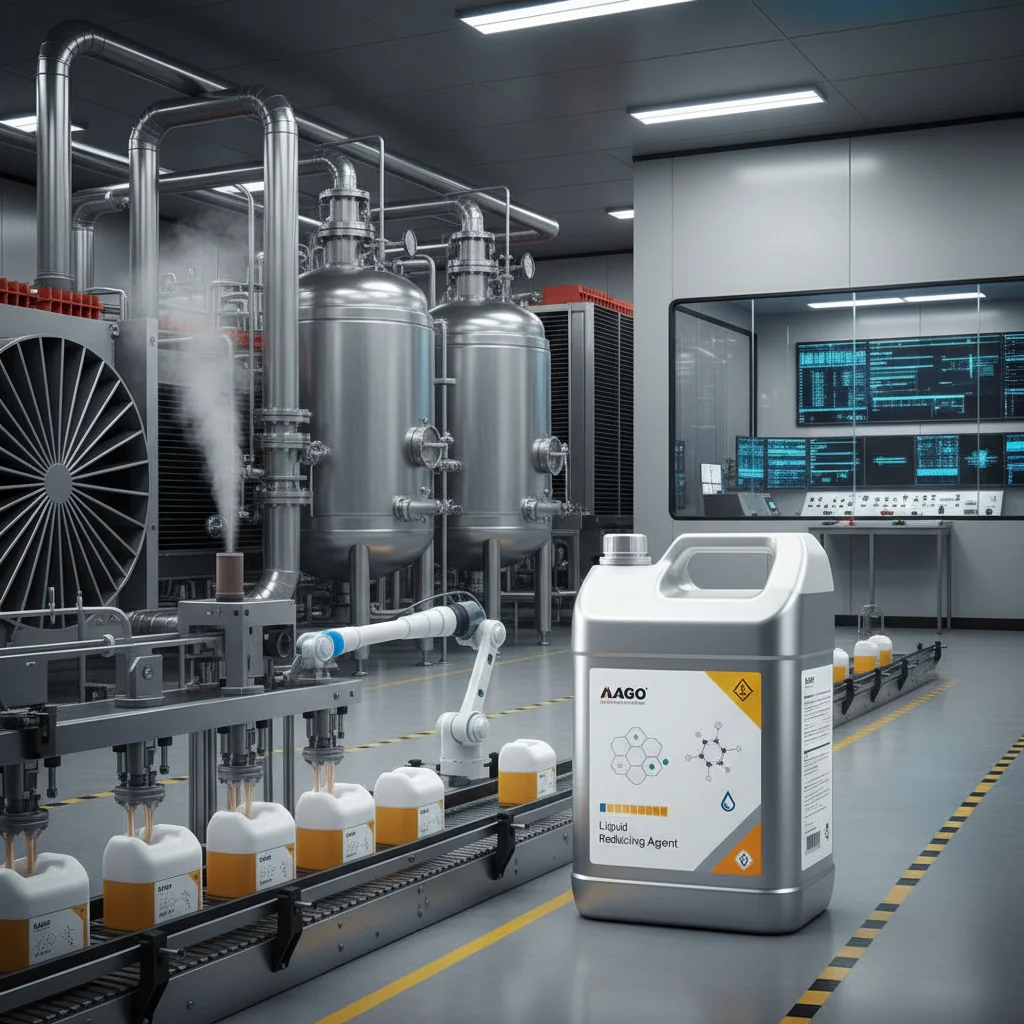
How Enzymatic Desizing of Cotton Fabric Improves Fabric Quality
How Enzymatic Desizing of Cotton Fabric Improves Fabric Quality
Cotton fabric is widely favored in the textile industry for its comfort and breathability, yet its desizing process directly impacts the final product quality. Enzymatic desizing of cotton fabric, as an advanced and eco-friendly desizing technology, has become a core link in high-quality cotton fabric processing, relying on high-performance desizing enzyme to optimize fabric properties. We are a professional Textile Printing And Dyeing Auxiliaries Chemicals Manufacturer with over 25 years of dedication to textile dyeing auxiliaries since 1999. Our core team, composed of seasoned manufacturing experts and international business professionals with 15-20 years of industry experience, boasts profound insights into enzymatic desizing technologies and market demands, providing reliable support for wholesale partners.
Core Advantages of Enzymatic Desizing of Cotton Fabric
• Gentle Desizing Process: Enzymatic desizing of cotton fabric uses desizing enzyme to specifically decompose starch size, avoiding damage to cotton fibers that may occur with chemical or mechanical desizing. This preserves the fabric's inherent softness and strength, laying a foundation for high-quality finished products.
• High Desizing Efficiency: Desizing enzyme exhibits strong catalytic activity under appropriate process conditions, enabling rapid and thorough removal of size from cotton fabric. For wholesale partners engaged in large-scale production, this improves production efficiency and shortens the processing cycle.
• Eco-Friendly and Sustainable: Compared with traditional chemical desizing, enzymatic desizing produces fewer harmful by-products and requires less water for washing. It aligns with global environmental protection trends, helping wholesale clients meet green production standards and enhance market competitiveness.
Comparison of Enzymatic Desizing and Traditional Desizing for Cotton Fabric
Desizing Method | Impact on Fabric Quality | Environmental Performance | Wholesale Production Value |
Enzymatic Desizing | Preserves fiber integrity, improves fabric softness and color absorption | Low pollution, water-saving, meets eco-friendly standards | Suitable for high-quality cotton fabric wholesale, enhances product added value |
Traditional Chemical Desizing | May damage fibers, leading to reduced fabric strength and rough handfeel | High chemical residue, heavy environmental pollution | Low cost but poor product quality, not suitable for high-end wholesale demand |
Key Factors Affecting Enzymatic Desizing of Cotton Fabric
To ensure the optimal effect of enzymatic desizing of cotton fabric, wholesale partners need to focus on several key factors. First, the selection of desizing enzyme type: different enzymes (such as alpha-amylase, beta-amylase) have varying adaptability to starch types and process conditions, requiring matching based on specific cotton fabric and size characteristics. Second, process parameter control: temperature, pH value, and enzyme dosage directly affect enzyme activity—for example, moderate temperature can enhance enzyme efficiency, while excessive temperature may inactivate the enzyme. Third, fabric pretreatment: proper cleaning of cotton fabric before desizing removes impurities and improves enzyme contact with size. Our technical team provides personalized process guidance for wholesale clients to ensure stable and efficient desizing results.
Our Professional Teams Support Enzymatic Desizing Solutions for Wholesale
To provide high-quality desizing enzyme and professional enzymatic desizing solutions for wholesale partners, our professional teams collaborate efficiently:
• R&D Team: Continuously innovates desizing enzyme formulas, optimizing enzyme activity and adaptability to different enzymatic desizing of cotton fabric processes, leading the development of eco-friendly textile auxiliaries.
• Production Management Team: Pursues excellence in production, strictly controlling every link from raw material procurement to enzyme production and packaging, ensuring stable quality and consistent performance of bulk desizing enzyme orders.
• Quality Control Team: Implements strict supervision with a zero-tolerance attitude, conducting comprehensive tests on desizing enzyme activity, purity, and stability to ensure products meet international industry standards.
• International Business Team: Offers professional services with seamless communication, understanding the specific enzymatic desizing needs of global wholesale partners and customizing tailored supply and technical support solutions.
Enzymatic Desizing of Cotton Fabric FAQs
What Is the Minimum Order Quantity for Desizing Enzyme Wholesale
Our minimum order quantity for desizing enzyme wholesale is 500kg. For long-term cooperative wholesale partners, we can appropriately adjust the minimum order quantity based on actual cooperation needs to support their business development.
Does Your Desizing Enzyme Suit All Types of Cotton Fabric Desizing
We offer a range of desizing enzyme products suitable for different types of cotton fabric and starch sizes. Our R&D team can recommend the most appropriate enzyme type based on the specific cotton fabric characteristics and desizing process of wholesale partners, ensuring optimal desizing effect.
How to Store Desizing Enzyme to Maintain Its Activity
Desizing enzyme should be stored in a sealed, cool, and dry environment, avoiding direct sunlight and high temperatures. Under proper storage conditions, the enzyme activity can be maintained for 18-24 months. We will provide detailed storage guidelines for wholesale partners to ensure product performance stability.
Can You Provide Technical Support for Enzymatic Desizing of Cotton Fabric
Absolutely. Our professional technical team provides full-process technical support for enzymatic desizing of cotton fabric, including process parameter debugging, on-site operation guidance, and problem-solving during mass production. This helps wholesale partners quickly master the desizing technology and ensure product quality consistency.
Is Enzymatic Desizing More Cost-Effective Than Traditional Desizing for Large-Scale Production
Although the initial cost of desizing enzyme is slightly higher, enzymatic desizing reduces water and energy consumption, shortens production cycles, and improves finished product quality, thereby reducing overall production costs in large-scale wholesale production. In the long run, it is more cost-effective and helps enhance the market competitiveness of products.