How The Function Of Wetting Agent In Dyeing Enhances Fabric Color And Uniformity
How The Function Of Wetting Agent In Dyeing Enhances Fabric Color And Uniformity
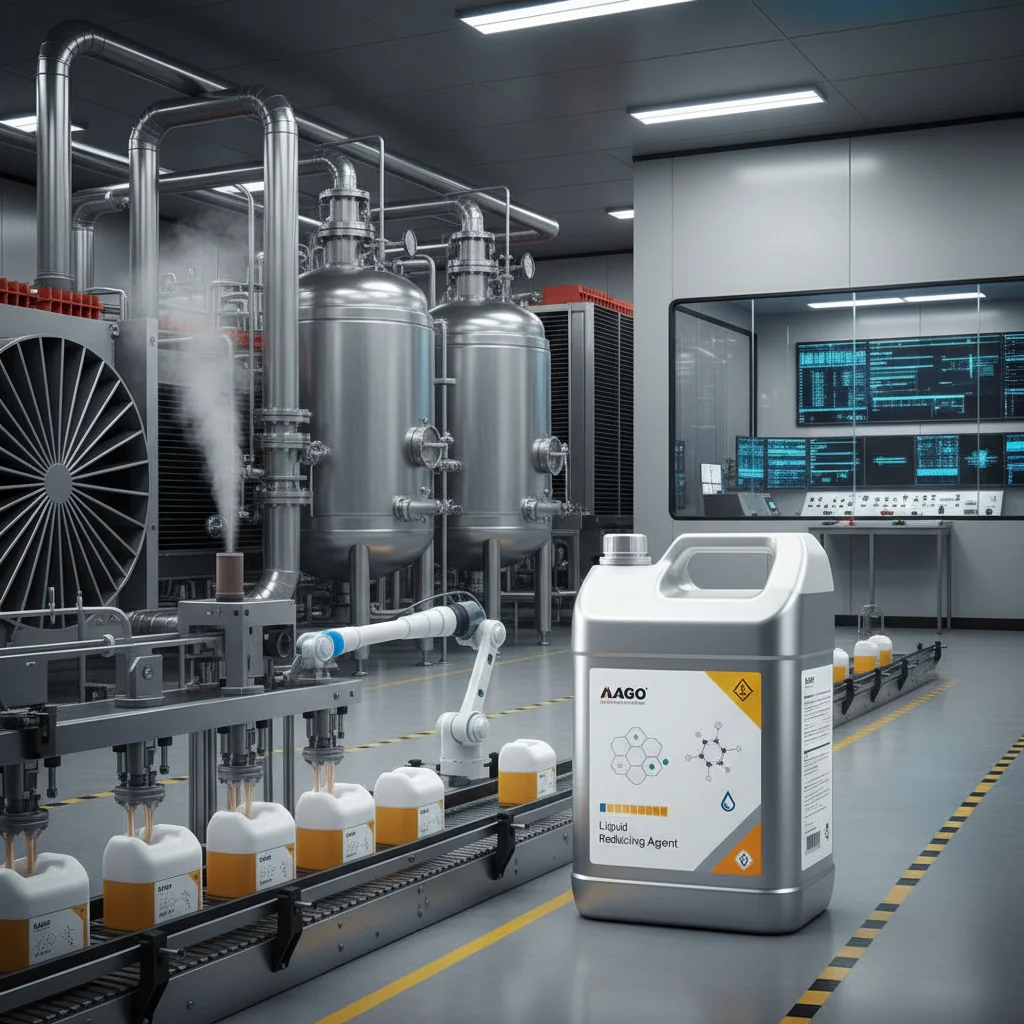
The function of wetting agent in dyeing is a cornerstone for achieving consistent, high-quality color across cotton, denim, knits, and blended fabrics. In industrial dyeing, uneven liquid penetration often leads to patchy shades, poor fastness, and irregular color reproduction. Wetting agents lower surface tension, allowing dye baths to spread evenly and penetrate fibers thoroughly.
Modern high-performance function of wetting agent in dyeing formulations, like Tai An’s penetrant series, ensure rapid fiber saturation even in dense or hydrophobic fabrics. This accelerates the dyeing process, reduces chemical consumption, and enhances color reproducibility across batches. With predictable and consistent results, textile mills can reduce rework and increase production efficiency.
Furthermore, effective wetting improves the interaction between dyes and fibers, resulting in brighter, deeper shades. This is especially important for denim, workwear, and home textile fabrics where color uniformity and durability are critical.
Understanding The Function Of Wetting Agent In Textile Pre-Treatment For Efficiency
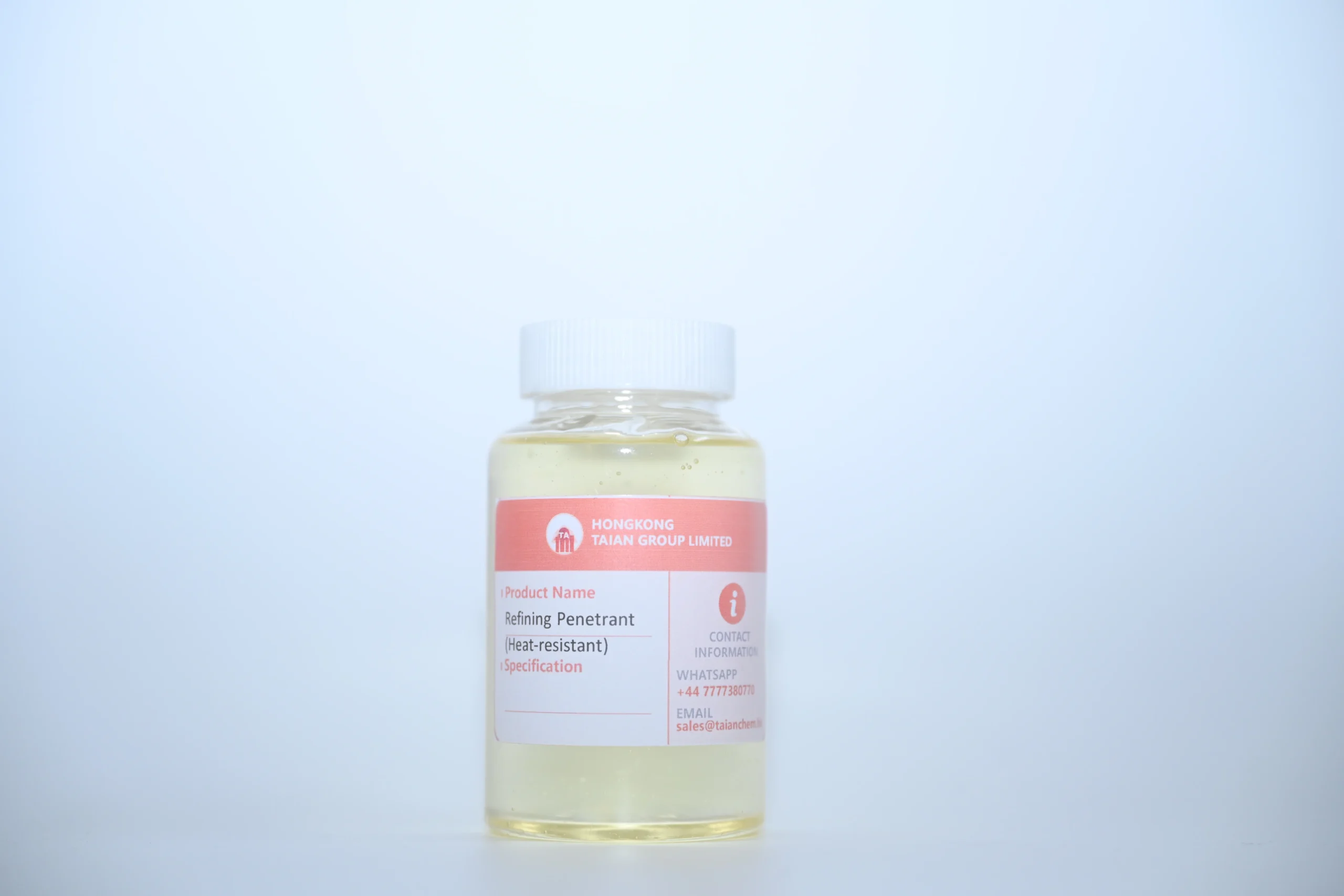
The function of wetting agent in textile is not limited to dyeing; it plays a vital role in all pre-treatment steps such as scouring, bleaching, and mercerizing. Fabrics often contain natural impurities—waxes, oils, pectins, and dirt—that can hinder uniform chemical action. Wetting agents facilitate complete penetration of these chemicals, ensuring thorough removal of impurities and consistent fabric preparation.
By employing the function of wetting agent in textile, mills achieve cleaner surfaces, improved absorbency, and a more uniform substrate for dyeing and finishing. High-performance wetting agents reduce processing time and energy use while maintaining fiber integrity. This is especially important for large-scale operations with continuous or high-speed machinery, where even minor inconsistencies can lead to significant quality issues.
For example, during scouring, the use of effective wetting agents accelerates bath saturation, allowing chemical treatments to act evenly on all yarns. In bleaching, uniform wetting ensures that fibers respond consistently to oxidative chemicals, producing brighter and more uniform fabrics.
Practical Wetting Agents In Textile Examples And Their Applications
Several wetting agents in textile examples illustrate the versatility and necessity of these auxiliaries in industrial processes:
High-Efficiency Penetrants – Accelerate wetting during scouring, bleaching, and refining, reducing processing time and improving fiber cleanliness.
Alkali-Resistant Mercerizing Agents – Maintain performance under high-alkaline conditions, ensuring uniform fiber swelling, enhanced luster, and consistent dye uptake.
Rapid Penetration Agents – Improve liquid absorption on dense or tightly woven fabrics that would otherwise resist chemical penetration.
Heat-Stable Wetting Agents – Retain activity during high-temperature continuous ranges, providing consistent results in automated production lines.
These wetting agents in textile examples not only improve chemical accessibility but also contribute to energy efficiency and reduced water consumption. By selecting the appropriate agent for the fabric type and process, mills can achieve cleaner surfaces, uniform color, and more reliable finishing.
Function Of Wetting Agent In Dyeing And Pre-Treatment For Sustainable Production
High-performance wetting agents also contribute to sustainable textile production. The function of wetting agent in dyeing and pre-treatment ensures efficient use of water, chemicals, and energy by improving bath absorption and reducing treatment time.
Using Tai An’s wetting agents, mills can optimize pre-treatment processes for cotton, cotton blends, and synthetic fabrics. The agents support uniform chemical action, reduce the need for repeated treatments, and minimize waste discharge. This environmentally responsible approach aligns with modern sustainability goals in textile manufacturing while maintaining high product quality.
Moreover, wetting agents help maintain fiber strength and reduce mechanical damage during processing. By facilitating smooth liquid penetration, they lower stress on yarns and fabrics, improving overall durability and reducing defects in downstream dyeing and finishing.
Industrial Advantages And Operational Benefits Of Wetting Agents
In industrial textile operations, the use of wetting agents provides multiple operational benefits:
Improved Fabric Cleanliness: Enhanced penetration removes waxes, oils, and impurities more effectively.
Uniform Substrate Formation: Consistent fiber wetting ensures predictable color and finish in dyeing.
Energy Efficiency: Faster bath saturation reduces water and energy usage.
Reduced Variability: Reliable performance ensures uniform results across batch and continuous processes.
Compatibility With Diverse Equipment: High-performance agents work well in jet machines, continuous ranges, and batch systems.
Integrating these auxiliaries into pre-treatment workflows supports large-scale production, reduces rework, and improves cost-efficiency. For mills handling denim, workwear, and home textiles, these benefits translate into higher-quality fabrics with consistent dyeing and finishing results.
Wetting Agents FAQs
Wetting agents in textile are essential for modern industrial pre-treatment and dyeing.
How Do Wetting Agents Improve Dyeing?
They reduce surface tension, allowing dye baths to penetrate fibers uniformly, resulting in even color and deeper shades.
Why Are Wetting Agents Important In Textile Pre-Treatment?
Wetting agents ensure full chemical penetration during scouring, bleaching, and mercerizing, leading to cleaner, more uniform fabrics.
What Are Common Wetting Agents In Textile Examples?
High-efficiency penetrants, alkali-resistant mercerizing agents, rapid penetration agents, and heat-stable wetting agents.
How Do Wetting Agents Ensure Consistency Across Batches?
By creating a uniform substrate, they minimize variations between production runs and ensure reproducible dyeing and finishing results.
How To Select Reliable Wetting Agents For Industrial Use?
Choose suppliers with proven industrial-grade formulations, technical support, and compatibility with modern continuous or high-speed production lines, such as Tai An.
Tai An’s wetting agents for textile pre-treatment deliver industrial-scale efficiency, consistent fabric quality, and sustainable production benefits. By integrating these auxiliaries into pre-treatment and dyeing, mills achieve cleaner fabrics, uniform color, and reduced processing time. Visit Tai An’s website to explore products, access technical guidance, and purchase wetting agents tailored for modern textile dyeing, pre-treatment, and finishing operations.