Comprehensive Guide to Textile Pretreatment Chemicals for Enhanced Fabric Quality
Comprehensive Guide to Textile Pretreatment Chemicals for Enhanced Fabric Quality
Textile Pretreatment Chemicals: A Comprehensive Guide
The textile industry relies heavily on effective textile pretreatment chemicals to prepare fabrics for dyeing, printing, and finishing. These chemicals remove impurities, enhance absorbency, and ensure optimal results in subsequent processes. Selecting the right pretreatment chemicals is crucial for achieving high-quality textiles, reducing production costs, and minimizing environmental impact. This article provides an in-depth look at the types of textile pretreatment chemicals, their applications, and the key considerations for choosing the best solutions. Proper pretreatment is the foundation for vibrant, durable, and aesthetically pleasing textiles.
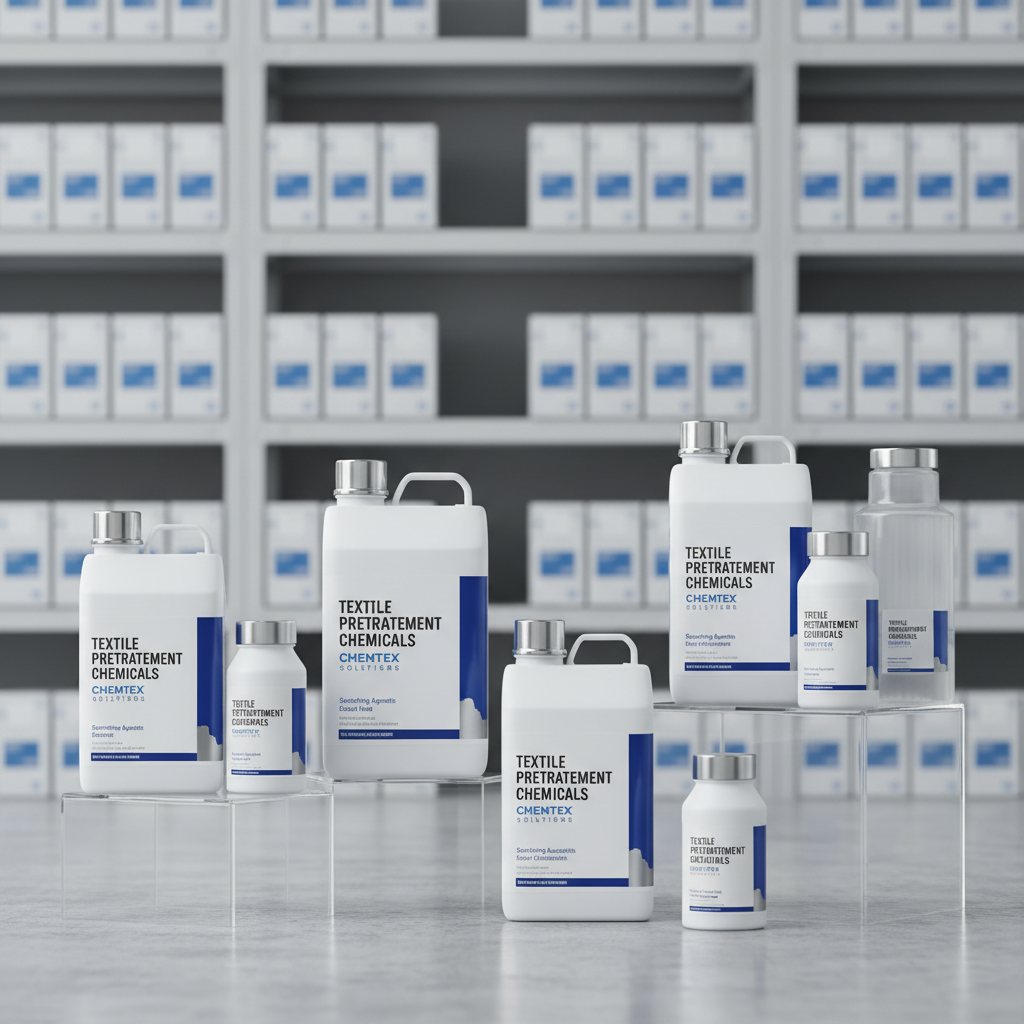
Understanding the Role of Textile Pretreatment
Textile pretreatment is the process of cleaning and preparing fabrics to accept dyes and finishes uniformly. Raw textiles often contain impurities like waxes, oils, pectins, sizing agents, and other contaminants that hinder proper dye penetration and can cause uneven coloration. Textile pretreatment chemicals address these issues by removing these impurities, improving the fabric's wettability, and creating a receptive surface for subsequent treatments. This leads to enhanced colorfastness, improved fabric handle, and reduced production defects. Effective pretreatment significantly impacts the overall quality and performance of the final textile product.
Key Benefits of Textile Pretreatment: Improved dye uptake, enhanced colorfastness, reduced production defects, improved fabric handle, and minimized environmental impact.
Common Types of Textile Pretreatment Chemicals
A variety of chemicals are used in textile pretreatment, each serving a specific purpose. Here's a breakdown of some common types:
- Wetting Agents: Reduce surface tension, allowing water to penetrate the fabric more easily.
- Scouring Agents: Remove waxes, oils, and other hydrophobic impurities.
- Sequestering Agents: Prevent metal ions from interfering with dyeing and finishing processes.
- Bleaching Agents: Remove natural color from fabrics and prepare them for light shades.
- Desizing Agents: Remove sizing agents applied to yarns during weaving.
- Stabilizers: Protect fabrics from damage during bleaching and other harsh treatments.
A Comparison of Bleaching Agents for Textile Pretreatment
Bleaching is a critical step in preparing white or light-colored textiles. Different bleaching agents offer varying levels of effectiveness and environmental impact. Here’s a comparison of common options:
Factors to Consider When Choosing Pretreatment Chemicals
Selecting the appropriate textile pretreatment chemicals involves considering several factors. The type of fabric (cotton, polyester, blends), the desired finish, the dyeing process to be used, and environmental regulations all play a role. Cost-effectiveness is also important, but shouldn’t compromise quality or sustainability. Working with a reputable supplier like Dyeingchem can provide expert guidance and ensure you choose the best solutions for your specific needs.
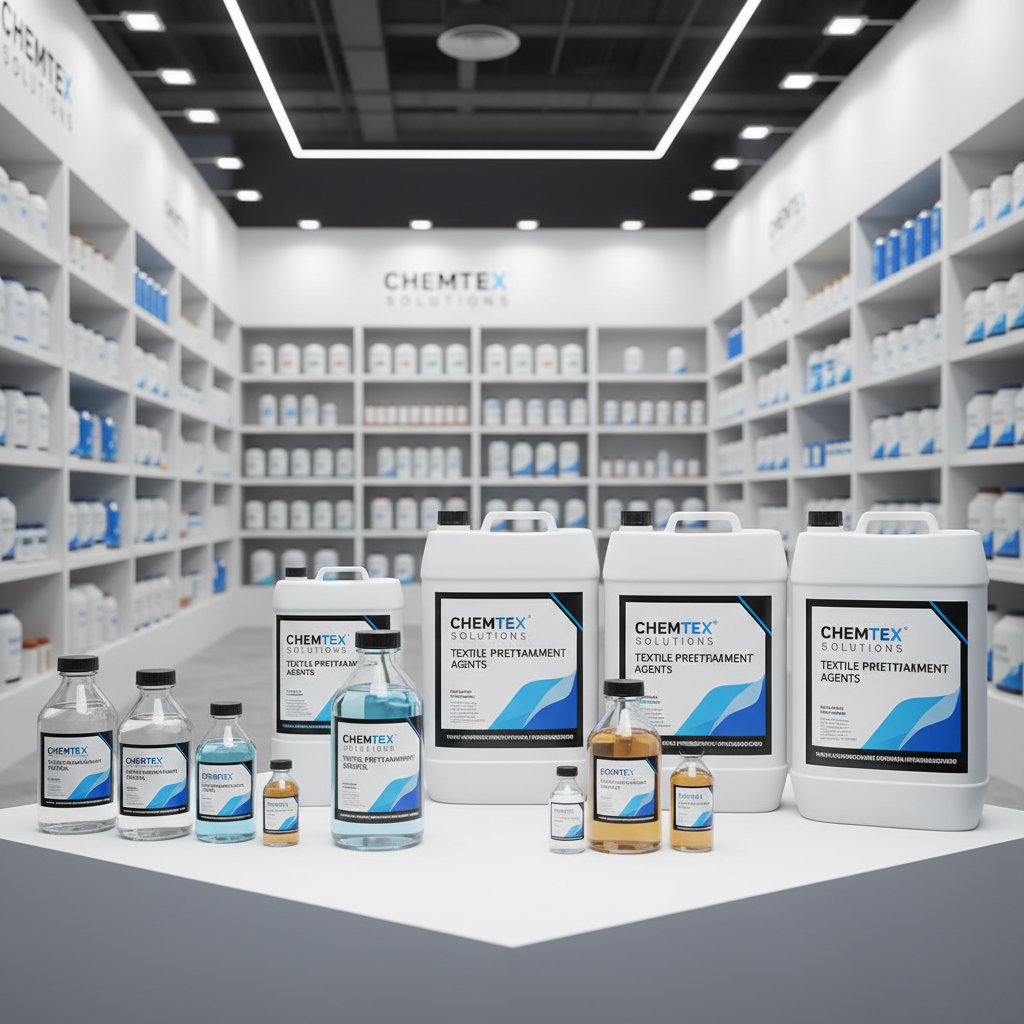
Sustainability and Environmental Considerations
The textile industry is facing increasing pressure to adopt sustainable practices. Choosing eco-friendly textile pretreatment chemicals is a vital step towards minimizing environmental impact. Look for products that are biodegradable, low in VOCs (volatile organic compounds), and free of harmful substances. Implementing closed-loop systems to recycle water and reduce chemical waste is also crucial. Dyeingchem offers a range of sustainable pretreatment solutions designed to meet stringent environmental standards.
Conclusion: Optimizing Textile Quality Through Effective Pretreatment
Effective textile pretreatment is the cornerstone of high-quality textile production. By carefully selecting the right textile pretreatment chemicals and implementing sustainable practices, manufacturers can achieve superior results, reduce costs, and minimize their environmental footprint. Investing in quality pretreatment chemicals from a trusted supplier like Dyeingchem is a smart investment for long-term success.
Frequently Asked Questions (FAQs)
What is the ideal pH level for scouring cotton fabrics?
The ideal pH level for scouring cotton fabrics typically ranges between 9 and 11. Maintaining this alkaline pH is crucial for effectively removing waxes, oils, and pectins. Using a scouring agent designed for cotton and monitoring the pH with a reliable meter ensures optimal results. Excessively high pH levels can damage the cotton fibers, while too low a pH will reduce the effectiveness of the scouring process.
How do I determine the correct dosage of wetting agent?
The correct dosage of wetting agent depends on the fabric type, water hardness, and the specific wetting agent being used. Generally, a concentration of 0.1% to 0.5% is a good starting point. It's best to follow the manufacturer's recommendations and perform small-scale trials to determine the optimal dosage for your specific application. Overuse can lead to excessive foaming and reduced dye uptake, while underuse may result in uneven wetting.
What are the benefits of using a sequestering agent in pretreatment?
Sequestering agents prevent metal ions (like iron, calcium, and magnesium) present in water from interfering with the dyeing and finishing processes. These metal ions can cause shade variations, dye precipitation, and reduced colorfastness. By binding these ions, sequestering agents ensure consistent and predictable results. They are especially important when using hard water or dyeing delicate shades.
How can I reduce the environmental impact of bleaching processes?
Reducing the environmental impact of bleaching involves several strategies. Switching to more environmentally friendly bleaching agents like hydrogen peroxide is a key step. Optimizing the bleaching process to minimize chemical usage and water consumption is also crucial. Implementing effluent treatment systems to remove residual chemicals before discharge is essential for compliance with environmental regulations. Utilizing enzymes to assist in the bleaching process can also reduce chemical demand.