Understanding the Mercerization of Cotton Fabric for Enhanced Textile Properties
Understanding the Mercerization of Cotton Fabric for Enhanced Textile Properties
Mercerization of Cotton Fabric: A Comprehensive Guide
Mercerization is a crucial treatment applied to cotton fabrics to enhance their luster, strength, and dye affinity. This process, developed by John Mercer in 1844, involves treating cotton with a strong alkali solution, typically sodium hydroxide. The result is a fabric with improved properties, making it more desirable for a wide range of textile applications. Understanding the nuances of mercerization is vital for textile manufacturers and professionals. This article dives deep into the process, its benefits, applications, and the chemical principles behind it.
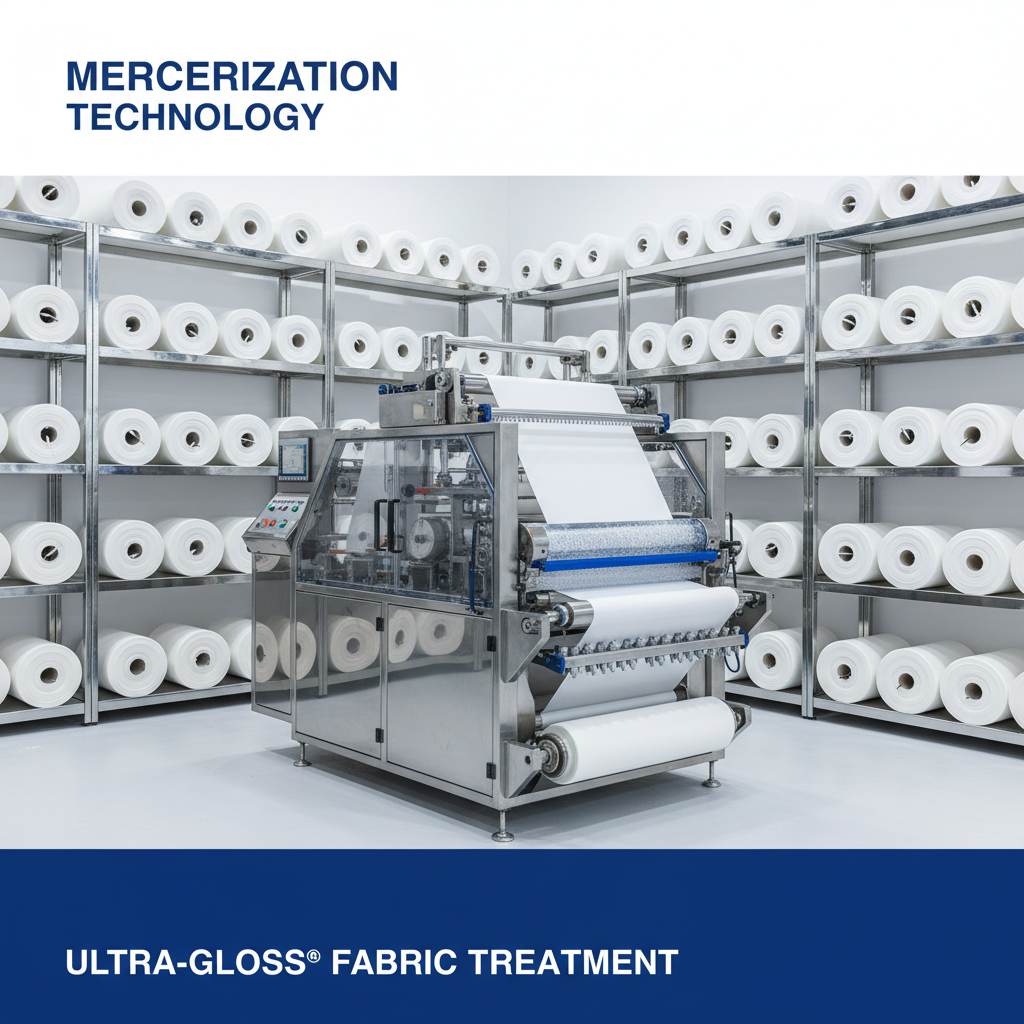
Understanding the Mercerization Process
The mercerization process typically involves several key steps. First, the cotton fabric is treated with a concentrated solution of sodium hydroxide (NaOH). This is followed by stretching the fabric under tension, which is critical for achieving the desired effects. The tension causes a swelling of the cotton fibers, altering their cross-sectional shape from a kidney bean shape to a more rounded form. This change enhances light reflection, resulting in increased luster. The fabric is then thoroughly washed to remove the alkali solution and neutralized with a mild acid. Finally, the fabric is dried and finished. Proper control of temperature, NaOH concentration, and tension are paramount to a successful mercerization process.
The Chemical Changes During Mercerization
The chemical changes that occur during mercerization are fundamental to understanding its effects. The sodium hydroxide causes the cotton fibers to swell, disrupting the crystalline structure of cellulose. This swelling increases the surface area of the fiber, making it more accessible to dyes. Additionally, the process introduces cross-linking within the cellulose structure, enhancing the fabric's strength and dimensional stability. These changes aren’t merely physical; they involve alterations to the chemical bonds within the cotton fibers themselves. The process alters the hydrogen bonding and changes the crystallinity index.
Key Chemical Effects: Increased dye uptake, improved strength, enhanced luster, and better dimensional stability.
Benefits of Mercerized Cotton Fabric
Mercerized cotton offers a range of benefits over untreated cotton. These include a significant increase in luster, resulting in a smoother, more luxurious appearance. The enhanced dye affinity leads to brighter, more colorfast shades. Improved strength and dimensional stability make the fabric more durable and resistant to shrinkage. Mercerization also increases the fabric's softness and drape, enhancing its comfort and aesthetic appeal. This makes mercerized cotton ideal for high-quality apparel, home textiles, and industrial applications.
Key Advantages:
• Increased Luster and Smoothness
• Enhanced Dye Affinity and Colorfastness
• Improved Strength and Dimensional Stability
• Softer Hand Feel and Drape
Mercerization vs. Non-Mercerized Cotton: A Comparative Analysis
The differences between mercerized and non-mercerized cotton are significant. Non-mercerized cotton retains its natural, matte appearance and has a lower dye uptake. It is also more prone to shrinkage and has lower tensile strength. Mercerized cotton, on the other hand, exhibits a vibrant sheen, superior dyeability, and increased durability. The table below highlights these key differences. Dyeingchem provides high quality chemicals for the mercerization process.
Applications of Mercerized Cotton
Mercerized cotton finds diverse applications across various industries. In apparel, it's used for high-quality shirts, dresses, and knitwear, valued for its luxurious feel and vibrant colors. Home textiles benefit from its durability and luster, making it ideal for towels, bedding, and curtains. Industrially, it’s utilized in medical textiles, sewing threads, and technical fabrics where strength and dyeability are crucial. The improved properties offered by mercerization make it a preferred choice for applications demanding premium quality and performance.
Considerations and Best Practices
Successful mercerization requires careful attention to several factors. Maintaining the correct concentration of sodium hydroxide and controlling the temperature are vital to prevent damage to the fibers. Proper tensioning is also crucial for achieving the desired luster and strength. Effective washing and neutralization are essential to remove all traces of alkali, preventing fabric degradation. Implementing quality control measures throughout the process ensures consistent results and minimizes defects. When selecting chemicals for mercerization, opting for high-quality products from reputable suppliers like Dyeingchem is paramount.
Conclusion
Mercerization remains an essential process in the textile industry, transforming cotton fabrics into superior materials with enhanced properties. Understanding the chemical principles, process controls, and applications of mercerization is crucial for manufacturers seeking to produce high-quality textiles. By implementing best practices and utilizing quality chemicals, businesses can consistently deliver products that meet the demands of discerning customers.
Frequently Asked Questions (FAQs)
What concentration of sodium hydroxide is typically used in mercerization?
The concentration of sodium hydroxide (NaOH) used in mercerization typically ranges from 20% to 30% by weight. However, the optimal concentration depends on factors such as the cotton type, fabric construction, and desired level of mercerization. Lower concentrations may result in incomplete mercerization, while higher concentrations can damage the fibers. It's crucial to carefully control the NaOH concentration and monitor the process to ensure optimal results.
What is the importance of tension during mercerization?
Tension is a critical parameter in the mercerization process. It prevents the fabric from shrinking during the swelling caused by the NaOH solution. Maintaining adequate tension ensures that the fibers remain elongated and aligned, leading to increased luster, strength, and dimensional stability. Without proper tension, the fabric would wrinkle and lose its desirable properties.
How is the alkali removed from the fabric after mercerization?
After the mercerization process, thorough washing is essential to remove the residual sodium hydroxide. Typically, the fabric is washed multiple times with water, gradually decreasing the pH. A neutralizing agent, such as acetic acid or sulfuric acid, is often used in the final wash to ensure complete neutralization. Insufficient removal of alkali can lead to fabric degradation and skin irritation.
Are there any environmental concerns associated with mercerization?
Yes, there are environmental concerns associated with mercerization, primarily due to the use of sodium hydroxide and the resulting alkaline wastewater. Proper wastewater treatment is crucial to neutralize the effluent and remove pollutants before discharge. Some manufacturers are exploring alternative mercerization methods that use less harsh chemicals or closed-loop systems to minimize environmental impact.