Comprehensive Guide to the Pretreatment of Cotton Fabric for Enhanced Textile Quality
Comprehensive Guide to the Pretreatment of Cotton Fabric for Enhanced Textile Quality
Pretreatment of Cotton Fabric: A Comprehensive Guide
The pretreatment of cotton fabric is a crucial step in textile processing, significantly influencing the quality and efficiency of subsequent dyeing and finishing processes. Effective pretreatment removes impurities, prepares the fabric for better dye absorption, and ultimately enhances the final product's appearance and performance. This article will delve into the various stages of cotton fabric pretreatment, exploring the methods, chemicals involved, and best practices for optimal results. Understanding these processes is paramount for achieving consistent, high-quality textile production.
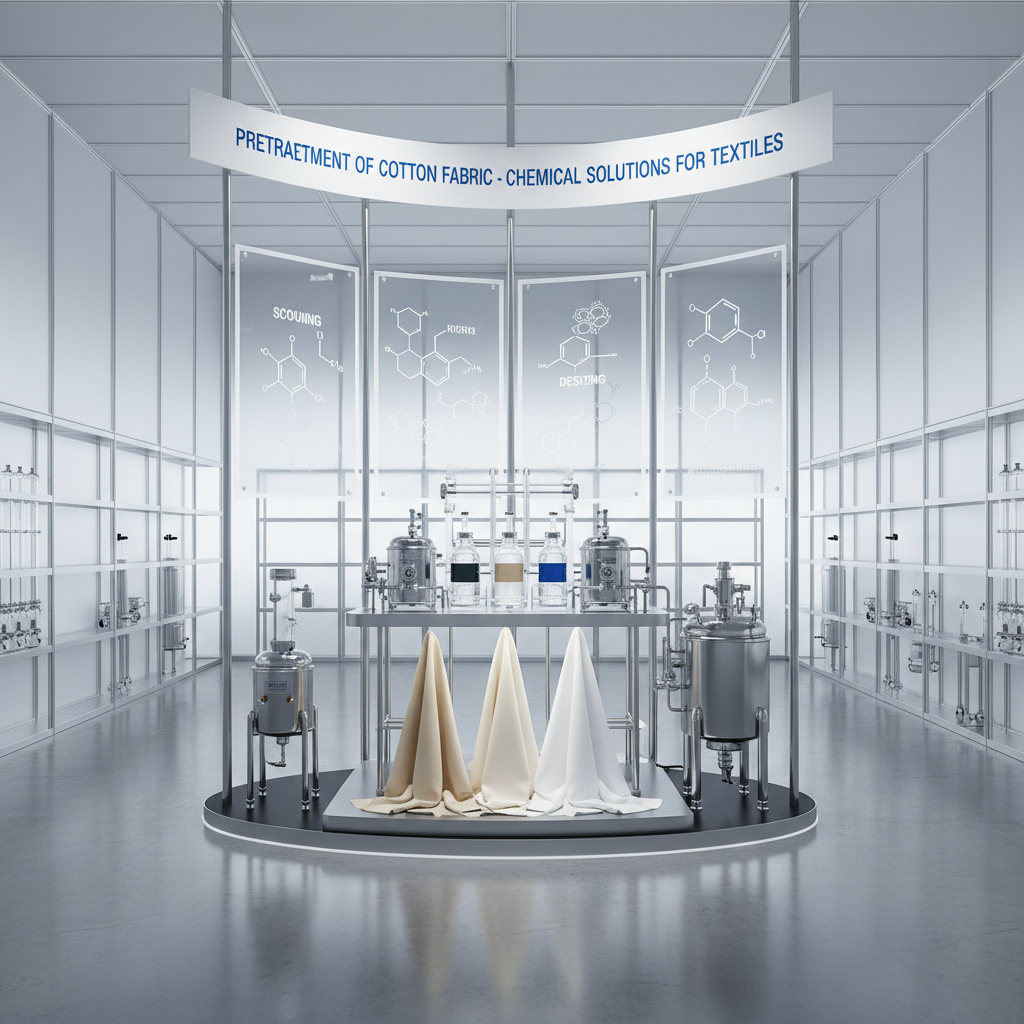
Understanding the Importance of Cotton Fabric Pretreatment
Raw cotton contains numerous impurities, including waxes, pectins, proteins, oils, and dirt. These substances hinder the uniform absorption of dyes, leading to uneven coloration, reduced color yield, and potentially compromised fabric strength. Pretreatment aims to remove these impurities, creating a clean and receptive surface for dyes and finishes. A well-executed pretreatment process also improves fabric wettability, increasing the rate and extent of dye penetration. This translates to lower dye consumption, reduced processing time, and improved overall cost-effectiveness. Ignoring or inadequately performing pretreatment can result in significant issues down the line, impacting both product quality and profitability.
The Key Stages in Pretreatment of Cotton Fabric
The pretreatment process generally involves several key stages, each designed to address specific impurities. These stages typically include:
- Desizing: Removal of sizing agents applied to warp yarns during weaving to increase strength and smoothness.
- Scouring: Elimination of natural waxes, oils, and pectins to improve wettability and remove hydrophobic impurities.
- Bleaching: Whitening of the fabric to remove natural pigments and achieve a consistent base for dyeing.
- Mercerization (Optional): Treatment with caustic soda to improve luster, strength, and dye affinity.
The specific sequence and intensity of these stages can vary depending on the type of cotton fabric, the desired end-use, and the subsequent dyeing or finishing processes.
Key Benefits of Effective Pretreatment: Improved dye uptake, Enhanced color fastness, Increased fabric strength, Reduced processing costs, and Improved product quality.
A Comparative Look at Pretreatment Chemicals
Various chemicals are employed during the pretreatment of cotton fabric, each serving a specific purpose. Here’s a comparison of common chemicals used in desizing, scouring, and bleaching:
Optimizing Pretreatment for Different Cotton Types
The optimal pretreatment process can vary based on the type of cotton fiber used. For example, long-staple cottons like Egyptian or Pima cotton generally require less aggressive scouring compared to shorter-staple varieties. Organic cottons may have different impurity profiles and require specific pretreatment methods to avoid damaging the fiber. The level of pretreatment also depends on the desired final finish. Fabrics intended for dyeing with reactive dyes often require more thorough scouring and bleaching than fabrics intended for pigment printing. Dyeingchem offers a range of pretreatment chemicals and solutions tailored to various cotton types and application requirements.
Emerging Trends in Cotton Fabric Pretreatment
The textile industry is continuously evolving, with a growing emphasis on sustainability and efficiency. Emerging trends in cotton fabric pretreatment include:
- Enzyme-based pretreatment: Utilizing enzymes to replace harsh chemicals for desizing and scouring.
- Low liquor ratio pretreatment: Reducing water consumption through optimized processing techniques.
- Combined pretreatment processes: Combining multiple stages into a single process to save time and resources.
- Bio-scouring: Employing microbial enzymes for eco-friendly scouring.
Conclusion: The Foundation of Quality Textile Production
Effective pretreatment of cotton fabric is not simply a preparatory step; it's the cornerstone of high-quality textile production. By understanding the processes, utilizing appropriate chemicals, and embracing emerging trends, manufacturers can achieve superior dyeing results, reduce environmental impact, and enhance the overall performance and value of their products.
Frequently Asked Questions (FAQs)
What are the environmental concerns associated with traditional pretreatment methods?
Traditional pretreatment methods often rely on harsh chemicals like sodium hydroxide and chlorine-based bleaches, which can generate significant wastewater pollution. These chemicals require careful handling and disposal to prevent environmental damage. High water consumption is another concern. Fortunately, the industry is moving towards more sustainable alternatives, such as enzyme-based pretreatment, low liquor ratio processes, and the use of hydrogen peroxide as a bleaching agent, to minimize the environmental footprint. Choosing eco-friendly pretreatment solutions is essential for responsible textile manufacturing.
How can I determine the optimal pretreatment process for my specific cotton fabric?
Determining the optimal pretreatment process requires considering several factors, including the type of cotton (e.g., long-staple, short-staple, organic), the desired end-use of the fabric, and the subsequent dyeing or finishing processes. Laboratory testing is crucial to evaluate the effectiveness of different pretreatment methods and chemical combinations. Factors to assess include fabric wettability, whiteness, and the removal of impurities. Consulting with experts, like those at Dyeingchem, can provide valuable insights and tailored recommendations.
What is the role of wetting agents in the pretreatment process?
Wetting agents are essential in pretreatment to reduce the surface tension of water, allowing it to penetrate the cotton fibers more effectively. This is particularly important for removing hydrophobic impurities like waxes and oils. Improved wetting ensures better contact between the pretreatment chemicals and the fabric, leading to more efficient removal of impurities and enhanced dye uptake in subsequent dyeing processes. Different types of wetting agents are available, and the choice depends on the specific pretreatment stage and the characteristics of the cotton fabric.