Advancements in Chemical Technology in the Pre treatment Processes of Textiles
Advancements in Chemical Technology in the Pre treatment Processes of Textiles
Chemical Technology in the Pre-Treatment Processes of Textiles
The pre-treatment of textiles is a critical stage in textile manufacturing, directly influencing the quality and efficiency of subsequent dyeing and finishing processes. This stage involves a series of chemical and mechanical actions designed to remove impurities and prepare the fabric for optimal processing. Effective chemical technology is paramount for achieving consistent results and minimizing environmental impact. This article will explore the essential chemical technologies utilized in textile pre-treatment, focusing on their functions, benefits, and the latest advancements. Understanding these processes is crucial for textile producers aiming for high-quality, sustainable manufacturing.
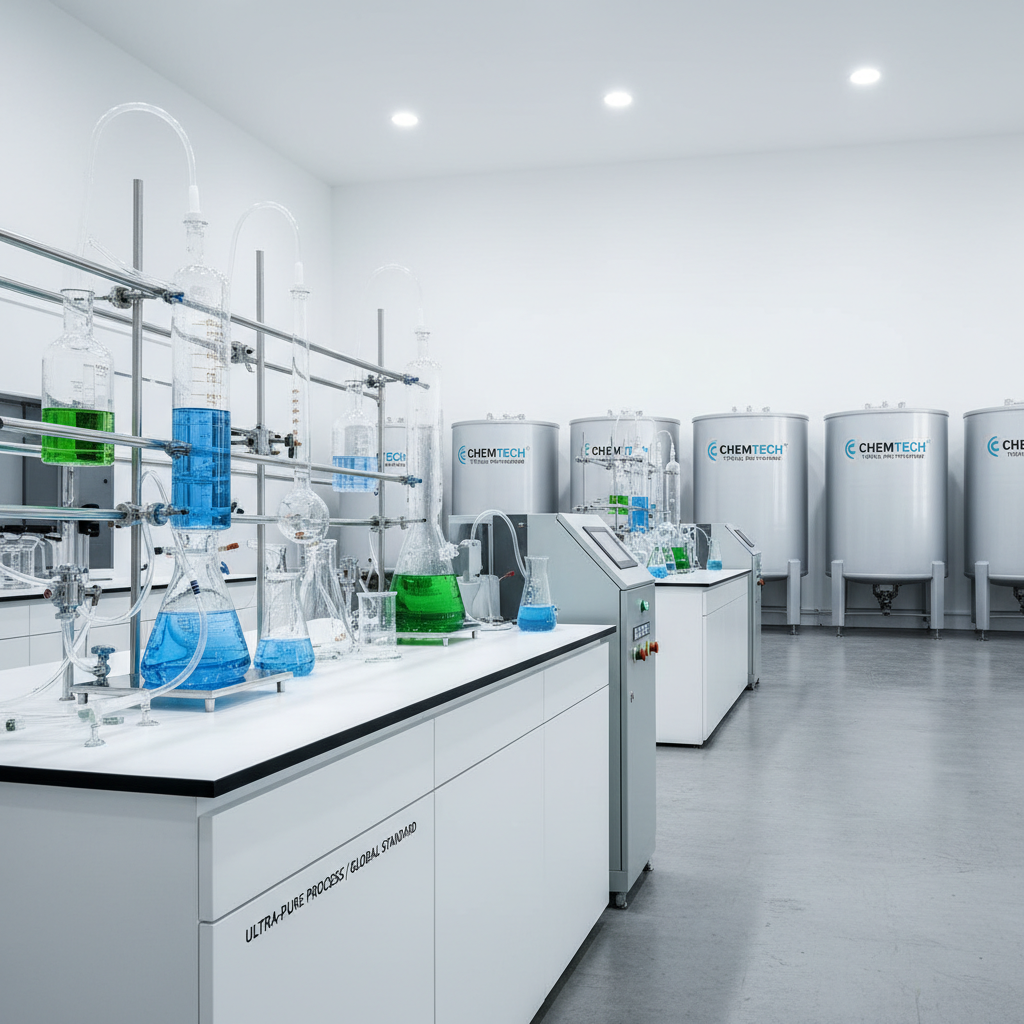
The Importance of Textile Pre-Treatment
Textile pre-treatment encompasses a range of processes including desizing, scouring, bleaching, and sometimes mercerization. Each step addresses specific impurities and prepares the fabric for optimal dye uptake and finishing. Inadequate pre-treatment leads to uneven dyeing, poor color fastness, and reduced fabric performance. Modern chemical technology focuses on enhancing efficiency, reducing water consumption, and minimizing the use of harsh chemicals. By implementing advanced pre-treatment methods, manufacturers can significantly improve product quality and reduce production costs.
Key Benefits of Effective Pre-Treatment: Improved dye uptake, enhanced color fastness, increased fabric strength, reduced environmental impact, and optimized finishing results.
Chemical Technologies in Desizing
Desizing removes sizing agents applied to warp yarns to improve their weaving performance. Traditional desizing relies on enzymatic hydrolysis using amylases to break down starch-based sizes. However, advancements in chemical technology have introduced oxidative desizing agents like hydrogen peroxide, often combined with stabilizers to control the reaction. Enzymatic desizing is more environmentally friendly but can be slower, while oxidative desizing is faster but requires careful control to avoid fabric damage. The choice depends on the fabric type and sizing agent used.
Desizing Methods Comparison:
• Enzymatic Desizing: Environmentally friendly, slower process, effective for starch-based sizes.
• Oxidative Desizing: Faster process, requires careful control, can damage delicate fabrics.
• Acidic Desizing: Used for PVA sizes, requires neutralization.
Scouring: Removing Impurities with Chemical Technology
Scouring aims to remove natural impurities like waxes, oils, and pectins from cotton fibers, as well as synthetic finishes applied during manufacturing. Traditionally, scouring involved using strong alkaline solutions like sodium hydroxide. However, modern chemical technology employs sophisticated wetting agents, emulsifiers, and sequestering agents to achieve effective scouring at lower temperatures and with reduced alkali concentrations. This minimizes fiber damage and water consumption. Bio-scouring, utilizing enzymes, is also gaining popularity as a sustainable alternative.
Bleaching and the Role of Chemical Innovation
Bleaching removes natural color from textiles, preparing them for vibrant dyeing. Hydrogen peroxide is the most commonly used bleaching agent, offering a more environmentally friendly alternative to chlorine-based bleaches. Chemical technology advancements focus on developing stabilizers and activators that enhance the efficiency of hydrogen peroxide bleaching, reducing the amount of chemical needed and minimizing fabric damage. Peracetic acid is another emerging bleaching agent offering excellent bleaching performance with reduced environmental impact.
Conclusion: The Future of Chemical Technology in Textile Pre-Treatment
The field of chemical technology in textile pre-treatment is constantly evolving, driven by the need for greater efficiency, sustainability, and product quality. From enzymatic desizing to advanced bleaching agents and bio-scouring methods, the industry is embracing innovative solutions to minimize environmental impact and enhance fabric performance. By staying abreast of these advancements, textile manufacturers can optimize their processes and deliver superior products to the market.
Frequently Asked Questions (FAQs)
What are the environmental concerns associated with traditional textile pre-treatment?
Traditional textile pre-treatment processes often rely on harsh chemicals like strong alkalis, chlorine-based bleaches, and large volumes of water. These chemicals can contribute to water pollution, soil contamination, and air emissions. The high water consumption also puts a strain on water resources. Furthermore, the disposal of wastewater containing these chemicals requires significant treatment, adding to the environmental burden. Sustainable alternatives, such as enzymatic processes and hydrogen peroxide bleaching, are being adopted to mitigate these concerns.
How can bio-scouring contribute to sustainable textile pre-treatment?
Bio-scouring utilizes enzymes, such as cellulases and pectinases, to remove impurities from textiles. This process is significantly more environmentally friendly than traditional alkaline scouring as it operates at lower temperatures, consumes less water, and reduces the need for harsh chemicals. Enzymes are biodegradable and produce less harmful by-products. Bio-scouring also preserves the natural strength and properties of the fibers, resulting in softer and more durable fabrics.
What role do stabilizers play in hydrogen peroxide bleaching?
Hydrogen peroxide is a powerful bleaching agent, but its decomposition can be accelerated by factors like temperature, pH, and the presence of metal ions. Stabilizers are added to hydrogen peroxide solutions to control its decomposition, ensuring that the bleaching process occurs efficiently and effectively. Common stabilizers include sodium silicate, magnesium sulfate, and chelating agents. These stabilizers prevent premature breakdown of the peroxide, maximizing its bleaching power and minimizing fabric damage. Dyeingchem offers a range of stabilizers optimized for various textile applications.
What is the future trend of textile pre-treatment?
The future of textile pre-treatment lies in developing even more sustainable and efficient technologies. This includes increasing the use of biotechnology, like enzymatic processes, exploring novel bleaching agents with lower environmental impact, and implementing closed-loop water systems to minimize water consumption. Digitalization and process control systems will play a crucial role in optimizing pre-treatment processes and reducing chemical waste. Research and development efforts are also focused on creating multi-functional pre-treatment agents that can combine multiple steps into a single process, further streamlining manufacturing.