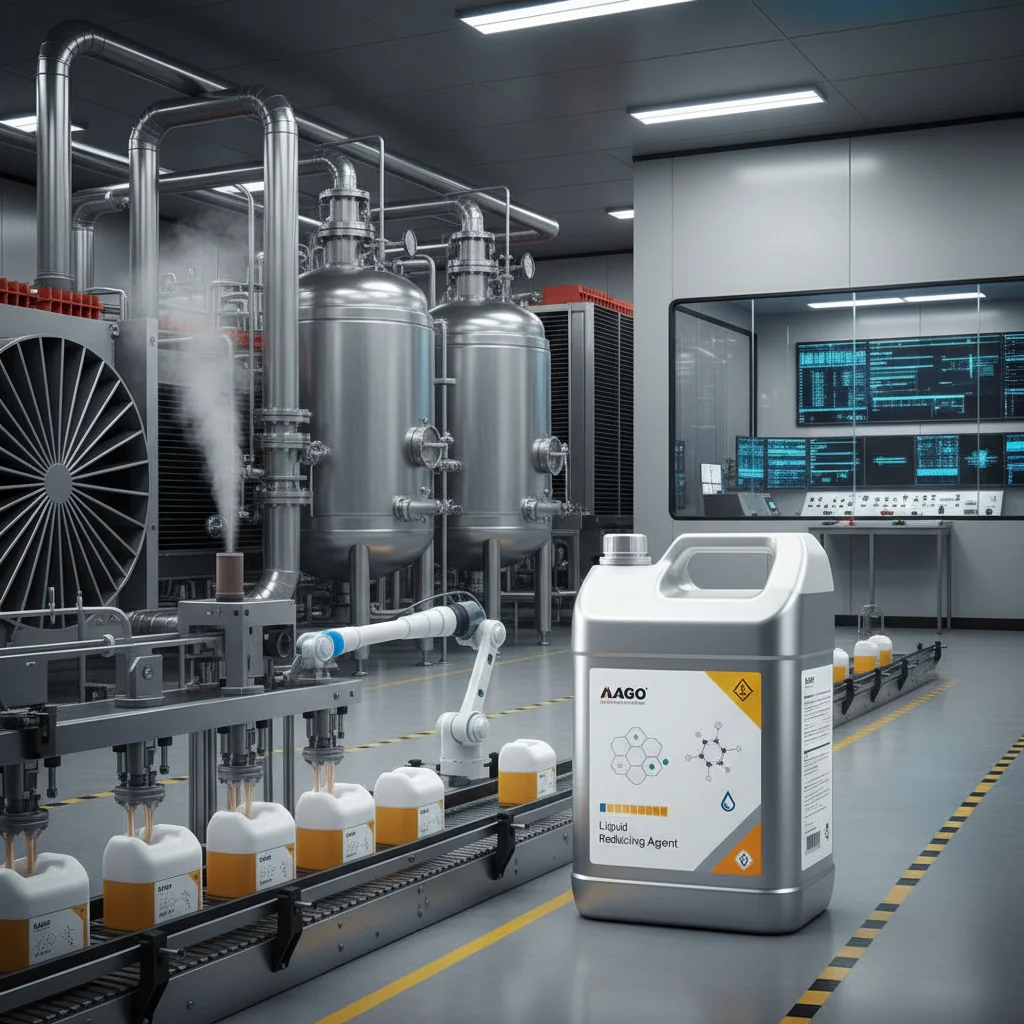
Comprehensive Guide to Fabric Mercerization for Enhanced Textile Quality
Comprehensive Guide to Fabric Mercerization for Enhanced Textile Quality
Understanding Fabric Mercerization: A Comprehensive Guide
Fabric mercerization is a crucial treatment process in the textile industry that significantly enhances the quality and appearance of cellulosic fabrics like cotton, linen, and viscose. This process involves treating the fabric with a caustic soda solution under tension, resulting in increased luster, strength, dye uptake, and dimensional stability. At Dyeingchem, we provide high-quality chemicals and solutions for optimal mercerization results. Understanding this process is key to producing superior textiles. This article will delve into the intricacies of fabric mercerization, its benefits, the process itself, and factors influencing its success.
What is Fabric Mercerization?
At its core, mercerization is a treatment for cellulose fibers, particularly cotton. The process alters the fiber's cross-section from a kidney shape to a more circular shape. This change contributes to the increased luster and improved dye affinity. The original discoverer of this process was John Mercer in 1844. It's not simply a cosmetic improvement; the molecular structure of the fabric is changed, leading to significant improvements in its physical properties. This makes the fabric more receptive to dyes and finishes, creating vibrant, long-lasting colors and a smoother texture.
Key Benefits: Increased luster, enhanced strength, improved dye uptake, and superior dimensional stability. These benefits translate to higher-quality textiles with enhanced performance and aesthetic appeal.
The Mercerization Process: A Step-by-Step Guide
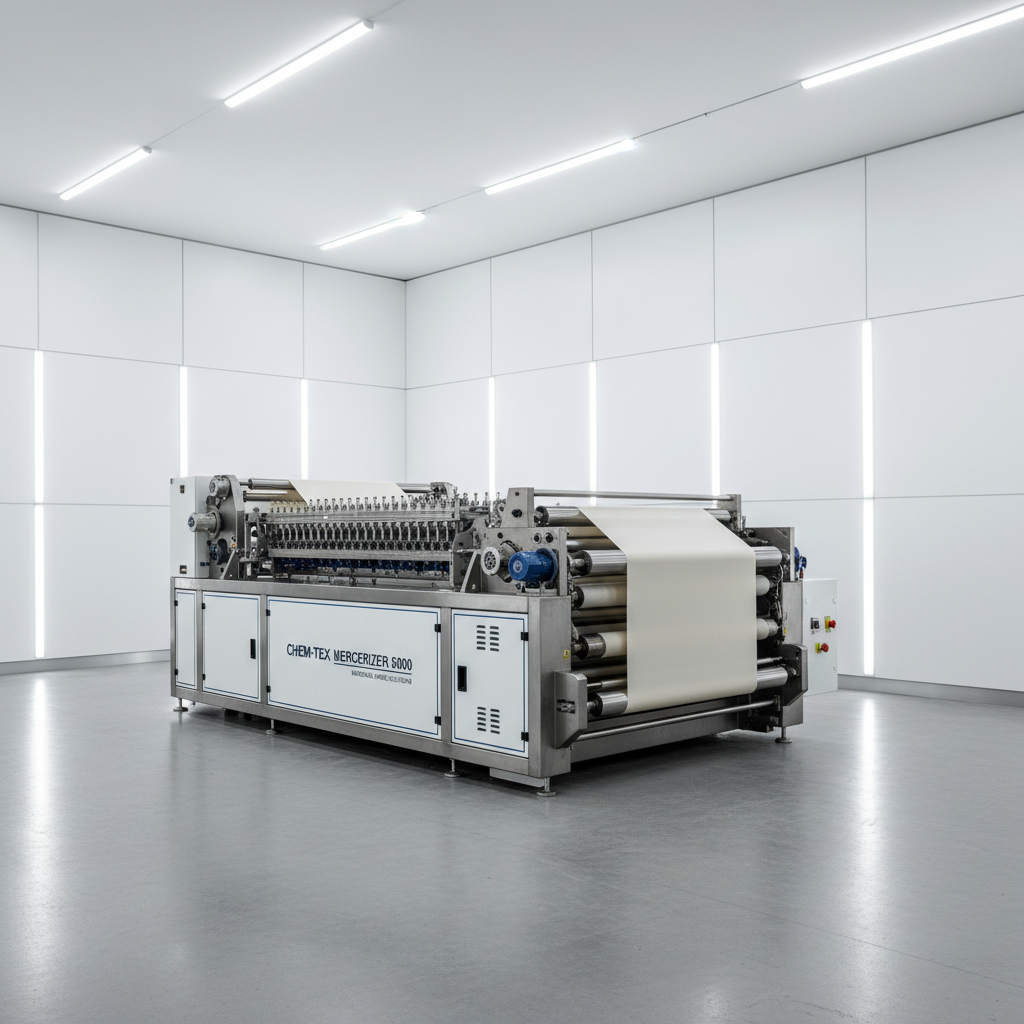
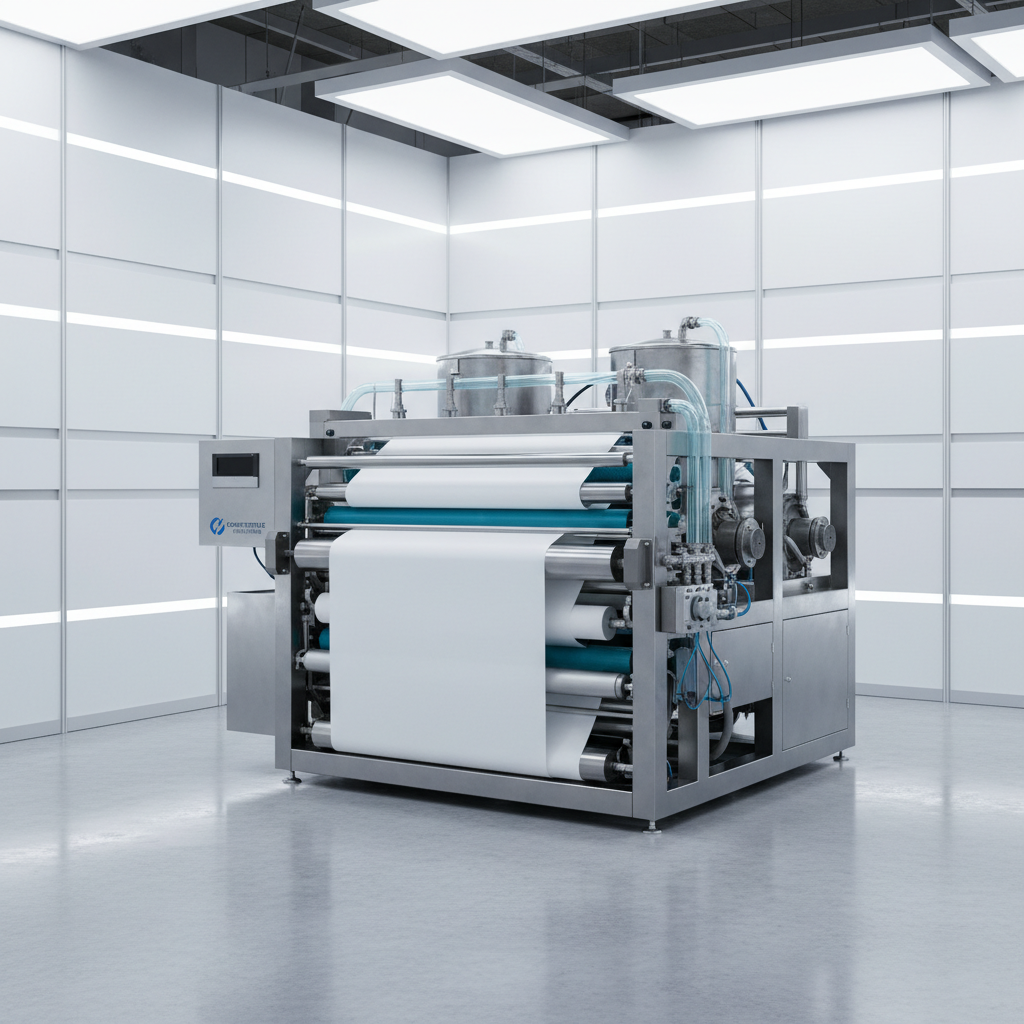
The mercerization process typically involves several key steps. First, the fabric is treated with a concentrated solution of sodium hydroxide (caustic soda). Crucially, this treatment is performed under tension to prevent excessive shrinkage and ensure the fiber structure is altered correctly. The fabric is then thoroughly washed to remove the caustic soda, neutralized with an acid solution, and finally dried. Maintaining precise control over temperature, concentration, and tension is paramount for achieving optimal results. The entire process requires specialized equipment and careful monitoring to prevent fabric damage.
Process Highlights:
• Caustic Soda Treatment: Concentrated sodium hydroxide solution is applied.
• Tension Control: Fabric is held under tension during treatment.
• Washing & Neutralization: Caustic soda is removed and the fabric is neutralized.
• Drying: Fabric is dried to finalize the process.
Factors Influencing Mercerization Quality
Several factors can significantly impact the quality of the mercerization process. The concentration of the caustic soda solution is critical; too low, and the desired effects won't be achieved, too high, and the fabric can be damaged. Maintaining consistent tension is also essential to prevent uneven shrinkage and distortion. The temperature of the solution and the duration of exposure also play a vital role. Finally, the quality of the water used for washing and neutralization can affect the final outcome, with impurities potentially leading to discoloration or residue. We at Dyeingchem offer solutions to optimize each of these factors.
Mercerization vs. Other Fabric Treatments: A Comparison
While several treatments enhance fabric properties, mercerization stands out due to its unique combination of benefits. Unlike simple scouring, which removes impurities, mercerization alters the fiber structure itself. Compared to sizing, which adds a coating, mercerization changes the inherent qualities of the fabric. Below is a comparison chart to illustrate these differences:
Applications of Mercerized Fabrics
Mercerized fabrics find wide application in premium textiles. They are commonly used in high-end apparel, where luster and drape are critical. In home textiles, mercerized cotton is prized for its softness and durability in items like bed linens and towels. Industrially, mercerized fabrics are used in products requiring strength and dimensional stability. From luxurious shirts to durable workwear, mercerized fabrics represent a step up in quality.
Conclusion
Fabric mercerization is a transformative process that elevates the quality and performance of cellulosic textiles. By understanding the intricacies of this process and utilizing high-quality chemicals from suppliers like Dyeingchem, manufacturers can consistently produce superior fabrics that meet the demands of discerning consumers. Invest in quality mercerization for lasting results.
Frequently Asked Questions (FAQs)
What is the primary difference between mercerized and non-mercerized cotton?
The most noticeable difference is luster. Mercerized cotton has a significantly higher sheen and smoother appearance compared to standard cotton. Beyond aesthetics, mercerized cotton boasts increased strength, improved dye uptake, and better dimensional stability. These qualities make mercerized cotton more durable, vibrant, and less prone to shrinking or distortion after washing. In essence, mercerization elevates cotton to a premium level of quality and performance.
Can mercerization be applied to all types of cellulosic fibers?
While primarily used on cotton, mercerization can be applied to other cellulosic fibers like linen, viscose rayon, and lyocell. However, the results can vary depending on the fiber's inherent properties. For example, linen may exhibit less luster gain than cotton, while viscose rayon might require more careful control of the process to prevent damage. The concentration of the caustic soda and tension applied must be adjusted for each fiber type to achieve optimal results.
What safety precautions should be taken when working with caustic soda?
Caustic soda is a highly corrosive chemical and requires strict safety precautions. Always wear appropriate personal protective equipment (PPE), including gloves, safety goggles, and a protective apron. Ensure adequate ventilation in the work area. In case of skin contact, immediately flush the affected area with copious amounts of water for at least 15 minutes and seek medical attention. Never add water to caustic soda; always add caustic soda to water slowly to prevent a violent reaction. Proper training and adherence to safety protocols are essential.
How does mercerization impact the cost of fabric?
Mercerization adds an additional step to the textile manufacturing process, increasing production costs. The cost of the caustic soda, energy consumption, and skilled labor all contribute to the higher price of mercerized fabrics. However, the enhanced quality, durability, and aesthetic appeal often justify the increased cost, particularly for premium products. The long-term value and performance of mercerized fabrics can outweigh the initial price difference.