Exploring the Power of Enzymes for Laundry Detergent and Sustainable Cleaning
Exploring the Power of Enzymes for Laundry Detergent and Sustainable Cleaning
Understanding Enzymes for Laundry Detergent
In the quest for cleaner, brighter, and more sustainable laundry solutions, enzymes have become integral components of modern laundry detergents. These biological catalysts offer superior cleaning power, particularly against stubborn stains like protein, starch, and fats. This article dives deep into the world of enzymes for laundry detergent, exploring their types, benefits, applications, and future trends. Discover how these natural powerhouses are transforming the laundry industry and contributing to environmentally friendly practices.
The Role of Enzymes in Laundry Detergents
Enzymes are biological catalysts that accelerate chemical reactions. In laundry detergents, they break down complex stains into smaller, water-soluble molecules, making them easier to remove during washing. Unlike traditional cleaning agents that rely on harsh chemicals and high temperatures, enzymes operate effectively at lower temperatures, saving energy and protecting fabrics. They target specific stain types, offering a more targeted and efficient cleaning action. The use of enzymes in laundry detergents improves the overall washing performance, resulting in cleaner clothes and reduced environmental impact.
Key Benefits: Reduced energy consumption, enhanced stain removal, fabric protection, environmentally friendly, improved detergent performance.
Types of Enzymes Used in Laundry Detergents
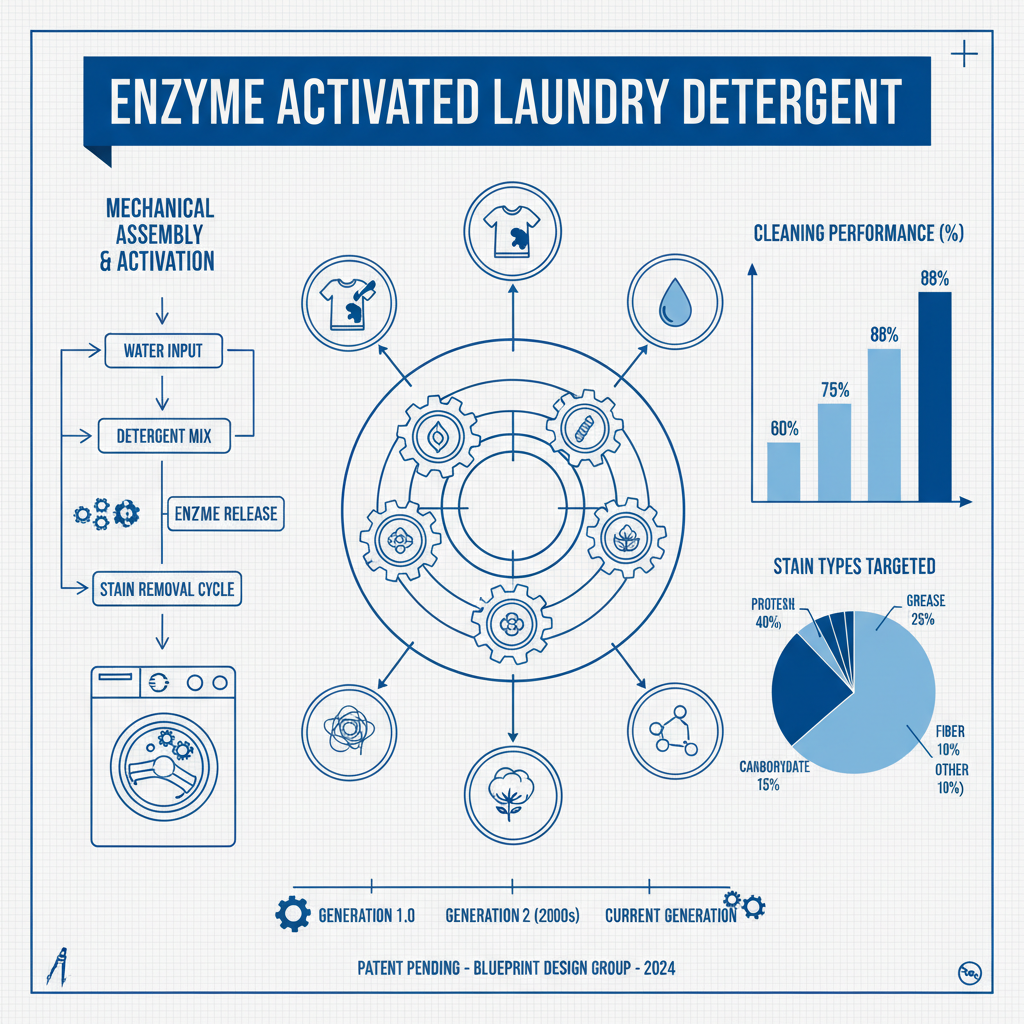
Several types of enzymes are commonly used in laundry detergents, each targeting specific stain types. The most prevalent include Protease, Amylase, Lipase, Cellulase, and Mannanase. Protease breaks down protein-based stains like blood, grass, and sweat. Amylase tackles starch-based stains from foods like potatoes, pasta, and rice. Lipase tackles fats and oils from cooking and cosmetics. Cellulase smooths fabric surfaces and removes fuzz. Mannanase breaks down mannan-based stains from foods and personal care products. The optimal blend of these enzymes determines the detergent's overall cleaning efficacy.
Enzyme Breakdown:
• Protease: Breaks down protein stains.
• Amylase: Removes starch-based stains.
• Lipase: Degrades fats and oils.
• Cellulase: Smooths fabrics and removes fuzz.
• Mannanase: Breaks down mannan stains.
Comparing Enzyme Performance: A Comprehensive Look
The effectiveness of different enzymes varies depending on the stain type, water temperature, and detergent formulation. Here’s a comparison table illustrating their relative performance against common stains. Optimizing the concentration and combination of enzymes is crucial for achieving superior cleaning results. Dyeingchem provides high quality enzyme products to meet your needs.
The Future of Enzymes in Laundry Detergents
Research and development in enzyme technology are continuously evolving. Future trends include the development of more robust enzymes that perform effectively in a wider range of conditions, including varying pH levels and water hardness. There’s also a growing focus on enzymes derived from sustainable sources and optimized for specific fabric types. Advances in biotechnology are paving the way for tailor-made enzyme blends that deliver unparalleled cleaning performance while minimizing environmental impact. Dyeingchem is committed to innovation and providing cutting-edge enzyme solutions for the laundry industry.
Product Specifications: Dyeingchem's Enzyme Range
At Dyeingchem, we offer a comprehensive range of enzymes tailored for laundry detergent formulations. Our products are characterized by high activity, stability, and purity. Here are some key specifications:
Conclusion: Embrace the Power of Enzymes
Enzymes are revolutionizing the laundry detergent industry, offering a sustainable and effective cleaning solution. By leveraging the power of nature, we can achieve superior cleaning results while minimizing our environmental footprint. Dyeingchem is proud to be at the forefront of this innovation, providing high-quality enzymes to meet the evolving needs of our customers.
Frequently Asked Questions (FAQs)
Are enzymes safe for all types of fabrics?
Generally, enzymes are safe for most commonly used fabrics like cotton, linen, polyester, and nylon. However, enzymes can damage delicate fabrics like silk and wool if used in high concentrations or at incorrect temperatures. It's crucial to follow the detergent manufacturer's instructions and test on an inconspicuous area first. Detergents formulated for delicate fabrics often contain lower enzyme levels or include enzyme inhibitors to prevent damage.
How does water temperature affect enzyme activity?
Enzymes have optimal temperature ranges for activity. While many enzymes function effectively at lower temperatures (30-40°C), activity decreases significantly at higher or lower temperatures. Extremely high temperatures can denature the enzyme, rendering it inactive. Cold water washing with enzyme-containing detergents is often sufficient for removing many stains, saving energy and protecting fabrics. The optimal temperature varies depending on the specific enzyme type.
What is the shelf life of enzyme-based laundry detergents?
The shelf life of enzyme-based laundry detergents is typically 18-24 months. However, enzyme activity gradually declines over time, especially if the product is stored in a warm or humid environment. Proper storage in a cool, dry place is essential to maintain its effectiveness. Signs of degradation include reduced cleaning power and changes in the product's appearance.
Are enzymes biodegradable and environmentally friendly?
Yes, enzymes are naturally biodegradable and considered environmentally friendly. They break down into harmless substances after use, minimizing their impact on the environment. Compared to traditional harsh chemicals, enzymes offer a more sustainable cleaning solution, contributing to reduced water pollution and lower energy consumption.