Choosing the Right Dye for Clothes Black A Comprehensive Guide to Fabric Coloration
Choosing the Right Dye for Clothes Black A Comprehensive Guide to Fabric Coloration
Choosing the Right Dye for Clothes Black: A Comprehensive Guide
Achieving a rich, lasting black color on fabrics can be surprisingly complex. Selecting the appropriate dye for clothes black depends on the fabric type, desired wash fastness, and application method. This article will explore the different types of black dyes, their strengths and weaknesses, and provide guidance on choosing the best option for your specific needs. We'll cover everything from fiber reactive dyes for cotton to acid dyes for wool and nylon, ensuring a perfect black every time.
Understanding Black Dye Chemistry
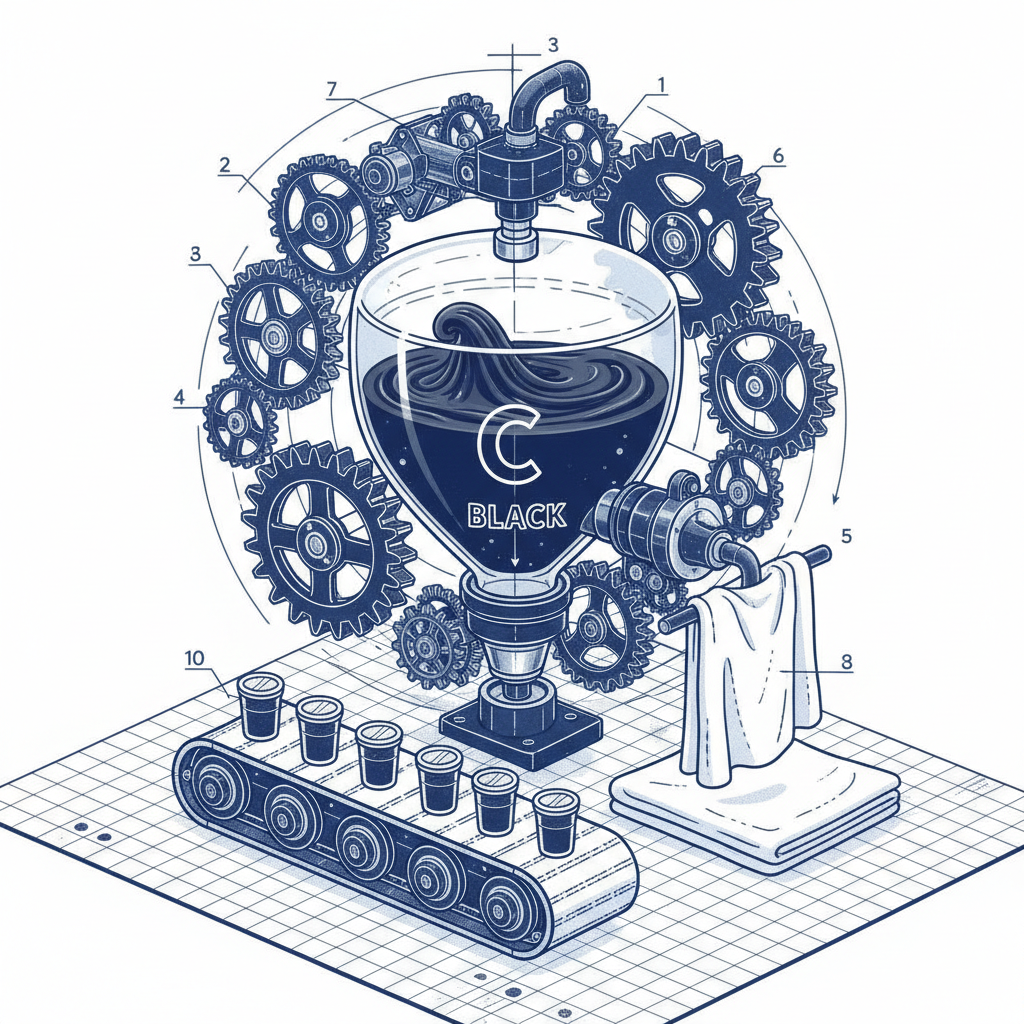
Black dyes aren’t actually a single colorant. They are usually complex mixtures of various organic dye molecules, primarily based on azo, anthraquinone, or sulfur chemistries. These mixtures are carefully formulated to absorb all wavelengths of visible light, resulting in the perception of black. Different dye classes interact differently with various fibers. For example, fiber reactive dyes form a covalent bond with cellulose fibers like cotton, providing excellent wash fastness. Acid dyes, on the other hand, rely on ionic bonding with protein fibers like wool and silk. Selecting the correct dye chemistry is crucial for achieving optimal color and durability. Dyeingchem offers a wide range of black dyes tailored to diverse fabric requirements.
Types of Dyes Suitable for Black Coloring
Several dye classes can produce black, each with its own advantages and disadvantages. These include Reactive Dyes (for cotton, linen, rayon), Acid Dyes (for wool, silk, nylon), Direct Dyes (for cotton, rayon - generally lower wash fastness), Vat Dyes (for cotton, linen – excellent wash fastness, but complex application), and Disperse Dyes (for polyester). The choice depends heavily on the fiber content of the garment. Understanding the nuances of each type is critical for a successful dye project.
Key Considerations: Fiber content, desired wash fastness, application method (hand dyeing vs. machine dyeing), and budget.
Comparing Black Dye Options for Cotton: Reactive vs. Vat vs. Direct
When dyeing cotton black, reactive dyes, vat dyes, and direct dyes are the most common choices. Reactive dyes offer excellent wash fastness and vibrant color, but require precise application and often involve a post-dyeing wash to remove unfixed dye. Vat dyes provide the highest wash fastness and are remarkably colorfast, but the dyeing process is more complex and can be time-consuming. Direct dyes are the simplest to use but offer the lowest wash fastness. The best option depends on the intended use of the garment.
Dyeing Polyester Black: The Role of Disperse Dyes
Polyester, a synthetic fiber, requires disperse dyes to achieve lasting color. Disperse dyes are finely ground insoluble dyes that are dispersed in water with the aid of dispersing agents. They penetrate the polyester fiber at high temperatures, creating a permanent bond. Achieving a deep, true black on polyester can be challenging, often requiring careful dye selection and precise temperature control. Dyeingchem's range of disperse black dyes are specifically designed for vibrant and durable polyester coloration.
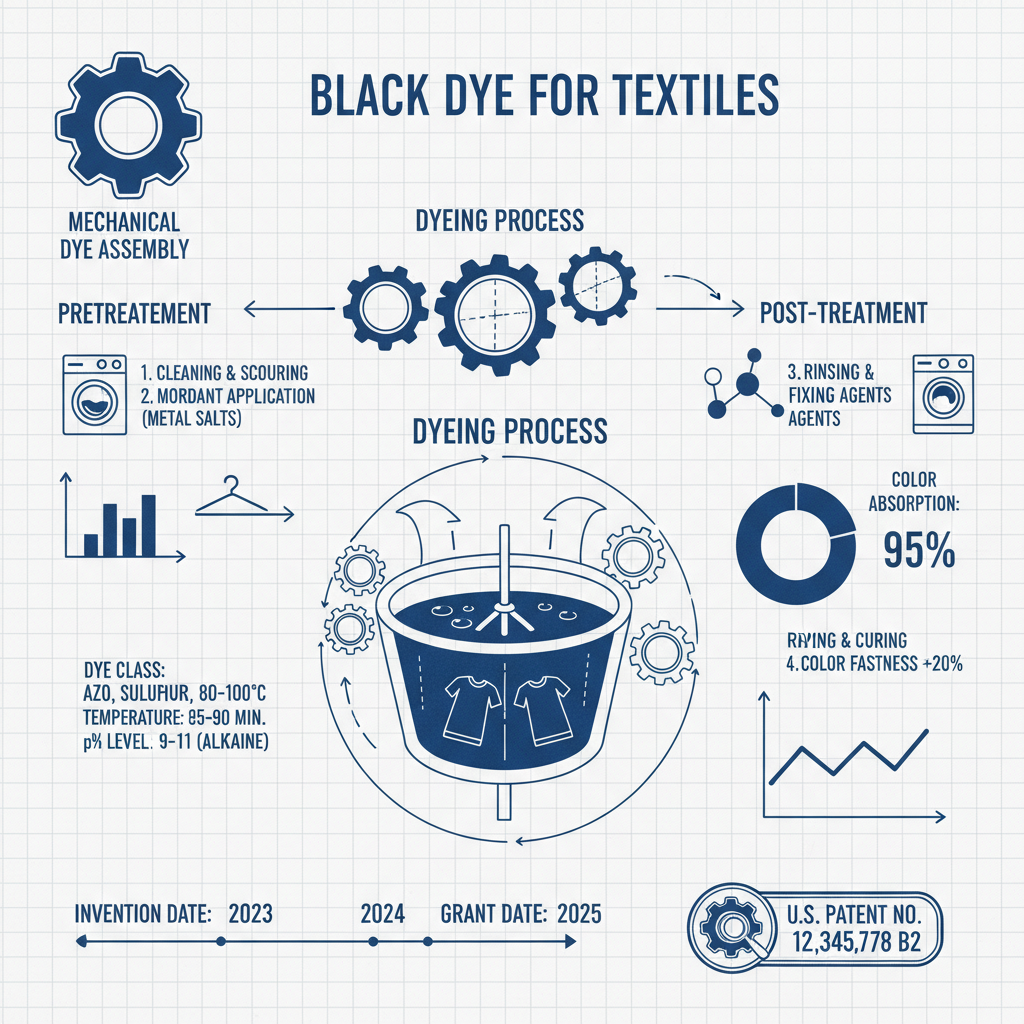
Black Dye for Clothes: Product Specifications & Considerations
When sourcing black dyes, consider factors like dye strength, particle size (especially for disperse dyes), solubility, and light fastness. Different applications require varying levels of these properties. For example, a dye intended for outdoor apparel needs higher light fastness than a dye for indoor textiles. Reviewing the product specifications provided by the manufacturer is essential to ensure the dye meets your requirements. Always follow the manufacturer's instructions regarding application temperatures, pH levels, and auxiliary chemicals.
Conclusion: Achieving the Perfect Black Dye
Selecting the right dye for clothes black requires careful consideration of fabric type, desired properties, and application method. By understanding the different dye classes and their characteristics, you can achieve consistent, high-quality black coloration. Dyeingchem provides a comprehensive range of black dyes and expert technical support to help you achieve optimal results.
Frequently Asked Questions (FAQs)
What is the best dye for black cotton clothing?
For black cotton clothing, reactive dyes are generally the best choice. They offer excellent wash fastness and vibrant color, creating a long-lasting black hue. However, proper application is crucial, including using appropriate auxiliaries and ensuring thorough rinsing to remove unfixed dye. Vat dyes are also an excellent option, offering even higher wash fastness but are more challenging to apply. Consider your experience level and desired durability when choosing between these two.
How can I improve the wash fastness of black dye on cotton?
Several factors contribute to wash fastness. Ensure proper dye fixation by following the dye manufacturer's instructions regarding temperature, pH, and dyeing time. Using a dye fixative after dyeing can also significantly improve wash fastness by forming a complex with the dye molecules, preventing them from bleeding out during washing. Thorough rinsing is also essential to remove any unfixed dye. Finally, washing the dyed garment in cold water with a mild detergent will help preserve the color.
Can I use the same black dye for different fabric types?
No, using the same black dye for different fabric types is generally not recommended. Different fibers require different dye chemistries to achieve optimal results. For instance, a reactive dye suitable for cotton will not effectively dye polyester. Using the wrong dye can result in poor color fastness, uneven dyeing, and a dull or washed-out appearance. Always select a dye specifically designed for the fabric you are dyeing.
What precautions should I take when working with black dyes?
Always wear appropriate personal protective equipment (PPE), including gloves, safety glasses, and a mask, when working with dyes. Some dyes can cause skin irritation or respiratory problems. Work in a well-ventilated area to avoid inhaling dye dust or fumes. Avoid contact with eyes and skin. In case of contact, rinse thoroughly with water. Dispose of dye waste responsibly according to local regulations.