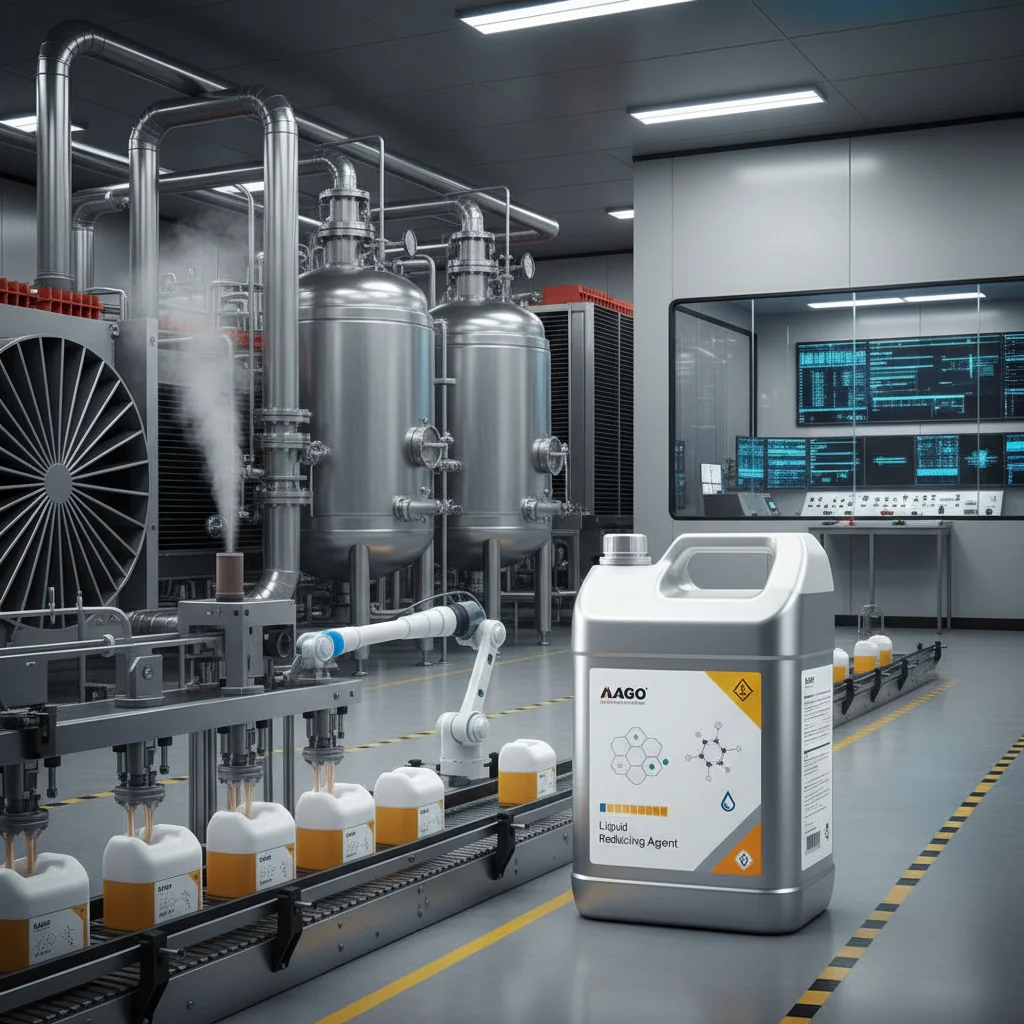
The Critical Role of Auxiliaries Chemicals in Modern Industrial Processes
The Critical Role of Auxiliaries Chemicals in Modern Industrial Processes
Understanding the Role of Auxiliaries Chemicals in Modern Industries
In the dynamic world of manufacturing, particularly within industries like textiles, leather, and detergents, auxiliaries chemicals play a critical, yet often understated, role. These substances aren't the primary components of the final product but are essential for optimizing processes, improving quality, and achieving desired performance characteristics. This article dives deep into the world of auxiliaries chemicals, exploring their diverse applications, benefits, key considerations for selection, and future trends. We’ll illuminate how these chemicals are vital for success in competitive global markets.

What are Auxiliaries Chemicals?
Simply put, auxiliaries chemicals are additives used during various manufacturing stages to enhance the effectiveness of main processing chemicals or to impart specific properties to the final product. They don’t directly contribute to the bulk of the product’s composition. Instead, they function as facilitators, enabling efficient and high-quality production. Examples include wetting agents, dispersing agents, leveling agents, fixing agents, anti-foaming agents, and more. Dyeingchem.com offers a wide range of these critical components for diverse applications.
Key Takeaway: Auxiliaries chemicals are essential additives that enhance manufacturing processes and product quality, without being main components of the final product.
Diverse Applications of Auxiliaries Chemicals
The application spectrum of auxiliaries chemicals is incredibly broad. In the textile industry, they are crucial for pre-treatment (scouring, bleaching), dyeing, printing, and finishing processes. They improve dye uptake, colorfastness, and fabric softness. In the leather industry, they facilitate tanning, dyeing, and finishing, impacting the leather’s softness, water resistance, and overall quality. The detergent industry relies on auxiliaries chemicals like surfactants, enzymes, and builders to enhance cleaning power and stain removal. Other industries, including paper, paints, and adhesives, also heavily utilize these chemicals.
Application Areas:
• Textile Processing (dyeing, printing, finishing)
• Leather Manufacturing (tanning, dyeing, finishing)
• Detergent Production (cleaning, stain removal)
• Paper & Pulp Industry (sizing, coating)
Key Benefits of Utilizing Auxiliaries Chemicals
Employing the right auxiliaries chemicals brings a multitude of benefits. These include improved process efficiency, reduced manufacturing costs, enhanced product quality, increased colorfastness, improved fabric hand feel, better dye leveling, and reduced water and energy consumption. By optimizing chemical interactions, manufacturers can achieve superior results with less waste and a smaller environmental footprint. Choosing the right supplier, like Dyeingchem, is crucial for realizing these advantages.
Comparing Different Types of Auxiliaries Chemicals
Understanding the differences between various types of auxiliaries is vital for optimal application. Here's a comparison of some common categories:
Considerations When Selecting Auxiliaries Chemicals
Choosing the right auxiliaries chemicals requires careful consideration. Factors include the specific application, the type of material being processed, compatibility with other chemicals, environmental impact, and cost-effectiveness. It’s crucial to select products from reputable suppliers that provide technical support and quality control. Sustainability is also becoming increasingly important, with demand for eco-friendly and biodegradable options on the rise. Dyeingchem.com provides detailed product information and expert guidance to help you make informed decisions.
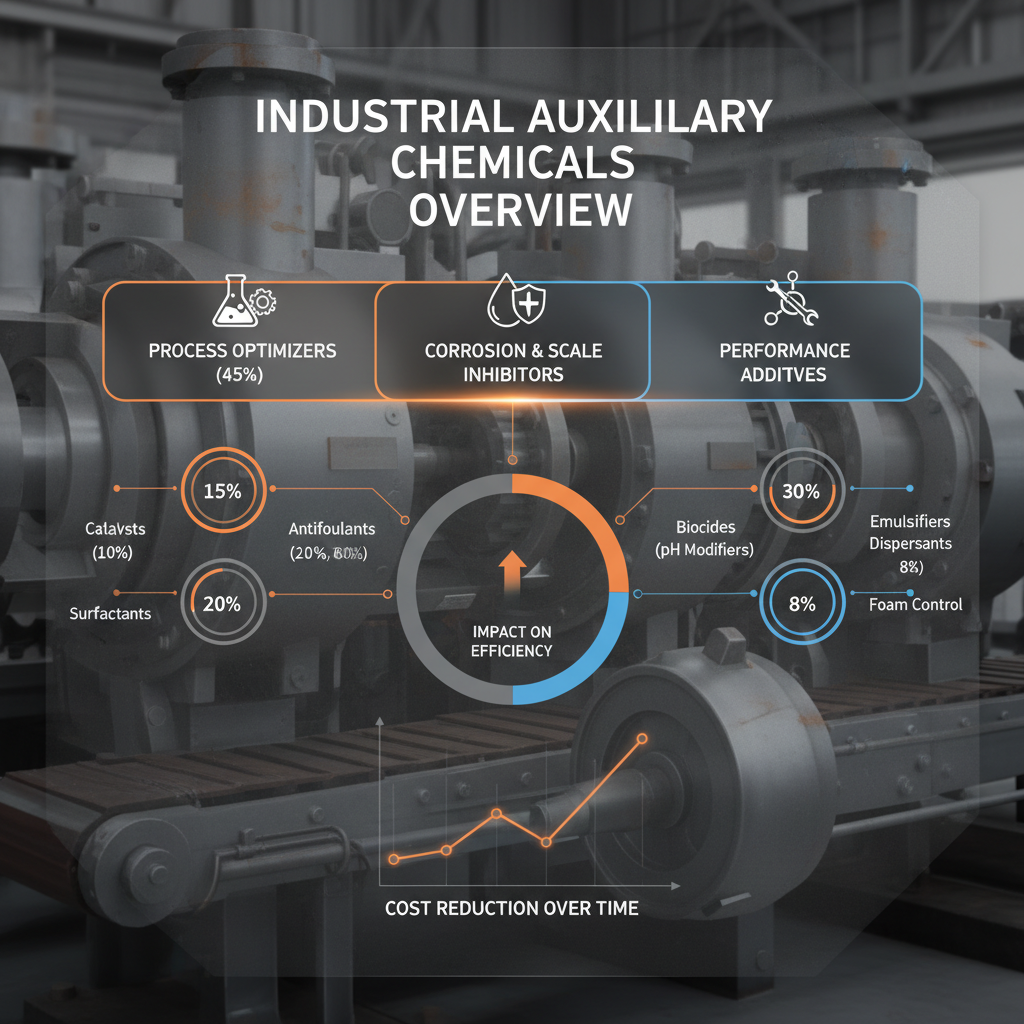
Conclusion: The Unsung Heroes of Modern Manufacturing
In conclusion, auxiliaries chemicals are indispensable components in a wide range of industries. Their ability to optimize processes, enhance product quality, and reduce environmental impact makes them critical for success in today's competitive market. Selecting the right auxiliaries and a reliable supplier is paramount to achieving optimal results and fostering sustainable manufacturing practices.
Frequently Asked Questions (FAQs)
What is the environmental impact of auxiliaries chemicals?
The environmental impact varies greatly depending on the specific chemical. Traditionally, some auxiliaries have contained harmful substances. However, there's a growing trend towards eco-friendly alternatives, such as biodegradable surfactants and formaldehyde-free fixing agents. Choosing suppliers committed to sustainable practices and looking for certifications like OEKO-TEX Standard 100 can minimize the environmental footprint. Proper wastewater treatment is also crucial to prevent pollution.
How do I determine the correct dosage of an auxiliary chemical?
The optimal dosage depends on various factors, including the type of material, the process conditions, and the desired effect. It's essential to follow the manufacturer's recommendations and perform trial runs to determine the most effective dosage. Overuse can lead to increased costs and potential environmental issues, while underuse may result in suboptimal performance. Consulting with a technical expert from a reputable supplier like Dyeingchem can provide valuable guidance.
Are auxiliaries chemicals compatible with all types of dyes?
No, not all auxiliaries are compatible with all dyes. Compatibility depends on the chemical structures of both the dye and the auxiliary. Some auxiliaries can react negatively with certain dyes, leading to color variations, reduced colorfastness, or even precipitation. Always check the compatibility charts provided by the dye and auxiliary manufacturers before using them together. Testing a small sample is always recommended to ensure compatibility.