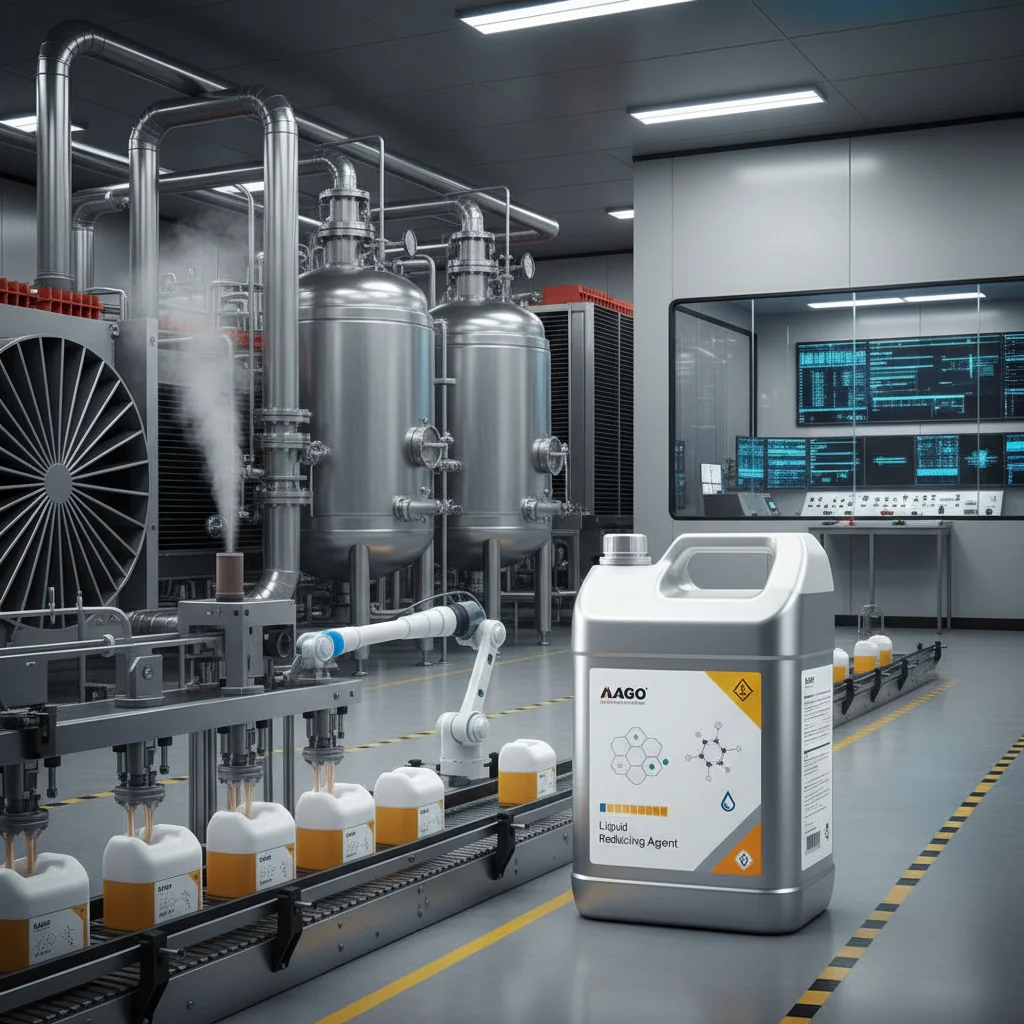
Comprehensive Guide to Dyeing Auxiliary Agents for Optimal Textile Results
Comprehensive Guide to Dyeing Auxiliary Agents for Optimal Textile Results
Understanding Dyeing Auxiliary Agents: A Comprehensive Guide
Dyeing auxiliary agents are crucial components in the textile industry, playing a vital role in achieving optimal dyeing results. These chemicals enhance the dyeing process, improving color fastness, leveling, and overall fabric quality. Choosing the right dyeing auxiliary is essential for efficient and cost-effective production. This article delves into the world of dyeing auxiliaries, exploring their types, functions, and applications, offering insights for textile professionals. We'll examine how these agents contribute to vibrant, durable, and high-quality textiles.
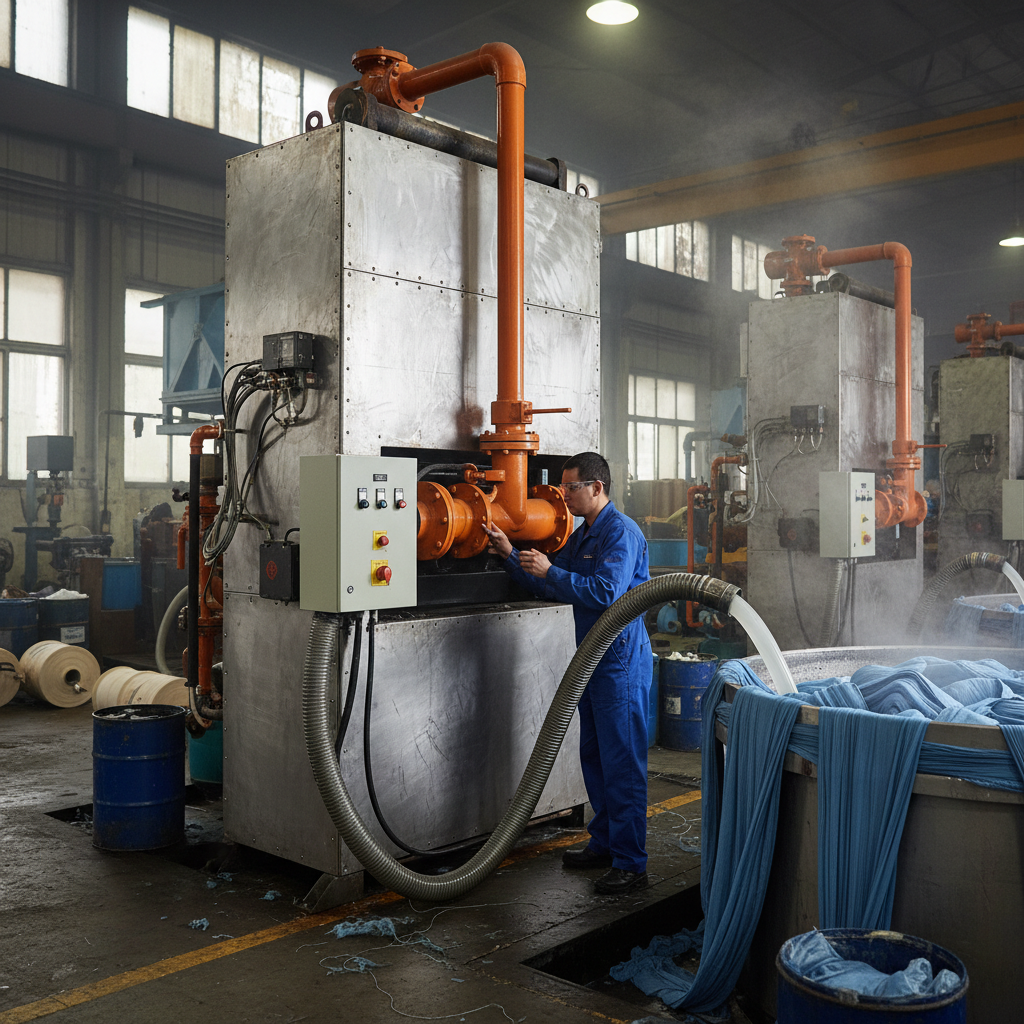
What are Dyeing Auxiliary Agents?
Dyeing auxiliary agents are chemicals added to the dye bath to assist in the dyeing process. They don't directly impart color but rather facilitate the interaction between the dye and the fiber. These agents address challenges such as poor dye solubility, uneven dye distribution, and inadequate color fixation. The choice of auxiliary depends on factors like fiber type, dye class, and desired dyeing properties. Proper selection and application of these agents are paramount for achieving consistent and reproducible results. Visit Dyeingchem for a comprehensive range of high-quality dyeing auxiliaries.
Key Benefits: Improved dye solubility, enhanced leveling, increased color fastness, optimized dye uptake, and reduced environmental impact.
Types of Dyeing Auxiliary Agents
Dyeing auxiliaries are categorized based on their function. Common types include:
- Wetting Agents: Reduce surface tension, enabling faster and more uniform dye penetration.
- Dispersing Agents: Keep insoluble dyes suspended in the dye bath, preventing aggregation.
- Leveling Agents: Promote even dye distribution across the fabric, minimizing shade variations.
- Fixing Agents: Improve dye-fiber bonding, enhancing color fastness to washing and light.
- Sequestering Agents: Prevent metal ions from interfering with the dyeing process.
- Defoamers: Control foam formation, ensuring efficient dye bath circulation.
Each agent plays a specific role in achieving desired dyeing outcomes. Understanding these roles is vital for selecting the correct auxiliaries for each application.
Agent Function Breakdown:
• Wetting agents reduce surface tension.
• Dispersing agents keep dyes suspended.
• Leveling agents promote even dye distribution.
• Fixing agents enhance color fastness.
Dyeing Auxiliary Agents by Fiber Type
The optimal dyeing auxiliaries vary based on the fiber being dyed. Different fibers have unique properties influencing dye uptake and affinity.
Selecting the Right Dyeing Auxiliary: Key Considerations
Choosing the appropriate dyeing auxiliaries requires careful consideration. Factors to evaluate include fiber type, dye class, water quality, and desired color fastness properties. Compatibility between auxiliaries is also crucial to avoid unwanted interactions. It's important to consult with chemical suppliers and conduct thorough testing to ensure optimal performance. Dyeingchem provides expert guidance and technical support to assist in selecting the ideal auxiliaries for your specific needs.
Sustainability and Dyeing Auxiliary Agents
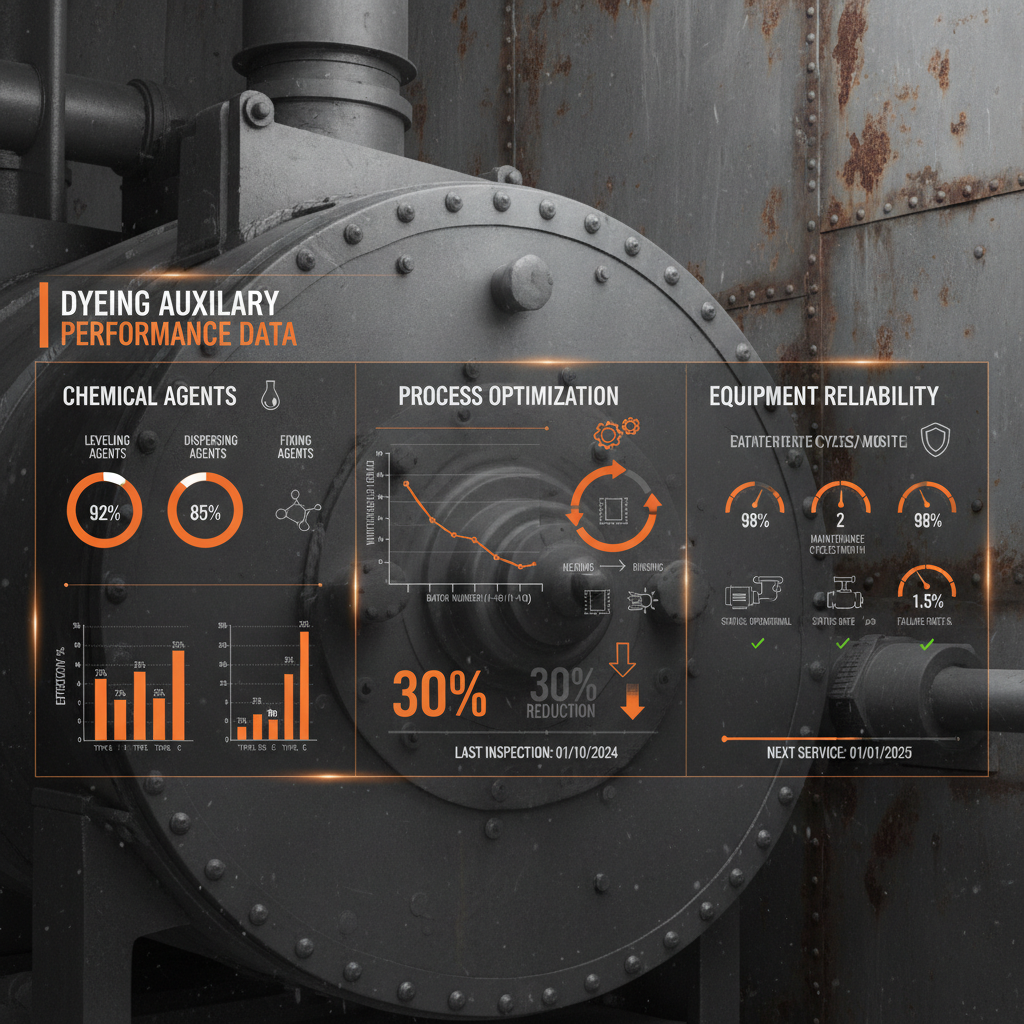
The textile industry is increasingly focused on sustainability. Selecting environmentally friendly dyeing auxiliaries is essential for minimizing the ecological impact. Look for products with low VOC content, biodegradability, and reduced toxicity. Many modern auxiliaries are designed to reduce water consumption and energy usage in the dyeing process. Dyeingchem is committed to offering sustainable solutions for the textile industry.
Conclusion: Mastering Dyeing with the Right Auxiliaries
Choosing the right dyeing auxiliary agents is fundamental to achieving high-quality, consistent, and sustainable dyeing results. By understanding the different types of auxiliaries, their functions, and their compatibility with various fibers and dyes, textile professionals can optimize their dyeing processes. Investing in quality auxiliaries from a reputable supplier like Dyeingchem ensures both product performance and environmental responsibility.
Frequently Asked Questions (FAQs)
What is the proper dosage of a leveling agent?
The optimal dosage of a leveling agent varies depending on the dye class, fiber type, and desired leveling effect. Generally, dosages range from 0.5% to 2% O.W.F (on weight of fabric). It's crucial to follow the manufacturer's recommendations and perform trials to determine the ideal concentration. Overdosing can lead to poor color fastness, while underdosing may result in uneven dyeing. Accurate weighing and proper dispersion of the leveling agent are essential for achieving consistent results.
Can I mix different types of dyeing auxiliaries?
Mixing dyeing auxiliaries can be done, but requires caution. Some auxiliaries may be incompatible and cause precipitation, reduced effectiveness, or even damage to the fabric. Always check the compatibility information provided by the manufacturers. Start with small-scale tests to ensure no adverse reactions occur before scaling up to a full production run. In general, it's best to add auxiliaries one by one to the dye bath, allowing sufficient time for each to dissolve and disperse properly.
What are the benefits of using sequestering agents?
Sequestering agents are essential for removing metal ions (like calcium and magnesium) from the water used in dyeing. These metal ions can interfere with dye-fiber bonding, causing shade variations and reduced color fastness. By complexing with these ions, sequestering agents prevent them from reacting with the dye, resulting in more reproducible and vibrant colors. They are particularly important when using hard water or dyeing with reactive dyes.
How can I reduce foam formation during dyeing?
Foam formation can hinder dye bath circulation and lead to uneven dyeing. Defoamers are used to break down existing foam and prevent its formation. Factors contributing to foam include agitation, temperature, and the presence of certain auxiliaries. Using a defoamer at the appropriate dosage, typically 0.1% to 0.5% O.W.F., will effectively control foam. Avoiding excessive agitation and selecting auxiliaries with low foaming tendencies can also help minimize foam issues.