Optimizing Fabric Production with Advanced Textile Auxiliary Agent Solutions
Optimizing Fabric Production with Advanced Textile Auxiliary Agent Solutions
Understanding Textile Auxiliary Agents for Enhanced Fabric Production
In the dynamic world of textile manufacturing, achieving optimal fabric quality and processing efficiency relies heavily on the use of specialized chemicals known as textile auxiliary agents. These agents play a critical role in various stages of textile production, from pre-treatment to finishing, influencing properties like dye uptake, softness, and durability. This article delves into the types, applications, and benefits of textile auxiliary agents, providing a comprehensive guide for industry professionals seeking to optimize their processes. Selecting the right auxiliary agents can significantly improve product quality and reduce operational costs.

What are Textile Auxiliary Agents?
Textile auxiliary agents are chemical compounds added to textile processing stages to enhance the performance of dyes, improve fabric properties, and facilitate efficient production. They don't directly impart color to the fabric but are essential for achieving desired results. These agents act as processing aids, ensuring uniform application of dyes, improving fabric handle, and enhancing overall quality. The categories are diverse, including wetting agents, dispersing agents, leveling agents, and fixing agents, each designed for a specific function. Without these agents, many modern textile processes would be impractical or yield substandard results.
Key Highlights: Textile auxiliary agents are crucial for enhancing dye performance, improving fabric properties, and optimizing textile production processes. They act as processing aids, facilitating efficient and high-quality results.
Types of Textile Auxiliary Agents
The range of textile auxiliary agents is extensive, catering to diverse needs throughout the textile process. Some key types include:
- Wetting Agents: Reduce surface tension, allowing liquids to penetrate fabric more easily.
- Dispersing Agents: Keep dyes evenly distributed in the processing bath, preventing aggregation.
- Leveling Agents: Promote uniform dye absorption, resulting in even coloration.
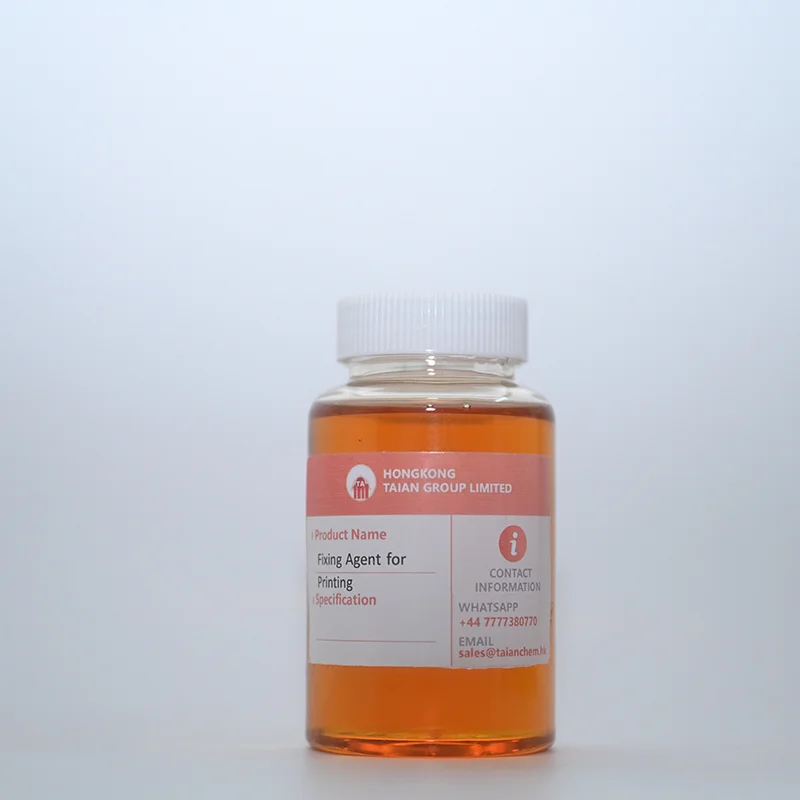
- Fixing Agents: Improve dye fastness, preventing color bleeding during washing.
- Softeners: Enhance fabric handle and drape.
- Finishing Agents: Provide specific properties like water repellency or wrinkle resistance.
Understanding the function of each type is critical for selecting the right agent for a specific application. Dyeingchem.com offers a comprehensive catalog of these agents, tailored to various textile needs.
The Role of Textile Auxiliary Agents in Pre-treatment
Pre-treatment processes, such as scouring, bleaching, and mercerization, are essential for preparing fabrics for dyeing and finishing. Textile auxiliary agents play a crucial role in these stages. For instance, wetting agents improve the penetration of scouring liquors, ensuring thorough removal of impurities like waxes and oils. Bleaching agents are often combined with stabilizers to prevent fabric damage. Effective pre-treatment results in cleaner, more receptive fabrics, leading to better dye uptake and improved final product quality.
Pre-treatment Benefits with Auxiliary Agents:
• Enhanced removal of impurities
• Improved fabric receptivity to dyes
• Increased dye uptake and color yield
• Better overall fabric quality
Comparing Different Types of Softeners
Softening agents are vital for enhancing the handle and drape of fabrics. They can be categorized into several types, each with distinct characteristics:
Environmental Considerations and Sustainable Practices
The textile industry is increasingly focused on sustainability. When selecting textile auxiliary agents, it's essential to consider their environmental impact. Look for products that are biodegradable, low in VOCs (volatile organic compounds), and produced using environmentally friendly processes. Responsible manufacturers are developing innovative, sustainable alternatives that minimize pollution and conserve resources. Dyeingchem.com is committed to offering a range of eco-friendly auxiliary agents to support sustainable textile production.
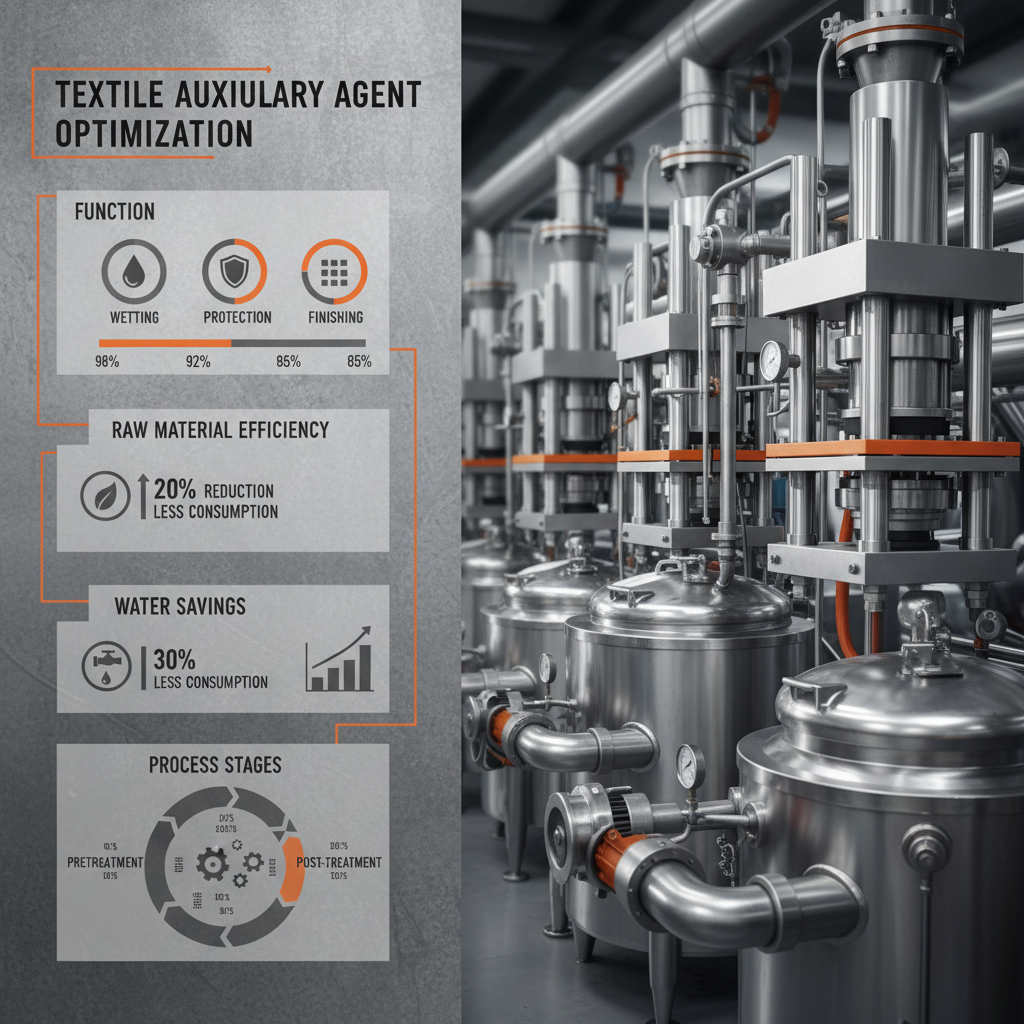
Conclusion: Optimizing Textile Production with the Right Auxiliaries
The selection and application of textile auxiliary agents are fundamental to achieving high-quality, efficient, and sustainable textile production. By understanding the different types of agents, their functions, and their environmental impact, manufacturers can optimize their processes and deliver superior products. Investing in the right auxiliaries not only enhances fabric properties but also contributes to a more responsible and eco-conscious industry. For a comprehensive range of reliable and innovative textile auxiliary agents, explore the offerings at Dyeingchem.com.
Frequently Asked Questions (FAQs)
What factors should I consider when choosing a wetting agent?
Several factors influence the choice of a wetting agent, including the fiber type, the scouring process, and the desired level of wetting. For hydrophobic fibers like polyester, stronger wetting agents are needed compared to hydrophilic fibers like cotton. Consider the agent's compatibility with other chemicals in the process and its environmental profile. It's also important to assess its foaming characteristics, as excessive foaming can interfere with processing. The right wetting agent ensures even distribution of the processing bath, leading to thorough cleaning and preparation of the fabric.
How do dispersing agents prevent dye aggregation?
Dispersing agents work by surrounding dye particles and creating a repulsive force between them, preventing them from clumping together (aggregating). This is achieved through the agent's molecular structure, which has both hydrophilic and hydrophobic portions. The hydrophobic portion attaches to the dye particle, while the hydrophilic portion interacts with the water, keeping the dye suspended and evenly distributed. This prevents uneven dyeing and ensures optimal color yield. Without proper dispersion, dye aggregation can lead to speckling, shading variations, and reduced color strength.
What is the purpose of a leveling agent in dyeing?
Leveling agents promote uniform dye absorption by slowing down the initial rate of dyeing and encouraging migration of the dye molecules to less saturated areas of the fabric. They achieve this by creating a temporary affinity between the dye and the agent, preventing rapid exhaustion of the dye bath. This results in even coloration and minimizes shading variations, especially in challenging dyeing situations like those involving blends of different fibers or uneven fabric construction. The use of a suitable leveling agent is critical for achieving consistent and high-quality dyeing results.