Comprehensive Guide to Dyeing Auxiliaries and Accessing PDF Resources
Comprehensive Guide to Dyeing Auxiliaries and Accessing PDF Resources
Understanding Dyeing Auxiliaries: A Comprehensive Guide & PDF Resources
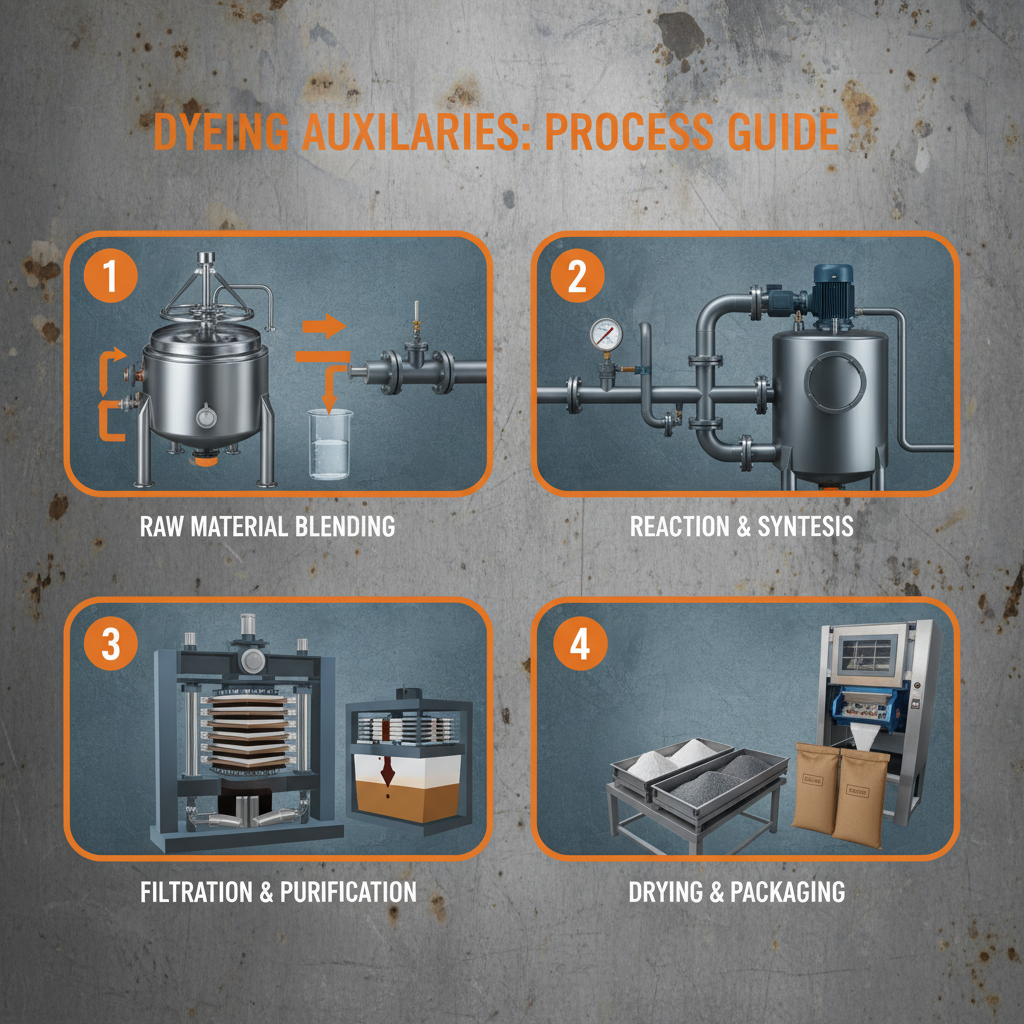
Dyeing auxiliaries are essential components in the textile industry, playing a crucial role in achieving optimal dyeing results. These chemical substances aren't dyes themselves, but they significantly impact the dyeing process, influencing colorfastness, levelness, and overall efficiency. This article provides an in-depth look at dyeing auxiliaries, their types, applications, and how to access valuable resources like dyeing auxiliaries PDF documentation. Choosing the right auxiliaries can dramatically improve the quality and sustainability of textile production. Dyeingchem.com offers a wide range of these essential chemicals.
What are Dyeing Auxiliaries and Why are They Important?
Dyeing auxiliaries encompass a broad range of chemicals used at various stages of the dyeing process. Their functions are diverse, including improving dye solubility, enhancing dye penetration into fibers, controlling pH, preventing dye aggregation, and improving the overall fastness properties of the dyed material. Without these auxiliaries, achieving consistent, high-quality dyeing results would be extremely challenging. They minimize defects, reduce water and energy consumption, and contribute to environmentally responsible textile production. The specific auxiliaries used depend on the fiber type, dye class, and desired dyeing effect.
Key Benefits: Improved dye solubility, enhanced dye penetration, controlled pH, minimized dye aggregation, and enhanced colorfastness.
Types of Dyeing Auxiliaries
The world of dyeing auxiliaries is vast. Here's a breakdown of some key categories:
- Wetting Agents: Reduce surface tension, allowing dyes to penetrate fibers more easily.
- Dispersing Agents: Prevent dye aggregation, ensuring even distribution.
- Leveling Agents: Promote uniform dye uptake, minimizing shade variations.
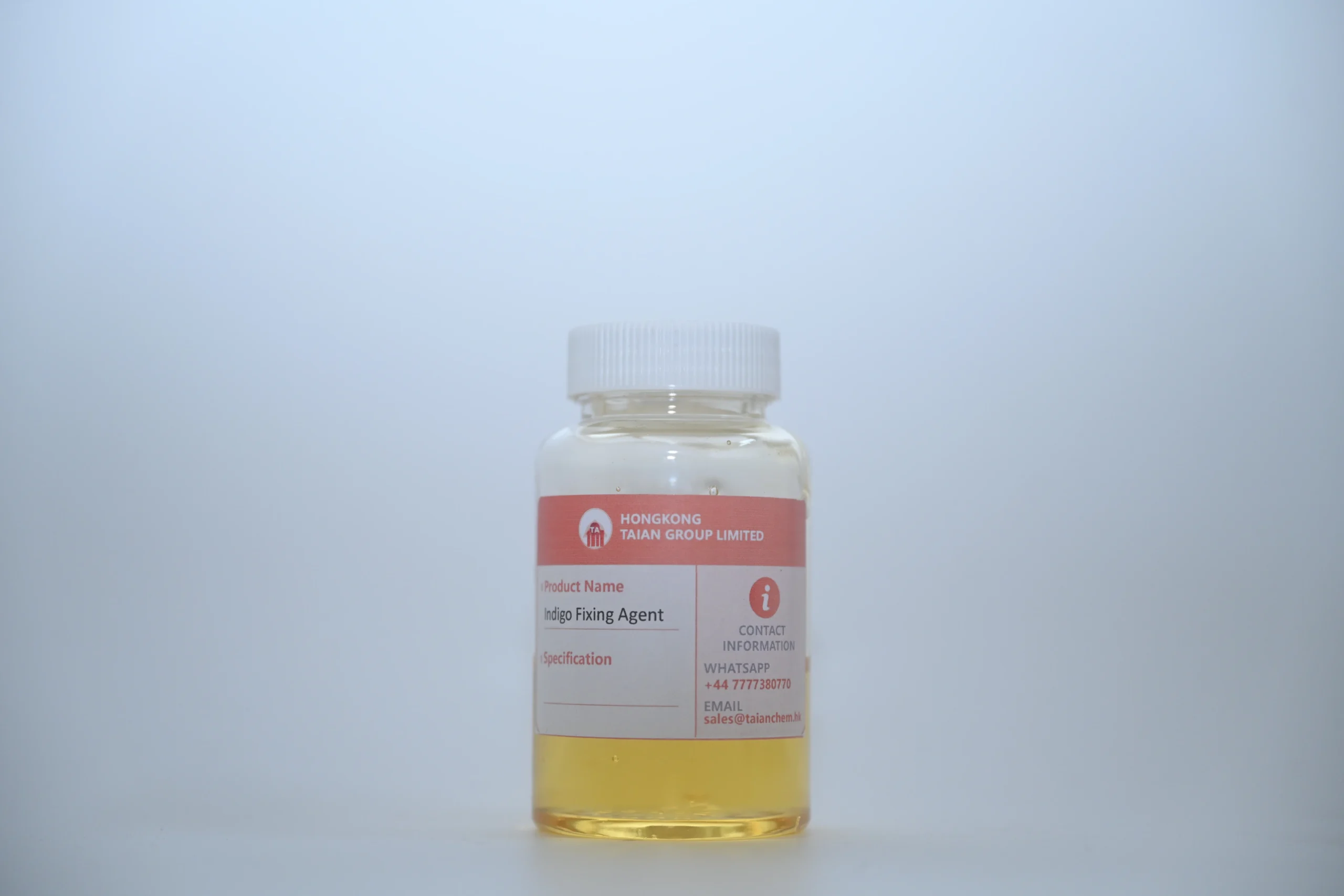
- Fixing Agents: Improve dye fastness to washing, light, and rubbing.
- Sequestering Agents: Bind metal ions that can interfere with the dyeing process.
- Defoamers: Prevent foam formation, which can hinder dye penetration.
Dyeing Auxiliaries PDF: Accessing Technical Information
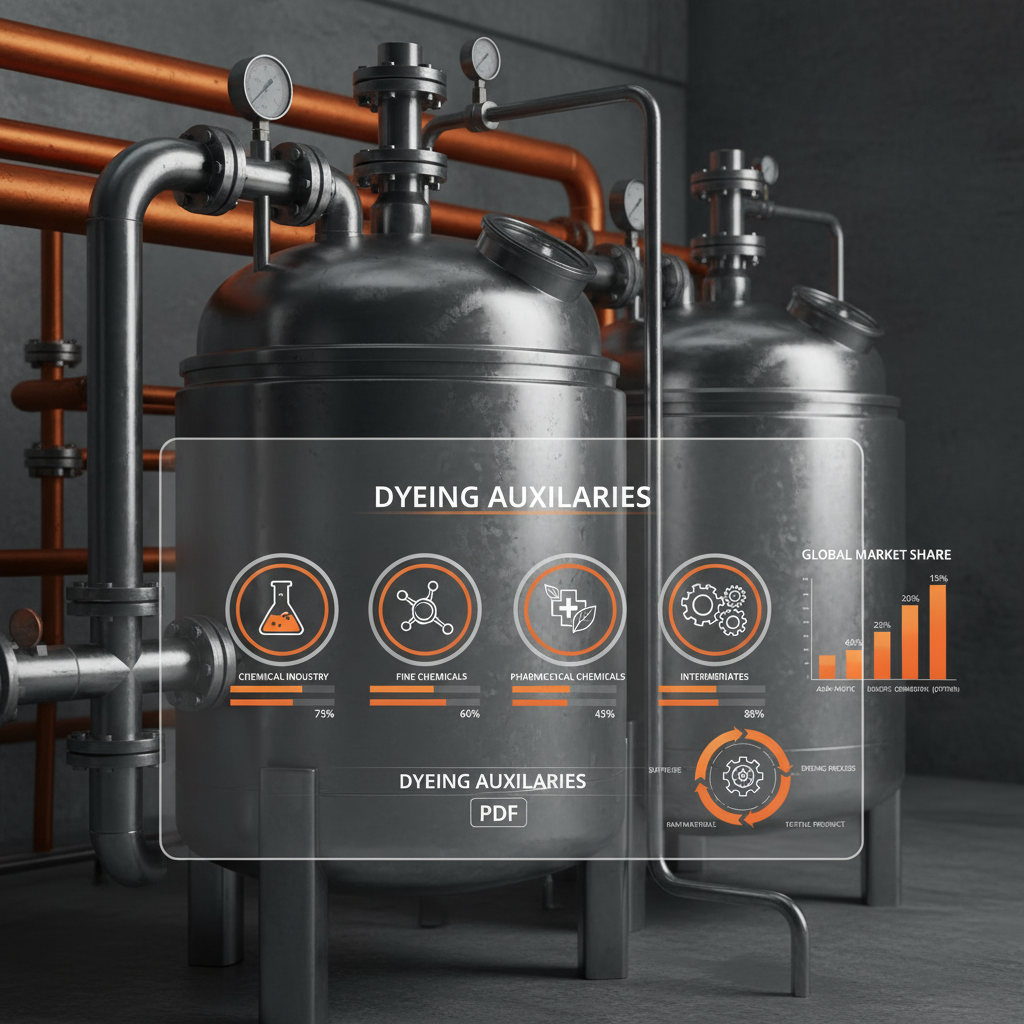
Finding reliable technical data on dyeing auxiliaries is crucial for optimal results. Dyeingchem.com provides comprehensive dyeing auxiliaries PDF datasheets, including product specifications, application guidelines, safety information, and more. These PDFs are invaluable for understanding the properties of each auxiliary and ensuring proper usage. Always review the safety data sheet (SDS) before handling any chemical.
Comparing Common Dyeing Auxiliaries
Different auxiliaries have different properties and applications. The table below compares some commonly used options:
Choosing the Right Dyeing Auxiliary Supplier
Selecting a reliable supplier is crucial. Dyeingchem.com is a trusted source for high-quality dyeing auxiliaries, offering a wide range of products, competitive pricing, and excellent technical support. Look for suppliers who provide detailed product information, safety data sheets, and application guidelines. Consider their commitment to sustainability and ethical sourcing practices as well. A responsive and knowledgeable supplier can help you optimize your dyeing processes and achieve the best possible results.
Conclusion: Mastering Dyeing with the Right Auxiliaries
Successfully navigating the world of textile dyeing relies heavily on understanding and utilizing the correct dyeing auxiliaries. Dyeingchem.com provides the resources and products you need to optimize your processes, enhance quality, and achieve sustainable results. Leverage the available dyeing auxiliaries PDF documentation and expert support to unlock the full potential of your dyeing operations.
Frequently Asked Questions (FAQs)
What factors should I consider when choosing a wetting agent?
Several factors are important. Consider the fiber type being dyed, as different fibers require different wetting agents. Also, the dye class plays a role; some wetting agents are better suited for specific dyes. The water quality (hardness and pH) can also influence wetting agent performance. Finally, consider the desired speed of wetting – some wetting agents provide faster results than others. Always consult the supplier's recommendations for optimal compatibility.
How do dispersing agents prevent dye aggregation?
Dispersing agents work by creating a repulsive force between dye particles. They adsorb onto the surface of the dye particles, imparting a negative charge. Since like charges repel, this prevents the particles from clumping together, maintaining a stable dispersion. This is particularly important for disperse dyes, which are inherently insoluble in water and prone to aggregation. Proper dispersion ensures uniform dye distribution and level dyeing.
Are dyeing auxiliaries environmentally friendly?
The environmental impact of dyeing auxiliaries varies. Many manufacturers are developing more sustainable options, such as biodegradable auxiliaries and those with lower VOC (volatile organic compound) content. Choosing auxiliaries that comply with environmental regulations (like REACH) and prioritizing suppliers with strong sustainability practices are crucial steps towards minimizing the environmental footprint of textile dyeing. Dyeingchem.com offers a range of eco-friendly auxiliaries.