Understanding the Roles of Oxidising Agent and Reducing Agent in Chemical Processes
Understanding the Roles of Oxidising Agent and Reducing Agent in Chemical Processes
Understanding Oxidising Agent and Reducing Agent in Chemical Reactions
In the realm of chemistry, understanding oxidation and reduction is fundamental. These reactions are ubiquitous, underpinning processes from corrosion to energy production. Central to these reactions are oxidising agents and reducing agents – substances that drive the transfer of electrons. This article will delve into the specifics of these agents, exploring their roles, identification, and real-world applications. We will aim to explain these concepts in a clear and accessible manner, even for those with limited chemical background.
What is an Oxidising Agent?
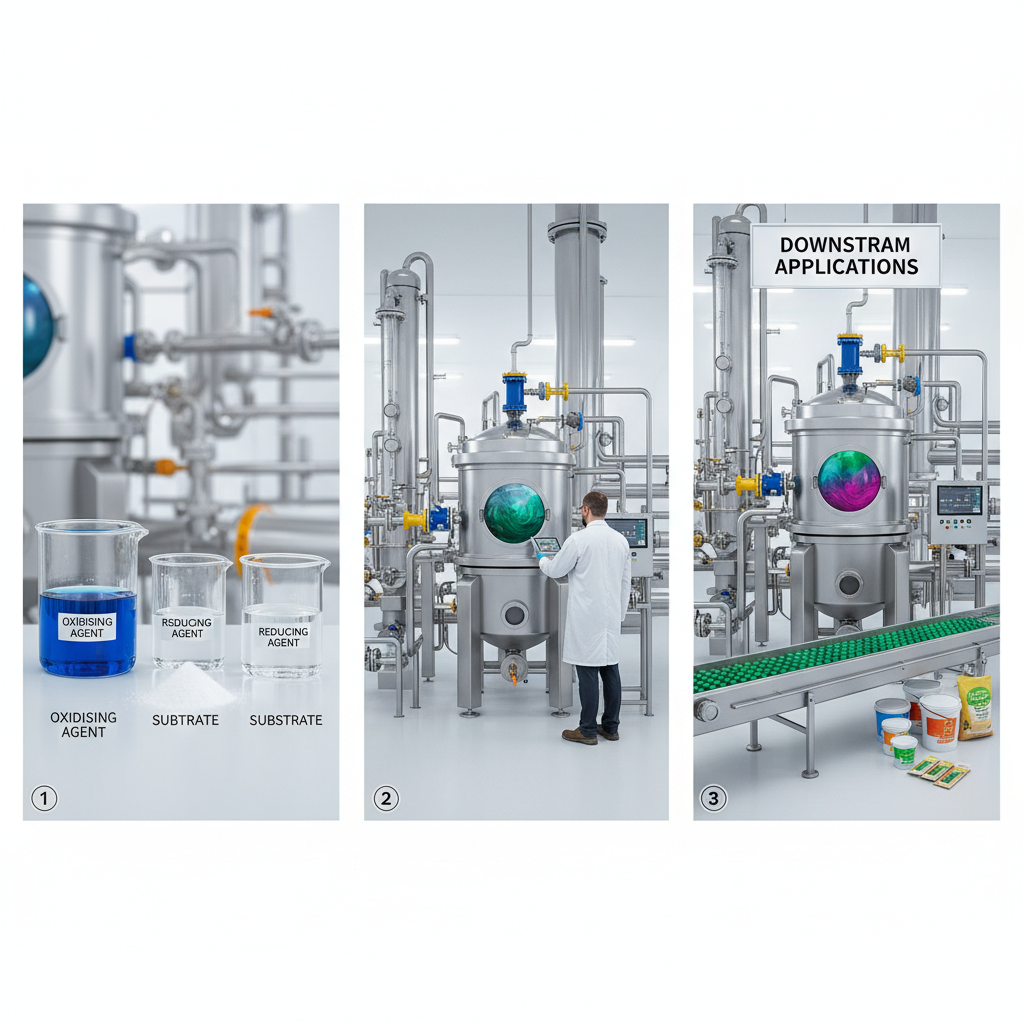
An oxidising agent (also known as an oxidant) is a substance that gains electrons during a chemical reaction, causing another substance to be oxidised. In essence, it accepts electrons. This acceptance often involves a reduction in the oxidation state of the oxidising agent itself. Common oxidising agents include oxygen, halogens (like chlorine and bromine), and potassium permanganate. Their ability to readily accept electrons makes them crucial in various industrial processes, such as bleaching, disinfection, and metal refining. Understanding how these agents function is key to controlling and optimizing these reactions.
Key Characteristics: Accepts electrons, causes oxidation of another substance, its own oxidation state is reduced.
What is a Reducing Agent?
Conversely, a reducing agent (also known as a reductant) is a substance that donates electrons during a chemical reaction, causing another substance to be reduced. This donation results in an increase in the oxidation state of the reducing agent. Common reducing agents include metals (like zinc and iron), hydrogen, and carbon monoxide. These agents are vital in applications like metal extraction, food preservation, and the synthesis of various chemical compounds. Recognizing the role of reducing agents is essential for comprehending the mechanisms of numerous chemical transformations.
Reducing Agent Benefits:
• Donates electrons
• Causes reduction of another substance
• Its own oxidation state is increased
• Crucial in metal extraction and synthesis.
Oxidising Agent and Reducing Agent: A Comparative Table
To further clarify the differences, here's a comparative table outlining the key characteristics of oxidising and reducing agents:
Applications in the Dyeing Industry
The principles of oxidation and reduction are central to many processes in the dyeing industry. For instance, hydrogen peroxide (an oxidising agent) is used for bleaching fabrics, preparing them for dye absorption. Conversely, reducing agents like sodium hydrosulfite are used in vat dyeing, converting insoluble dyes into soluble forms that can penetrate the fabric. At Dyeingchem, we supply a range of high-quality chemicals, including both oxidising and reducing agents, tailored to meet the diverse needs of the textile industry. Proper control of these agents ensures vibrant, long-lasting colouration.

Factors Affecting Oxidising and Reducing Agent Strength
The strength of an oxidising or reducing agent isn’t simply an inherent property. It’s influenced by several factors. The concentration of the agent is critical – higher concentrations generally lead to faster reaction rates. Temperature also plays a role, with increased temperatures typically enhancing reactivity. pH levels can significantly impact the effectiveness of certain agents, as they affect the electron transfer process. Furthermore, the presence of catalysts can accelerate reactions, requiring less agent to achieve the desired outcome. Understanding these factors is crucial for optimizing chemical processes and ensuring consistent results.
Conclusion: The Importance of Understanding Redox Reactions
The concepts of oxidising and reducing agents are foundational to chemistry and have widespread applications in numerous industries. By understanding the principles of redox reactions and the factors influencing agent strength, we can optimize chemical processes, improve product quality, and develop innovative solutions. Dyeingchem is dedicated to providing the highest quality chemicals and expert support to help you succeed in your applications.
Frequently Asked Questions (FAQs)
What is the difference between oxidation and reduction?
Oxidation is the loss of electrons, resulting in an increase in oxidation state. Reduction, conversely, is the gain of electrons, leading to a decrease in oxidation state. These processes always occur simultaneously – one substance must be oxidised for another to be reduced. This coupled process is known as a redox reaction. The oxidising agent causes oxidation, while the reducing agent causes reduction. Understanding these definitions is key to deciphering chemical reactions. For specialized chemical sourcing, visit Dyeingchem's online catalog.
Can a substance act as both an oxidising and reducing agent?
Yes, certain substances can exhibit both oxidizing and reducing properties, depending on the reaction conditions and the other reactants involved. This is known as disproportionation. Hydrogen peroxide (H₂O₂) is a classic example. In some reactions, it acts as an oxidising agent, while in others, it acts as a reducing agent. The ability to act in both capacities is related to the availability of different oxidation states for the central atom within the molecule.
How are oxidation states determined?
Oxidation states are assigned based on a set of rules that consider the electronegativity of atoms and the overall charge of the molecule or ion. Common rules include assigning a value of 0 to elements in their elemental form, a value of +1 to hydrogen (usually), a value of -2 to oxygen (usually), and considering the sum of oxidation states in a neutral molecule to be zero. These rules, while having exceptions, provide a systematic way to track electron distribution in chemical reactions.