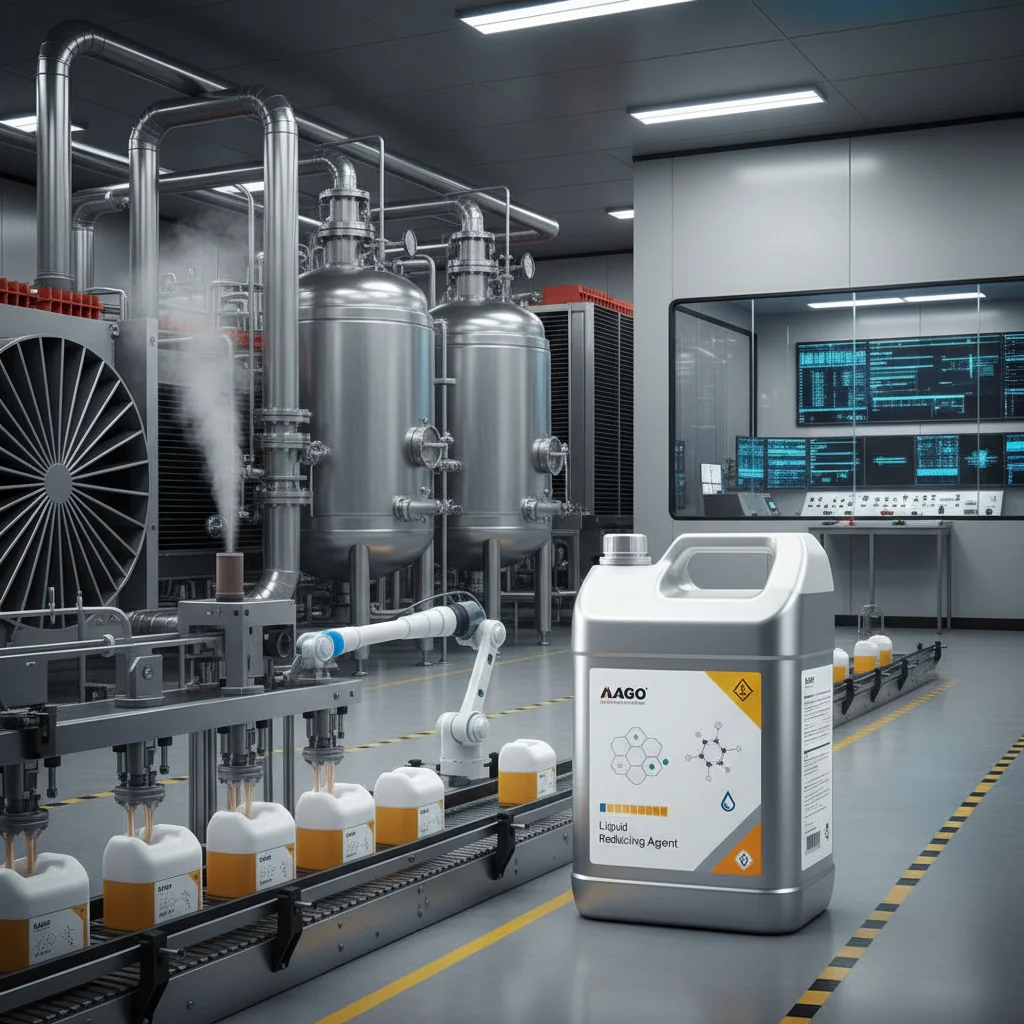
A Comprehensive Exploration of Organic Chemistry Reducing Agents and Their Applications
A Comprehensive Exploration of Organic Chemistry Reducing Agents and Their Applications
Organic Chemistry Reducing Agents: A Comprehensive Guide
In the realm of organic chemistry, reducing agents are fundamental compounds employed to facilitate reduction reactions – the gain of electrons by a chemical species. These agents play a crucial role in a vast array of applications, from industrial syntheses to biochemical processes. Understanding the different types of organic chemistry reducing agents, their strengths, and limitations is paramount for any chemist or student. This article provides a comprehensive overview, covering common reducing agents, their mechanisms, and practical considerations.
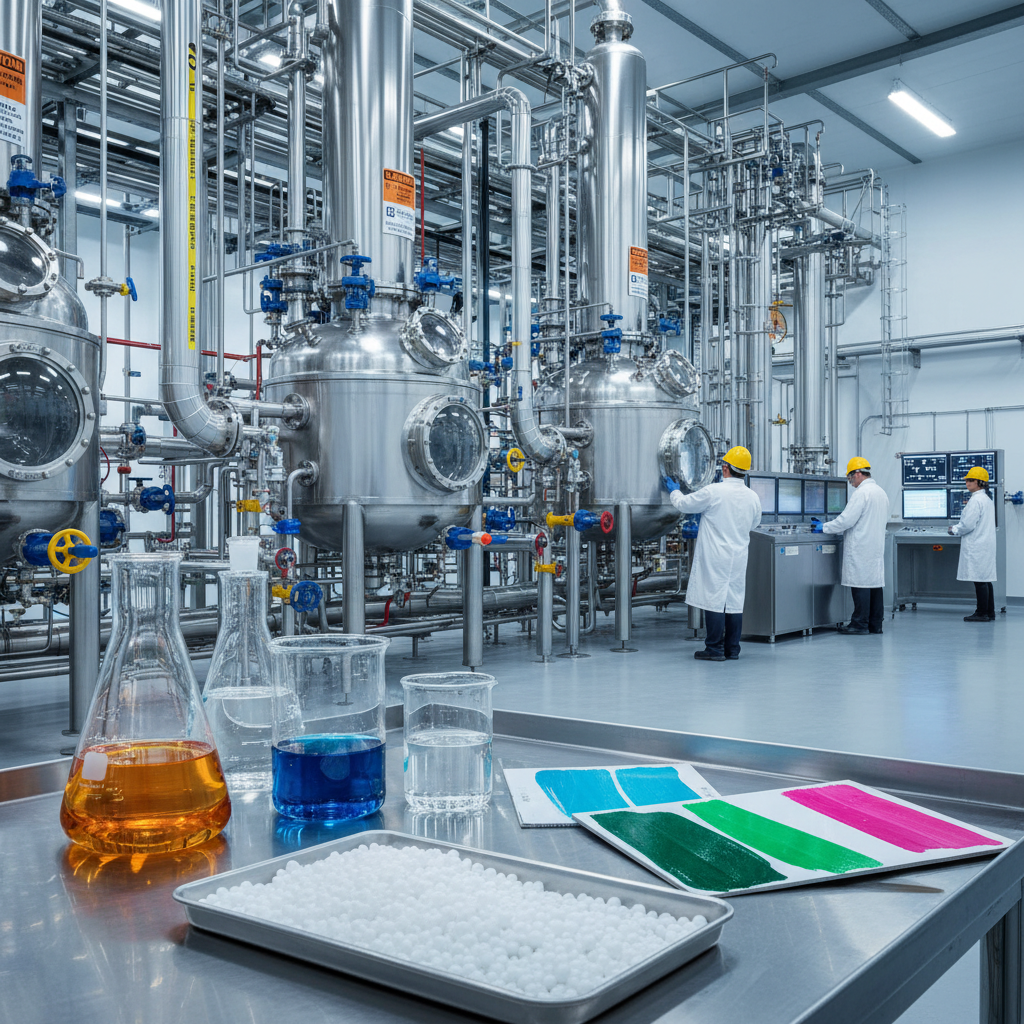
Common Types of Organic Chemistry Reducing Agents
Numerous reducing agents are available, each exhibiting distinct reactivity profiles. Metal hydrides like sodium borohydride (NaBH4) and lithium aluminum hydride (LiAlH4) are widely used due to their effectiveness. Catalytic hydrogenation, employing hydrogen gas (H2) with a metal catalyst (e.g., palladium on carbon), is another prominent method. Dissolving metals, such as zinc in acid, offer a less selective reduction pathway. Understanding the specific application will guide the optimal choice of reducing agent. Factors to consider include the functional group targeted for reduction, the desired selectivity, and the reaction conditions. Dyeingchem provides a range of chemicals applicable in reduction processes.
Key Considerations: Selecting the appropriate reducing agent depends heavily on the substrate's functional groups and the desired degree of reduction.
A Detailed Look at Metal Hydrides
Metal hydrides are potent reducing agents due to the highly polarized metal-hydrogen bond. NaBH4 is a milder reagent, typically reducing aldehydes and ketones to alcohols without affecting esters or carboxylic acids. LiAlH4, however, is much more reactive, capable of reducing aldehydes, ketones, carboxylic acids, esters, and amides. Careful handling is essential as LiAlH4 reacts violently with water, generating hydrogen gas. The choice between these two depends on the desired selectivity. Using high purity reagents is crucial for optimal results.
Metal Hydride Comparison:
• NaBH4: Milder, selective reduction of aldehydes and ketones.
• LiAlH4: Stronger, reduces a wider range of functional groups.
• Safety: LiAlH4 is highly reactive with water and requires anhydrous conditions.
Organic Chemistry Reducing Agents: Catalytic Hydrogenation
Catalytic hydrogenation utilizes hydrogen gas (H2) in the presence of a metal catalyst, commonly palladium, platinum, or nickel supported on carbon (Pd/C, Pt/C, Ni/C). This method selectively reduces alkenes and alkynes to alkanes, and can also reduce aromatic rings under forcing conditions. The catalyst facilitates the adsorption of hydrogen onto the substrate, leading to the addition of hydrogen atoms across the unsaturated bond. This technique is often preferred for large-scale industrial applications due to its efficiency and relatively mild conditions. Dyeingchem's catalog includes catalysts used in hydrogenation processes.
Dissolving Metal Reductions and Other Methods
Dissolving metal reductions, like zinc in hydrochloric acid, are less selective but useful in specific scenarios. These typically involve the transfer of electrons from the metal to the organic substrate. Other methods include the use of diisobutylaluminum hydride (DIBAL-H) for partial reduction of esters to aldehydes, and the Birch reduction for reducing aromatic rings. The selection relies on specific requirements for the desired outcome. Dyeingchem offers many of the necessary raw materials for these reactions.
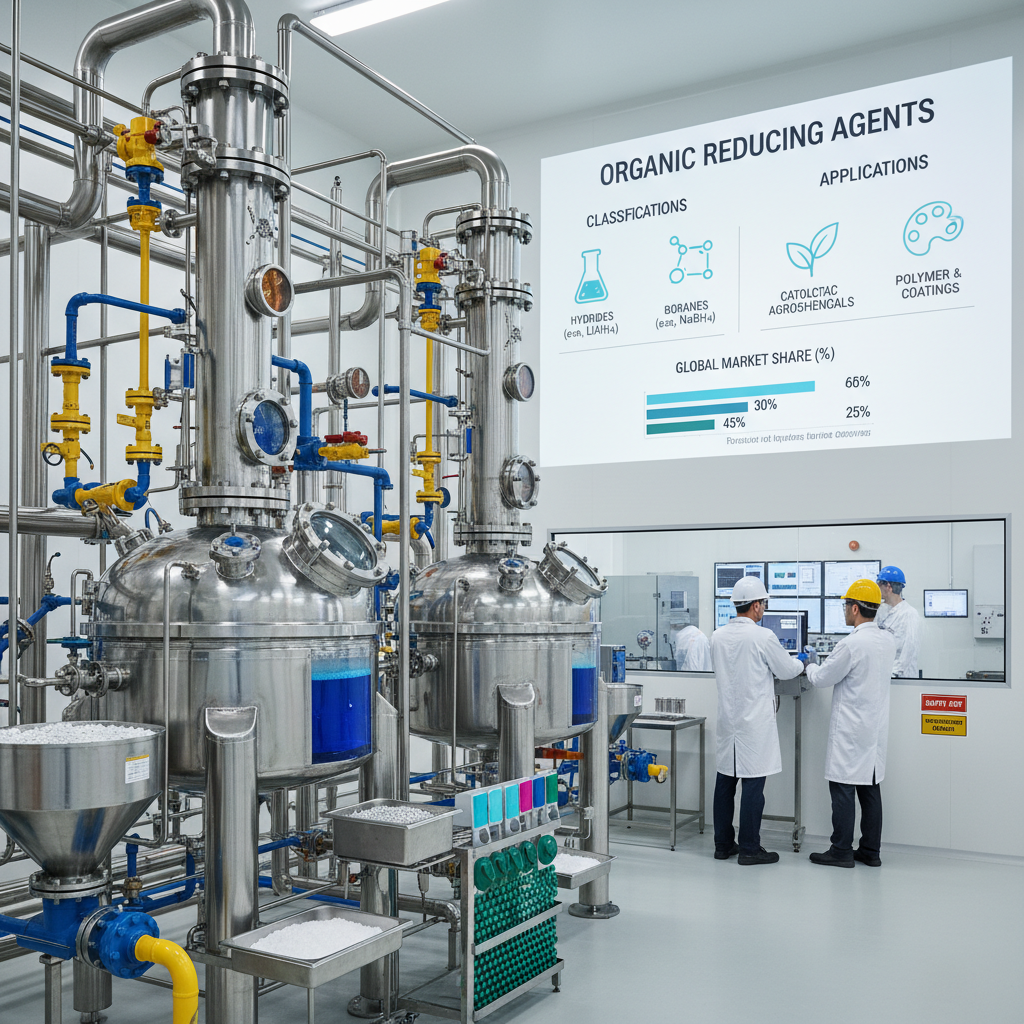
Safety Precautions and Handling of Reducing Agents
Many reducing agents are reactive and potentially hazardous. Metal hydrides, in particular, react violently with water and protic solvents. Proper personal protective equipment (PPE) such as gloves, safety goggles, and lab coats are essential. Reactions should be conducted under an inert atmosphere (nitrogen or argon) to prevent unwanted side reactions and ensure safety. Waste disposal should follow established laboratory procedures. Always consult the Safety Data Sheet (SDS) before handling any reducing agent.
Conclusion: Mastering the Art of Reduction
The selection and application of organic chemistry reducing agents are fundamental skills for any chemist. By understanding the strengths and limitations of each reagent, and adhering to rigorous safety protocols, successful and efficient reduction reactions can be achieved. Dyeingchem is committed to providing high-quality chemicals and resources to support your research and development efforts.
Frequently Asked Questions (FAQs)
What is the difference between reduction and oxidation?
Reduction and oxidation always occur together in a process known as a redox reaction. Reduction is the gain of electrons, resulting in a decrease in oxidation state. Oxidation, conversely, is the loss of electrons, leading to an increase in oxidation state. Reducing agents provide the electrons for reduction to occur, while oxidizing agents accept electrons, causing oxidation. They are complementary processes; you can't have one without the other.
How do I choose the right reducing agent for a specific functional group?
Selecting the appropriate reducing agent depends on the reactivity of the functional group and the desired selectivity. For instance, if you want to reduce only an aldehyde in the presence of a carboxylic acid, NaBH4 is a good choice. If you need to reduce a carboxylic acid, LiAlH4 is necessary. Consider the stability of other functional groups in the molecule and choose a reagent that won't affect them unintentionally. Consult chemical literature and reaction databases for guidance.
What safety precautions should I take when working with LiAlH4?
LiAlH4 is a highly reactive and potentially dangerous reagent. Always handle it under an inert atmosphere (nitrogen or argon) and use anhydrous solvents. Wear appropriate personal protective equipment (PPE), including gloves, safety goggles, and a lab coat. Never add water directly to LiAlH4, as it reacts violently, generating hydrogen gas, which is flammable. Quench excess LiAlH4 slowly and carefully with a suitable quenching agent (e.g., ethyl acetate) in an ice bath.