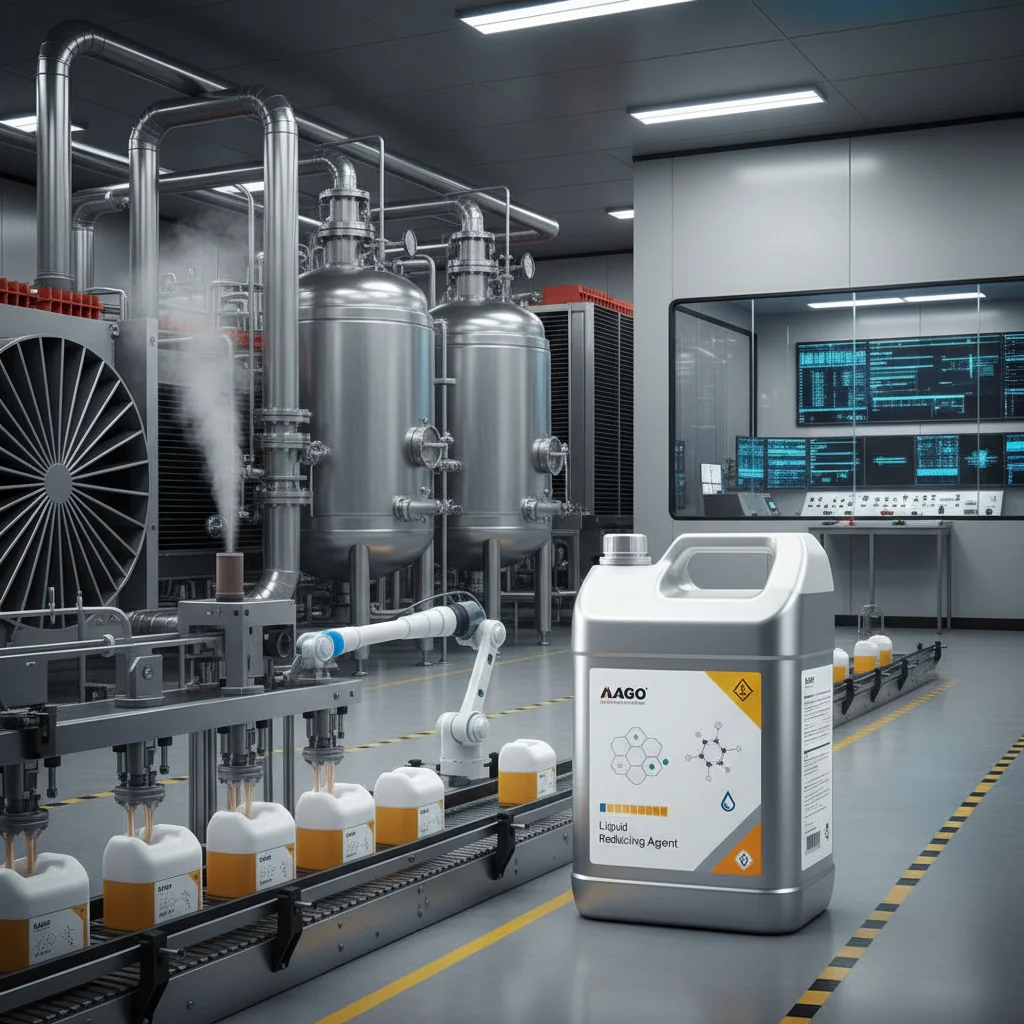
Understanding the Crucial Role of Auxiliaries in Textile Dyeing Processes
Understanding the Crucial Role of Auxiliaries in Textile Dyeing Processes
Understanding Auxiliaries in Textile Dyeing
The textile dyeing process isn't just about the dye itself. To achieve optimal colorfastness, evenness, and overall quality, a range of auxiliaries in textile dyeing are essential. These chemicals play crucial roles at every stage, from preparation to finishing. This article will delve into the world of dyeing auxiliaries, exploring their types, functions, and importance for modern textile production. Without these vital components, achieving consistent, high-quality dyeing results would be extremely challenging.
What are Textile Dyeing Auxiliaries?
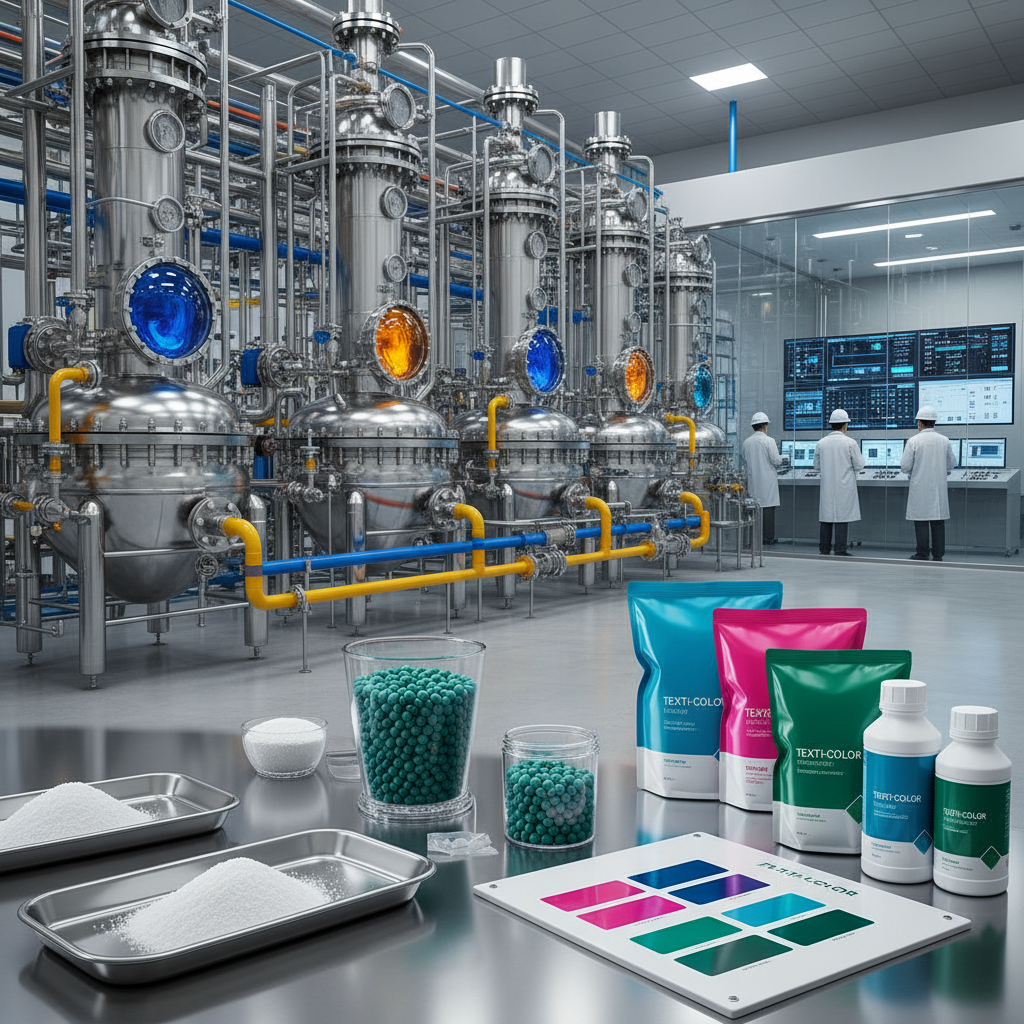
Textile dyeing auxiliaries are chemical compounds added to the dye bath or used in pre-treatment and post-treatment processes to improve the dyeing process and the final product’s quality. They don't directly impart color but enhance dye uptake, leveling, fixation, and other critical aspects of dyeing. They address problems such as poor wetting, insufficient solubility, uneven dye distribution, and color bleeding. Their selection and usage are vital, directly impacting the final product’s performance and aesthetic appeal.
Key Benefit: Optimizing dye performance to achieve superior colorfastness, shade consistency, and fabric quality.
Common Types of Auxiliaries in Textile Dyeing
The range of dyeing auxiliaries is extensive. Here are some key categories:
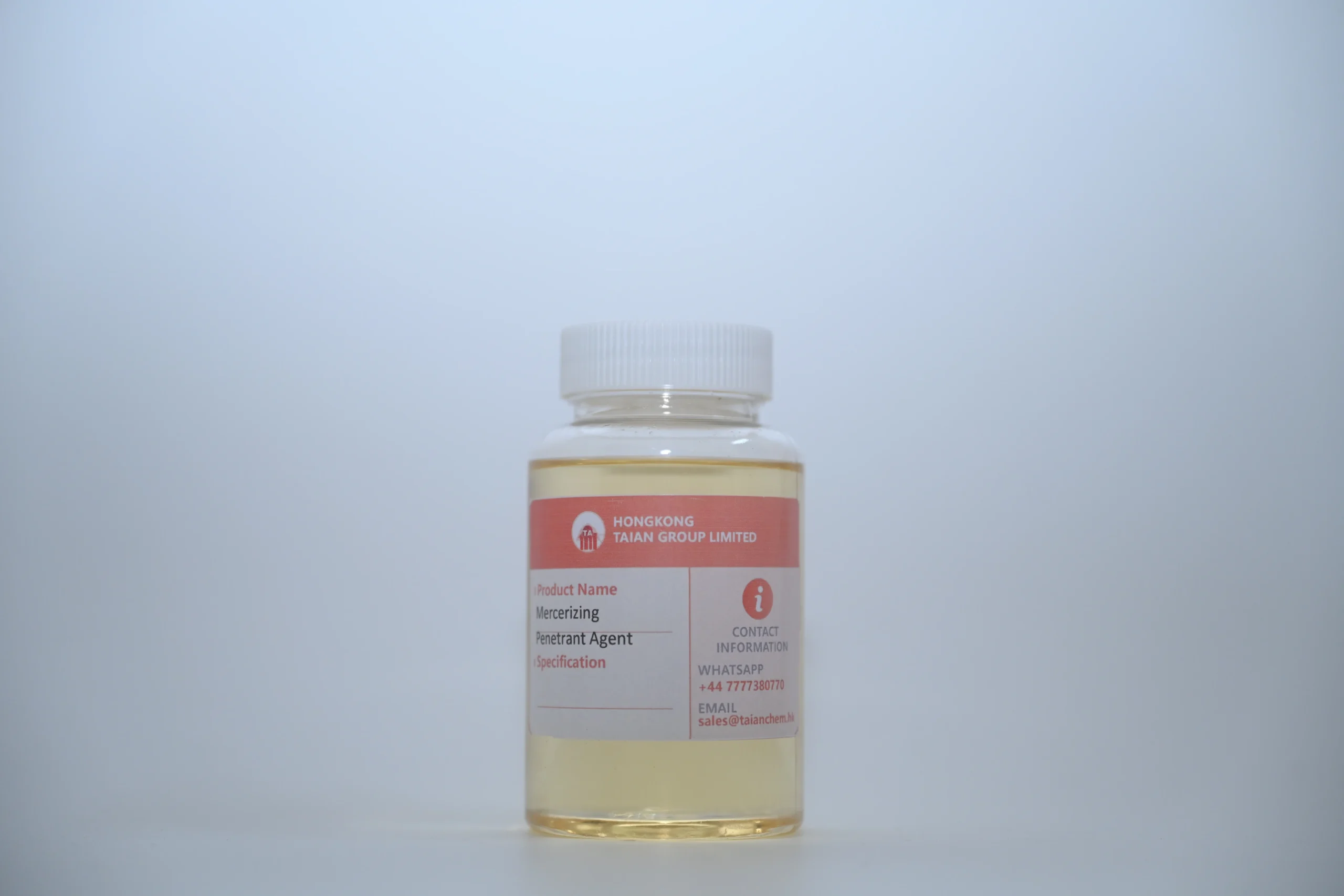
- Wetting Agents: Reduce surface tension, improving dye penetration.
- Dispersing Agents: Keep dyes finely dispersed in the dye bath, preventing aggregation.
- Leveling Agents: Promote uniform dye distribution, avoiding uneven shades.
- Fixing Agents: Enhance dye-fiber bonding, improving colorfastness.
- Sequestering Agents: Bind metal ions, preventing interference with the dyeing process.
- Defoamers: Control foam formation, improving dye bath stability.
The Role of Auxiliaries in Different Dye Classes
Different dye classes (reactive, direct, disperse, etc.) require specific auxiliaries to function effectively. For example, reactive dyes need alkali to promote fixation, while disperse dyes often require carriers to enhance dye solubility and penetration into synthetic fibers. The correct selection is crucial for optimal dye uptake and minimizing defects. Understanding the interaction between dye class and auxiliary chemistry is a hallmark of skilled dyeing professionals.
Auxiliary Selection Based on Dye Class:
• Reactive Dyes: Alkali, leveling agents, fixing agents
• Disperse Dyes: Dispersing agents, carriers, leveling agents
• Direct Dyes: Electrolytes, leveling agents, fixing agents
• Vat Dyes: Reducing agents, wetting agents, dispersing agents
Comparing Traditional vs. Modern Auxiliaries
Traditionally, many auxiliaries were based on harsh chemicals. Modern auxiliaries focus on sustainability and reduced environmental impact. This shift involves using biodegradable compounds, reducing formaldehyde content, and minimizing APEO (alkylphenol ethoxylates) usage. The push for eco-friendly textiles drives this demand for greener auxiliary options. Modern auxiliaries also often offer improved performance and versatility.
Sourcing High-Quality Auxiliaries
Choosing a reputable supplier is essential. DyeingChem.com offers a wide range of high-quality textile dyeing auxiliaries, backed by technical expertise and reliable support. Consider factors like product purity, consistency, and compliance with relevant environmental standards. A reliable supplier can also provide valuable assistance in selecting the appropriate auxiliaries for your specific dyeing needs.
Conclusion: The Indispensable Role of Dyeing Auxiliaries
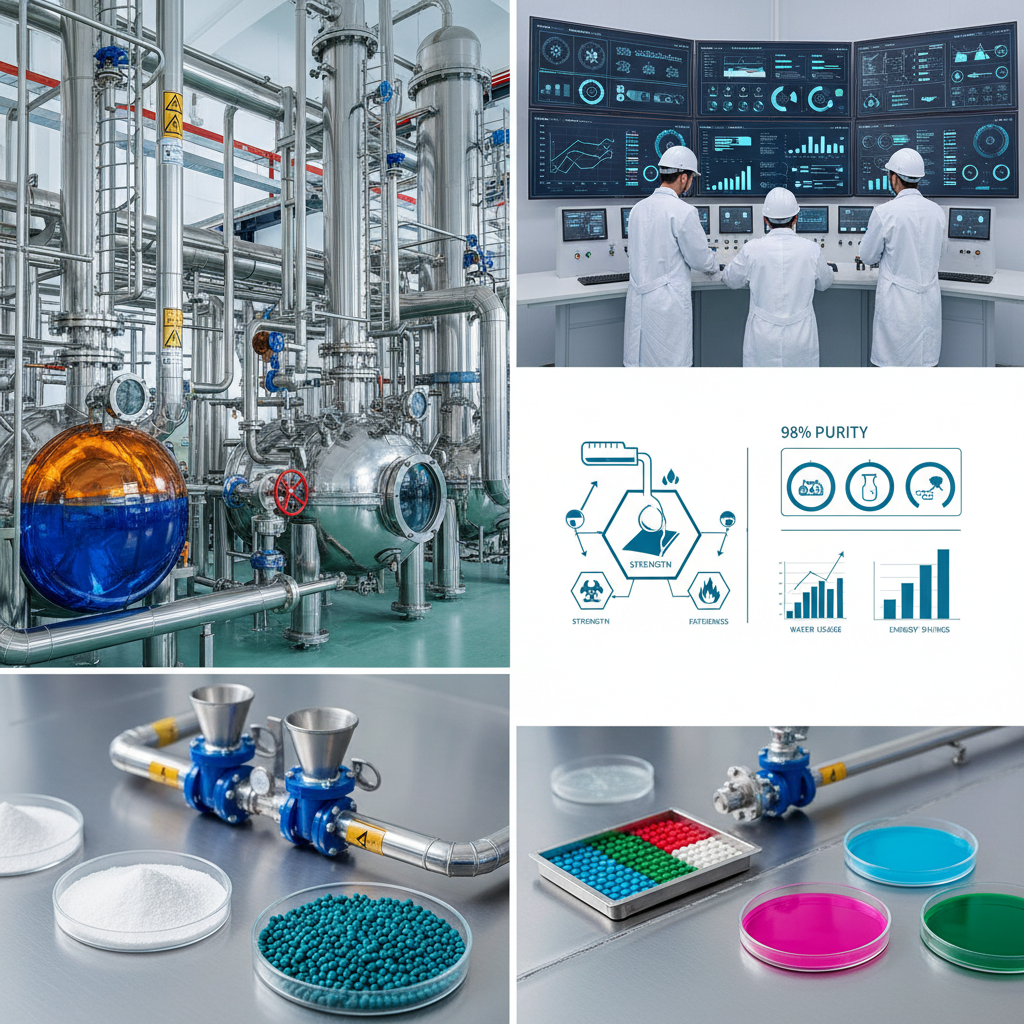
In conclusion, auxiliaries in textile dyeing are not merely additives; they are integral components of the dyeing process. They directly influence the quality, efficiency, and sustainability of textile production. By understanding their functions and carefully selecting the right auxiliaries, manufacturers can achieve superior dyeing results and meet the growing demand for eco-friendly textiles. Investing in high-quality auxiliaries is an investment in the future of textile innovation.
Frequently Asked Questions (FAQs)
What is the optimal dosage of a leveling agent?
The optimal dosage of a leveling agent depends on several factors, including the dye class, fiber type, dye concentration, and desired shade evenness. Generally, it ranges from 0.5% to 2% OWF (on weight of fabric). It is crucial to conduct trials and monitor the results to determine the most effective dosage for your specific dyeing process. Overdosing can lead to dye migration or reduced colorfastness, while underdosing may result in uneven dyeing. Consulting the technical data sheet of the leveling agent and following the supplier's recommendations is highly advised.
How do I choose the right dispersing agent?
Selecting the right dispersing agent depends on the dye's solubility and particle size. For disperse dyes, anionic dispersing agents are generally preferred, while for reactive dyes, non-ionic dispersing agents are more effective. Consider the dye's chemical structure and compatibility with the dispersing agent. It’s essential to choose a dispersing agent that prevents dye aggregation and maintains a stable dye bath, ensuring even dye uptake and preventing speckling or staining. The supplier’s technical datasheet will provide compatibility information.
Are there eco-friendly alternatives to traditional fixing agents?
Yes, significant advancements have been made in developing eco-friendly fixing agents. These alternatives often utilize polymeric compounds or natural-based ingredients, minimizing the use of formaldehyde and other harmful chemicals. Look for fixing agents certified by eco-labels like OEKO-TEX or GOTS. These alternatives offer comparable performance to traditional fixing agents while reducing the environmental impact of the dyeing process. They contribute to more sustainable textile production practices.
What safety precautions should be taken when handling dyeing auxiliaries?
Dyeing auxiliaries can be corrosive or irritating. Always wear appropriate personal protective equipment (PPE), including gloves, safety glasses, and a respirator if necessary. Ensure adequate ventilation in the work area. Refer to the Safety Data Sheet (SDS) for each auxiliary for specific handling instructions and potential hazards. Avoid contact with skin and eyes. In case of contact, rinse thoroughly with water and seek medical attention if needed. Store auxiliaries in a cool, dry, and well-ventilated area, away from incompatible materials.