Exploring the Diverse Landscape of Different Reducing Agents and Their Applications
Exploring the Diverse Landscape of Different Reducing Agents and Their Applications
Understanding Different Reducing Agents
In the realm of chemistry, reducing agents play a crucial role in numerous industrial processes, including textile dyeing, chemical synthesis, and environmental remediation. These substances donate electrons to other species, facilitating reduction reactions. Selecting the appropriate reducing agent is paramount for efficiency, safety, and cost-effectiveness. This article delves into the diverse world of reducing agents, exploring their mechanisms, applications, and relative strengths. Understanding the nuances of these agents allows for optimized processes and minimized environmental impact.
Common Types of Reducing Agents
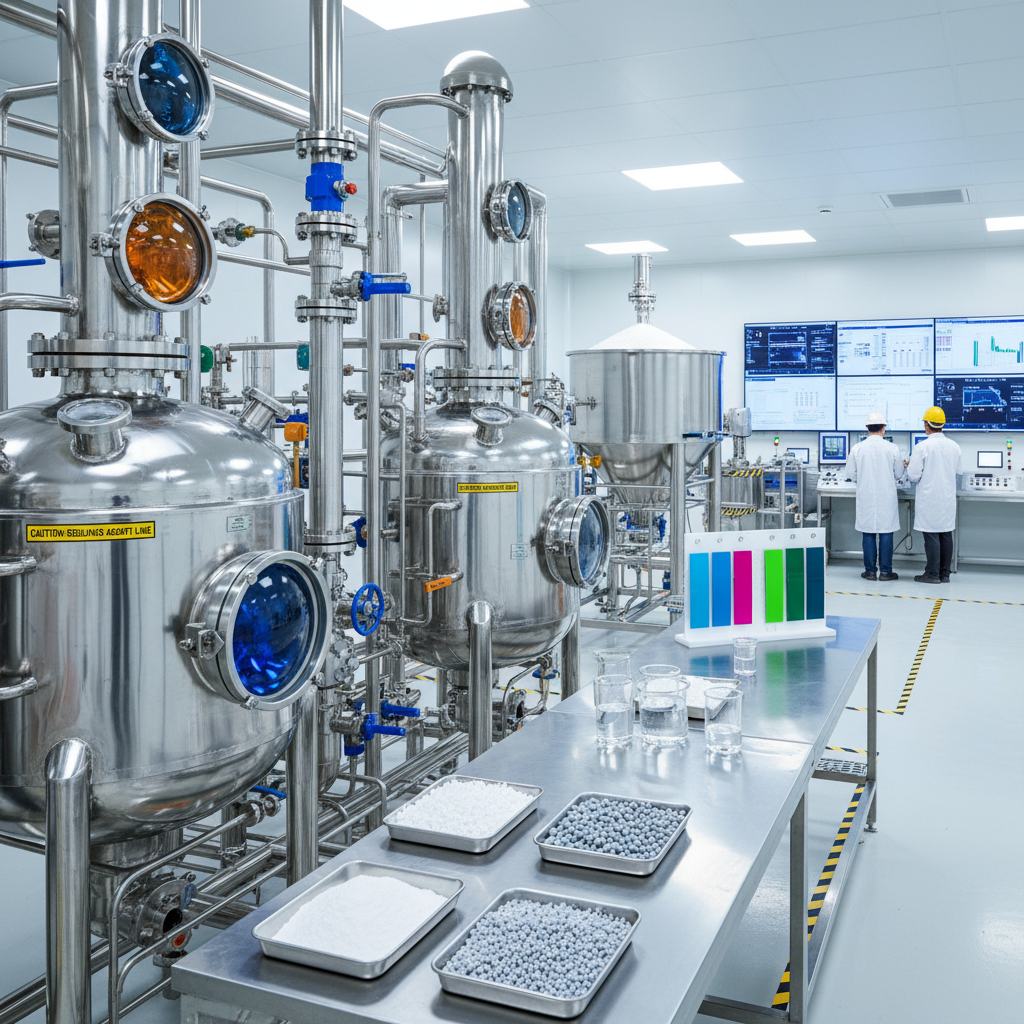
A wide range of compounds can act as reducing agents, each with unique characteristics. Some of the most commonly employed include sodium dithionite (hydrosulfite), sodium borohydride, ascorbic acid (Vitamin C), metal hydrides like lithium aluminum hydride (LiAlH4), and elemental metals like zinc and iron. The choice depends heavily on the specific application. For instance, sodium dithionite is extensively used in the textile industry for vat dyeing and bleaching, while lithium aluminum hydride is a powerful reducing agent favored in organic synthesis for reducing carboxylic acids and esters. The reactivity and selectivity of each agent vary considerably.
Key Consideration: The standard reduction potential (E°) provides a quantitative measure of a reducing agent's strength. A more negative E° indicates a stronger reducing agent.
Sodium Dithionite: A Workhorse in Textile Processing
Sodium dithionite (Na₂S₂O₄) is a prevalent reducing agent in the textile industry, particularly for vat dyeing processes. It effectively reduces insoluble vat dyes into their soluble leuco form, allowing for penetration into the fabric. Subsequently, oxidation regenerates the insoluble dye, trapping it within the fibers and resulting in vibrant, wash-fast colors. Dyeingchem offers a variety of high-quality sodium dithionite grades optimized for diverse textile applications. Its cost-effectiveness and high reducing power make it a preferred choice for large-scale industrial processes.
Comparing Reducing Agent Strengths
The effectiveness of a reducing agent is often quantified by its reduction potential. Stronger reducing agents have more negative reduction potentials, indicating a greater tendency to donate electrons. Here's a comparative overview:
Environmental Considerations and Sustainable Alternatives
While effective, some traditional reducing agents pose environmental challenges. For instance, the use of dithionite can generate sulfurous byproducts. Research is ongoing to develop more sustainable alternatives, such as electrochemical reduction methods and the utilization of bio-based reducing agents. Dyeingchem is committed to promoting environmentally responsible practices and exploring innovative solutions for a greener future.
Selecting the Right Reducing Agent: A Summary
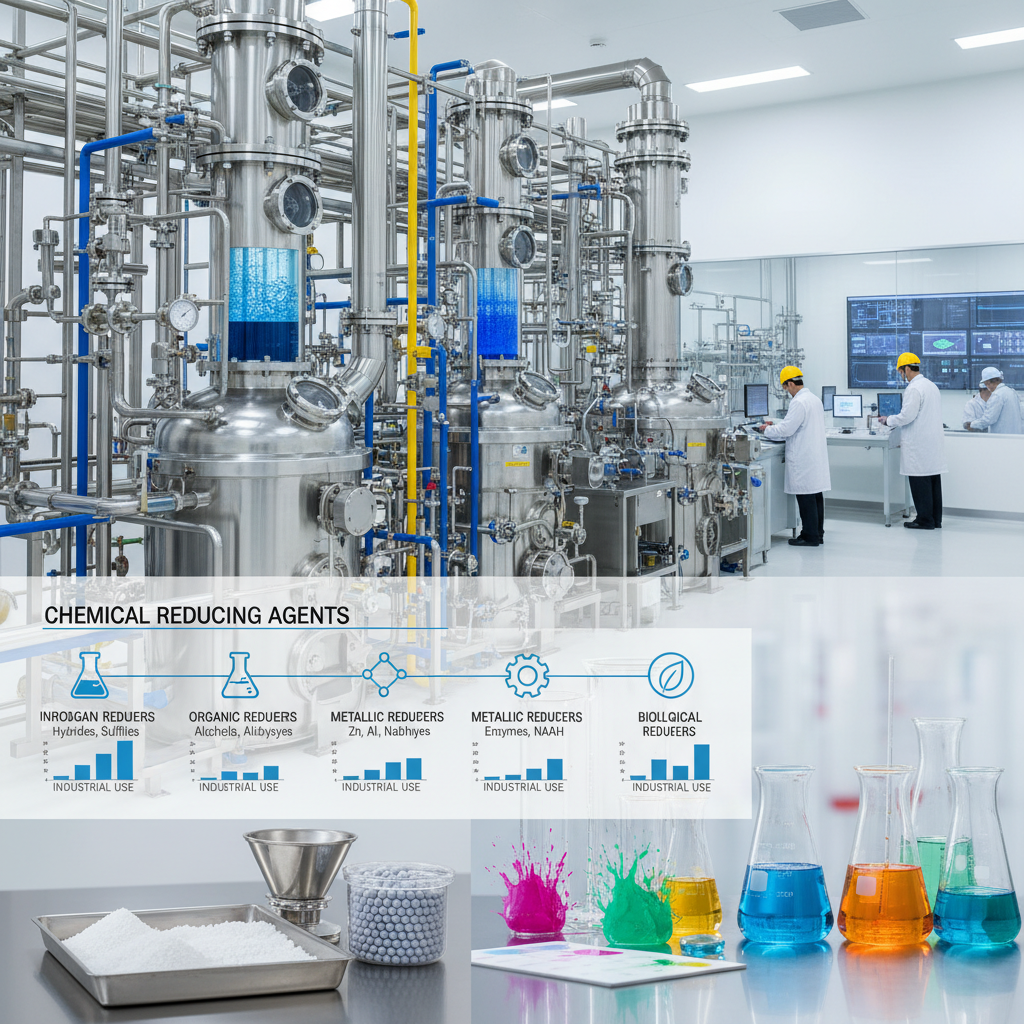
Choosing the ideal reducing agent requires careful consideration of several factors: the specific reaction or process, desired selectivity, cost-effectiveness, safety profile, and environmental impact. A thorough understanding of the agent's reduction potential, reactivity, and potential byproducts is essential. Collaboration with experienced chemical suppliers like Dyeingchem can provide valuable insights and optimize your processes.
Conclusion
The selection of an appropriate reducing agent is pivotal for achieving optimal results in numerous chemical and industrial applications. By understanding the strengths and weaknesses of each agent, and considering environmental factors, businesses can enhance efficiency, reduce costs, and promote sustainability. Partnering with a trusted supplier ensures access to high-quality products and expert guidance.
Frequently Asked Questions (FAQs)
What safety precautions should be taken when handling reducing agents?
Reducing agents can be reactive and potentially hazardous. Always wear appropriate personal protective equipment (PPE), including gloves, safety glasses, and a lab coat. Work in a well-ventilated area to avoid inhaling fumes. Some reducing agents, like lithium aluminum hydride, react violently with water and require anhydrous conditions. Consult the Safety Data Sheet (SDS) for specific handling instructions and emergency procedures. Proper storage away from incompatible materials is crucial to prevent accidents.
How does the pH of the reaction medium affect the performance of reducing agents?
The pH of the reaction medium can significantly influence the effectiveness of reducing agents. Some reducing agents, like ascorbic acid, function optimally within a specific pH range. Changes in pH can alter the agent's redox potential and stability, impacting its ability to donate electrons. For instance, dithionite is more stable and effective in mildly alkaline conditions. Understanding the pH dependence of the chosen reducing agent is essential for optimizing reaction conditions.
What are the key differences between reversible and irreversible reducing agents?
Reversible reducing agents can regain their original oxidation state after donating electrons, allowing them to participate in further reduction reactions. Ascorbic acid is a prime example. Irreversible reducing agents, such as lithium aluminum hydride, are consumed during the reduction process and cannot be readily regenerated. The choice between reversible and irreversible agents depends on the application. Reversible agents are often used in catalytic reactions, while irreversible agents are employed when a stoichiometric amount of reductant is required.
Can reducing agents be used to remove oxidizing contaminants from water?
Yes, reducing agents can effectively remove oxidizing contaminants, such as chlorine, from water. This process is frequently used in water treatment plants and industrial wastewater treatment. Reducing agents donate electrons to the oxidizing contaminants, neutralizing them. However, the choice of reducing agent must consider potential byproduct formation and environmental impact. Sodium sulfite and sodium thiosulfate are commonly used for dechlorination in water treatment applications.