Comprehensive Guide to Sulphur Black BR 220 for Effective Textile Dyeing
Comprehensive Guide to Sulphur Black BR 220 for Effective Textile Dyeing
Sulphur Black BR 220: A Comprehensive Guide for Textile Dyeing
Sulphur Black BR 220 is a widely used dye in the textile industry, renowned for its excellent fastness properties and cost-effectiveness, especially in dyeing cotton. This article provides an in-depth look into the characteristics, applications, dyeing processes, and crucial considerations for utilizing Sulphur Black BR 220 effectively. Understanding the nuances of this dye is vital for achieving consistent, high-quality results in textile production. We'll cover everything from solubility to common issues and their solutions, guiding you towards optimized dyeing processes.
Understanding Sulphur Black BR 220: Properties and Characteristics
Sulphur Black BR 220 belongs to the sulphur dye class, known for their complex chemical structure and ability to impart deep, dark shades, primarily black, to cellulosic fibers. It’s insoluble in water but can be solubilized using sodium sulfide during the dyeing process. Key characteristics include excellent wash fastness, good light fastness (though it can vary depending on formulation and after-treatment), and relatively low cost. The dye’s particle size and sulfur content significantly impact its dyeing performance. It’s commonly used for dyeing cotton, rayon, and other cellulosic materials. Proper handling and storage are essential, as it can be sensitive to oxidation.
Key Highlights: Excellent wash fastness, good light fastness, relatively low cost, and ideal for cellulosic fibers.
Applications of Sulphur Black BR 220 in Textile Dyeing
The primary application of Sulphur Black BR 220 is in dyeing workwear, denim, military fabrics, and other textiles requiring durable, dark shades. Its affordability makes it a popular choice for mass production. It’s frequently used in continuous dyeing processes, offering efficient and consistent coloration. Beyond apparel, it finds use in dyeing home textiles like towels and curtains where colorfastness is critical. It is also used in paper dyeing, creating dark shades for packaging and other applications.
Application Benefits:
• Durable, dark shades for various textiles
• Cost-effective for mass production
• Suitable for continuous dyeing processes
• Versatile for apparel, home textiles, and paper dyeing
Sulphur Black BR 220 Dyeing Process: A Step-by-Step Guide
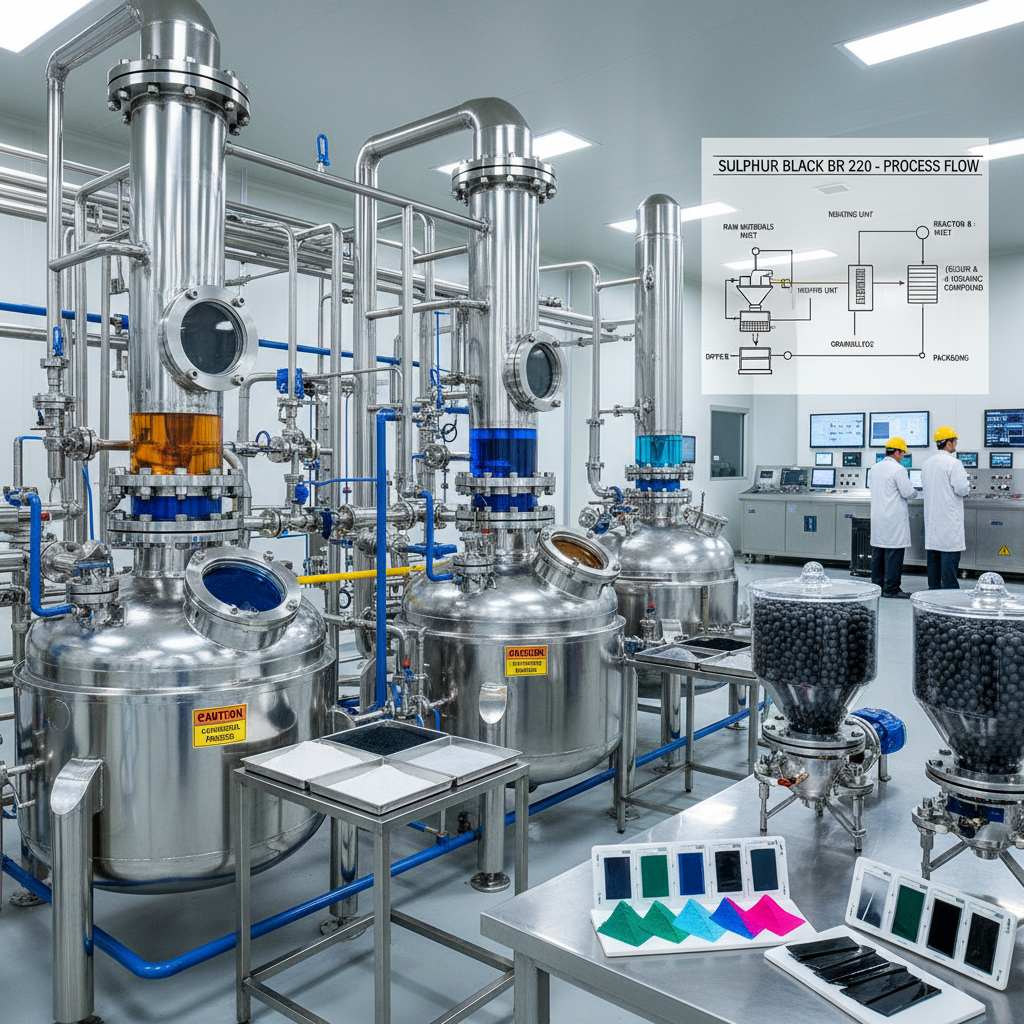
The dyeing process for Sulphur Black BR 220 typically involves several key steps. First, the dye is dispersed in water with sodium sulfide to create a soluble leuco form. The fabric is then immersed in the dye bath, often at elevated temperatures (typically 80-95°C). After dyeing, the fabric undergoes oxidation, usually with hydrogen peroxide or sodium chlorate, to revert the dye to its insoluble form within the fiber, fixing the color. Thorough washing is crucial to remove excess dye and chemicals. Finally, the fabric is dried and finished. Controlling pH levels throughout the process is vital for optimal dye uptake and color yield.
Key Considerations for Optimal Sulphur Black BR 220 Dyeing
Achieving consistent and high-quality dyeing with Sulphur Black BR 220 requires attention to several key factors. Maintaining the correct pH level is crucial; an alkaline pH is essential for dye solubility and fixation. The quality of water used significantly impacts the results – soft water is generally preferred. Proper agitation is necessary to ensure uniform dye distribution. Controlling the oxidation process is also critical to prevent over-oxidation, which can lead to shade variations. Dyeingchem offers comprehensive technical support and high-quality Sulphur Black BR 220 to assist with these challenges.
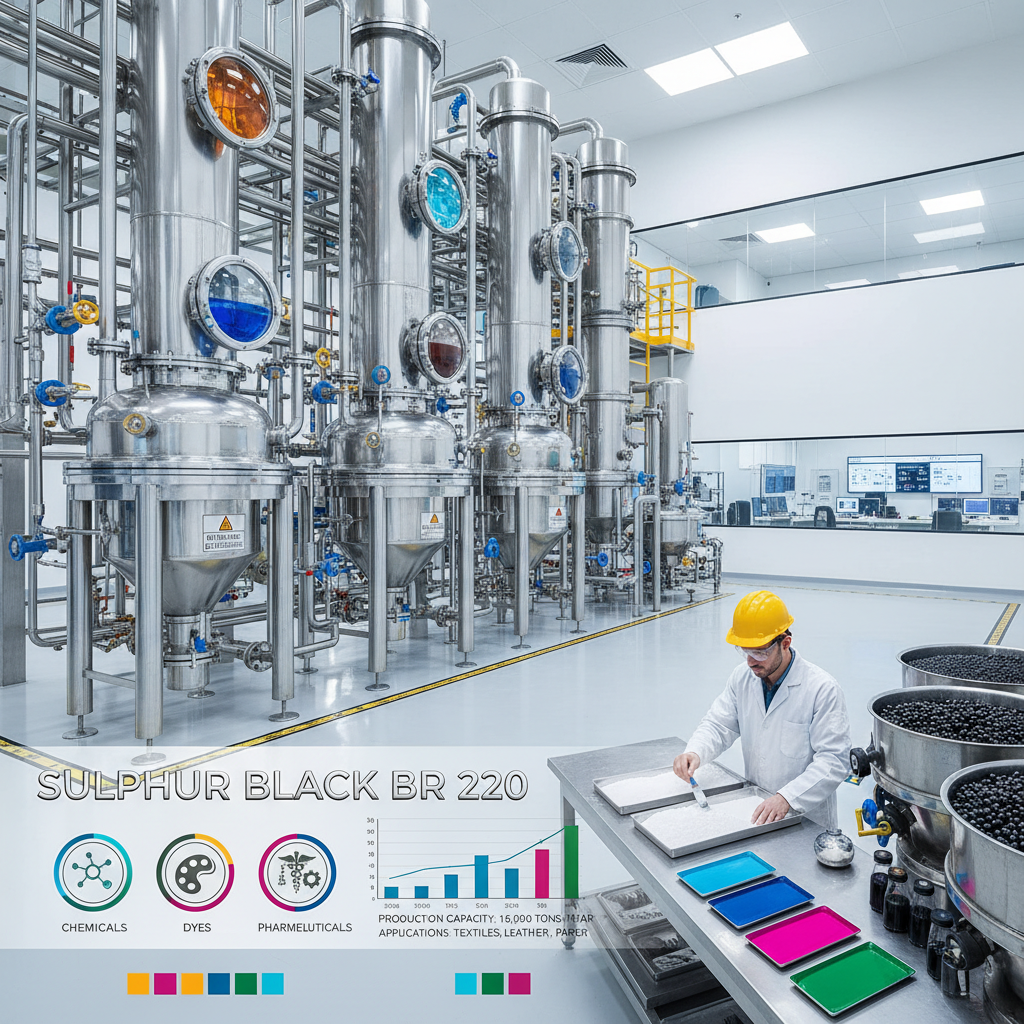
Sulphur Black BR 220: Product Specifications
Understanding the specific product specifications is essential for successful dyeing. Here's a typical product specification for Sulphur Black BR 220:
Conclusion: Mastering Sulphur Black BR 220 for Superior Textile Dyeing
Mastering the intricacies of Sulphur Black BR 220 dyeing is crucial for achieving consistently high-quality results in textile production. By understanding its properties, application techniques, and key considerations, you can optimize your processes and minimize issues. Investing in quality dye and leveraging expert technical support will further enhance your success. Don't compromise on quality – choose the right approach for vibrant, durable, and reliable textile coloration.
Frequently Asked Questions (FAQs)
What is the optimal temperature for dyeing with Sulphur Black BR 220?
Typically, the optimal temperature for dyeing with Sulphur Black BR 220 ranges between 80-95°C (176-203°F). Maintaining this temperature ensures proper dye solubility and effective fiber penetration. However, the exact temperature may vary slightly depending on the specific fabric composition and desired shade depth. It's crucial to follow the dye manufacturer's recommendations and monitor the dyeing process closely to achieve optimal results. Insufficient temperature can lead to uneven dyeing, while excessive temperature may cause dye degradation.
How do I address uneven dyeing issues with Sulphur Black BR 220?
Uneven dyeing with Sulphur Black BR 220 can stem from several factors. Insufficient agitation is a common cause, leading to poor dye distribution. Ensuring adequate agitation throughout the dyeing process is vital. Inconsistent pH levels can also contribute to unevenness; maintaining a stable alkaline pH is crucial. Another potential issue is inadequate pre-treatment of the fabric – proper desizing and scouring are essential for optimal dye uptake. If unevenness persists, consider using a leveling agent to promote uniform dye absorption. Inspecting the dyeing equipment for any malfunctions can also help pinpoint the problem.
What safety precautions should I take when handling Sulphur Black BR 220?
Sulphur Black BR 220, like many dyes, requires careful handling. Always wear appropriate personal protective equipment (PPE), including gloves, safety glasses, and a dust mask, to prevent skin and respiratory irritation. Work in a well-ventilated area to minimize exposure to dust. Avoid contact with eyes and skin. In case of contact, rinse thoroughly with water. Store the dye in a cool, dry place away from direct sunlight and oxidizing agents. Dispose of waste materials in accordance with local regulations. Refer to the Safety Data Sheet (SDS) for detailed safety information.
What is the role of sodium sulfide in the dyeing process?
Sodium sulfide (Na2S) plays a critical role in the Sulphur Black BR 220 dyeing process. It acts as a reducing agent, converting the insoluble dye into its soluble leuco form. This solubilization is essential for the dye to penetrate the fibers effectively. The amount of sodium sulfide used directly impacts the dye's solubility and, consequently, the dyeing results. Careful control of the sodium sulfide concentration and reaction time is vital for achieving optimal dye uptake and shade development.