Comprehensive Guide to Choosing the Best Black Car Seat Dye for Your Vehicle
Comprehensive Guide to Choosing the Best Black Car Seat Dye for Your Vehicle
Choosing the Right Black Car Seat Dye: A Comprehensive Guide
Restoring or customizing your car's interior can be a rewarding experience, and a key element is often the color of your seats. A high-quality black car seat dye can breathe new life into faded, worn, or damaged upholstery. However, selecting the right dye requires understanding the different types, application methods, and preparation steps. This article will delve into the world of black car seat dyes, providing you with the knowledge to make an informed decision and achieve professional-looking results. We’ll cover everything from dye types to application techniques, ensuring your car interior looks its best.
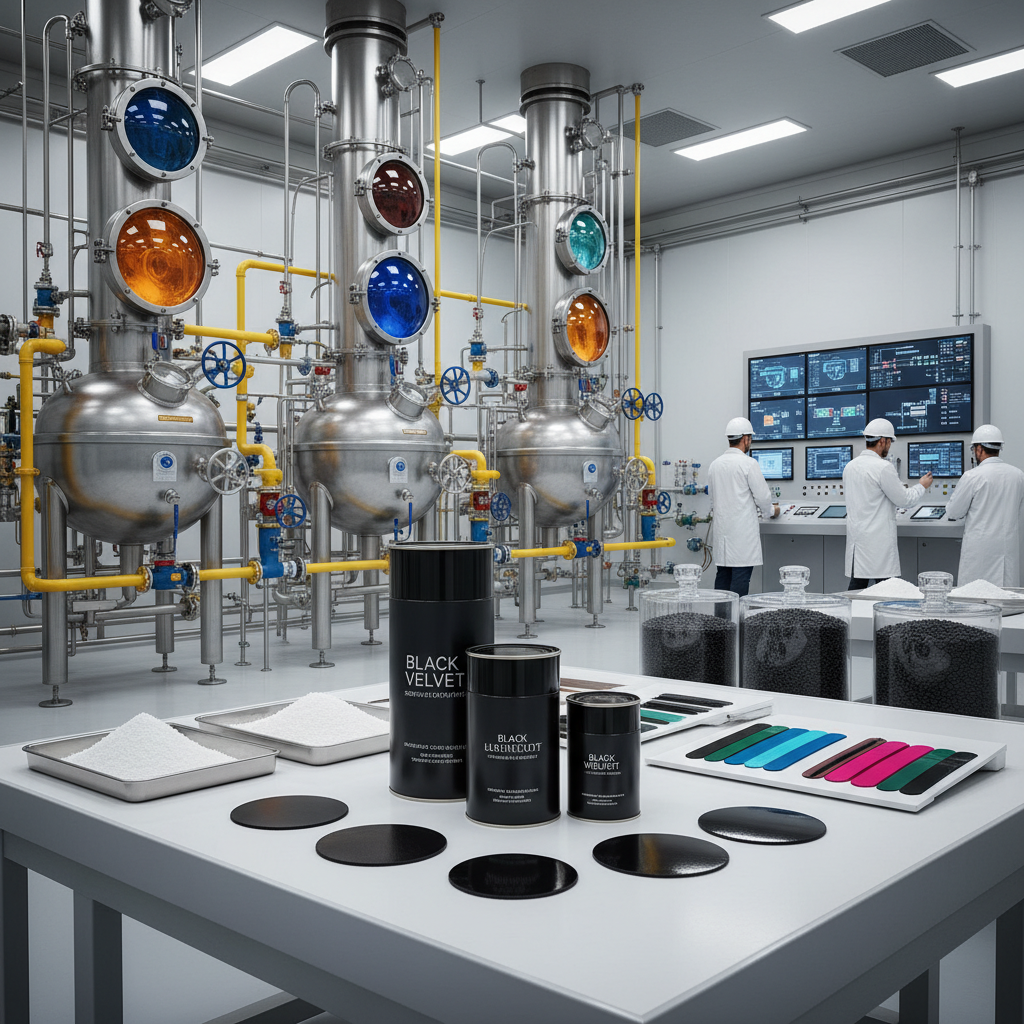
Understanding the Types of Black Car Seat Dye
Black car seat dyes aren't one-size-fits-all. There are several types, each with its pros and cons. The most common are liquid dyes, aerosol dyes, and dye transfer products. Liquid dyes are typically the most durable and offer the best colorfastness, but require more preparation and application skill. Aerosol dyes are convenient and easy to use, ideal for smaller areas or touch-ups, but may not be as durable. Dye transfer products, like dye sticks, are quick and simple but best for minor color restoration rather than a full recoloring. Choosing the right type depends on the extent of the damage, the material of your seats (leather, vinyl, or fabric), and your comfort level with DIY projects. Dyeingchem.com offers a wide variety of options to suit your needs.
Key Highlights: Different dye types offer varying levels of durability, ease of use, and suitability for different materials. Careful consideration of these factors is vital for a successful restoration.
Black Car Seat Dye for Leather vs. Vinyl: What's the Difference?
Leather and vinyl require different approaches when it comes to dyeing. Leather is porous and absorbs dye readily, requiring dyes specifically formulated for leather to prevent cracking and fading. These dyes often contain conditioning agents to keep the leather supple. Vinyl, on the other hand, is non-porous, meaning the dye needs to adhere to the surface. Vinyl dyes typically contain adhesion promoters to ensure a lasting bond. Using the wrong dye type can lead to unsatisfactory results. Always check the product label to ensure it's compatible with your seat material. Dyeingchem's experts can help you select the perfect dye for your specific car seat material.
Leather vs. Vinyl Dye Considerations:
• Leather dyes penetrate and condition.
• Vinyl dyes adhere to the surface.
• Using the wrong dye can cause cracking or peeling.
Comparing Popular Black Car Seat Dye Brands
Several brands offer high-quality black car seat dyes. Here's a quick comparison of some popular choices:
Essential Preparation Steps for a Flawless Finish
Proper preparation is key to achieving a long-lasting, professional-looking result. This includes thoroughly cleaning the seats with a dedicated upholstery cleaner to remove dirt, oil, and grime. Next, you'll need to repair any cracks or tears in the upholstery. For leather, use a leather repair kit. For vinyl, a vinyl repair compound is recommended. Finally, masking off any areas you don’t want to dye is crucial. Dyeingchem.com provides comprehensive guides and products to aid in the preparation process.

Final Thoughts: Restoring Your Car’s Interior
Choosing and applying a black car seat dye can dramatically improve the appearance of your vehicle’s interior. By understanding the different dye types, considering your seat material, and following proper preparation steps, you can achieve professional results. Remember to prioritize quality products and take your time. With the right approach, you can restore your car seats to their former glory, or even create a custom look that reflects your personal style.
Frequently Asked Questions (FAQs)
How long does black car seat dye typically last?
The longevity of black car seat dye depends on several factors including the quality of the dye, the material it’s applied to, exposure to sunlight, and general wear and tear. Generally, a properly applied, high-quality dye should last between 3 to 5 years, or even longer with regular care. Avoid prolonged exposure to direct sunlight, as UV rays can cause fading. Regularly cleaning and conditioning leather seats (if applicable) will also extend the life of the dye. Dye transfer products often require more frequent reapplication.
Can I dye fabric car seats black?
Yes, you can dye fabric car seats black, but it requires a dye specifically formulated for fabric upholstery. Regular leather or vinyl dyes will not adhere properly. Fabric dyes are available in various forms, including liquid and aerosol sprays. Proper preparation, including thorough cleaning and sometimes a pre-treatment, is crucial for optimal results. It's often recommended to test the dye on a hidden area of the fabric first to ensure color compatibility and avoid unwanted discoloration.
What safety precautions should I take when dyeing car seats?
Safety is paramount when working with car seat dyes. Always work in a well-ventilated area, preferably outdoors or with open windows and a fan. Wear appropriate personal protective equipment (PPE) including gloves, a respirator mask, and eye protection to avoid inhalation of fumes and skin contact. Avoid smoking or eating while dyeing. Dispose of used rags and materials properly, following local regulations. Read and carefully follow the manufacturer's safety instructions on the dye product label.