Comprehensive Guide to Choosing the Best Black Leather Dye for Car Seats Restoration
Comprehensive Guide to Choosing the Best Black Leather Dye for Car Seats Restoration
Choosing the Right Black Leather Dye for Car Seats
Restoring or customizing your car seats with a fresh coat of leather dye can dramatically improve their appearance. Selecting the correct black leather dye for car seats is crucial for achieving a professional and long-lasting result. This article will guide you through the key considerations, types of dyes available, application techniques, and provide tips for ensuring optimal results. We’ll cover everything from preparation to finishing, helping you achieve a showroom-quality finish.
Understanding the Types of Black Leather Dye
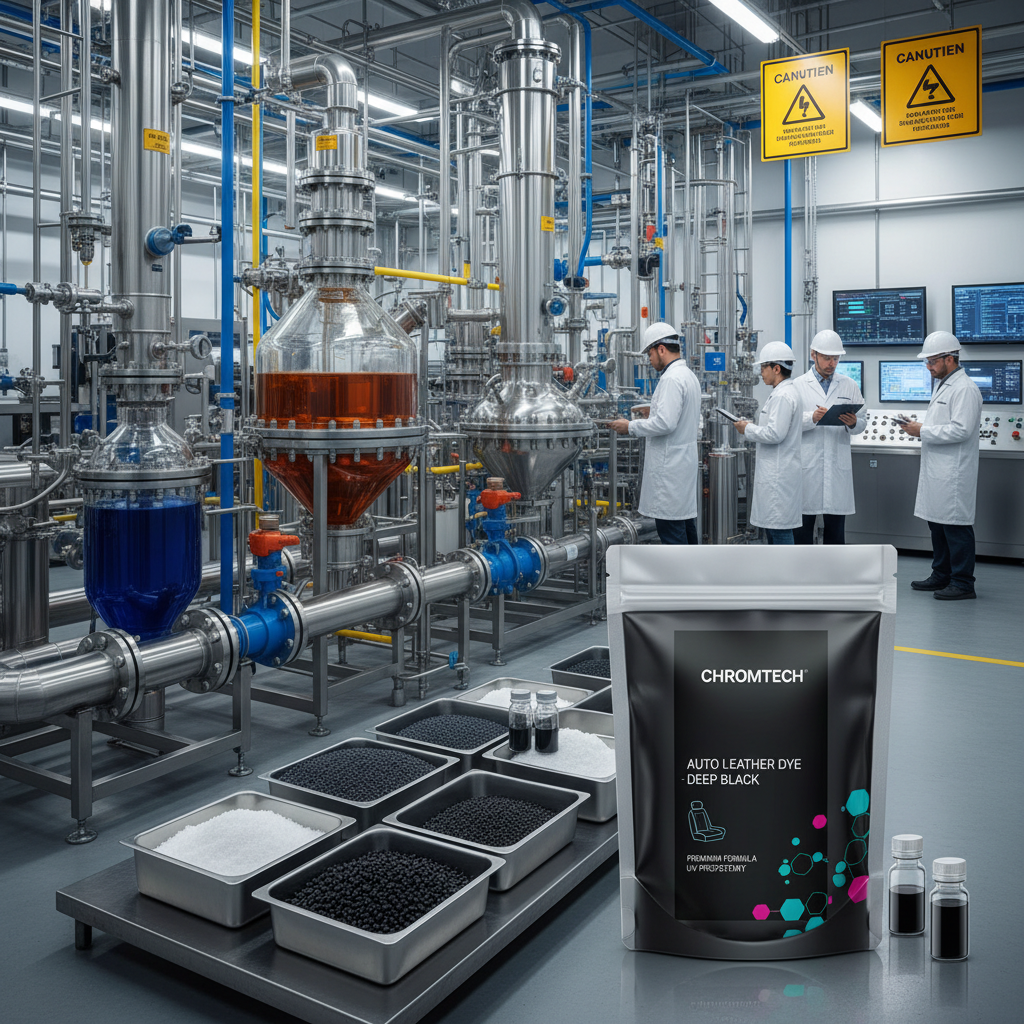
There are several types of leather dyes available, each with its own advantages and disadvantages. The most common types include aniline dyes, semi-aniline dyes, pigment dyes, and acrylic dyes. Aniline dyes offer the most natural look but provide minimal protection. Semi-aniline dyes offer a balance of color and protection. Pigment dyes are the most durable and resistant to fading, but they can alter the texture of the leather. Acrylic dyes are a good option for restoring heavily damaged leather. Choosing the right type depends on the condition of your seats and the desired finish. Dyeingchem offers a comprehensive range of these dyes to suit various needs.
Key Considerations: The correct dye choice depends on the type of leather, desired finish, and level of protection needed. Always test the dye on an inconspicuous area first.
Preparing Your Car Seats for Dyeing
Proper preparation is the most crucial step in achieving a successful dye job. Begin by thoroughly cleaning the leather seats with a dedicated leather cleaner to remove dirt, grime, and any existing conditioners or protectants. Once clean, use a leather deglazer to remove the factory finish and open the pores of the leather, allowing the dye to penetrate evenly. Mask off any areas you don't want to dye, such as plastic trim or stitching. Finally, lightly sand the leather with fine-grit sandpaper to create a slightly roughened surface for better adhesion.
Preparation Steps:
• Clean with leather cleaner
• Deglaze to remove factory finish
• Mask off unwanted areas
• Lightly sand with fine-grit sandpaper
A Comparison of Black Leather Dye Options
Choosing the best black leather dye for car seats requires understanding the differences between available options. Here's a comparison to help you make an informed decision:
Application Techniques and Finishing Touches
Apply the dye in thin, even coats using a sponge, airbrush, or spray gun. Avoid applying too much dye at once, as this can lead to uneven coloration. Allow each coat to dry completely before applying the next. Typically, 2-3 coats are sufficient for achieving a rich, consistent color. Once the final coat is dry, apply a leather conditioner or sealant to protect the dye and restore the leather's suppleness. Buff the seats with a soft cloth to achieve a polished finish.
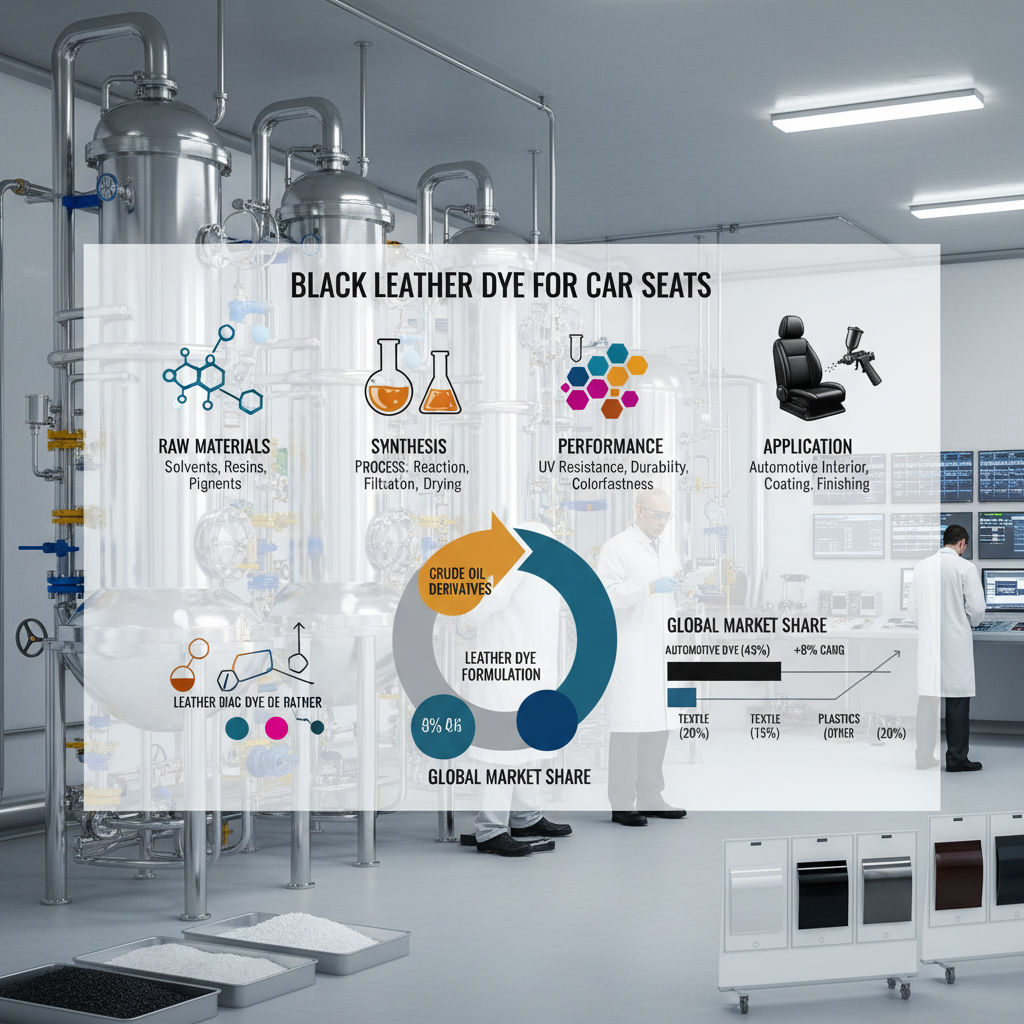
Product Specifications: Dyeingchem Black Leather Dye
Here's a look at the specifications of our premium black leather dye:
Conclusion: Achieving a Flawless Finish with Black Leather Dye
Restoring your car seats with black leather dye is a rewarding project that can significantly enhance the appearance of your vehicle. By carefully selecting the right dye, preparing the surface properly, and applying the dye with precision, you can achieve professional-quality results. Remember to always test the dye in an inconspicuous area first, and follow the manufacturer's instructions for optimal performance.
Frequently Asked Questions (FAQs)
How long will the dye last on my car seats?
The longevity of the dye depends on several factors, including the type of dye used, the level of UV exposure, and the frequency of use. Generally, a properly applied pigment dye can last for several years with minimal fading. Semi-aniline and aniline dyes may require more frequent reapplication. Applying a leather sealant or conditioner regularly will help protect the dye and extend its lifespan. Parking your car in the shade or using a car cover can also minimize UV damage.
Can I dye leather car seats that are already damaged?
Yes, you can dye damaged leather car seats, but the extent of the damage will affect the results. For minor scratches and scuffs, dye can effectively conceal the imperfections. However, for deep cracks or significant wear, you may need to repair the leather first with a leather filler or patch before applying the dye. Acrylic dyes are often the best choice for damaged leather as they offer good adhesion and flexibility.
What safety precautions should I take when dyeing leather?
Dyeing leather can involve working with chemicals, so it's important to take safety precautions. Always wear gloves and a respirator to protect your skin and lungs from fumes. Work in a well-ventilated area, and avoid contact with eyes and skin. Dispose of used materials properly according to local regulations. Read and follow the safety instructions provided with the dye product.
Is it possible to change the color of my leather car seats from one color to black?
Yes, it is possible to change the color of leather car seats to black, but it requires careful preparation and may not always yield perfect results. Lighter colors will generally be easier to cover than darker colors. It's crucial to thoroughly deglaze the leather to remove the existing finish and ensure proper dye adhesion. Multiple coats of dye may be necessary to achieve a uniform, opaque black color. Consider consulting with a professional leather restoration specialist for best results.