Comprehensive Guide to Organic Black Pond Dye for a Thriving Ecosystem
Comprehensive Guide to Organic Black Pond Dye for a Thriving Ecosystem
Understanding and Utilizing Organic Black Pond Dye
Maintaining a healthy and aesthetically pleasing pond ecosystem requires careful consideration. One effective, environmentally friendly solution is the use of organic black pond dye. This article provides a comprehensive overview of organic black pond dye, its benefits, application, and how it contributes to a thriving aquatic environment. We'll explore how it improves water quality, enhances visual appeal, and supports aquatic life, all while being safe for both the ecosystem and humans. Choosing the right dye is crucial for achieving optimal results, and we'll guide you through the key considerations.
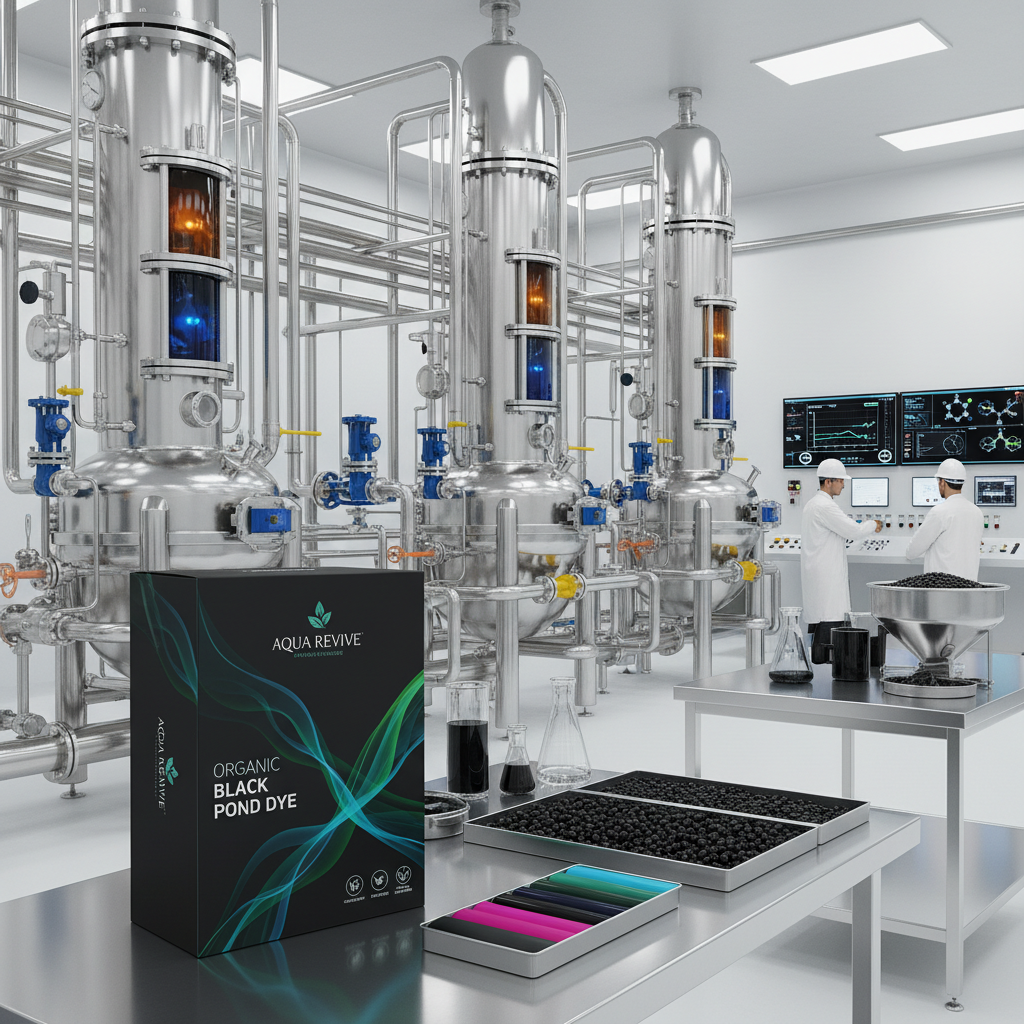
The Benefits of Using Organic Black Pond Dye
Organic black pond dye offers a multitude of benefits beyond simply darkening the water. One primary advantage is its ability to block sunlight penetration. This sunlight blockage helps control excessive algae growth, preventing unsightly blooms and maintaining clearer water. Unlike chemical algaecides, organic dyes are non-toxic to fish, plants, and other aquatic organisms. This makes them a safe and sustainable solution for pond management. Furthermore, the darker water can help reduce bottom-dwelling weed growth by limiting photosynthesis. This, in turn, improves oxygen levels within the pond, supporting a healthier aquatic ecosystem. The dye also enhances the aesthetic appeal of the pond, creating a more natural and visually pleasing environment. Explore our range of dyes for tailored pond solutions.
Key Highlights: Blocks sunlight to control algae, non-toxic to aquatic life, reduces weed growth, improves oxygen levels, and enhances pond aesthetics.
Organic Black Pond Dye vs. Chemical Algaecides: A Detailed Comparison
While chemical algaecides offer a quick fix for algae blooms, they often come with significant drawbacks. These chemicals can be harmful to fish and other aquatic life, disrupting the delicate balance of the ecosystem. They also require repeated applications, leading to ongoing costs and potential long-term environmental impacts. Organic black pond dye, on the other hand, provides a more sustainable and environmentally responsible approach. It addresses the root cause of algae growth—sunlight—rather than simply killing the algae. This results in a longer-lasting solution with minimal negative effects on the pond’s inhabitants. Choosing organic dye demonstrates a commitment to both pond health and environmental stewardship.
Comparison Table:
• Organic Dye: Non-toxic, sustainable, controls algae by blocking sunlight, long-lasting.
• Chemical Algaecide: Potentially harmful to aquatic life, requires frequent applications, can disrupt ecosystem balance.
Application Rates and Best Practices for Organic Black Pond Dye
Proper application is key to maximizing the effectiveness of organic black pond dye. The initial dosage will depend on the size of the pond and the desired level of darkness. A general guideline is to use 1-2 gallons of dye per acre-foot of water. It’s always best to start with a lower dosage and add more if necessary, as over-dyeing can limit sunlight penetration too much. The dye should be thoroughly mixed into the water to ensure even distribution. This can be achieved using a pond circulation pump or by applying the dye directly to a moving water source, such as an inlet or fountain. Reapplication is typically needed every few weeks or months, depending on rainfall, sunlight intensity, and water turnover rate. Regularly monitoring the pond's clarity and algae growth will help determine the optimal reapplication schedule.
Choosing the Right Organic Black Pond Dye Supplier
Selecting a reputable supplier is crucial for ensuring the quality and effectiveness of your organic black pond dye. Look for suppliers that specialize in pond management products and have a proven track record of customer satisfaction. Verify that the dye is certified organic and meets industry standards for environmental safety. Dyeingchem is a trusted provider of high-quality organic pond dyes, offering a range of solutions to meet your specific needs. We pride ourselves on providing excellent customer support and expert advice.
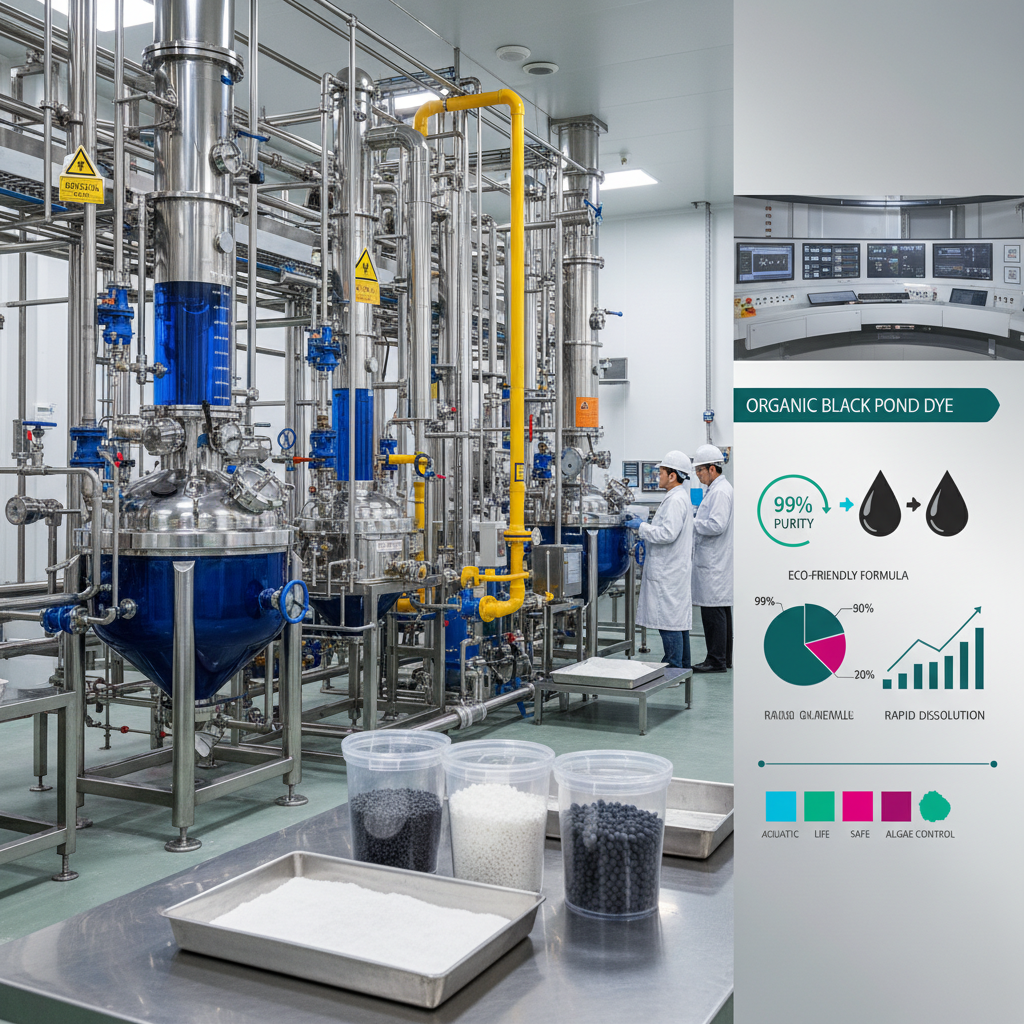
Conclusion: Enhancing Your Pond with Organic Solutions
Organic black pond dye is a safe, effective, and environmentally responsible solution for maintaining a healthy and beautiful pond. By blocking sunlight, controlling algae growth, and improving water quality, it provides numerous benefits for both the ecosystem and the aesthetic appeal of your pond. Choosing a reputable supplier like Dyeingchem ensures you receive a high-quality product and expert support. Invest in organic solutions for a thriving and sustainable pond environment.
Frequently Asked Questions (FAQs)
Will organic black pond dye affect the pH levels of my pond?
Generally, organic black pond dye has a negligible effect on the pH levels of a pond. The dyes used are formulated to be pH neutral and do not contain any acidic or alkaline substances that would significantly alter the water's chemistry. However, it's always a good practice to regularly monitor your pond's pH levels, especially if you have a sensitive ecosystem or specific aquatic life requirements. Maintaining a stable pH is crucial for the overall health of the pond, regardless of whether you use dye or other treatment methods.
Is organic black pond dye safe for koi and other ornamental fish?
Yes, high-quality organic black pond dye is specifically formulated to be safe for koi and other ornamental fish when used as directed. The dyes are non-toxic and do not contain any harmful chemicals that would be detrimental to fish health. However, as with any pond treatment, it's essential to follow the recommended dosage instructions and ensure adequate oxygen levels in the water. Sudden changes in water quality can stress fish, so gradual application and monitoring are recommended.
How long does the darkening effect of the dye last?
The duration of the darkening effect depends on several factors, including sunlight intensity, rainfall, water turnover rate, and the initial dosage. Typically, the effect lasts for several weeks to a few months. Rainfall and high water turnover can dilute the dye, reducing its concentration. Sunlight can also break down the dye over time. Regular monitoring of the pond's clarity and reapplication as needed will ensure consistent results.
Can I use organic black pond dye in conjunction with other pond treatments?
While organic black pond dye is generally compatible with other pond treatments, it's crucial to exercise caution and avoid mixing incompatible products. It's best to consult with a pond management professional or the product labels before combining any treatments. In particular, avoid mixing dye with strong algaecides or chemical treatments, as this could lead to adverse reactions. Allow sufficient time between applications of different treatments to ensure they don't interfere with each other.