Choosing The Optimal Fabric Dye Black Colour For Textile Projects
Choosing The Optimal Fabric Dye Black Colour For Textile Projects
Choosing the Right Fabric Dye Black Colour for Your Textiles
Achieving a rich, consistent black colour in textile dyeing can be challenging. The selection of the appropriate fabric dye black colour is crucial for optimal results, impacting everything from colourfastness to cost-effectiveness. This article will guide you through the considerations when choosing a black dye, exploring different dye classes, application methods, and factors affecting dye uptake. We'll cover everything from reactive dyes for cotton to disperse dyes for polyester, ensuring you have the knowledge to select the best dye for your specific textile project.

Understanding Dye Classes for Black Colour
Black dyes aren't a single entity; they're formulated within different dye classes, each suited to specific fibre types. Reactive dyes are commonly used for cellulosic fibres like cotton, linen, and viscose, forming a covalent bond with the fibre for excellent washfastness. Disperse dyes are ideal for synthetic fibres such as polyester, relying on diffusion into the fibre. Acid dyes work well with protein fibres like wool and silk, providing vibrant colours but potentially lower washfastness compared to reactive dyes. Direct dyes are another option for cotton, offering ease of use but generally less colourfastness. Choosing the correct dye class is the foundational step towards achieving a lasting black colour.
Key Considerations: Fibre type, desired washfastness, and application process significantly influence the choice of dye class. Always consult the dye manufacturer's specifications for optimal results.
Reactive Dyes: A Deep Dive into Black for Cotton
For dyeing cotton black, reactive dyes are a popular choice due to their excellent washfastness and vibrant results. These dyes form a chemical bond with the cellulose fibres, preventing the colour from easily washing out. However, reactive dyeing requires careful control of pH, temperature, and electrolyte concentration for optimal fixation. Proper aftertreatment, including thorough rinsing and soaping, is essential to remove unfixed dye and prevent staining. The quality of the water used in the dyeing process also plays a crucial role, as hard water can interfere with dye uptake.
Key Benefits of Reactive Black Dyes:
• Excellent washfastness
• Bright, vibrant black shades
• Suitable for a wide range of cotton-based fabrics
• Relatively cost-effective
Disperse Dyes: Achieving Black on Polyester
Polyester, being a synthetic fibre, requires disperse dyes to achieve a durable black colour. Disperse dyes are finely ground insoluble particles that disperse in the dyeing bath and penetrate the polyester fibre at high temperatures. High-temperature dyeing is crucial for effective dye uptake, typically ranging from 120°C to 130°C. Carrier dyes are often used to aid in dye penetration, but careful consideration must be given to environmental regulations and health concerns associated with these carriers. The choice of dispersant and the control of pH also significantly impact the final shade and fastness properties.
Factors Influencing Black Dye Uptake
Beyond dye class and fibre type, several factors influence the final black shade and its fastness properties. Water quality, as mentioned before, is paramount. The presence of minerals and impurities can hinder dye uptake. Pre-treatment of the fabric, including scouring and bleaching, removes impurities and prepares the fibre for optimal dye absorption. The dye-to-liquor ratio, the concentration of dye in the dyeing bath, also plays a crucial role. Finally, the duration of dyeing and the cooling rate after dyeing impact the final result. A thorough understanding of these factors is key to consistent and high-quality black dyeing. For high-quality fabric dye black colour, consider sourcing from reputable suppliers like Dyeingchem.
Conclusion: Achieving Consistent Black Dyeing
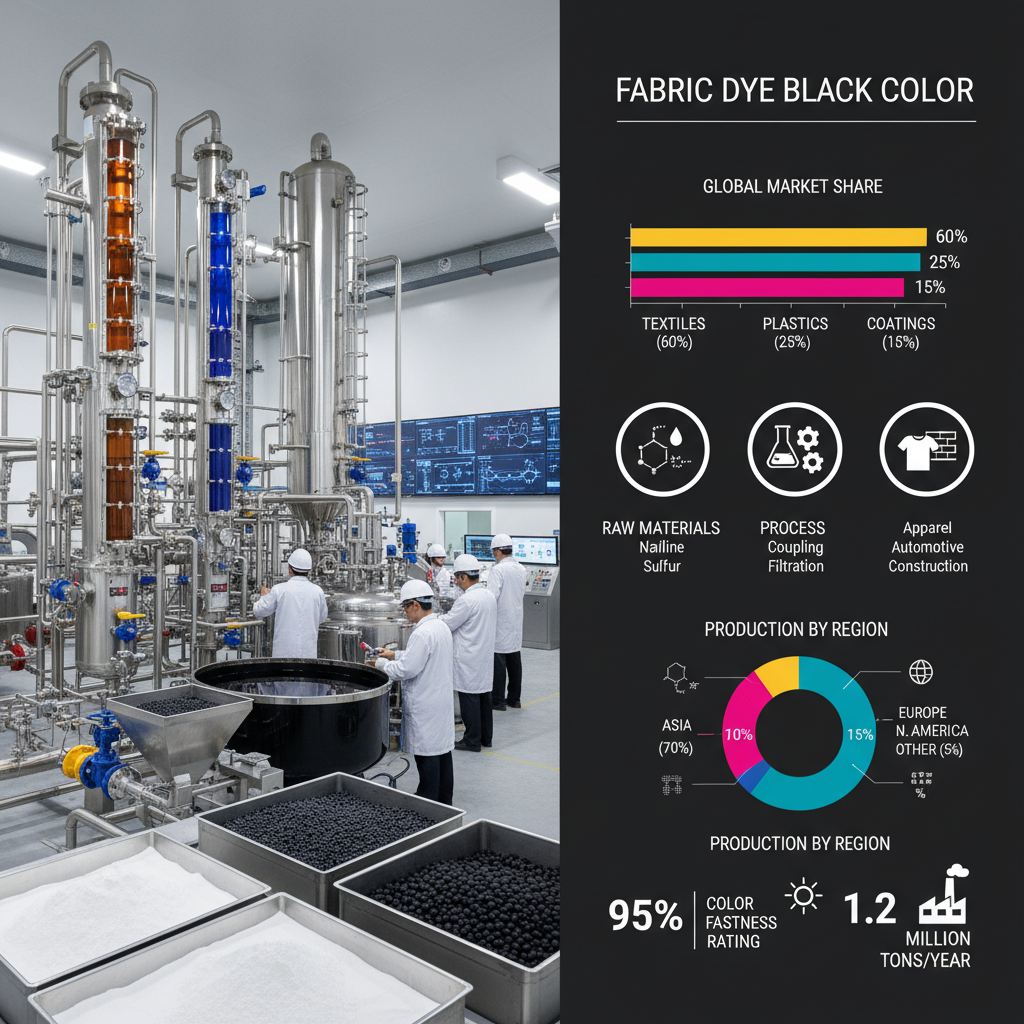
Successfully dyeing fabric black requires a holistic approach, considering fibre type, dye class, application method, and numerous influencing factors. Choosing the right fabric dye black colour is only the first step. Proper pre-treatment, careful process control, and quality aftertreatment are essential for achieving consistent, vibrant, and washfast black shades. By understanding these principles, you can confidently tackle your textile dyeing projects and achieve professional-quality results.
Frequently Asked Questions (FAQs)
What is the difference between azoic dyes and other black dyes?
Azoic dyes are a unique class of insoluble dyes formed directly within the fibre through a chemical reaction between a diazonium salt and a coupling component. This creates a very washfast black, particularly on cotton. However, azoic dyeing can be complex, requiring careful control of reaction conditions and generating potentially harmful byproducts. They are generally less environmentally friendly compared to reactive or disperse dyes and require specialized handling. Their primary advantage lies in producing very deep, cost-effective black shades, but modern alternatives often offer a better balance of performance and sustainability.
How can I prevent uneven dyeing when using black reactive dyes?
Uneven dyeing with reactive dyes often stems from inadequate pretreatment or poor dye migration. Ensure the fabric is thoroughly scoured to remove sizing and waxes. Maintain consistent temperature and pH throughout the dyeing process. Utilize a leveling agent to promote even dye uptake. Slowly adding the dye to the bath and using a moderate stirring speed can also improve results. If you encounter issues, consider a re-dyeing process with adjusted parameters, ensuring proper salt and alkali concentration.
What are the environmental considerations when choosing a black dye?
The environmental impact of black dyes varies significantly. Azoic dyes, while cost-effective, can generate harmful byproducts. Some disperse dyes contain carriers that are also environmentally concerning. Reactive dyes, while generally better, still require careful wastewater treatment to remove unfixed dye. Consider dyes certified by reputable environmental standards (e.g., Oeko-Tex) and prioritize sustainable dyeing practices like water conservation and energy efficiency. Dyeingchem offers a range of environmentally friendly dye options.
How do I test the washfastness of my dyed black fabric?
Washfastness can be tested using standardized methods outlined by organizations like AATCC (American Association of Textile Chemists and Colorists). A simple test involves washing a sample of the dyed fabric with a standard detergent at a specific temperature, then assessing any colour bleeding onto an adjacent white fabric. You can also check for colour loss on the original fabric. More rigorous tests involve multiple washes and various detergent types. Commercial testing labs offer comprehensive washfastness assessments to ensure your dyed fabric meets industry standards.