Exploring Textile Reactive Dyes A Comprehensive Guide to Applications and Benefits
Exploring Textile Reactive Dyes A Comprehensive Guide to Applications and Benefits
Understanding Textile Reactive Dyes: A Comprehensive Guide
Textile reactive dyes are a cornerstone of the modern textile industry, prized for their vibrant colors, excellent wash fastness, and versatility. These dyes form a covalent bond with the fiber, resulting in a durable and long-lasting coloration. This article will delve into the world of textile reactive dyes, covering their types, application processes, advantages, and considerations for optimal use. Whether you're a textile manufacturer, designer, or simply curious about the science behind vibrant fabrics, this guide provides a comprehensive overview.
What are Textile Reactive Dyes?
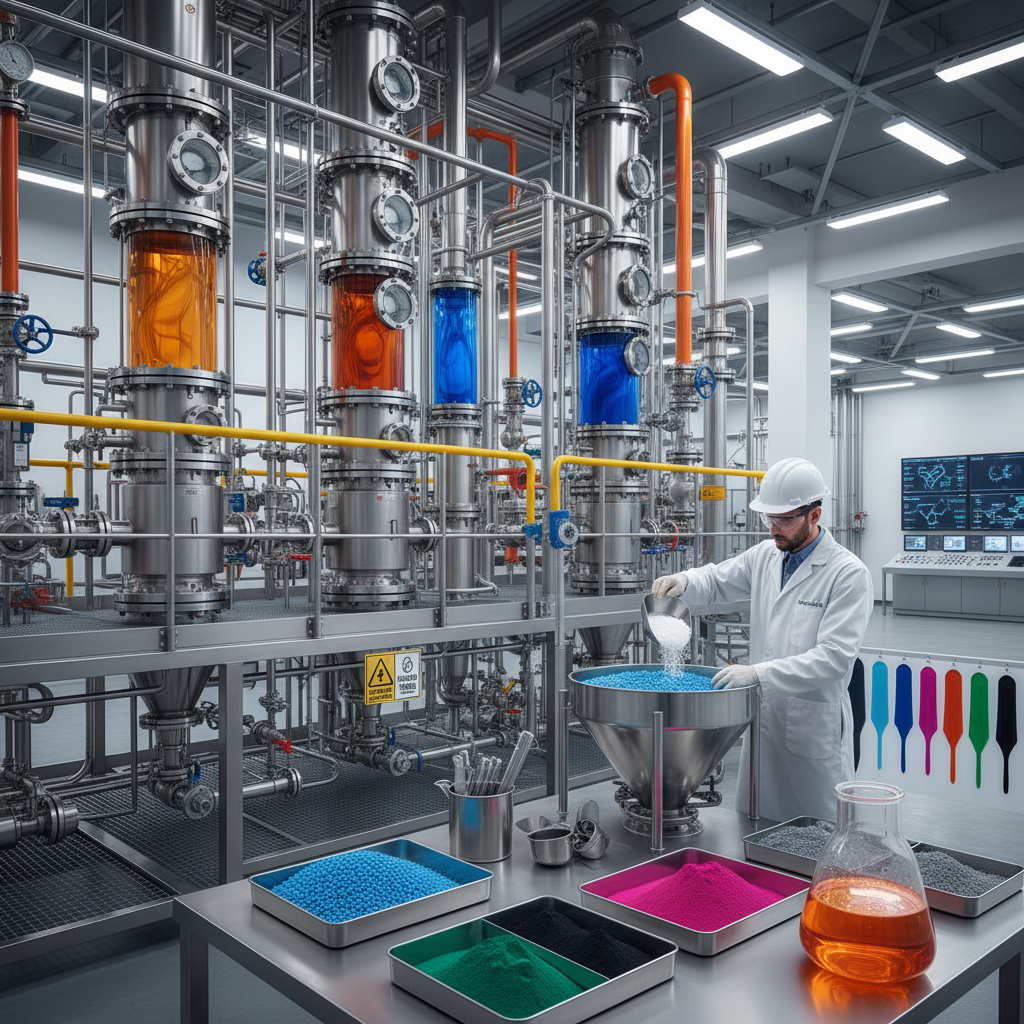
Reactive dyes are a class of colored substances that react chemically with textile fibers, forming a covalent bond. This bond ensures the dye becomes an integral part of the fiber, resulting in exceptional wash fastness. They are particularly well-suited for cellulosic fibers like cotton, linen, and viscose, as well as protein fibers like silk and wool, although the reactive groups and application methods may vary. The 'reactive' part refers to the presence of reactive groups within the dye molecule that facilitate this chemical bonding. This contrasts with other dye types, like direct dyes, which rely on physical adsorption and are less durable.
Key Benefit: Reactive dyes provide superior wash and light fastness due to the chemical bond formed with the fiber.
Types of Textile Reactive Dyes
There are several types of reactive dyes, categorized based on their reactive group. Some of the most common include:
- Vinyl Sulfone Dyes: Offer excellent all-round properties and are widely used for cotton.
- Monochlorotriazine (MCT) Dyes: Good for lighter shades and offer good leveling properties.
- Bifunctional Reactive Dyes: Contain two reactive groups, providing higher fixation rates and improved fastness.
- Heterobifunctional Reactive Dyes: Combine different reactive groups for broader applicability and enhanced performance.
The choice of dye type depends on factors like the fiber type, desired shade, and required fastness properties. Dyeingchem offers a wide range of these reactive dyes to meet diverse textile needs.
The Dyeing Process with Reactive Dyes
The dyeing process using reactive dyes typically involves several stages: pre-treatment, dyeing, and post-treatment. Pre-treatment prepares the fabric for optimal dye uptake. The dyeing process itself is carried out in an alkaline environment to facilitate the reaction between the dye and the fiber. Post-treatment includes washing to remove unfixed dye and applying finishing agents to enhance the fabric's properties. Proper control of temperature, pH, and dye concentration is crucial for achieving consistent and high-quality results.
Key Steps in Reactive Dyeing:
• Pre-treatment: Scouring, bleaching, mercerization
• Dyeing: Dye application in an alkaline bath
• Post-treatment: Washing, soaping, finishing
Reactive Dye Performance: Comparison with Other Dye Classes
Compared to other dye classes, reactive dyes excel in several key areas. Direct dyes, while easy to apply, offer lower wash fastness. Vat dyes provide excellent fastness but require a more complex and time-consuming dyeing process. Disperse dyes are suitable for synthetic fibers but lack the vibrancy and eco-friendliness of reactive dyes on cellulosic materials. The following table summarizes a comparison:
Considerations and Future Trends
While reactive dyes offer numerous benefits, it's important to consider the environmental impact of dye effluents. Efforts are ongoing to develop more sustainable dyeing processes and dyes with higher fixation rates, reducing waste. Furthermore, research into novel reactive groups and application techniques continues to enhance dye performance and expand the range of achievable colors. Choosing reputable suppliers like Dyeingchem ensures access to high-quality dyes and expert technical support.
Conclusion: The Enduring Value of Reactive Dyes
Textile reactive dyes remain the preferred choice for achieving vibrant, durable, and high-quality coloration on cellulosic fibers. Their excellent wash fastness and versatility make them ideal for a wide range of applications. By understanding the different dye types, application processes, and future trends, textile manufacturers can optimize their dyeing operations and create innovative, sustainable products.
Frequently Asked Questions (FAQs)
What is the environmental impact of using reactive dyes?
Reactive dyeing can generate significant amounts of effluent containing unfixed dye and auxiliary chemicals. This can contribute to water pollution if not properly treated. However, advancements in dyeing technology, such as optimized dye formulations and improved effluent treatment systems, are minimizing this impact. Choosing dyes with higher fixation rates and implementing closed-loop water recycling systems are crucial steps towards sustainable dyeing practices. Suppliers like Dyeingchem are actively working on eco-friendly alternatives and solutions.
What factors affect the colorfastness of reactive dyes?
Several factors influence the colorfastness of reactive dyes, including the dye type, fiber type, dyeing conditions (temperature, pH, time), and post-treatment processes. Proper pre-treatment of the fabric is essential for optimal dye uptake and fixation. Using appropriate finishing agents can further enhance wash and light fastness. Maintaining consistent dyeing parameters and ensuring thorough washing to remove unfixed dye are also crucial for achieving durable coloration.
Can reactive dyes be used on synthetic fabrics?
While reactive dyes are primarily used on cellulosic and protein fibers, they generally do not bond well with hydrophobic synthetic fibers like polyester. However, modifications to the fiber or the dye molecule can sometimes enable reactive dyeing on certain synthetic blends. For example, incorporating cellulosic components into the blend allows the reactive dye to bind to those portions of the fabric. Different dye classes, such as disperse dyes, are typically preferred for dyeing synthetic fabrics directly.
Where can I source high-quality textile reactive dyes?
Dyeingchem is a leading supplier of high-quality textile reactive dyes. They offer a comprehensive range of dyes, excellent technical support, and competitive pricing. Their products are known for their consistent quality, vibrant colors, and reliable performance. They also prioritize sustainable practices and offer eco-friendly dye options.