A Comprehensive Exploration of Textile Colouring Methods and Sustainable Practices
A Comprehensive Exploration of Textile Colouring Methods and Sustainable Practices
Textile Colouring: A Comprehensive Guide
Textile colouring is the process of adding colour to textile products. This is a crucial step in the manufacturing of fabrics, garments, and other textile items. The process involves applying dyes or pigments to the fabric, ensuring colourfastness, vibrancy, and desired aesthetic qualities. Understanding the nuances of textile colouring is essential for anyone involved in the textile industry, from designers to manufacturers and beyond. Choosing the right colouring method and chemicals can significantly impact the quality and durability of the final product.
Types of Textile Colouring Methods
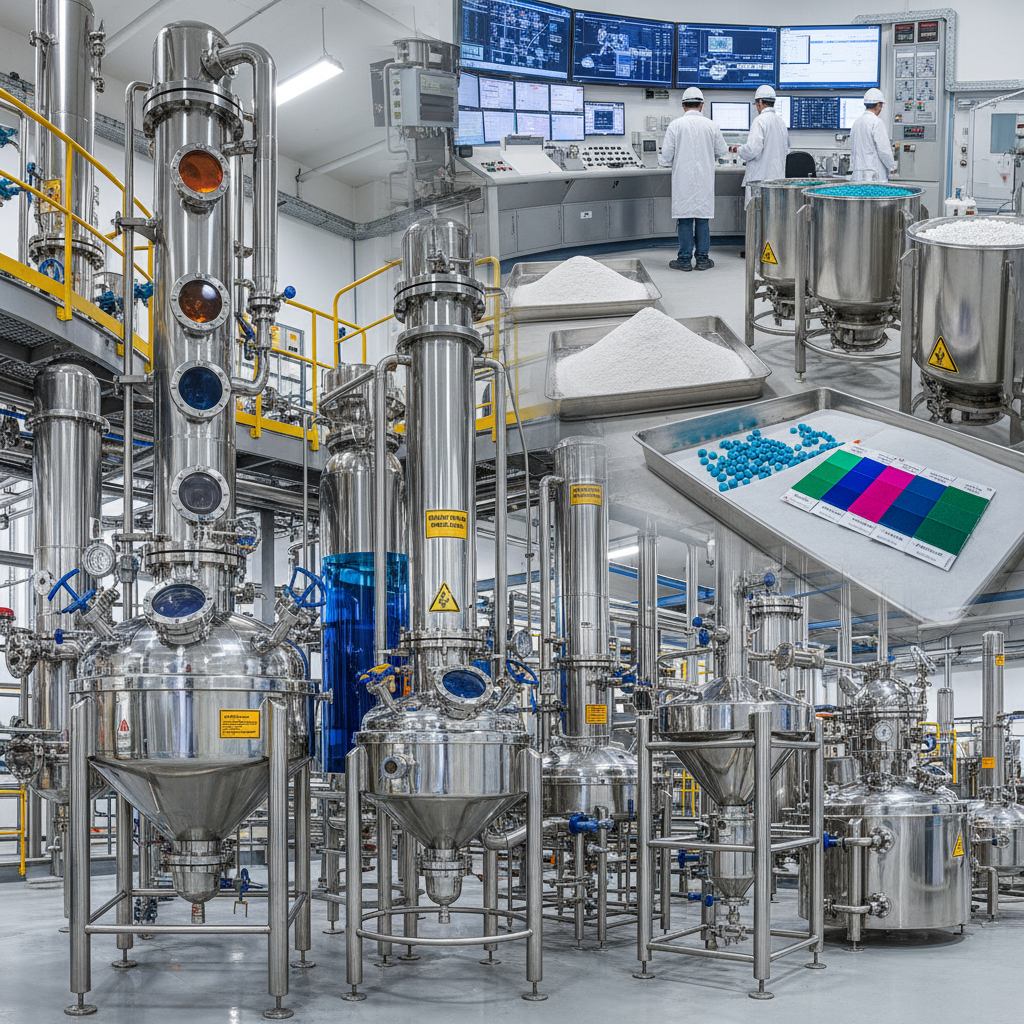
Several methods are employed for textile colouring, each with its advantages and disadvantages. These methods primarily fall into three categories: direct application, resist dyeing, and discharge printing. Direct application involves immersing the fabric directly into a dye bath. Resist dyeing utilizes substances to prevent dye from penetrating certain areas, creating patterns. Discharge printing removes colour from previously dyed fabrics to create designs. The selection of a method depends on the fabric type, desired pattern complexity, and cost considerations. The growing demand for sustainable practices is also driving innovation in eco-friendly colouring techniques.
Key Highlights: Textile colouring methods vary depending on the fabric and desired outcome, ranging from simple immersion to complex pattern creation.
Understanding Dye Classes
Dyes are classified based on their chemical structure and application method. Common dye classes include reactive dyes, direct dyes, vat dyes, and disperse dyes. Reactive dyes form a chemical bond with the fabric, resulting in excellent colourfastness, often used for cotton. Direct dyes are simpler to apply but have lower wash fastness. Vat dyes are known for their exceptional durability and are commonly used for denim. Disperse dyes are ideal for synthetic fibers like polyester. Choosing the right dye class is crucial to achieving the desired colour and performance characteristics. Dyeingchem offers a comprehensive range of dye classes tailored to diverse textile applications.
Dye Class Benefits:
• Reactive Dyes: Excellent colorfastness on cotton.
• Direct Dyes: Easy to apply.
• Vat Dyes: Exceptional durability for denim.
• Disperse Dyes: Ideal for polyester.
Reactive Dyes vs. Direct Dyes: A Comparison
Reactive and direct dyes are both commonly used for cellulose fibers, but they differ significantly in their chemical properties and resulting fabric performance. Reactive dyes form a covalent bond with the fiber, resulting in excellent wash and light fastness. Direct dyes, on the other hand, rely on hydrogen bonding, making them less durable. However, direct dyes are generally more cost-effective and easier to apply. The choice between these two dyes depends on the desired quality and application requirements.
Sustainability in Textile Colouring
The textile industry is facing increasing pressure to adopt more sustainable practices. Traditional textile colouring processes can consume significant amounts of water and energy, and generate harmful effluents. Emerging technologies, such as waterless dyeing, digital printing, and the use of natural dyes, are gaining traction. These innovations aim to reduce environmental impact and create a more responsible textile supply chain. Companies like Dyeingchem are at the forefront of developing and supplying eco-friendly colouring solutions.
Product Specifications for Key Dyeing Chemicals
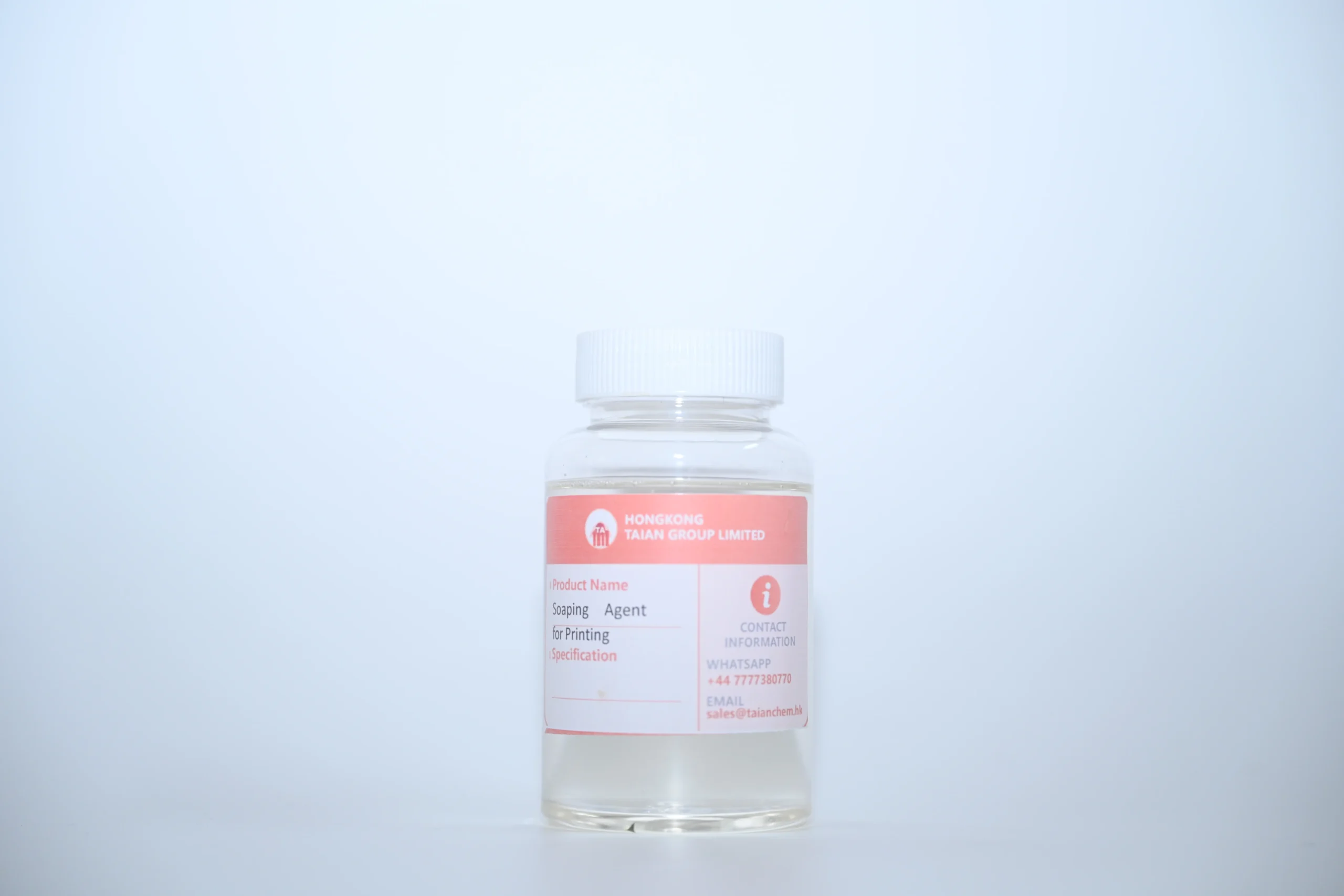
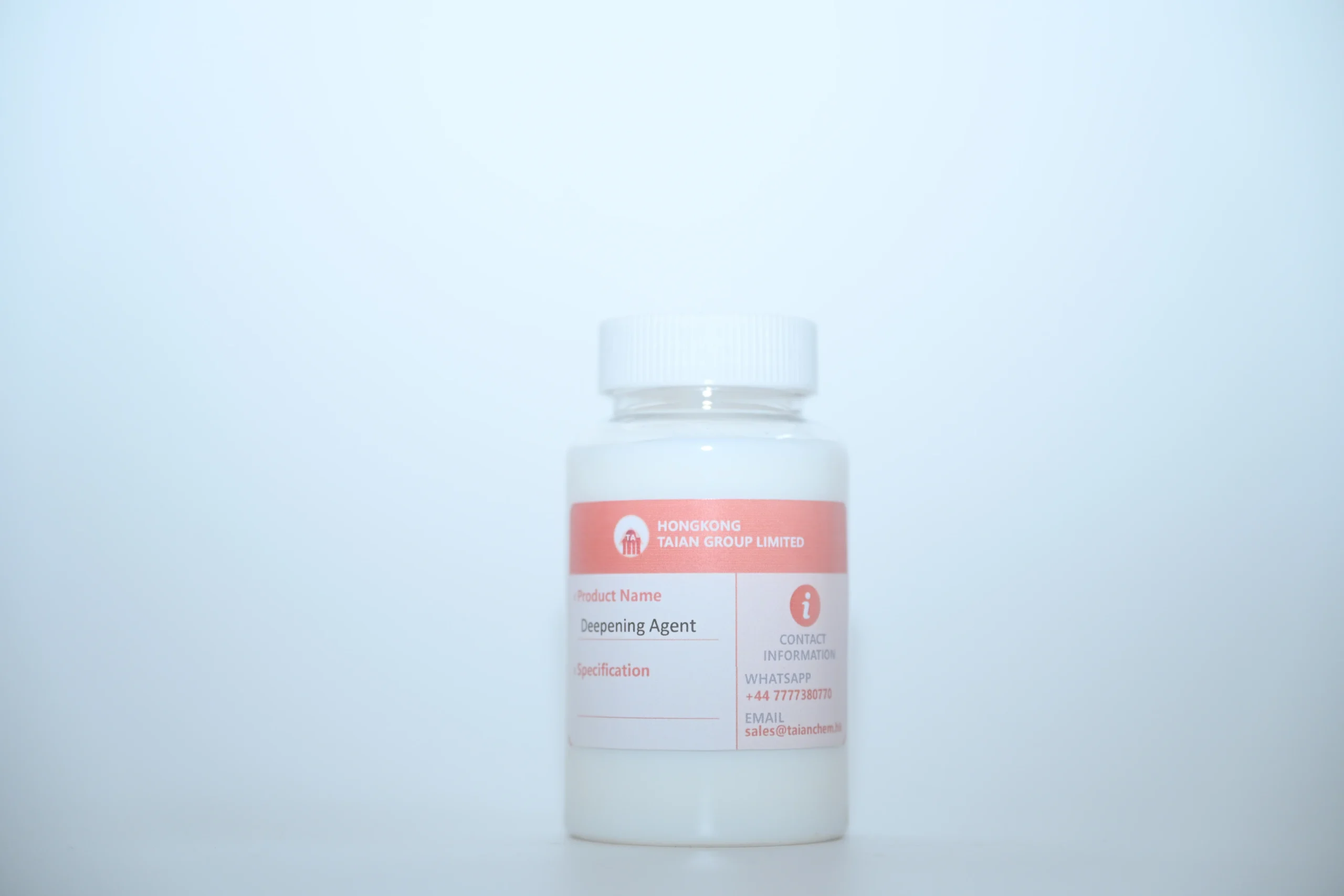
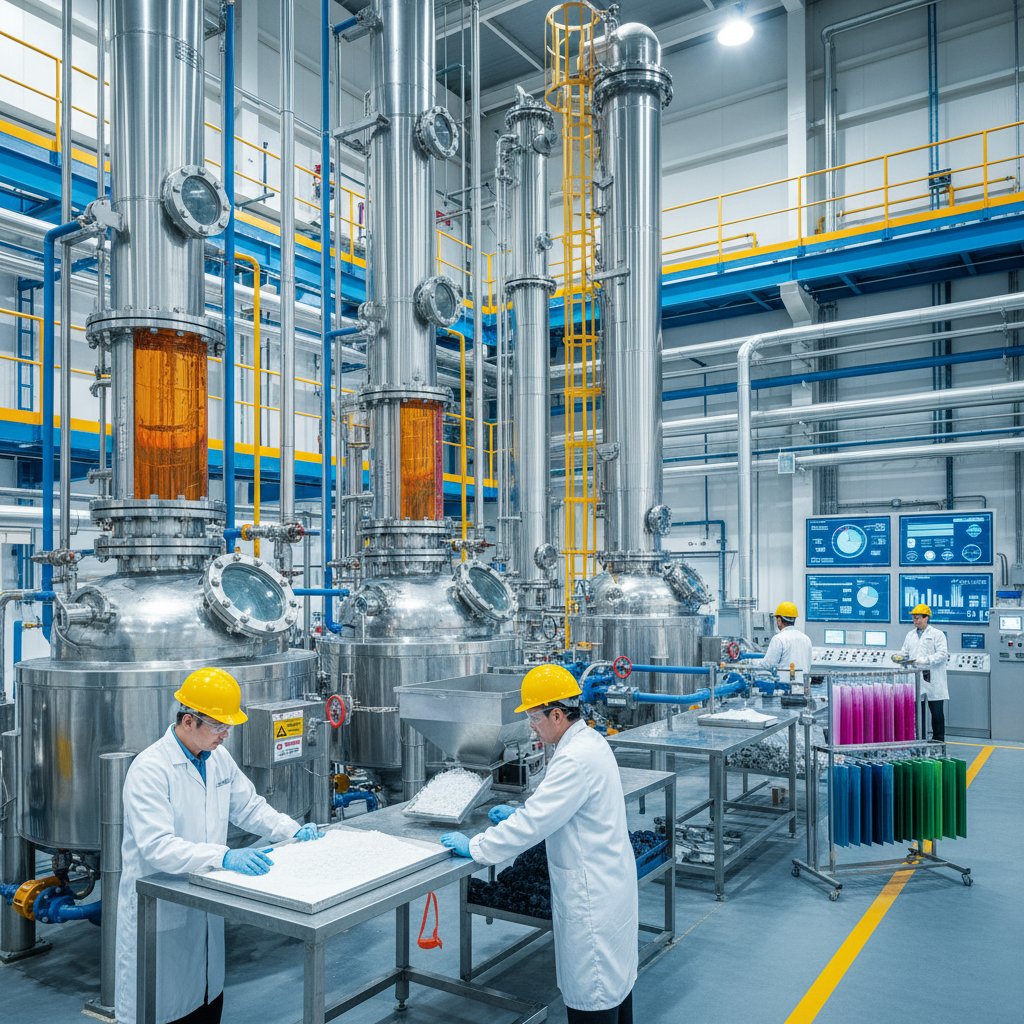
Understanding the specifications of dyeing chemicals is essential for achieving optimal results. Below are sample specifications for some commonly used products. It’s crucial to consult the product datasheet for the most up-to-date information.
Conclusion: Mastering the Art of Textile Colouring
Textile colouring is a complex process that requires a thorough understanding of dyes, methods, and sustainability practices. By leveraging innovative technologies and collaborating with reputable suppliers like Dyeingchem, the industry can continue to evolve and meet the demands of a conscious consumer base. Investing in knowledge and sustainable solutions is key to creating vibrant, durable, and environmentally responsible textiles.
Frequently Asked Questions (FAQs)
What factors affect the colourfastness of dyed fabrics?
Colourfastness, or the resistance of a dye to fading or running, is influenced by several factors. These include the type of dye used, the fiber content of the fabric, the dyeing method employed, and the finishing treatments applied. Reactive dyes generally offer excellent colourfastness, while direct dyes are less resistant to washing and light exposure. Proper dyeing procedures, including thorough rinsing and fixing agents, are crucial for maximizing colourfastness. The quality of the dye itself also plays a significant role.
How can I reduce water consumption in textile dyeing?
Reducing water consumption is a key sustainability goal in textile dyeing. Several strategies can be employed, including using low-liquor ratio dyeing machines, implementing water recycling systems, and exploring waterless dyeing technologies like supercritical carbon dioxide dyeing. Optimizing dyeing processes to minimize rinsing steps and utilizing efficient dye uptake methods can also contribute to water savings. Furthermore, selecting dyes that require less water for application is crucial.
What are the benefits of using digital textile printing?
Digital textile printing offers several advantages over traditional methods. It allows for on-demand printing, reducing waste and enabling customized designs. It also eliminates the need for screens and minimizes water and chemical usage. Digital printing provides precise colour control and can achieve high levels of detail and photographic quality. While the initial investment may be higher, the long-term benefits in terms of efficiency and sustainability make it an attractive option.
Where can I source high-quality textile dyes and chemicals?
Sourcing reliable suppliers is vital for ensuring the quality and consistency of textile dyes and chemicals. Dyeingchem is a trusted provider of a wide range of high-quality dyes, chemicals, and auxiliaries for the textile industry. They offer comprehensive technical support and customized solutions to meet specific customer needs. Choosing a reputable supplier with a commitment to quality and sustainability is essential for successful textile production.