Exploring the Principles of Dyeing Textiles for Enhanced Quality and Innovation
Exploring the Principles of Dyeing Textiles for Enhanced Quality and Innovation
Principles of Dyeing Textiles: A Comprehensive Guide
The art and science of dyeing textiles is a complex process vital to the fashion, apparel, and home furnishings industries. Understanding the principles of dyeing textiles is crucial for achieving consistent, high-quality results. This article will delve into these fundamental concepts, covering dye types, fiber properties, dyeing mechanisms, and factors influencing colorfastness. Whether you are a textile student, a dyeing professional, or simply interested in the process, this guide will provide valuable insights.
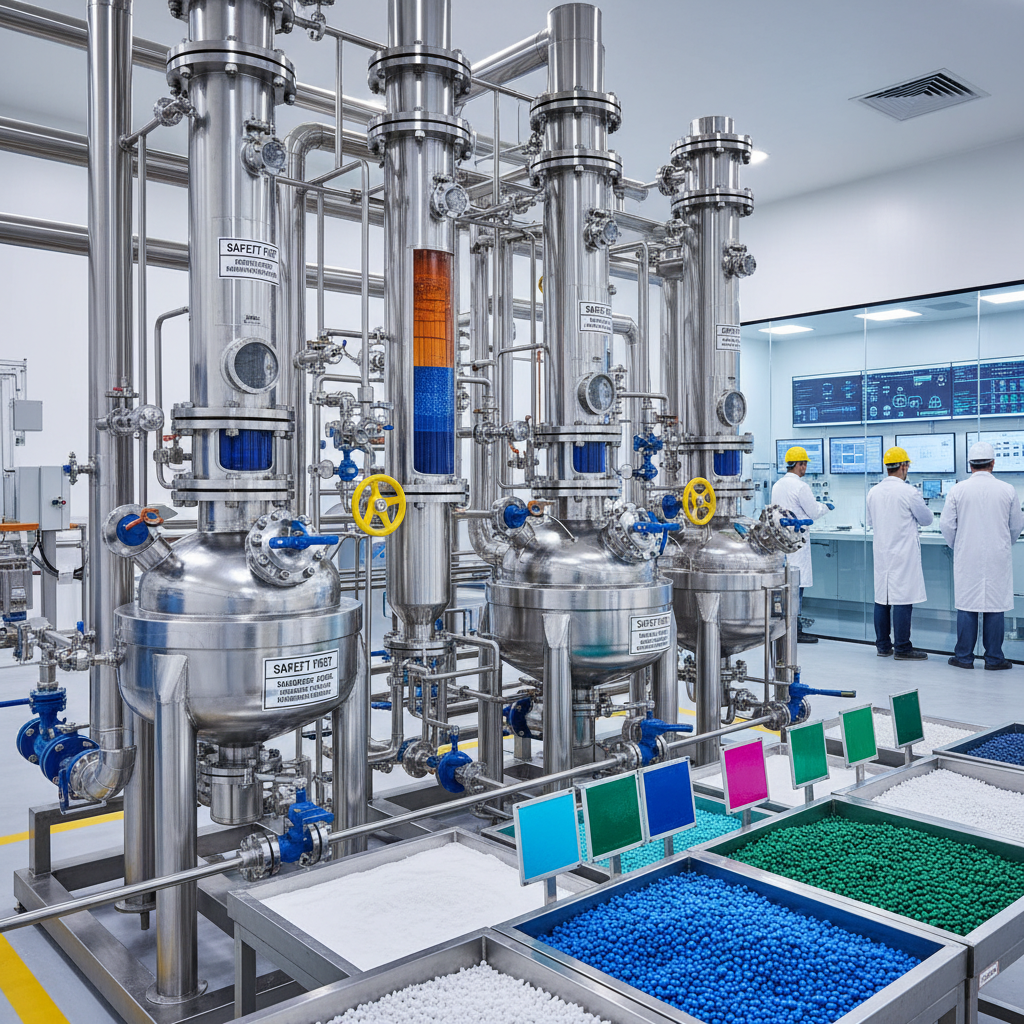
Understanding Dye Types
Different dyes are suited for different fiber types. The choice of dye impacts the color achieved, its durability, and the dyeing process itself. Common dye classes include reactive dyes (used for cotton and other cellulosic fibers), direct dyes, vat dyes, disperse dyes (for polyester), acid dyes (for nylon and wool), and basic dyes. Reactive dyes form a covalent bond with the fiber, resulting in excellent wash fastness, while disperse dyes rely on physical entrapment within the fiber. Dyeingchem.com offers a comprehensive range of dyes to meet specific textile needs.
Fiber Properties and Dye Affinity
The chemical structure of a fiber dramatically influences its ability to be dyed. Natural fibers like cotton, wool, and silk have different dye affinities due to their composition. Synthetic fibers, such as polyester and nylon, require specific dyes designed to interact with their polymeric structure. Fiber properties like porosity, swelling, and the presence of functional groups (like hydroxyl or amino groups) affect dye uptake. Understanding these properties allows for optimized dyeing procedures. For example, cellulosic fibers like cotton readily absorb water and reactive dyes, while polyester is hydrophobic and requires disperse dyes and higher temperatures for effective dyeing.
The Dyeing Mechanism: How Color Adheres
Dyeing involves several key mechanisms. Diffusion, absorption, and fixation are critical. Diffusion refers to the movement of dye molecules from the dye bath to the fiber interior. Absorption is the uptake of dye molecules by the fiber. Fixation is the process that makes the dye-fiber bond permanent. This can involve covalent bonding (as with reactive dyes), physical entrapment (as with disperse dyes), or ionic bonding (as with basic dyes). Temperature, pH, and electrolyte concentration all play a significant role in these processes, impacting dye penetration and color yield.
Key Dyeing Mechanisms: Diffusion, Absorption, Fixation. These processes are influenced by temperature, pH, and electrolyte concentration.
Factors Influencing Colorfastness
Colorfastness refers to the resistance of a dyed textile to color change or loss during exposure to various conditions, such as washing, light, rubbing, and perspiration. Several factors influence colorfastness. Dye type, fiber type, and the thoroughness of the dyeing and after-treatment processes (like washing and fixing) are critical. The quality of the dye itself is also paramount. For superior colorfastness, it's essential to select dyes specifically designed for the fiber type and to follow recommended dyeing procedures. Dyeingchem.com provides dyes renowned for their excellent colorfastness properties.
Factors Affecting Colorfastness:
• Dye Type
• Fiber Type
• Dyeing Process Control
• After-treatment Procedures
Dyeing Processes and Control Parameters
Various dyeing processes exist, including batch dyeing, continuous dyeing, and package dyeing, each suited for different fiber types and production volumes. Control parameters such as temperature, pH, liquor ratio (the ratio of dye bath volume to fabric weight), and dyeing time are critical for consistent results. Precise control of these parameters ensures uniform dye uptake and minimizes defects. Modern dyeing machines incorporate sophisticated control systems to maintain optimal conditions throughout the process.
Conclusion: Mastering the Art of Textile Dyeing
A thorough understanding of the principles of dyeing textiles is fundamental to achieving successful and sustainable dyeing processes. By carefully considering fiber properties, dye selection, and control parameters, professionals can create high-quality, colorfast textiles. Resources like Dyeingchem.com provide access to the latest dyes and expert guidance to optimize dyeing operations.
Frequently Asked Questions (FAQs)
What is the difference between direct and reactive dyes?
Direct dyes are simpler in structure and apply directly to cellulosic fibers, but generally have lower wash fastness. Reactive dyes, on the other hand, form a covalent bond with the fiber, resulting in excellent wash fastness and brighter shades. Reactive dyes require more complex application processes, often involving alkali and elevated temperatures. While direct dyes are more economical, reactive dyes are preferred for applications demanding high durability and color retention, such as apparel and home textiles. Selecting the right dye class depends on the desired performance characteristics and the specific application.
How does water hardness affect the dyeing process?
Water hardness, primarily caused by calcium and magnesium ions, can significantly impact the dyeing process. These ions can interfere with dye-fiber interactions, reduce dye solubility, and form insoluble precipitates, leading to uneven dyeing and reduced color yield. Softening the water through ion exchange or chemical treatment is often necessary, especially when using dyes sensitive to hard water. Proper water treatment ensures optimal dyeing conditions and consistent results. Dyeingchem.com offers technical support on water quality considerations for effective dyeing.
What are the environmental considerations in textile dyeing?
Textile dyeing can have significant environmental impacts, primarily due to water consumption and wastewater discharge containing dyes and chemicals. Sustainable dyeing practices include using eco-friendly dyes, optimizing water usage through closed-loop systems, and implementing effective wastewater treatment technologies. Reducing the use of hazardous chemicals and employing energy-efficient dyeing processes are also crucial. Choosing dyes from suppliers committed to environmental responsibility, like Dyeingchem.com, is an important step towards minimizing environmental impact.
How do you ensure level dyeing across a fabric?
Achieving level dyeing – consistent color distribution across the entire fabric – requires careful control of several factors. Proper pre-treatment of the fabric to remove impurities, uniform dye bath circulation, consistent temperature control, and appropriate dye selection are essential. Slowly adding the dye to the bath and using leveling agents can also help promote even dye uptake. Regular monitoring of the dyeing process and adjustments as needed are crucial for ensuring a level shade throughout the fabric.