Exploring Reactive Dye in Textile Industry Applications and Future Trends
Exploring Reactive Dye in Textile Industry Applications and Future Trends
Reactive Dye in Textile: A Comprehensive Guide
Reactive dyes are a class of highly versatile colorants used extensively in the textile industry. Known for their excellent wash fastness and vibrant hues, they form a covalent bond with the fiber, resulting in a durable and long-lasting color. This article explores the intricacies of reactive dyes, covering their chemistry, application, advantages, disadvantages, and future trends. Understanding these dyes is crucial for anyone involved in textile manufacturing, dyeing, or research. Choosing the right dye impacts not just the aesthetic appeal but also the environmental sustainability of textile production.
Understanding the Chemistry of Reactive Dyes
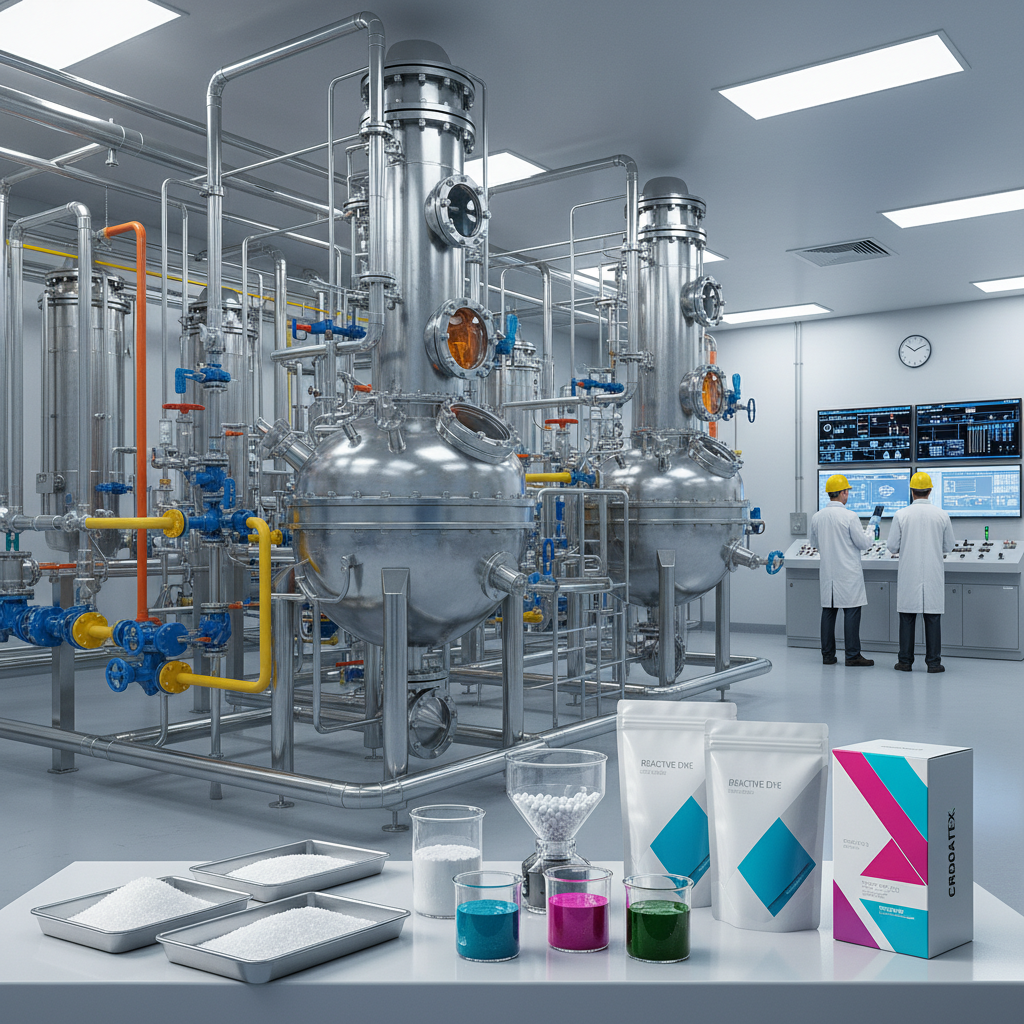
Reactive dyes contain a reactive group that forms a covalent bond with the hydroxyl groups of cellulosic fibers like cotton, viscose, and linen, or the amino groups of protein fibers like wool and silk. This chemical bonding is what gives reactive dyes their superior wash fastness. The most common reactive groups include dichlorotriazine, monochlorotriazine, vinyl sulfone, and difluorochlorotriazine. Each reactive group offers different reactivity and application characteristics. The selection of the appropriate reactive group depends on the desired color, fiber type, and dyeing conditions. Dyeingchem provides a range of reactive dyes with varying chemistries to suit diverse textile applications.
Key Highlights: Reactive dyes form a covalent bond with the fiber, ensuring excellent wash fastness. Different reactive groups influence the dye’s reactivity and application.
The Application Process of Reactive Dyes
The application of reactive dyes typically involves several stages: pretreatment of the textile material, dye dissolution and preparation, dyeing, and aftertreatment. Pretreatment ensures the fabric is clean and receptive to the dye. Dye dissolution requires careful control of pH and temperature. Dyeing is carried out in an aqueous bath, often with the addition of salt (sodium chloride or sodium sulfate) to enhance dye exhaustion. Aftertreatment includes washing to remove unfixed dye and finishing to improve the fabric's handle and appearance. Optimal application requires precise control of process parameters to achieve consistent and vibrant coloration. The expertise offered by Dyeingchem can optimize these processes.
Application Steps:
• Pretreatment: Cleaning and preparing the textile.
• Dye Dissolution: Preparing the dye solution.
• Dyeing: Applying the dye to the fabric.
• Aftertreatment: Washing and finishing.
Reactive Dye vs. Other Dye Classes: A Comparative Analysis
Compared to other dye classes like direct dyes, vat dyes, and disperse dyes, reactive dyes offer several advantages, particularly in terms of wash fastness and color brilliance. Direct dyes, while economical, have poor wash fastness. Vat dyes offer excellent fastness but require a complex and time-consuming application process. Disperse dyes are suitable for synthetic fibers but lack the vibrancy of reactive dyes on cellulosic materials. The following table summarizes a comparison:
Advantages and Disadvantages of Using Reactive Dyes
Reactive dyes offer numerous benefits, including brilliant shades, excellent wash fastness, and good light fastness. They are suitable for a wide range of cellulosic and protein fibers. However, they also have drawbacks, such as relatively higher cost compared to some other dye classes, potential for hydrolysis (dye degradation in water), and the generation of effluent containing unfixed dye. Dyeingchem focuses on developing innovative solutions to minimize effluent and improve dye fixation rates.
Future Trends in Reactive Dye Technology
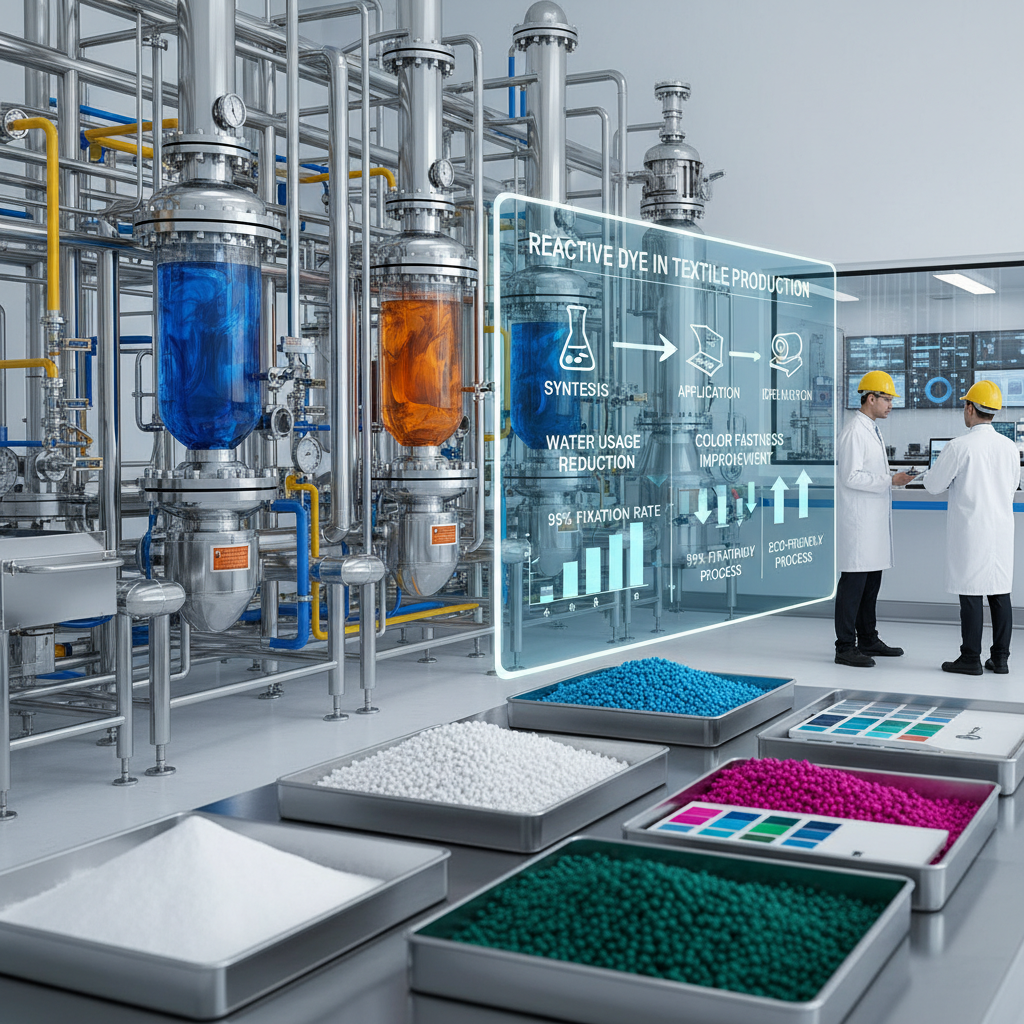
The future of reactive dye technology is focused on sustainability and efficiency. Researchers are developing novel reactive groups with higher fixation rates and reduced hydrolysis. Efforts are also underway to create dyes with lower environmental impact, including dyes derived from renewable resources and dyes that require less water and energy during application. Dyeingchem is committed to pioneering these advancements and providing eco-friendly dyeing solutions.
Conclusion: The Continuing Importance of Reactive Dyes
Reactive dyes remain a cornerstone of the textile dyeing industry due to their exceptional performance and versatility. As sustainability concerns grow, ongoing innovations are paving the way for more environmentally friendly and efficient reactive dye technologies. Dyeingchem is dedicated to providing high-quality reactive dyes and supporting the textile industry's transition towards a more sustainable future.
Frequently Asked Questions (FAQs)
What factors affect the fixation rate of reactive dyes?
Several factors influence the fixation rate of reactive dyes, including temperature, pH, electrolyte concentration (salt), liquor ratio, and dye concentration. Higher temperatures generally increase the reaction rate, but exceeding optimal temperatures can lead to dye degradation. The pH needs to be carefully controlled as it affects the reactivity of the dye and the fiber. Electrolytes promote dye exhaustion onto the fiber, increasing fixation. Optimizing these parameters is crucial for achieving maximum dye fixation and minimizing effluent.
Are reactive dyes suitable for all types of fabrics?
Reactive dyes are primarily designed for cellulosic fibers (cotton, linen, viscose) and protein fibers (wool, silk). While they can be adapted for other fibers with specialized pretreatment, they don’t typically perform well on synthetic fibers like polyester or acrylic. For synthetic fibers, disperse dyes or other appropriate dye classes are more suitable. The reactivity of the dye must be compatible with the functional groups present in the fiber for a strong covalent bond to form.
How can the environmental impact of reactive dyeing be minimized?
Minimizing the environmental impact involves several strategies. Optimizing dye fixation to reduce the amount of unfixed dye in the effluent is crucial. Using dyes with higher fixation rates and employing innovative dyeing techniques like low liquor ratio dyeing can significantly reduce water consumption. Implementing effluent treatment systems to remove unfixed dye and other pollutants is also essential. Furthermore, utilizing dyes derived from sustainable sources contributes to a greener dyeing process. Dyeingchem offers eco-friendly dye options and supports responsible dyeing practices.
What is the role of salt in reactive dyeing?
Salt (typically sodium chloride or sodium sulfate) plays a vital role in reactive dyeing by increasing the exhaustion of the dye onto the fiber. It reduces the solubility of the dye in the dye bath, promoting its absorption by the fabric. The amount of salt used needs to be carefully controlled, as excessive salt can lead to environmental concerns and affect the dyeing process. Different reactive dye types require varying salt concentrations for optimal results.