Advancing Sustainable Textile Dyeing for a Greener Future in Fashion
Advancing Sustainable Textile Dyeing for a Greener Future in Fashion
Sustainable Textile Dyeing: A Comprehensive Guide
The textile industry is undergoing a significant shift towards sustainability, and a crucial aspect of this change is sustainable textile dyeing. Traditional dyeing processes are notorious for their environmental impact, consuming vast amounts of water, energy, and harmful chemicals. However, innovative solutions are emerging that minimize this impact while maintaining vibrant and durable colors. This article will explore the challenges of conventional dyeing, the benefits of sustainable alternatives, and the latest advancements in eco-friendly dyeing technologies. We’ll also discuss how Dyeingchem is leading the way in providing environmentally responsible dyeing solutions.
The Environmental Impact of Conventional Textile Dyeing
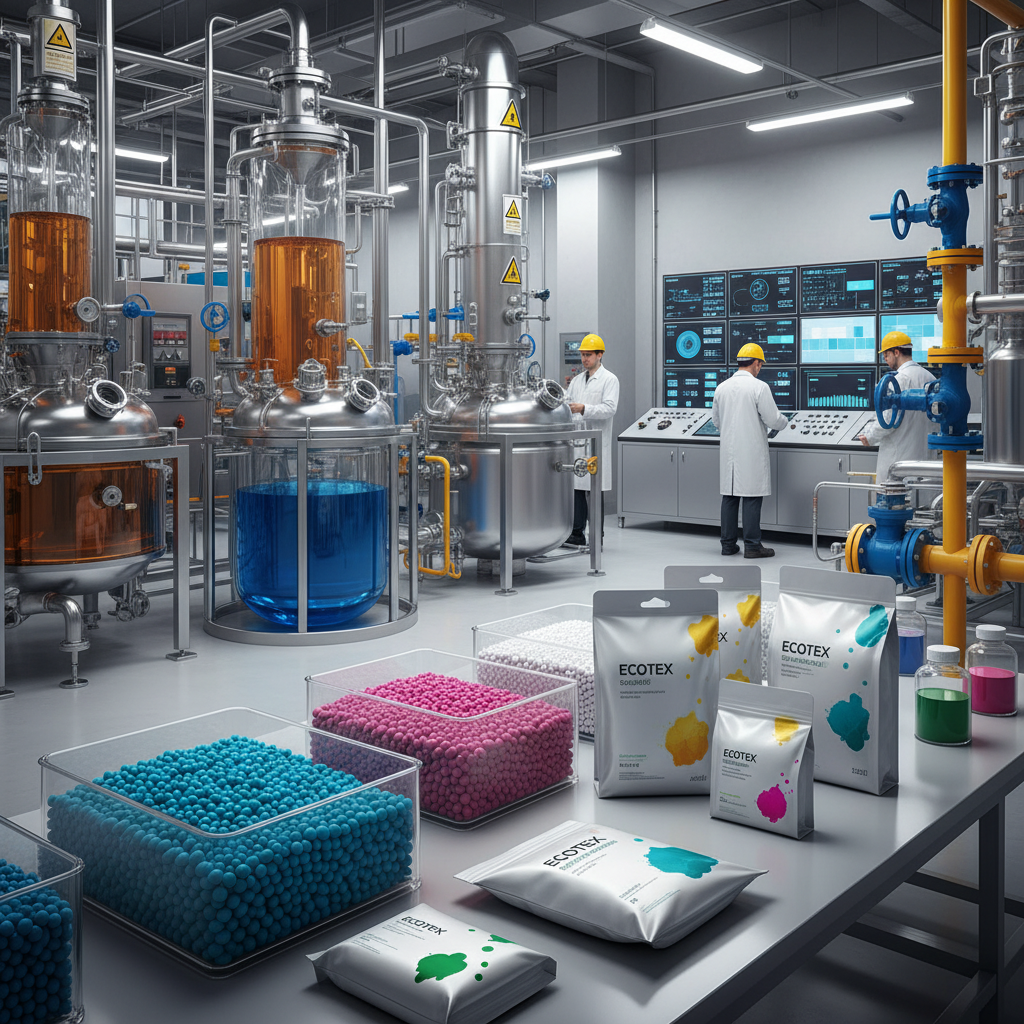
Traditional textile dyeing relies heavily on synthetic dyes, many of which contain toxic heavy metals and other harmful substances. These chemicals can pollute waterways, harm aquatic life, and pose health risks to both workers and consumers. The process also requires significant amounts of water—an estimated 200 liters for a single pair of jeans—and energy for heating and processing. Furthermore, the discharge of untreated dye wastewater contributes to water scarcity and reduces water quality. Addressing these issues is paramount for creating a more sustainable textile industry. Dyeingchem understands these concerns and is dedicated to providing cleaner, more efficient dyeing options.
Key Concerns: Toxic chemicals in dyes, high water consumption, significant energy usage, and polluted wastewater discharge.
Benefits of Sustainable Textile Dyeing
Switching to sustainable textile dyeing practices offers a multitude of benefits. Environmentally, it significantly reduces water pollution, minimizes chemical usage, and lowers energy consumption. Economically, it can lead to cost savings through reduced water and energy bills, and potentially higher product value due to increasing consumer demand for eco-friendly goods. Socially, it improves worker safety and protects public health. Furthermore, adopting sustainable dyeing practices can enhance a company’s brand image and contribute to a more responsible and circular textile economy. Dyeingchem offers solutions that address all these key benefits.
Sustainable Dyeing Advantages:
• Reduced environmental impact
• Lower operating costs
• Improved worker health & safety
• Enhanced brand reputation
Innovative Technologies in Sustainable Textile Dyeing
Several innovative technologies are revolutionizing sustainable textile dyeing. These include waterless dyeing, which utilizes supercritical carbon dioxide instead of water; air dyeing, which uses compressed air to transfer dyes; and plasma dyeing, which employs plasma technology for efficient dye fixation. Furthermore, the use of natural dyes derived from plants, insects, and minerals is gaining traction, offering a renewable and biodegradable alternative to synthetic dyes. Biotechnology also plays a role, with advancements in enzyme-based dyeing processes reducing chemical usage and energy consumption. Dyeingchem is actively researching and implementing these cutting-edge technologies to provide our clients with the most sustainable solutions.
Dyeingchem: Your Partner in Sustainable Textile Solutions
At Dyeingchem, we are committed to providing high-quality, sustainable dyeing chemicals and solutions. We offer a range of eco-friendly dyes, auxiliaries, and pre-treatment chemicals designed to minimize environmental impact and optimize dyeing performance. Our team of experts provides technical support and customized solutions to meet the specific needs of our clients. We prioritize innovation, sustainability, and customer satisfaction. We aim to help textile manufacturers transition to more environmentally responsible practices and create a more sustainable future for the industry.
Conclusion: Embracing a Sustainable Future for Textile Dyeing
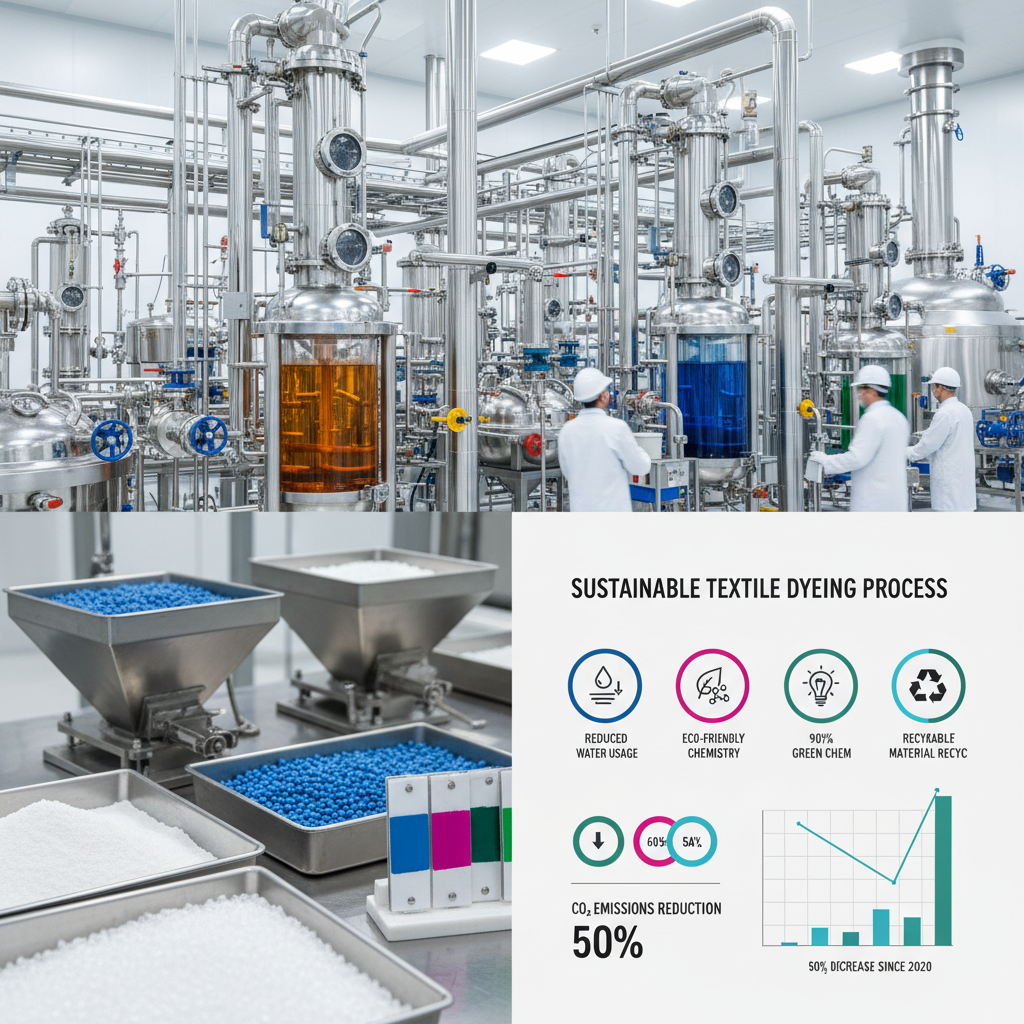
Sustainable textile dyeing is no longer a trend; it's a necessity. The industry is facing growing pressure to reduce its environmental footprint, and embracing eco-friendly practices is crucial for long-term viability. By adopting innovative technologies, utilizing sustainable chemicals, and partnering with companies like Dyeingchem, the textile industry can move towards a more responsible and sustainable future.
Frequently Asked Questions (FAQs)
What are the key certifications to look for in sustainable textile dyes?
When selecting sustainable textile dyes, look for certifications such as OEKO-TEX® Standard 100, which ensures that the dyes are free from harmful substances. The Global Organic Textile Standard (GOTS) certification verifies the organic status of textiles, from harvesting of the raw materials, through environmentally and socially responsible manufacturing. Bluesign® certification focuses on resource productivity, consumer safety, water emission and air emission. These certifications provide assurance that the dyes meet stringent environmental and safety standards. Dyeingchem offers dyes certified to these standards.
How can textile manufacturers reduce water consumption in dyeing?
Textile manufacturers can reduce water consumption by adopting low-liquor ratio dyeing machines, utilizing water recycling systems, and implementing efficient dye fixation techniques. Switching to technologies like air dyeing or supercritical CO2 dyeing can dramatically reduce or eliminate water usage altogether. Optimizing pre-treatment processes and using water-efficient washing methods also contribute to significant water savings. Proper monitoring and control of water usage are crucial for identifying and addressing areas of inefficiency.
Are natural dyes a viable alternative to synthetic dyes?
Natural dyes are a promising alternative to synthetic dyes, offering a renewable and biodegradable option. However, they often have lower colorfastness and require mordants to fix the dye to the fabric, which can sometimes have environmental concerns. Advancements in natural dye extraction and mordant technologies are addressing these challenges. While natural dyes may not be suitable for all applications, they are a viable option for certain textiles and consumer preferences. Dyeingchem is actively exploring and offering improved natural dye solutions.
What role does dyeingchem play in promoting sustainable textile dyeing?
Dyeingchem is committed to promoting sustainable textile dyeing by providing a comprehensive range of eco-friendly dyes, auxiliaries, and technical support. We invest in research and development to bring innovative and sustainable dyeing solutions to the market. We partner with textile manufacturers to help them optimize their dyeing processes, reduce their environmental impact, and achieve their sustainability goals. Our dedication to sustainability extends to our own operations, with a focus on minimizing waste and conserving resources.