Achieving Durable Color with Industrial Strength Fabric Dye Solutions
Achieving Durable Color with Industrial Strength Fabric Dye Solutions
Understanding Industrial Strength Fabric Dye
When it comes to textile production, achieving vibrant, long-lasting color is paramount. Industrial strength fabric dye isn’t just about aesthetics; it’s about durability, consistency, and meeting rigorous quality standards. This article explores the world of high-performance dyes, covering types, applications, factors influencing dye selection, and the benefits of partnering with a trusted supplier like Dyeingchem. Choosing the correct dye can significantly impact the final product’s quality and market appeal. Let's delve into the details.
What Defines Industrial Strength Fabric Dye?
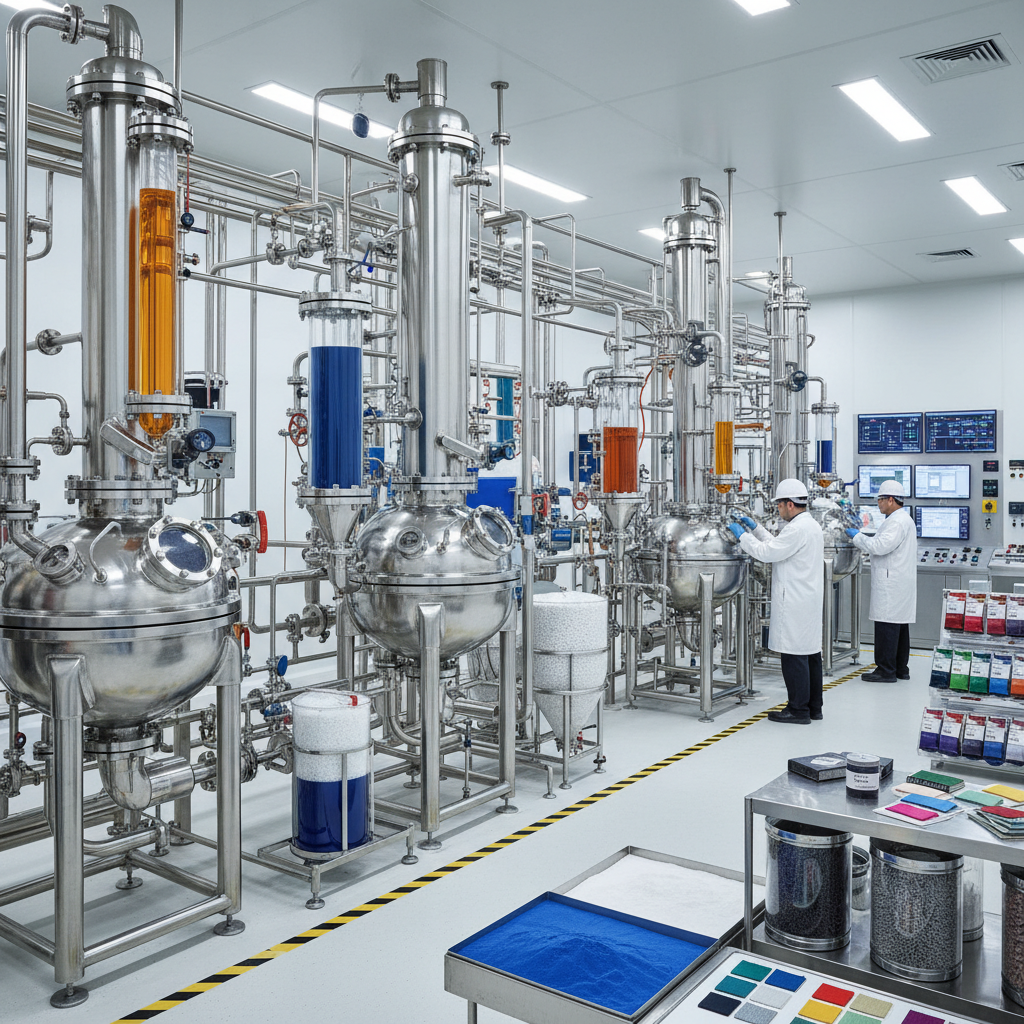
Industrial strength fabric dyes are formulated to withstand the demanding processes of large-scale textile manufacturing. Unlike dyes designed for home use, these dyes are highly concentrated, offering excellent colorfastness – meaning they resist fading, bleeding, and washing out. They're designed to bond strongly with fabric fibers, providing consistent results across large batches. Furthermore, they are engineered for compatibility with industrial dyeing equipment and techniques, ensuring efficient application and minimal waste. Dyeingchem's range of industrial dyes is meticulously crafted to meet these crucial demands.
Key Highlights: Highly concentrated formulas, Excellent colorfastness, Compatibility with industrial equipment, Designed for consistent results across large batches.
Types of Industrial Strength Fabric Dye
Several types of industrial dyes cater to different fabric types and desired properties. Here's a breakdown of some common options:
- Reactive Dyes: Ideal for cellulose fibers like cotton, linen, and rayon. Known for their excellent wash fastness and bright colors.
- Direct Dyes: Relatively inexpensive and easy to apply to cellulose fibers, but generally offer lower wash fastness than reactive dyes.
- Vat Dyes: Produce highly durable and colorfast results on cellulose fibers, but require a more complex dyeing process.
- Disperse Dyes: Specifically designed for synthetic fibers like polyester. Exhibit good light fastness and are widely used for apparel.
- Acid Dyes: Used for protein fibers like wool and silk. Offer a wide range of vibrant shades but may require mordants for improved fastness.
Choosing the Right Dye for Your Application
Selecting the optimal dye involves considering several factors. The first and most critical is the fiber content of the fabric. Different dyes bond better with specific fibers. Secondly, the desired colorfastness properties – how resistant the dye needs to be to washing, light, and rubbing – are crucial. Furthermore, the dyeing process itself plays a role; some dyes require more complex procedures and specialized equipment. Finally, environmental considerations are increasingly important, with demand growing for eco-friendly dye options. Dyeingchem provides expert guidance to help you navigate these choices.
Key Considerations:
• Fiber Content
• Desired Colorfastness
• Dyeing Process
• Environmental Impact
Industrial Strength Fabric Dye Comparison
Here's a comparative look at some popular dye types, highlighting their strengths and weaknesses:
Partnering with Dyeingchem for Superior Dye Solutions
Dyeingchem offers a comprehensive range of industrial strength fabric dyes, backed by technical expertise and a commitment to quality. We provide tailored solutions to meet your specific needs, ensuring consistent color, excellent fastness, and efficient processing. Our team is dedicated to helping you optimize your dyeing processes and achieve exceptional results. We are committed to sustainable practices and offer eco-friendly dye options. Contact us today to learn how we can elevate your textile production.
Conclusion: Achieving Color Excellence with the Right Dye
Choosing the right industrial strength fabric dye is crucial for textile manufacturers aiming for high-quality, durable, and visually appealing products. Dyeingchem provides the expertise and superior products to help you achieve color excellence and optimize your dyeing processes.
Frequently Asked Questions (FAQs)
What is the difference between dye and pigment?
Dyes are soluble in the application medium (like water), penetrating the fabric fibers and creating a chemical bond. Pigments, on the other hand, are insoluble and remain on the surface of the fabric, held in place by a binder. This means dyes generally offer better wash fastness and brighter colors, while pigments are more lightfast and suitable for certain applications where penetration isn't desired. Industrial strength dyes, as offered by Dyeingchem, prioritize strong fiber bonding.
Are eco-friendly industrial dyes available?
Yes, the demand for sustainable textile solutions has led to the development of various eco-friendly industrial dyes. These dyes often utilize less water, produce fewer harmful byproducts, and are derived from renewable resources. Dyeingchem is committed to offering a growing selection of environmentally responsible dye options.
How can I ensure color consistency across different dye batches?
Maintaining color consistency requires careful control of several factors, including dye concentration, temperature, pH, and dyeing time. Utilizing a reputable dye supplier like Dyeingchem, who provides consistent dye formulations, is crucial. Also, meticulous record-keeping and quality control procedures are essential for identifying and addressing any variations.