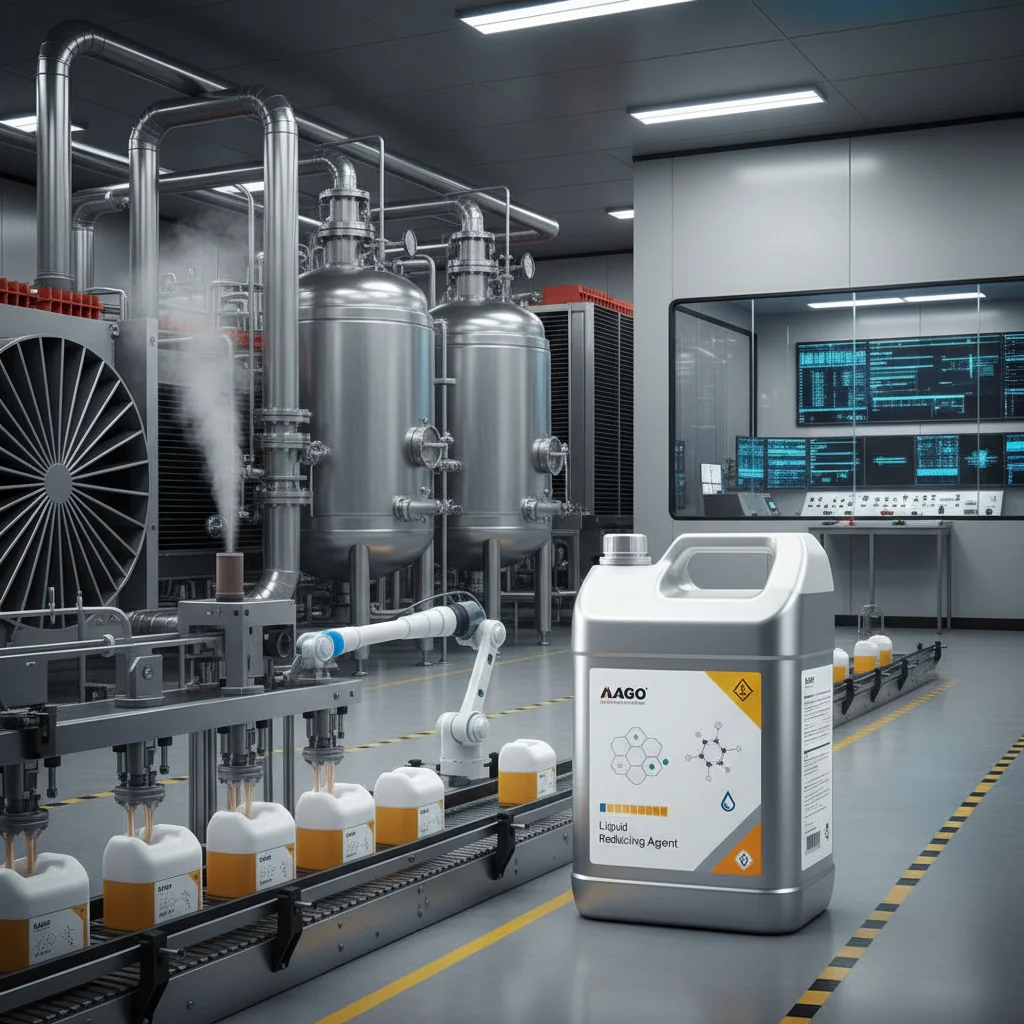
Exploring Industrial Tie Dye Trends Applications and Chemical Innovations
Exploring Industrial Tie Dye Trends Applications and Chemical Innovations
Understanding Industrial Tie Dye: Trends and Applications
Industrial tie dye is a fascinating process that's experienced a surge in popularity, moving beyond a simple craft to become a significant trend in fashion and textile design. This isn't your typical DIY project; industrial tie dye utilizes sophisticated techniques and equipment to create large-scale, consistent, and durable patterns. This article will delve into the nuances of industrial tie dye, exploring its processes, benefits, applications, and the role of specialized dyeing chemicals in achieving optimal results. We'll also examine the growing demand for this unique aesthetic in the global textile market.
The Core Processes of Industrial Tie Dye
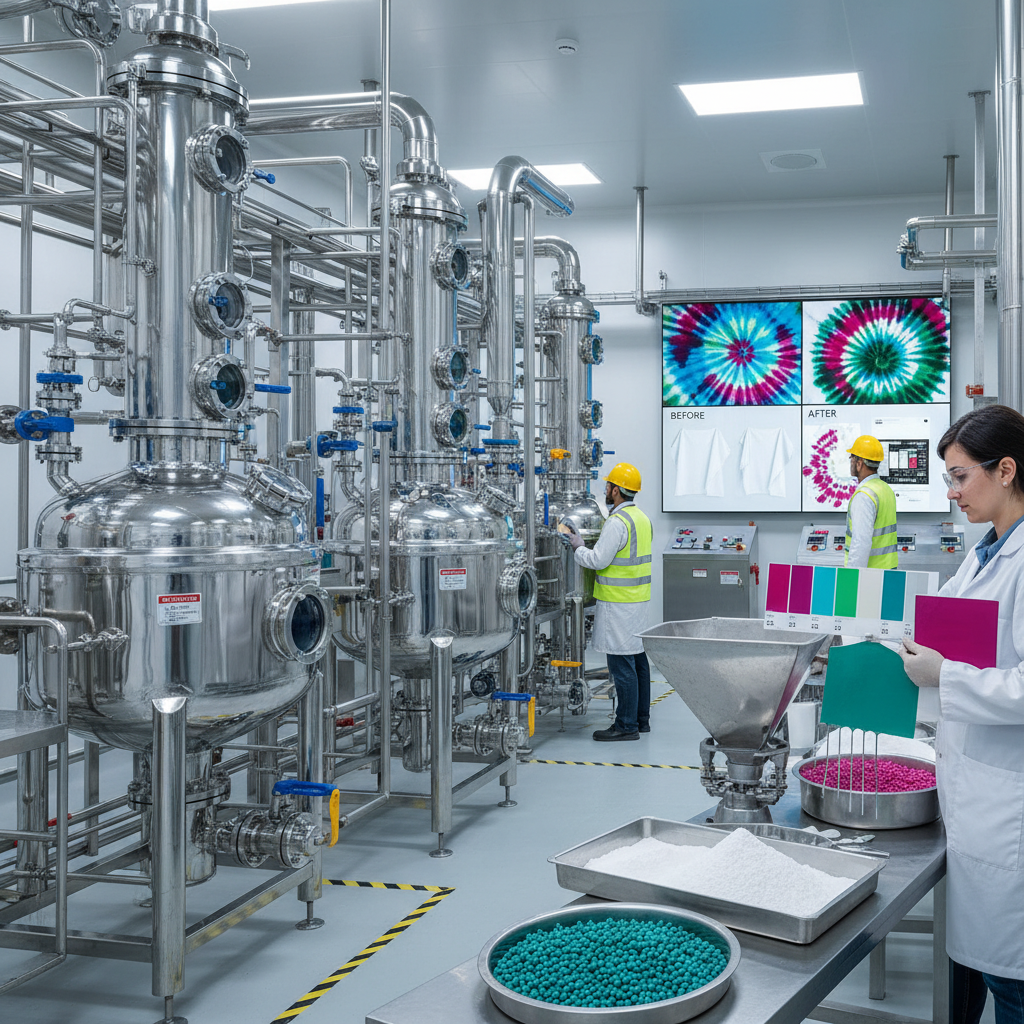
Unlike traditional tie-dye which relies on manual binding, folding, and dyeing, industrial tie dye employs mechanized processes for efficiency and consistency. These methods often involve automated folding machines, precise dye application systems, and controlled curing processes. Key techniques include ice dyeing (where dyes are applied to fabric covered in ice), shibori-inspired techniques recreated on a larger scale, and controlled resist dyeing using specialized chemicals. The precision offered by these processes allows for complex, repeatable designs that are difficult to achieve manually. A critical aspect is using high-quality reactive dyes that bind effectively with the fabric, ensuring colorfastness and washability.
Key Highlights: Automated folding machines, precise dye application systems, and controlled curing processes are vital for efficient and consistent results.
Industrial Tie Dye vs. Traditional Tie Dye: A Detailed Comparison
The differences between industrial and traditional tie dye are significant, impacting production scale, design complexity, and final product quality. While traditional methods are ideal for small-batch, artisanal creations, industrial techniques cater to large-scale manufacturing. This comparison highlights the key distinctions:
The Role of Dyeing Chemicals in Industrial Tie Dye
The quality and type of dyeing chemicals are paramount in achieving vibrant, lasting colors in industrial tie dye. Reactive dyes are preferred due to their excellent colorfastness, washability, and ability to bond permanently with cellulose fibers like cotton. Other crucial chemicals include auxiliaries like wetting agents (to ensure even dye penetration), leveling agents (to promote uniform color distribution), and fixing agents (to enhance colorfastness). Using the right chemical combinations, adjusted to specific fabric types and desired shades, is essential for optimal results.
Applications of Industrial Tie Dye: From Fashion to Home Textiles
Industrial tie dye is finding widespread application across various industries. In the fashion sector, it's used to create unique garments, accessories, and footwear, catering to the growing demand for personalized and expressive clothing. The home textile industry utilizes industrial tie dye for bed linens, curtains, and upholstery fabrics, adding a vibrant and artistic touch to interiors. Beyond these, applications extend to sportswear, promotional merchandise, and even artistic installations. This versatile technique offers endless possibilities for creative expression and design innovation.
Future Trends and Innovations in Industrial Tie Dye
The future of industrial tie dye looks promising, with several exciting trends emerging. Sustainable dyeing practices, utilizing eco-friendly dyes and reducing water consumption, are gaining prominence. Digital printing technologies are being integrated with tie-dye techniques to create even more intricate and customized designs. Furthermore, research into novel dye formulations and application methods is driving innovation in colorfastness, durability, and aesthetic appeal. We can anticipate seeing even more creative and environmentally responsible applications of industrial tie dye in the years to come.
Conclusion: Embracing the Art and Science of Industrial Tie Dye
Industrial tie dye represents a compelling intersection of art, technology, and chemistry. By understanding the processes, the importance of quality dyeing chemicals, and the evolving trends, businesses and designers can harness the full potential of this dynamic technique. It's a testament to how traditional crafts can be reimagined and scaled through innovation, delivering both aesthetic appeal and commercial viability.
Frequently Asked Questions (FAQs)
What fabrics are best suited for industrial tie dye?
Cellulose fibers like cotton, linen, and rayon are the most suitable for industrial tie dye, especially when using reactive dyes. These fibers readily absorb the dye molecules, resulting in vibrant and long-lasting colors. Synthetic fibers like polyester can be dyed using disperse dyes, but the process requires higher temperatures and specialized equipment. The choice of fabric also depends on the desired effect and the end-use application. For example, cotton is ideal for garments, while linen is suitable for home textiles.
What safety precautions are necessary when working with industrial tie dye chemicals?
Handling industrial tie dye chemicals requires strict adherence to safety protocols. Always wear appropriate personal protective equipment (PPE), including gloves, eye protection, and respirators, to prevent skin contact, eye irritation, and inhalation of fumes. Ensure adequate ventilation in the work area. Refer to the Material Safety Data Sheets (MSDS) for each chemical to understand its specific hazards and handling instructions. Proper disposal of chemical waste is crucial to minimize environmental impact.
How can I ensure colorfastness in industrial tie dye?
Achieving excellent colorfastness requires several factors. Using high-quality reactive dyes specifically designed for the target fabric is essential. Proper dye fixation through thorough washing and the use of fixing agents helps lock the dye molecules into the fibers. Controlling the dyeing process parameters, such as temperature, pH, and dye concentration, is crucial. Finally, proper after-treatment, including thorough rinsing and drying, contributes to lasting color vibrancy and washability.
What is the environmental impact of industrial tie dye, and how can it be minimized?
Traditional tie dye processes can have a significant environmental impact due to water consumption and chemical discharge. However, advancements in dyeing technologies and sustainable practices are mitigating these effects. Utilizing low-impact dyes, reducing water usage through closed-loop systems, and properly treating wastewater before disposal are crucial steps. Employing digital printing techniques alongside tie-dye can also minimize dye waste. Choosing suppliers committed to responsible manufacturing practices is essential for minimizing the environmental footprint.