Choosing the Right Dye for Colouring Denim A Comprehensive Guide
Choosing the Right Dye for Colouring Denim A Comprehensive Guide
Choosing the Right Dye for Colouring Denim
Denim, a staple in wardrobes worldwide, undergoes a transformative process to achieve its iconic hues. Selecting the appropriate dye for colouring denim is crucial for achieving the desired shade, wash, and durability. This article explores the various types of dyes used in denim processing, their characteristics, application methods, and considerations for sustainable practices. Understanding these factors is key for manufacturers and brands aiming to deliver high-quality, fashionable, and responsibly produced denim garments. Choosing the correct dye ensures vibrant colors, lasting quality, and adherence to environmental standards.
Understanding Different Dye Classes for Denim
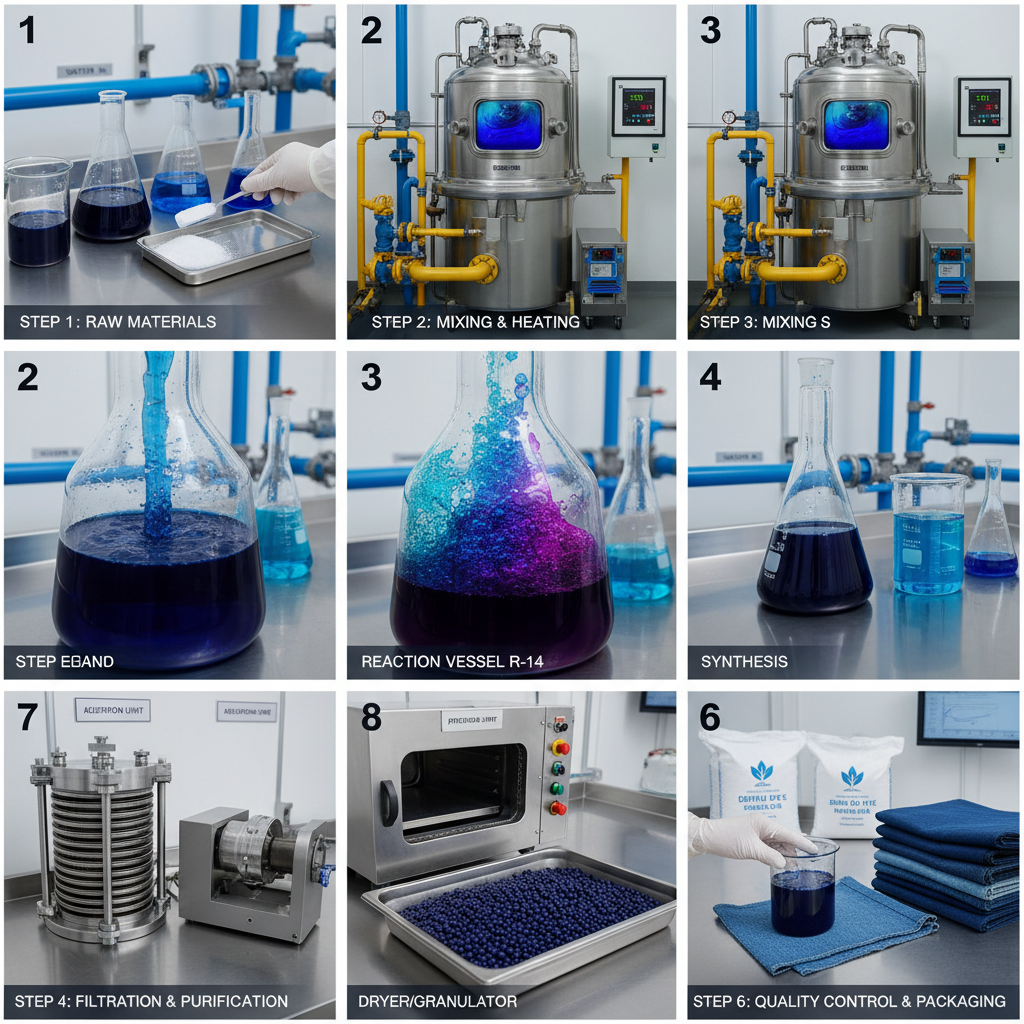
Several dye classes are commonly employed in denim dyeing, each offering unique properties and benefits. Indigo dyes, traditionally derived from plants, are synonymous with classic blue denim. However, synthetic indigo alternatives have gained prominence due to cost-effectiveness and consistency. Sulfur dyes are used for darker shades, offering excellent wash fastness. Reactive dyes provide a wider spectrum of colors and good colorfastness, suitable for various denim finishes. Direct dyes are less common but can be used for specific effects. The selection depends on desired color, fastness requirements, and cost considerations.
Key Dye Classes: Indigo, Sulfur, Reactive, and Direct dyes, each tailored to achieve specific denim effects and color depths.
Indigo Dye: The Heart of Denim's Blue Hue
Indigo dye is the cornerstone of traditional denim coloring. It’s unique because it's a vat dye, meaning it's insoluble in water and requires a reduction process to become soluble and able to bond with the cotton fibers. This process creates a color that's trapped within the fiber, leading to excellent wash fastness. Modern indigo dyeing often utilizes synthetic indigo due to its consistent quality and reduced cost compared to natural indigo. The application process typically involves multiple dips in the dye bath to achieve the desired depth of shade.
Indigo Dye Advantages:
• Excellent wash fastness
• Classic denim blue shade
• Readily available synthetic alternatives
• Strong market recognition
Comparing Denim Dye Types: Performance and Cost
Different dye types exhibit varying performance characteristics and costs. Indigo generally offers the highest wash fastness but can be more expensive than sulfur dyes. Reactive dyes provide a wider color palette and good fastness, but may require more complex application processes. Sulfur dyes are cost-effective for darker shades but may exhibit lower light fastness. Choosing the appropriate dye involves a trade-off between desired performance, cost, and environmental impact.
Sustainable Dyeing Practices for Denim
The environmental impact of denim dyeing is a growing concern. Traditional dyeing processes consume significant amounts of water and can generate hazardous wastewater. Sustainable practices, such as using low-impact dyes, reducing water consumption through innovative techniques like foam dyeing, and implementing efficient wastewater treatment systems, are crucial. Dyeingchem offers a range of eco-friendly dyes and solutions to support responsible denim production. Investing in sustainable dyeing is not only environmentally responsible but also enhances brand reputation and meets growing consumer demand for eco-conscious products.
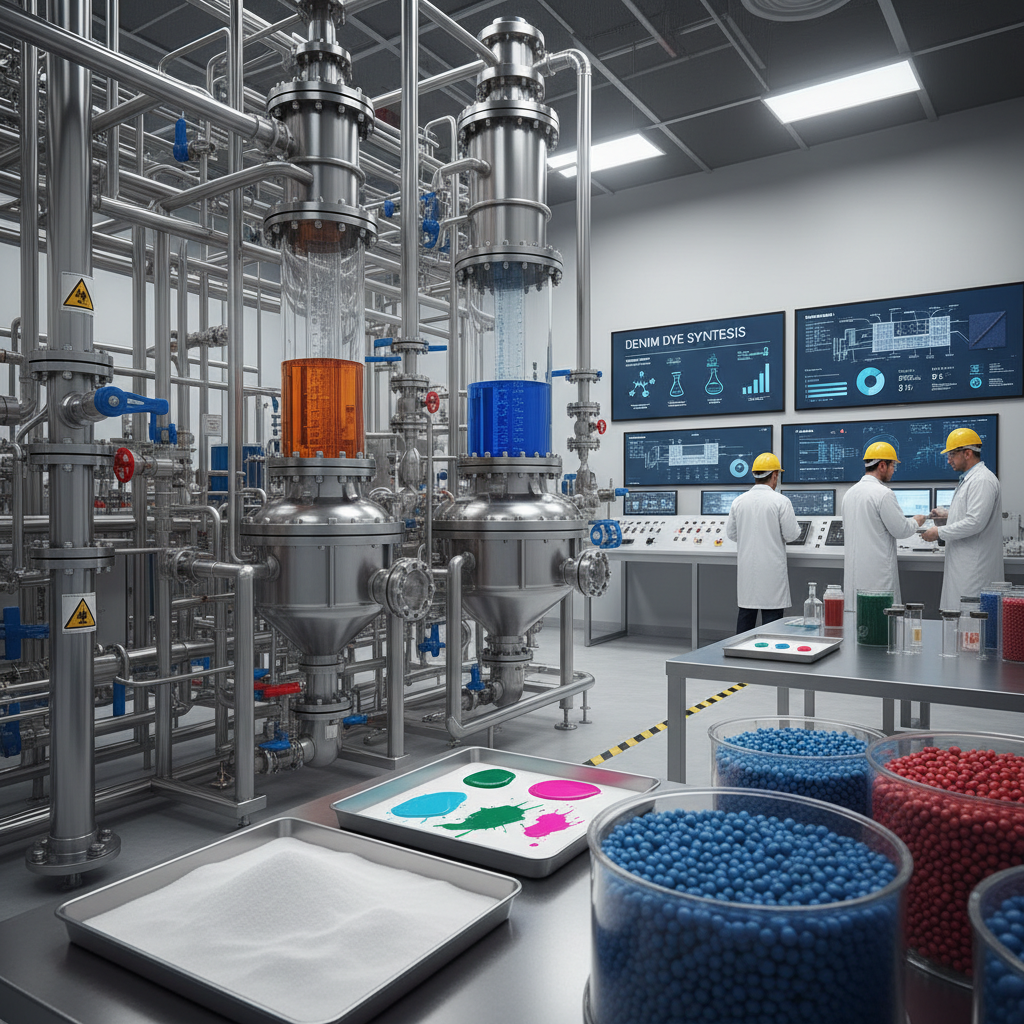
Product Specifications: Dyeingchem Indigo Concentrate
Dyeingchem offers high-quality indigo concentrate designed for consistent and vibrant denim coloration. Here are the key specifications:
Conclusion: Achieving Denim Excellence Through Dye Selection
Selecting the optimal dye for colouring denim is critical for achieving desired aesthetics, ensuring lasting quality, and upholding sustainable practices. By carefully considering dye characteristics, application methods, and environmental impacts, manufacturers can create denim garments that meet both market demands and ethical standards. Dyeingchem provides innovative dye solutions and expert support to help you achieve denim excellence.
Frequently Asked Questions (FAQs)
What is the difference between natural and synthetic indigo dyes?
Natural indigo is derived from the Indigofera plant and offers a unique, nuanced shade. However, its availability is limited, and its consistency can vary. Synthetic indigo provides a consistent quality, reliable color depth, and is more cost-effective. While natural indigo is preferred for its eco-friendly origin by some, synthetic indigo is often the practical choice for large-scale production. The chemical composition is very similar in both forms, but the source and the production process are different.
What factors affect the wash fastness of denim dyes?
Several factors influence wash fastness, including the dye type, the dyeing process, and the fiber properties. Indigo dyes generally exhibit excellent wash fastness due to their insoluble nature and bonding within the fiber. Proper dye fixation, using appropriate auxiliaries, and avoiding harsh washing conditions are crucial for maximizing wash fastness. The quality of the denim fabric itself also plays a role, as tightly woven fabrics tend to exhibit better dye retention.
How can denim manufacturers reduce water consumption during dyeing?
Denim manufacturers can employ several strategies to minimize water usage, including using foam dyeing techniques, which significantly reduce water requirements compared to traditional methods. Implementing closed-loop water recycling systems, optimizing dye bath ratios, and utilizing advanced dyeing machinery can also contribute to water conservation. Choosing dyes that require less water for application and fixation is another effective approach.