Transforming Car Interiors with Stunning Denim Dye on Leather Car Seats
Transforming Car Interiors with Stunning Denim Dye on Leather Car Seats
Understanding Denim Dye on Leather Car Seats: A Comprehensive Guide
The desire for a unique and personalized vehicle interior is driving innovation in automotive customization. One emerging trend is the application of denim dye to leather car seats. This process offers a distinctive aesthetic, blending the rugged texture of denim with the luxury of leather. However, it's crucial to understand the intricacies of this technique, including dye compatibility, leather preparation, and long-term durability. This article will explore the process of applying denim dye to leather car seats, covering the necessary materials, step-by-step instructions, and potential challenges. We’ll also delve into the importance of choosing the right dyes and sealants to ensure a lasting and visually appealing finish.
The Appeal of Denim Dye for Leather Car Seats
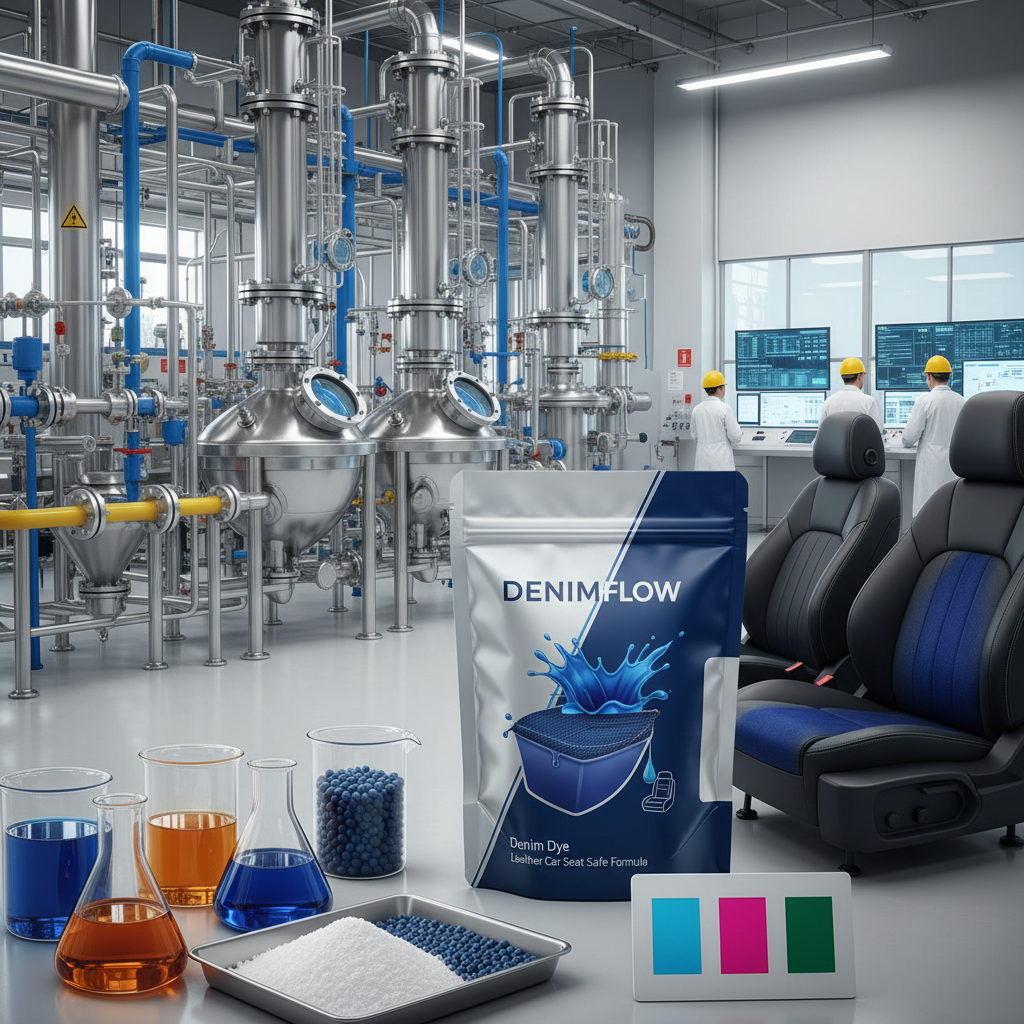
The growing popularity of denim dye for leather car seats stems from its ability to create a truly custom look. Unlike traditional leather dyes, denim dye imparts a unique, textured appearance reminiscent of well-worn denim fabric. This adds a touch of individuality and ruggedness to the vehicle's interior. The process allows for variations in color intensity and pattern, resulting in seats that are one-of-a-kind. The aesthetic appeals to car enthusiasts looking to move beyond standard automotive interiors and express their personal style. Moreover, the process can potentially revitalize older leather seats, giving them a fresh, new look.
Key Benefits: Creates a unique, textured aesthetic, allows for color variations, revitalizes older leather, offers a personalized touch to vehicle interiors.
Choosing the Right Denim Dye and Leather Preparation
Selecting the appropriate denim dye is paramount for a successful outcome. Acid dyes and reactive dyes are generally suitable for leather, but it's crucial to choose dyes specifically formulated for leather application. Dyeingchem offers a range of high-quality dyes designed for various materials, including leather, ensuring excellent colorfastness and penetration. Before applying the dye, thorough leather preparation is essential. This involves cleaning the leather with a leather cleaner to remove dirt, oils, and previous coatings. A leather deglazer may be necessary to open the pores of the leather, allowing for better dye absorption. Proper preparation ensures even dye uptake and a durable finish.
Preparation Steps:
• Thoroughly clean the leather with a leather cleaner.
• Use a leather deglazer to open leather pores.
• Ensure the leather is dry and free of any residue.
Denim Dye Application Techniques for Leather Car Seats
Applying denim dye to leather car seats can be achieved through various techniques, including spray application, sponge application, and brush application. Spray application provides a more even and controlled coverage, while sponge and brush application allow for more targeted color placement and the creation of textured effects. Multiple thin coats are generally recommended over a single thick coat to prevent unevenness and ensure proper dye penetration. It's crucial to work in a well-ventilated area and wear appropriate safety gear, including gloves and a respirator. After applying the dye, allow it to dry completely before proceeding to the next step.
Sealing and Protecting the Dyed Leather
Once the dye is dry, sealing the leather is crucial to protect the color and prevent fading or staining. A leather sealant, specifically designed for dyed leather, creates a protective barrier against UV rays, moisture, and abrasion. Apply the sealant in thin, even coats, allowing each coat to dry completely before applying the next. Multiple coats are recommended for enhanced protection. Choose a sealant that offers a matte, satin, or gloss finish, depending on your desired aesthetic. Regular application of a leather conditioner will also help maintain the leather’s suppleness and prevent cracking.
Potential Challenges and Troubleshooting
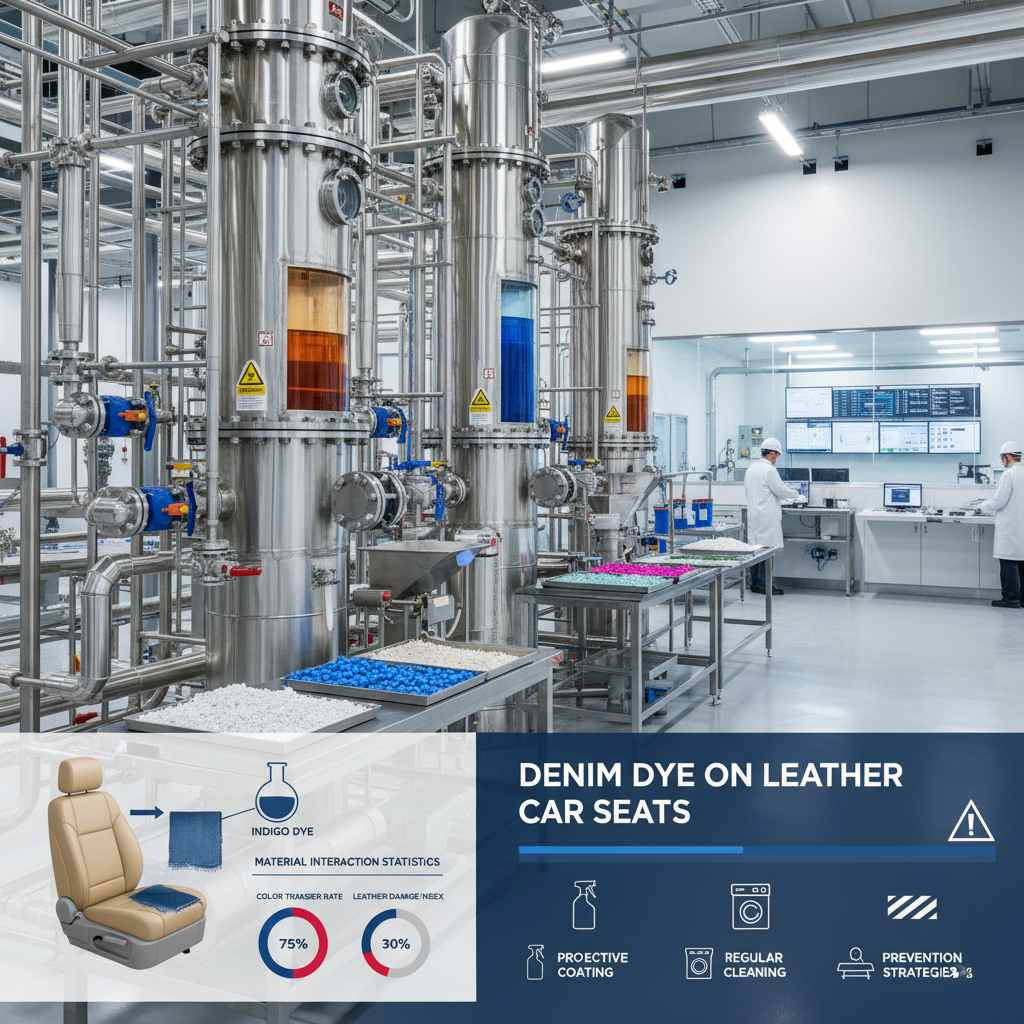
Applying denim dye to leather can present some challenges. Uneven dye uptake can occur if the leather is not properly prepared or if the dye is applied unevenly. Color fading can happen over time due to UV exposure, highlighting the importance of a quality sealant. Cracking or peeling of the dye can occur if the leather is not conditioned regularly. To troubleshoot these issues, ensure thorough leather preparation, use high-quality dyes and sealants, and maintain the leather with regular conditioning. If the dye appears patchy, re-dye the affected areas with thin coats. Consulting with a professional leather dyeing specialist can provide valuable guidance and ensure a flawless result.
Conclusion: Achieving a Stunning Denim Dye Finish
Successfully applying denim dye to leather car seats requires careful preparation, the right materials, and meticulous application. By following the steps outlined in this guide and utilizing the high-quality dyes and sealants available from Dyeingchem, you can achieve a unique and durable finish that will transform your vehicle's interior.
Frequently Asked Questions (FAQs)
How long does the denim dye finish typically last on leather car seats?
The longevity of the finish depends heavily on the quality of the dye, sealant, and ongoing care. With high-quality products from suppliers like Dyeingchem, and regular application of a leather conditioner, you can expect the color to remain vibrant for 3-5 years. However, exposure to direct sunlight and abrasive cleaning products can shorten the lifespan. Reapplying the sealant every year or two will significantly enhance durability.
Is this process suitable for all types of leather car seats?
While denim dye can be applied to most types of leather, it's not recommended for heavily coated or treated leathers, as these may not absorb the dye effectively. Natural, aniline, and semi-aniline leathers are the most suitable candidates. Before proceeding, it's advisable to test the dye on an inconspicuous area of the seat to assess its compatibility and absorption rate. Always consult a leather specialist if you're unsure about the type of leather in your vehicle.
Can I achieve different shades of denim dye on the leather?
Yes, you can achieve a range of shades by adjusting the dye concentration and the number of coats applied. Diluting the dye with water will result in lighter shades, while increasing the concentration will yield darker shades. Experimenting with different techniques, such as layering multiple shades or using a sponge to create a distressed look, can also create unique effects. The versatility of denim dye allows for a high degree of customization.