Comprehensive Guide to Finding Reliable Sulphur Black Suppliers for Textile Industries
Comprehensive Guide to Finding Reliable Sulphur Black Suppliers for Textile Industries
Sulphur Black Suppliers: A Comprehensive Guide to Sourcing
Finding reliable sulphur black suppliers is crucial for textile manufacturers, dyers, and various industries relying on consistent, high-quality black dyes. This article provides a detailed overview of sourcing strategies, key considerations, and what to look for in a trustworthy supplier. We'll explore the complexities of the sulphur black dye market and help you make informed decisions. Sulphur black is a key colorant in the textile industry, and securing a stable supply chain is paramount to production efficiency.

Understanding Sulphur Black Dye
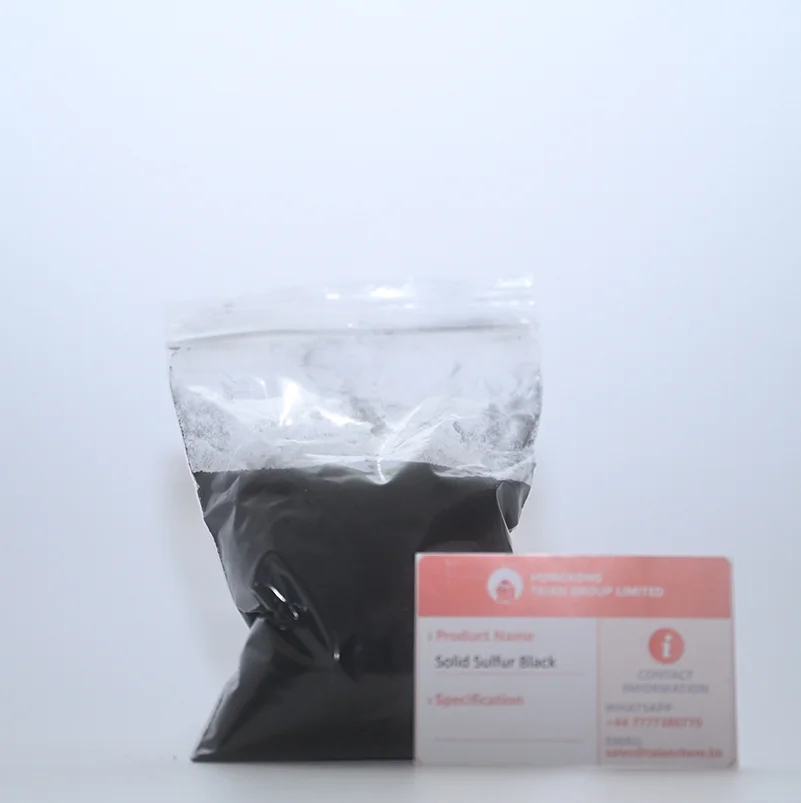
Sulphur black is an insoluble dye renowned for its excellent wash fastness and cost-effectiveness. It's widely used for dyeing cotton, viscose, and other cellulosic fibers. The dye is produced through a complex process involving sulfur, carbon, and organic components. Because of its manufacturing process, the quality and consistency of sulphur black can vary significantly between suppliers. Understanding the technical aspects of the dye—its solubility, particle size, and sulfur content—is essential for achieving optimal dyeing results. Seeking a reliable sulphur black supplier will ensure consistent product quality.
Key Characteristics: Excellent wash fastness, cost-effective, suitable for cellulosic fibers, complex manufacturing process, variable quality depending on the supplier.
Key Considerations When Choosing Sulphur Black Suppliers
Selecting the right supplier goes beyond just price. Several factors demand careful consideration. Firstly, assess their production capacity – can they consistently meet your volume requirements? Secondly, inquire about their quality control processes. Do they have a dedicated QC team and a well-equipped laboratory for testing? Third, check for certifications like ISO 9001, demonstrating commitment to quality management. Finally, consider their logistical capabilities—delivery times, shipping options, and packaging standards. A dependable sulphur black supplier will offer competitive pricing and reliable service.
Essential Supplier Criteria:
• Production Capacity
• Quality Control Processes
• Industry Certifications (ISO 9001)
• Logistical Capabilities
Sulphur Black Suppliers: Comparing Key Features
The market offers a range of sulphur black suppliers, each with unique strengths and weaknesses. Here's a comparative overview of several prominent suppliers based on quality, price, lead times, and customer support. Note that pricing is subject to change based on volume and market conditions. This comparison is meant to provide a starting point for your research.
Evaluating Sulphur Black Quality: Essential Tests
Before committing to a supplier, request sample batches and conduct thorough quality testing. Key tests include: solubility testing, which determines how well the dye dissolves in water; shade matching, comparing the dye’s color to standard references; fastness tests, assessing resistance to washing, light, and rubbing; and impurity analysis, identifying any undesirable chemicals present in the dye. A reputable sulphur black supplier will readily provide technical data sheets (TDS) and safety data sheets (SDS) to aid in your evaluation.

Long-Term Partnerships and Supply Chain Security
Building a strong, long-term relationship with a reliable supplier is invaluable. This ensures consistent quality, preferential pricing, and priority access during periods of high demand. Look for suppliers who demonstrate a commitment to sustainability, ethical sourcing, and responsible manufacturing practices. Diversifying your supply base can also mitigate risks associated with disruptions in the supply chain. Consider establishing backup suppliers to ensure business continuity. Investing in robust supplier management is a key component of a resilient and efficient textile operation.
Conclusion: Securing Your Sulphur Black Supply
Choosing the right sulphur black supplier is a critical decision impacting your production efficiency, product quality, and overall profitability. By carefully considering the factors outlined in this guide – quality, price, lead times, and supplier reliability – you can establish a secure and sustainable supply chain. Don't hesitate to request samples, conduct thorough testing, and build strong relationships with your suppliers.
Frequently Asked Questions (FAQs)
What is the typical lead time for sulphur black dye orders?
Lead times can vary significantly depending on the supplier's location, production capacity, and order volume. Generally, expect a lead time of 7-20 days. However, larger or custom orders may require longer lead times. It’s essential to communicate your requirements clearly and confirm the lead time with the supplier before placing an order. Consider factors like shipping methods and potential customs delays when estimating delivery times. Reputable suppliers, like DyeingChem, offer transparent communication regarding order status and delivery schedules.
What are the common applications of sulphur black dye?
Sulphur black dye is primarily used for dyeing cotton and other cellulosic fibers. Common applications include denim, workwear, military uniforms, and various textile products requiring high wash fastness. It is also used in paper dyeing and leather finishing. The dye's ability to produce deep, rich blacks makes it a popular choice for fashion apparel, home textiles, and industrial fabrics. It is widely favored in situations where color retention is critical, such as in work garments.
How should sulphur black dye be stored?
Sulphur black dye should be stored in a cool, dry, and well-ventilated area, away from direct sunlight, heat, and moisture. It should be kept in tightly closed containers to prevent contamination and oxidation. Proper storage is crucial to maintain the dye's quality and stability. Avoid storing near strong oxidizing agents or other incompatible chemicals. Always refer to the supplier's SDS for specific storage recommendations.