Understanding the Industrial Properties of Sulphur Dyes for Textiles
Understanding the Industrial Properties of Sulphur Dyes for Textiles
Understanding the Properties of Sulphur Dyes for Textile Industry
In the world of textile chemistry, achieving deep, lasting colors on cellulosic fibers requires a reliable and cost-effective solution. The properties of sulphur dyes make them an indispensable choice, particularly for dyeing denim and heavy cotton fabrics. These dyes are renowned for their excellent wash fastness and economical application, providing a robust finish that withstands rigorous wear. In this comprehensive guide, we will explore the chemical nature, application methods, and the unique advantages that these dyes bring to the global textile market, helping manufacturers optimize their dyeing processes for superior quality.
Chemical Composition and Solubility
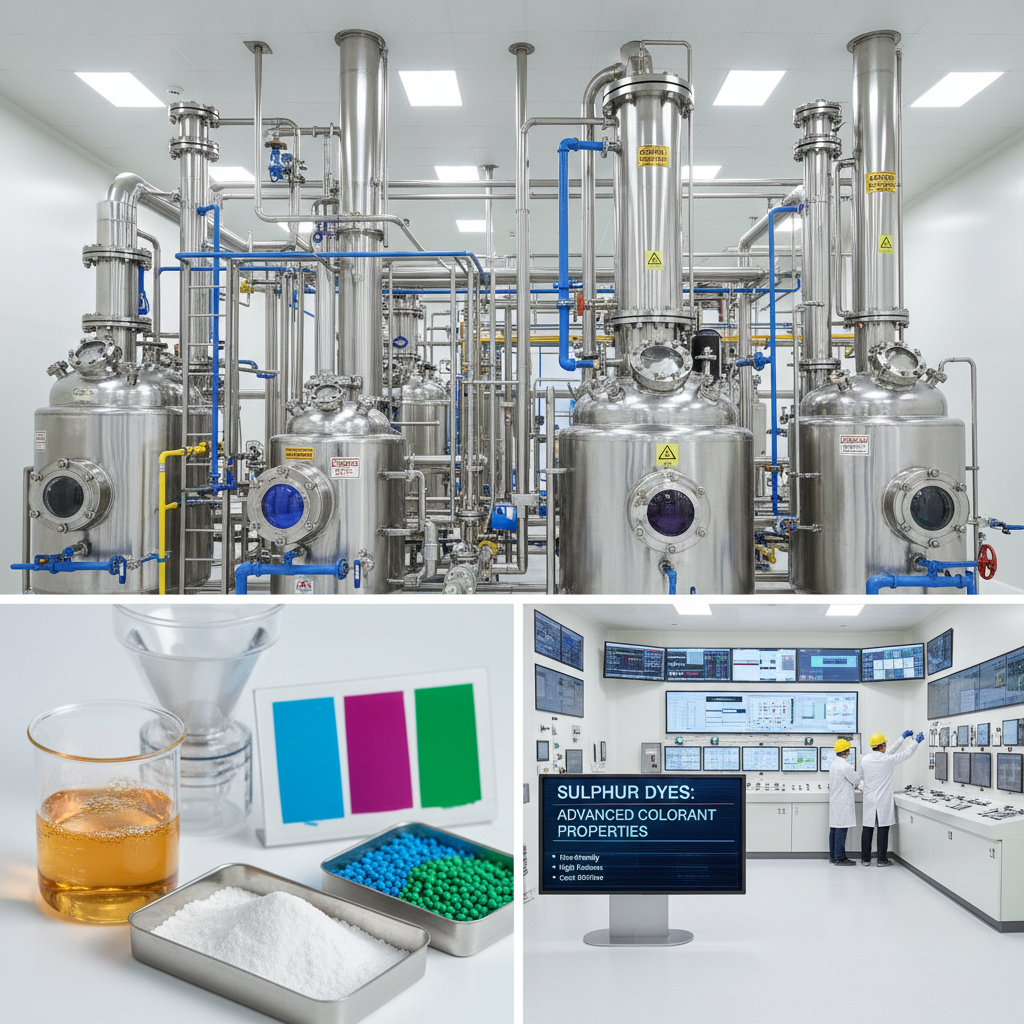
Sulphur dyes are complex organic compounds containing sulphur atoms in various oxidation states. One of the primary properties of sulphur dyes is their inherent insolubility in water. Because they cannot be applied directly to fabrics in their natural state, they must undergo a process called "reduction." Using a reducing agent, such as sodium sulphide, the dye is converted into a soluble "leuco" form. Once the fabric is impregnated with this soluble dye, it is oxidized back to its insoluble state using air or chemical oxidants, effectively trapping the pigment within the fiber structure. This mechanism ensures a permanent bond that is highly resistant to stripping.
Comparison: Sulphur Dyes vs. Vat Dyes
When analyzing the properties of sulphur dyes, it is helpful to compare them with Vat dyes, as both share similar reduction-oxidation application methods. While Vat dyes offer superior light fastness and a broader range of bright colors, sulphur dyes are significantly more economical and provide better penetration for heavy cotton textiles. For the mass production of black and dark brown fabrics, sulphur dyes are almost always preferred due to their cost-efficiency and deep shade saturation.
Key Performance Properties of Sulphur Dyes
The industrial appeal of these dyes lies in their specific performance metrics. First, they offer exceptional wash fastness, meaning the color does not bleed easily during laundering. Second, they have high affinity for cellulose, allowing for deep shades of black, navy, and brown. However, one of the critical properties of sulphur dyes that chemists must manage is their tendency to cause fiber degradation if the pH levels are not strictly controlled during the reduction process. Proper after-treatment, including thorough soaping and neutralization, is essential to prevent "tendering" of the fabric.
Pro Tip: To enhance the brightness of sulphur-dyed fabrics, avoid over-exposure to strong oxidizing agents during the final rinse, as this can lead to uneven shade variations.
Application Process and Technical Specifications
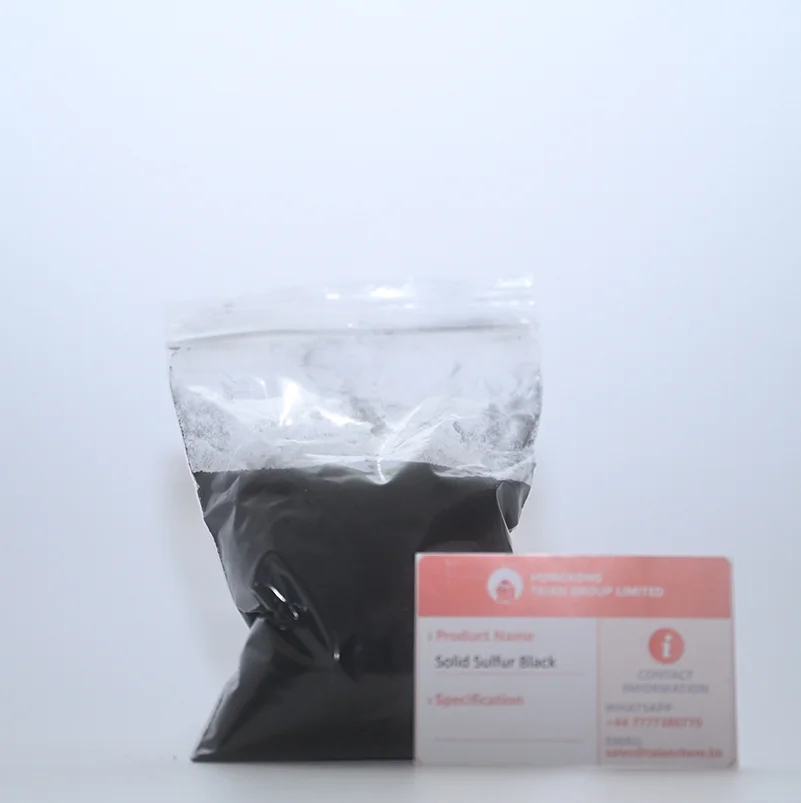
Applying sulphur dyes requires a precise sequence of chemical reactions. The process typically begins with the dissolution of the dye in a reducing bath. The fabric is then immersed, ensuring complete penetration of the leuco-dye. Following this, the fabric is exposed to air (oxidation), which reverts the dye to its insoluble form. For those seeking high-performance results, following the correct product specifications is vital. Below is a typical specification table for high-grade industrial sulphur black.
Environmental Impact and Sustainability
Modern textile manufacturing places a high priority on sustainability. While the traditional properties of sulphur dyes involved the use of strong sulphides which could lead to high COD (Chemical Oxygen Demand) in wastewater, recent innovations have mitigated these risks. New-generation sulphur dyes are designed for better exhaustion rates, meaning less dye is wasted in the effluent. Furthermore, the implementation of advanced wastewater treatment plants (WWTP) allows factories to neutralize the alkaline runoff, making the process more eco-friendly without sacrificing the depth of color or the cost-benefit of the dye.
Optimal Substrates for Sulphur Dyeing
Not all fabrics react equally to these dyes. The most successful results are seen on 100% cotton and viscose rayon. The properties of sulphur dyes are specifically tailored for cellulosic fibers due to the way the insoluble pigment lodges within the fiber's amorphous regions. While they can be used on blends, the polyester component will remain white unless a separate disperse dye is used. This makes sulphur dyes the gold standard for the denim industry, where the characteristic "faded" look of jeans is achieved by the controlled abrasion of these very stable dye particles from the surface of the cotton yarn.
Conclusion: Maximizing Efficiency with Sulphur Dyes
Understanding the properties of sulphur dyes allows textile producers to balance cost, quality, and durability. From their unique reduction-oxidation cycle to their unmatched performance on heavy cottons, these dyes remain a cornerstone of industrial dyeing. By adhering to technical specifications and adopting sustainable wastewater practices, manufacturers can continue to leverage the power of sulphur dyes to create high-demand, durable textiles. For those looking to optimize their chemical sourcing and dyeing results, partnering with experts in dye chemistry is the key to success.
Frequently Asked Questions (FAQs)
Why are sulphur dyes primarily used for black and dark shades?
Sulphur dyes are exceptionally efficient at producing deep, saturated dark tones, especially black and navy, at a fraction of the cost of reactive or vat dyes. Their chemical structure allows for a high concentration of pigment to be trapped within the fiber, which is ideal for the heavy-duty requirements of denim and workwear. While other colors exist, the economic and performance advantages are most pronounced in the dark spectrum.
What is "tendering" in sulphur dyeing and how can it be prevented?
Tendering refers to the weakening of the textile fiber, which can lead to holes or tearing. This occurs when the high alkalinity of the reducing bath or the presence of residual sulphides damages the cellulose chain. To prevent this, it is crucial to perform a thorough neutralization process after dyeing, using mild acids to remove all alkaline residues and ensuring the fabric is washed completely clean.
Are sulphur dyes compatible with all types of fabrics?
Sulphur dyes are specifically designed for cellulosic fibers, such as cotton, linen, and viscose. They are not compatible with synthetic fibers like polyester or nylon because these materials lack the necessary chemical sites for the dye to bond. For blended fabrics (e.g., poly-cotton), the sulphur dye will only color the cotton portion, leaving the synthetic fibers undyed unless a separate dyeing step is performed.
How does the oxidation process work in sulphur dyeing?
After the dye is applied in its soluble leuco form, it must be oxidized to become insoluble again. This is typically achieved by exposing the fabric to atmospheric oxygen or by using chemical oxidants like hydrogen peroxide. The oxygen reacts with the leuco-dye, causing it to precipitate inside the fiber, which locks the color in and provides the characteristic high wash fastness associated with these dyes.