Industrial Coloring Guide and Sulphur Dyes Example for Textiles
Industrial Coloring Guide and Sulphur Dyes Example for Textiles
Understanding Sulphur Dyes Example: A Professional Guide to Industrial Coloring
In the world of textile chemistry, achieving deep, durable colors on cellulosic fibers requires specialized agents. A prime sulphur dyes example often points to the iconic deep blacks and browns used in denim and heavy cotton canvases. These dyes are renowned for their excellent wash-fastness and cost-effectiveness, making them a staple in mass-market garment production. Whether you are a textile manufacturer or a chemistry student, understanding how these dyes interact with fabrics is key to achieving consistent quality. In this guide, we will explore the technical nuances, application methods, and practical examples of sulphur dyes in modern industry.
Chemical Composition and Mechanism of Sulphur Dyes
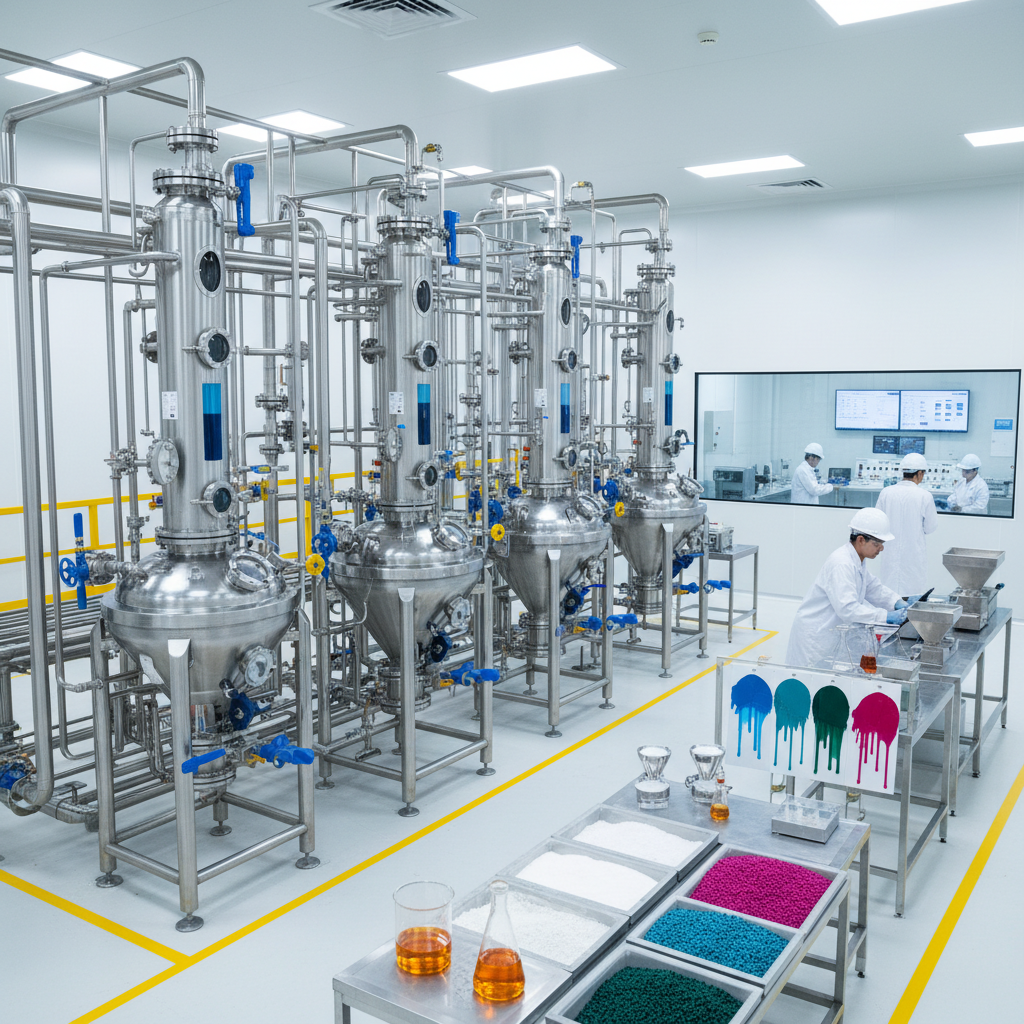
Sulphur dyes are inorganic compounds containing sulphur atoms, which make them insoluble in water. To apply them to a fabric, they must undergo a process called reduction, typically using sodium sulphide. This converts the dye into a water-soluble "leuco" form, allowing it to penetrate the fiber. Once the fabric is immersed, the dye is re-oxidized (usually by exposure to air or chemical oxidizing agents), locking the color permanently inside the fiber. This chemical cycle is why a sulphur dyes example demonstrates such high resistance to fading during laundry cycles.
Technical Tip: The reduction process must be carefully controlled for pH and temperature to avoid damaging the cellulosic fibers, especially when dealing with high concentrations of sodium sulphide.
Practical Sulphur Dyes Example in the Denim Industry
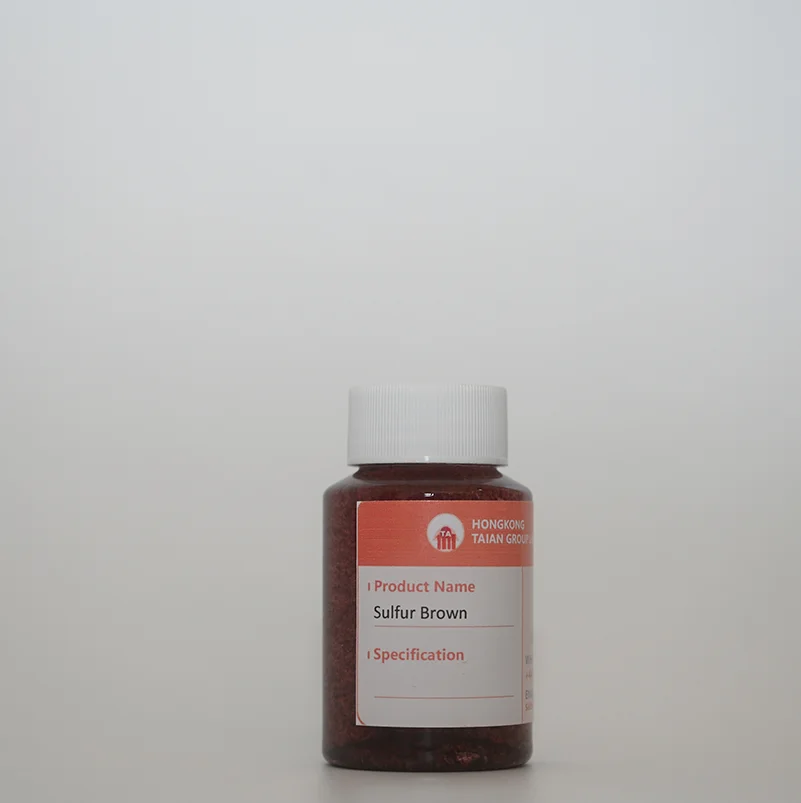
The most common sulphur dyes example can be found in the production of "sulphur black" denim. Unlike indigo, which sits on the surface of the yarn, sulphur dyes penetrate deeper into the core. This results in a more saturated, solid black that resists bleaching better than many reactive dyes. Many brands use a combination of sulphur and indigo to create unique "grey-cast" blacks or deep charcoal hues that age gracefully over time. This versatility makes them indispensable for workwear and rugged fashion.
Comparing Sulphur Dyes with Reactive Dyes
When selecting a coloring agent, manufacturers often weigh the pros and cons of different chemical classes. While reactive dyes offer a wider spectrum of bright colors, sulphur dyes are preferred for dark shades due to their economy and robustness. A typical sulphur dyes example shows significantly lower costs per kilogram compared to high-end reactive alternatives, making them the logical choice for large-scale industrial textiles.
Standard Specifications for Industrial Sulphur Dyes
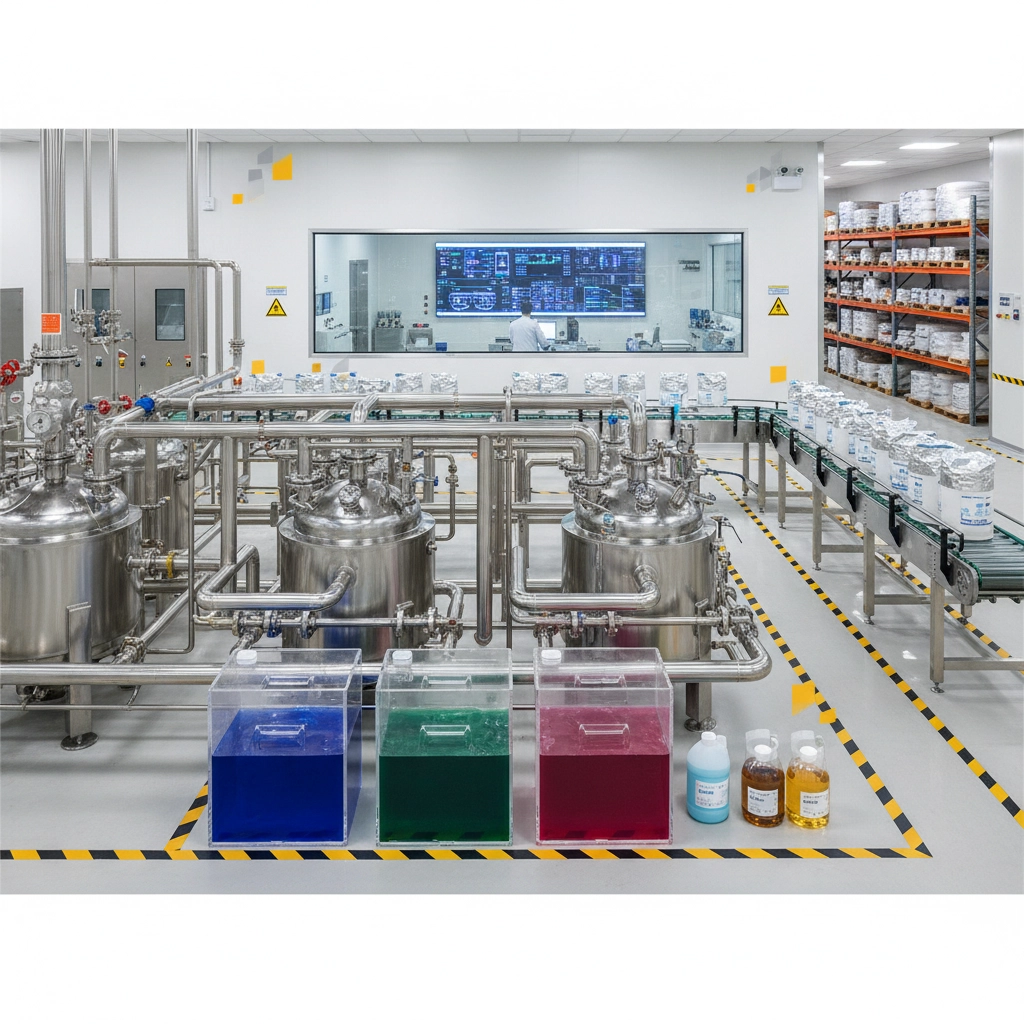
To ensure a successful sulphur dyes example in a factory setting, strict adherence to product specifications is necessary. The purity of the dye and the particle size significantly affect the solubility and the uniformity of the final shade. High-quality sulphur dyes should exhibit low dust content and high solubility in the reduced state to prevent spotting on the fabric.
Environmental Considerations and Modern Alternatives
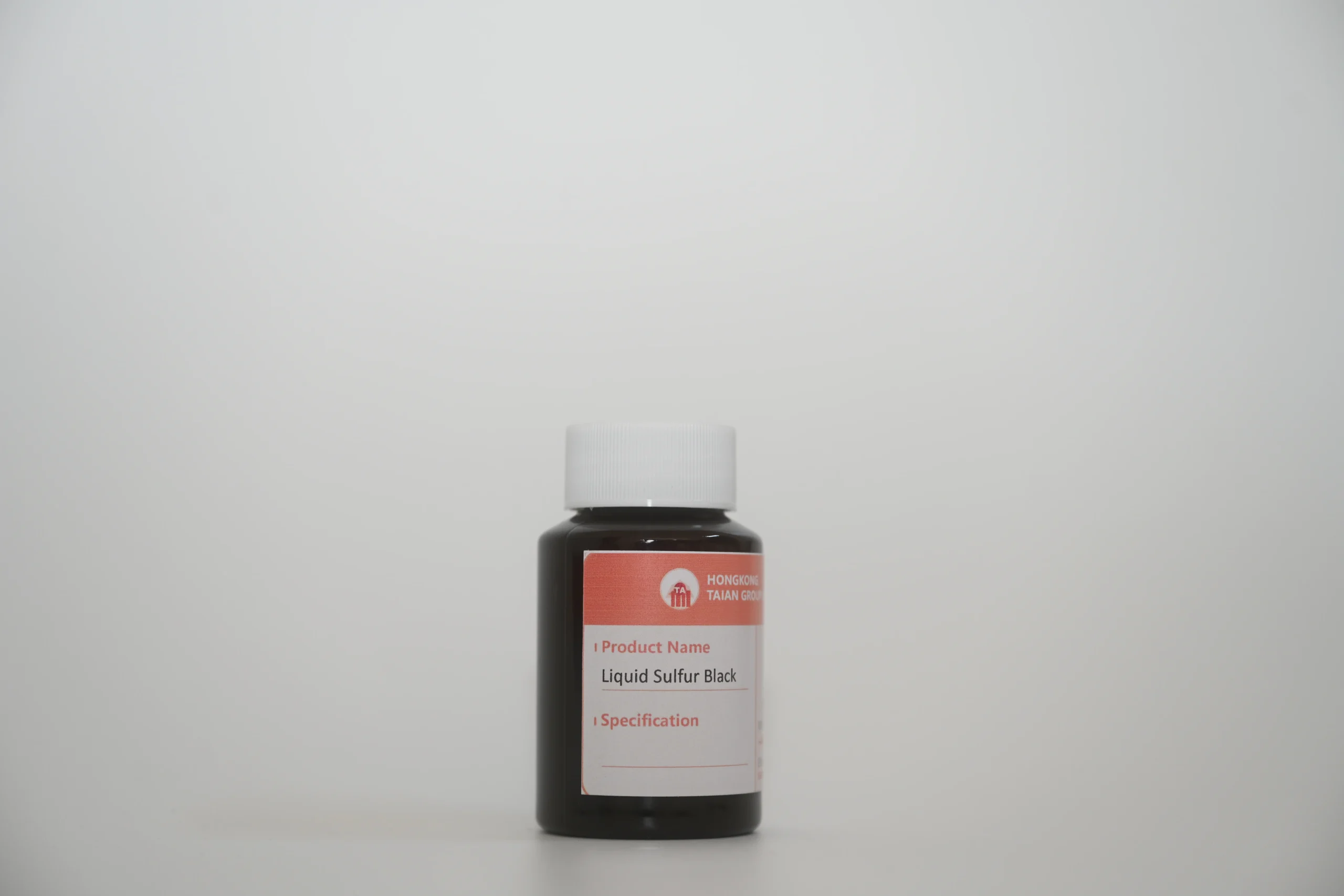
Historically, the use of sulphur dyes faced criticism due to the strong odor and the chemical load in wastewater. However, modern textile engineering has introduced more sustainable processes. By implementing advanced wastewater treatment and using modified reducing agents, the environmental footprint of a sulphur dyes example can be significantly reduced. Current trends focus on "liquid sulphur dyes," which reduce dust pollution in the factory and improve dosing accuracy.
Eco-Friendly Advancements:
• Use of enzymatic oxidation to replace harsh chemicals
• Closed-loop water recycling systems
• Transition to low-salt dyeing formulations
• Implementation of liquid-form dyes for zero-dust environments
Conclusion: The Lasting Value of Sulphur Dyes
Sulphur dyes remain a cornerstone of the textile industry, offering an unmatched balance of cost and performance for dark shades. From the deep black of industrial workwear to the rugged charm of charcoal denim, the sulphur dyes example we have discussed underscores their versatility. As the industry moves toward greener chemistry, these dyes continue to evolve, proving that traditional solutions can be adapted for a sustainable future. For high-quality dyeing chemicals and professional support, trust the experts in industrial coloration.
Frequently Asked Questions (FAQs)
Why is sulphur black so popular in the denim industry?
Sulphur black is highly favored because it provides a very deep, intense shade that is difficult and expensive to achieve with reactive or direct dyes. Furthermore, it possesses excellent wash-fastness, meaning the black remains rich even after multiple laundry cycles. In denim, it allows for a specific type of aging and fading that consumers find aesthetically pleasing. Its low cost makes it the most economically viable option for mass-producing dark-colored jeans and jackets.
Can sulphur dyes be used on polyester fabrics?
No, sulphur dyes are specifically designed for cellulosic fibers, such as cotton, viscose, and linen. They do not have an affinity for synthetic fibers like polyester or nylon. If you are working with a polyester-cotton blend, you would typically use a "union dyeing" process, where the cotton portion is dyed with a sulphur dyes example and the polyester portion is dyed with disperse dyes. This ensures that both components of the blend are colored uniformly.
How do you remove the "sulphur smell" from dyed fabrics?
The characteristic smell of sulphur dyes comes from residual sulphur compounds and sodium sulphide. To eliminate this, the fabric must undergo a thorough "soaping-off" process. This involves washing the fabric in a hot alkaline solution (using soaps or detergents) and rinsing multiple times with clean water. In industrial settings, chemical neutralizing agents are often used to ensure that all residual reducing agents are removed, leaving the fabric odorless and safe for the consumer.
What is the difference between sulphur dyes and vat dyes?
Both sulphur and vat dyes are insoluble and require reduction to become soluble. However, the primary difference lies in their chemical structure and cost. Vat dyes are generally more expensive and offer superior light-fastness (resistance to sunlight), making them ideal for high-end towels or upholstery. Sulphur dyes are significantly cheaper and provide excellent wash-fastness, making them ideal for garments. While vat dyes are more stable, a sulphur dyes example is far more common in fast-fashion and industrial workwear.