In the intricate world of textile chemistry, the ability to identify oxidising and reducing agent properties is not merely an academic exercise but a cornerstone of industrial efficiency. From the precision of denim washing to the complexity of sulfur dyeing, these chemical reactions dictate the final hue, durability, and texture of the fabric. Understanding the electron transfer process allows manufacturers to optimize their additive usage, ensuring consistent quality across thousands of meters of textile production.
Global textile standards, including those set by ISO and various environmental certifications, increasingly demand a sophisticated approach to chemical management. When operators can accurately identify oxidising and reducing agent behaviors, they can significantly reduce waste and prevent fabric degradation. This mastery of redox chemistry is essential for transitioning from traditional, high-impact dyeing methods to sustainable, "green" chemistry practices that protect both the worker and the environment.
Whether you are managing post-treatment processes or experimenting with new enzyme-based pre-treatments, the capacity to identify oxidising and reducing agent roles prevents costly production errors. A misplaced oxidant can bleach a vibrant fabric, while an improper reductant can fail to activate a vat dye, leading to uneven coloring. By integrating this chemical knowledge into daily operational workflows, textile mills can achieve a higher degree of reliability and commercial competitiveness.
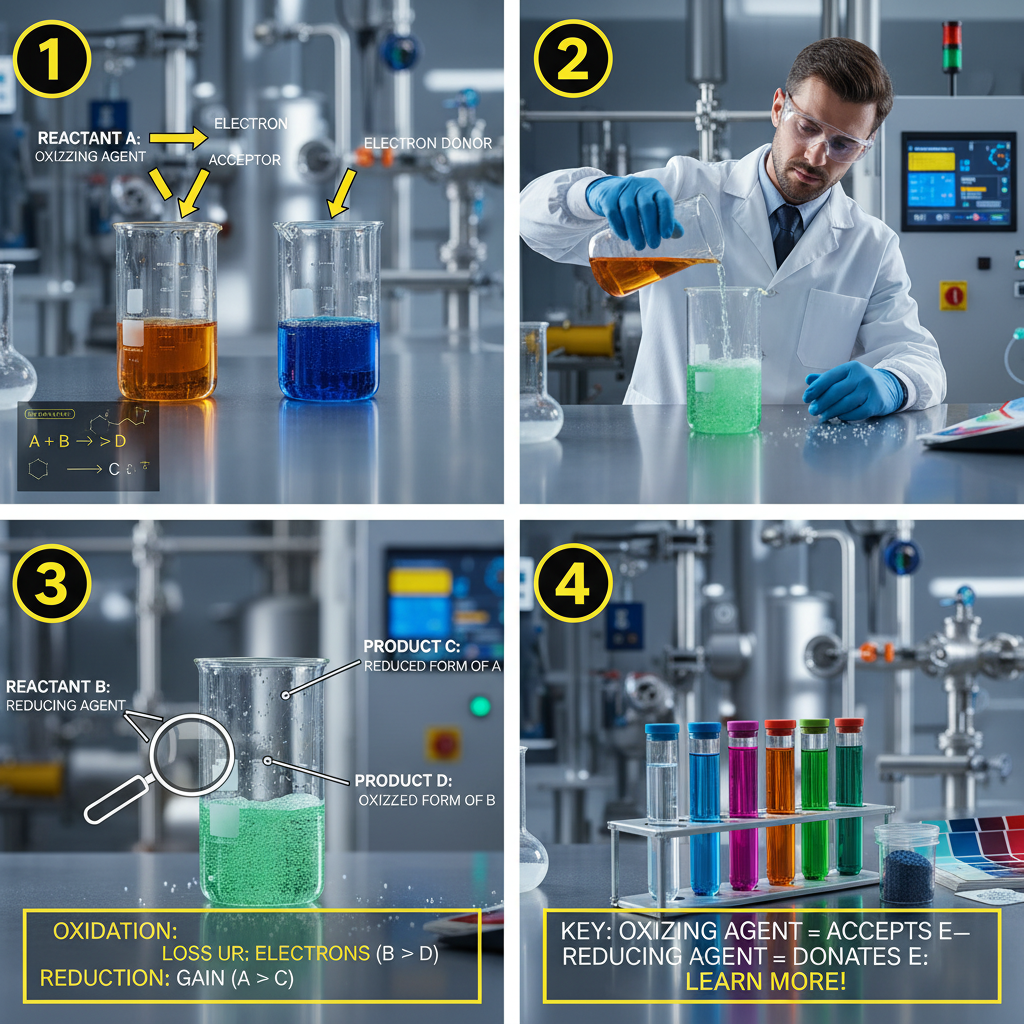
Fundamentals of Redox Chemistry in Textiles
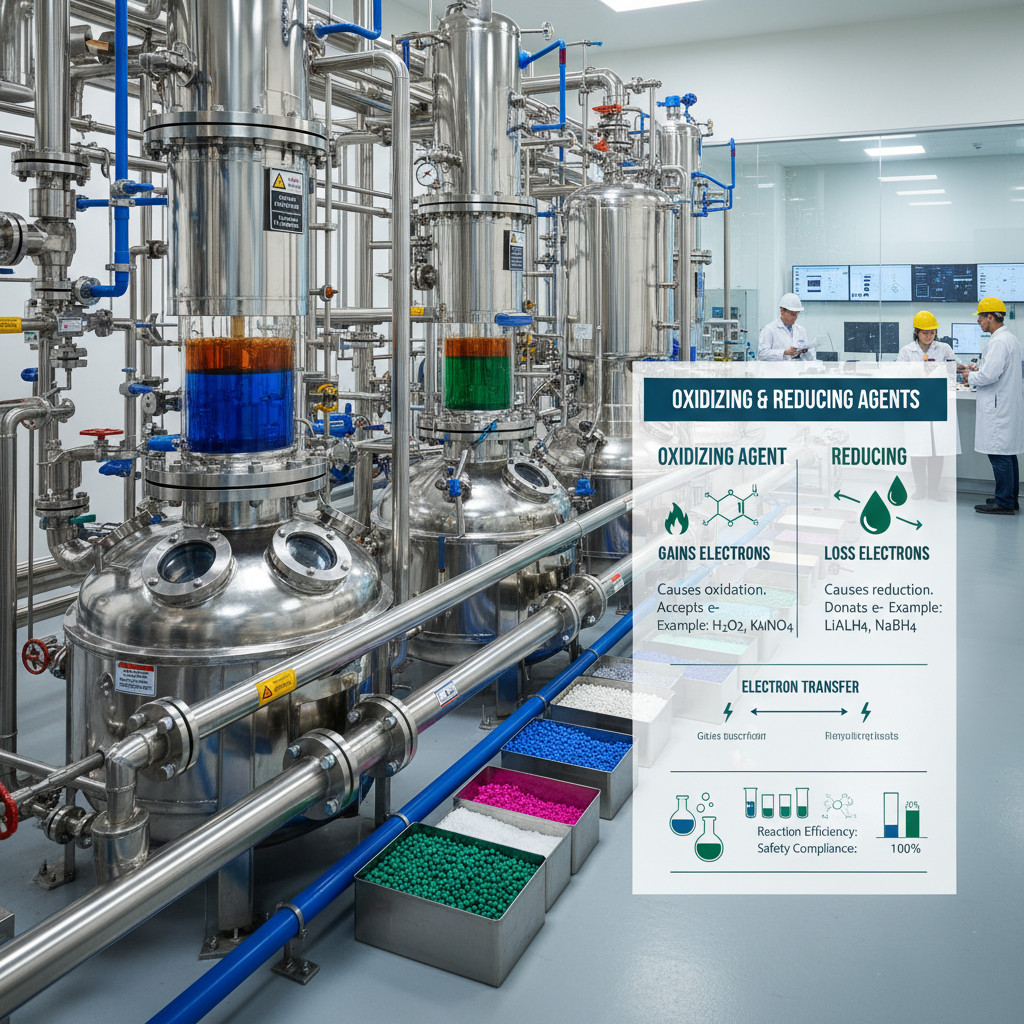
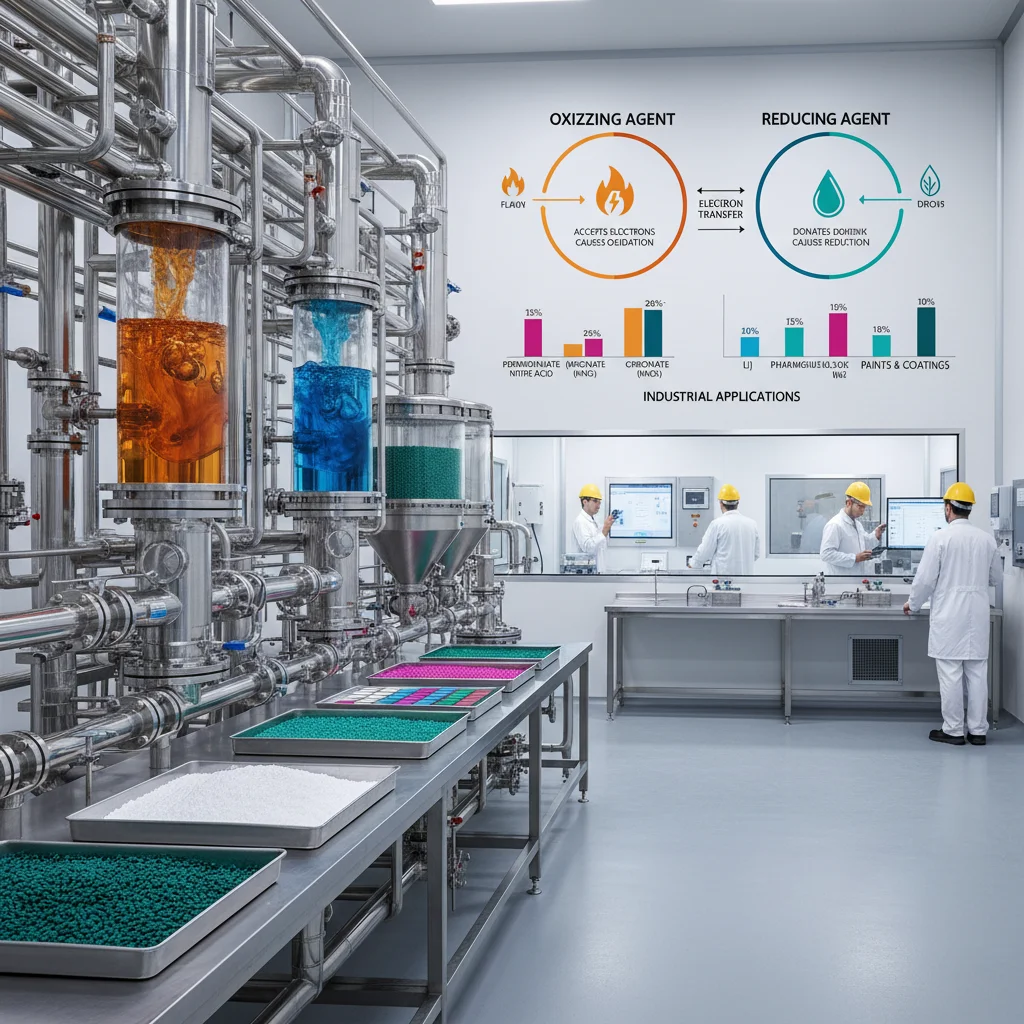
At its core, the process to identify oxidising and reducing agent activity depends on the movement of electrons. In the textile industry, an oxidising agent is a substance that gains electrons, thereby removing them from another molecule—often used in bleaching or the fixation of certain dyes. Conversely, a reducing agent donates electrons, which is critical for making insoluble dyes soluble, such as in the application of sulfur dyes or indigo in denim production.
Mastering these fundamentals allows technicians to control the "redox potential" of a dye bath. By knowing exactly how to identify oxidising and reducing agent strengths, a factory can ensure that the chemical energy is sufficient to drive the reaction to completion without over-processing the fabric, which could lead to tensile strength loss or "hole" formation in delicate blends.
Industrial Identification Criteria for Redox Agents
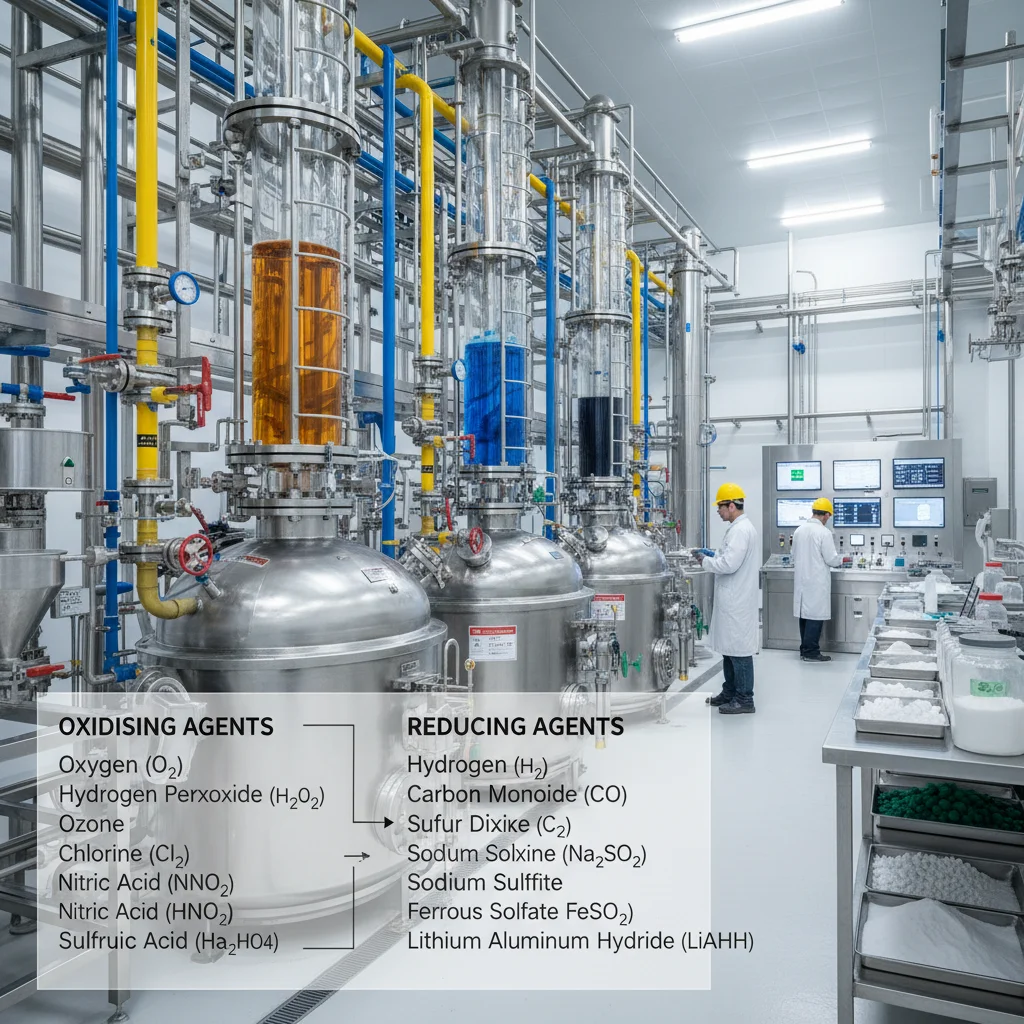
In a commercial setting, the ability to identify oxidising and reducing agent properties starts with analyzing the chemical structure and the oxidation state of the active elements. For instance, peroxide-based auxiliaries are classic oxidants, while sodium hydrosulfite is a ubiquitous reductant in the dyeing house. Professionals look for specific functional groups and the tendency of the molecule to attract or repel electrons based on electronegativity.
Beyond theoretical chemistry, industrial identification often relies on pH stability and temperature sensitivity. Many reducing agents are only stable in alkaline environments; if the pH drops, the agent may decompose, losing its effectiveness. Therefore, identifying the active agent requires monitoring the synergy between the auxiliary and the surrounding chemical environment to ensure the reaction proceeds as intended.
Furthermore, the speed of the reaction serves as a key identifier. Strong oxidants act rapidly, often requiring stabilizers to prevent "flash" reactions that can damage fibers. By observing the rate of color change or the evolution of gas (such as oxygen bubbles during peroxide bleaching), technicians can practically identify oxidising and reducing agent potency in real-time on the factory floor.
Practical Methods to Identify Oxidising and Reducing Agent
To effectively identify oxidising and reducing agent behavior, labs often employ titration methods. By using a known standard solution, chemists can determine the exact concentration of the active species, ensuring that the dosage in the pre-treatment or dyeing phase is precise. This quantitative approach removes the guesswork from high-volume production.
Another critical way to identify oxidising and reducing agent activity is through the use of ORP (Oxidation-Reduction Potential) meters. These digital tools provide a millivolt (mV) reading that tells the operator exactly where the bath stands on the redox scale, allowing for immediate adjustments to prevent under-reduction in indigo vats.
Finally, visual indicators and colorimetric tests provide a rapid, low-cost method for field identification. Specific dyes that change color based on the electron density of the solution allow workers to identify oxidising and reducing agent presence without needing expensive laboratory equipment, bridging the gap between chemistry and manual operation.
Performance Metrics of Chemical Auxiliaries
When evaluating the effectiveness of various textile auxiliaries, we must look at the efficiency of the electron transfer. The "reactivity index" determines how quickly a chemical can facilitate the desired change in the fiber, which is the primary goal when we identify oxidising and reducing agent types for specific fabrics like cotton, silk, or synthetic blends.
Cost-efficiency and stability are equally important. A high-potency agent that decomposes too quickly is less valuable than a moderated agent with a longer shelf life. By comparing the molar mass to the active oxygen or hydrogen content, manufacturers can determine the true value of the chemical investment.
Comparison of Redox Auxiliary Efficiency Metrics
Global Applications in Denim and Sulfur Dyeing
In the denim industry, the process of "reduction clearing" is vital. To achieve the desired washed look, manufacturers must identify oxidising and reducing agent balances to remove excess indigo from the surface of the yarn without stripping the core color. This delicate balance is what creates the high-contrast vintage look demanded by global fashion markets.
Sulfur dyeing, common in workwear and dark denim, relies heavily on the ability to identify oxidising and reducing agent strengths to ensure the dye is fully reduced for penetration and then fully oxidized for fixation. In regions like Southeast Asia and China, where sulfur dyes are widely used, the precision of this process directly impacts the wash-fastness and rubbing-fastness of the garment.
Sustainability and Environmental Impact of Redox Control
The shift toward "Eco-Friendly" textiles has put a spotlight on how we identify oxidising and reducing agent usage. Traditional reducing agents, like sodium hydrosulfite, often leave behind high levels of sulfates in wastewater, contributing to water pollution. Innovations in enzyme-based redox catalysts are now providing a biodegradable alternative that maintains performance while reducing the chemical oxygen demand (COD) of effluent.
Furthermore, the adoption of ozone technology serves as a powerful oxidizing alternative to chlorine bleach. By utilizing ozone, factories can identify oxidising and reducing agent needs that are met through electrical energy rather than harsh chemicals, significantly lowering the toxicity of the textile mill's footprint.
Integrating these green alternatives requires a higher level of technical skill. Operators must learn to identify oxidising and reducing agent potentials in low-chemical environments, where the margins for error are slimmer but the environmental rewards are immense, aligning with the UN Sustainable Development Goals for clean water and production.
Comparative Analysis of Modern Redox Auxiliaries
Modern textile auxiliaries have evolved from simple salts to complex organic molecules. To properly evaluate these, one must identify oxidising and reducing agent characteristics through the lens of "selectivity." A selective agent only reacts with the target molecule (like a specific dye) without attacking the cellulose structure of the cotton fiber, preserving the fabric's hand-feel.
Comparing the efficacy of these agents involves analyzing their "active content" versus their "carrier volume." High-concentration agents reduce shipping costs and storage space but require more precise dilution and handling to avoid localized overheating or fiber burning during the application phase.
Ultimately, the choice of agent depends on the specific textile goal—whether it is the aggressive stripping of a faulty dye lot or the gentle brightening of a luxury silk fabric. The ability to identify oxidising and reducing agent strengths allows for a customized approach to textile chemistry.
Comparative Analysis of Industrial Redox Agents in Textile Processing
| Agent Type |
Primary Function |
Reaction Speed |
Eco-Impact Score (1-10) |
| Sodium Hydrosulfite |
Reduction of Sulfur/Vat Dyes |
Fast |
4 |
| Hydrogen Peroxide |
Bleaching & Oxidation |
Moderate |
8 |
| Sodium Hypochlorite |
Strong Bleaching |
Very Fast |
3 |
| Ozone Gas |
Eco-Oxidation |
Fast |
9 |
| Enzymatic Reductants |
Selective Bio-reduction |
Slow |
10 |
| Thiourea Dioxide |
Stable Reduction |
Moderate |
6 |
FAQS
The fastest way is to check the Technical Data Sheet (TDS) for the active ingredient. If it contains peroxide or chlorine, it is likely an oxidising agent. If it contains sulfites or hydrosulfites, it is a reducing agent. For unknown samples, an ORP meter can provide an immediate electronic reading of the redox potential.
Mixing them causes a neutralization reaction where they cancel each other out, wasting chemicals and money. In some cases, this reaction is highly exothermic (releases heat) or produces toxic gases, which can lead to safety hazards in the factory or damage the fabric through localized heat spikes.
Yes, temperature significantly alters reaction kinetics. Many reducing agents decompose rapidly at high temperatures, while certain oxidants only become active above a specific threshold (e.g., peroxide bleaching). Therefore, identification must always be coupled with the operating temperature of the process.
For denim, the "Reduction Clearing" test is the gold standard. By monitoring the color change of the indigo liquor and using ORP sensors, technicians can ensure the reducing agent is strong enough to remove surface dye without compromising the structural integrity of the cotton yarn.
Yes, using bio-indicators or spectrophotometry can help identify chemical needs without adding more reagents to the bath. Additionally, transitioning to ozone-based oxidation allows for a cleaner process where the "agent" is a gas that leaves no chemical residue in the water.
pH changes the oxidation state of many chemicals. For example, a reducing agent might appear inactive in an acidic environment but become highly potent in an alkaline one. Accurate identification requires stabilizing the pH first to ensure the agent's properties are correctly measured.
Conclusion
In summary, the technical capacity to identify oxidising and reducing agent properties is fundamental to the success of modern textile manufacturing. By mastering the balance between electron donors and acceptors, producers can optimize everything from the vibrancy of sulfur dyes to the sustainable washing of denim. The integration of digital tools like ORP meters and the adoption of green chemistry alternatives ensures that the industry can maintain high quality while minimizing its environmental footprint.
Looking forward, the trend toward automation and "Smart Factories" will likely integrate real-time redox monitoring into AI-driven dosing systems, further reducing human error and chemical waste. We suggest that textile professionals continuously update their knowledge of bio-based redox catalysts to stay ahead of global environmental regulations. For more high-performance auxiliaries and technical support, visit our website: www.dyeingchem.com.