
Oxidising and reducing agents are fundamental to a vast array of chemical processes, particularly within the textile industry. These agents facilitate essential transformations in dyeing, printing, and finishing, directly impacting the quality, durability, and aesthetic appeal of textile products. Understanding the nuances of these agents – their mechanisms, applications, and safety considerations – is crucial for optimizing textile production and meeting increasingly stringent environmental standards. The efficient use of list of oxidising and reducing agents is no longer simply a matter of process control, but a key driver of sustainability and innovation.
Globally, the demand for textiles continues to rise, fueled by population growth and evolving consumer preferences. This escalating demand places significant pressure on the textile industry to adopt more efficient and environmentally responsible practices. Effective management of oxidising and reducing agents directly addresses this challenge, reducing waste, minimising environmental impact, and ensuring compliance with international regulations such as REACH and OEKO-TEX. The proper selection and application of these agents are therefore critical components of a competitive and sustainable textile manufacturing landscape.
The impact extends beyond mere industrial efficiency. Appropriate use of list of oxidising and reducing agents contributes to improved product quality, enhanced colorfastness, and reduced health risks associated with harmful byproducts. This translates to greater consumer satisfaction and a stronger brand reputation for textile manufacturers. Ultimately, a deep understanding of these agents is essential for ensuring the long-term viability and ethical responsibility of the textile industry.
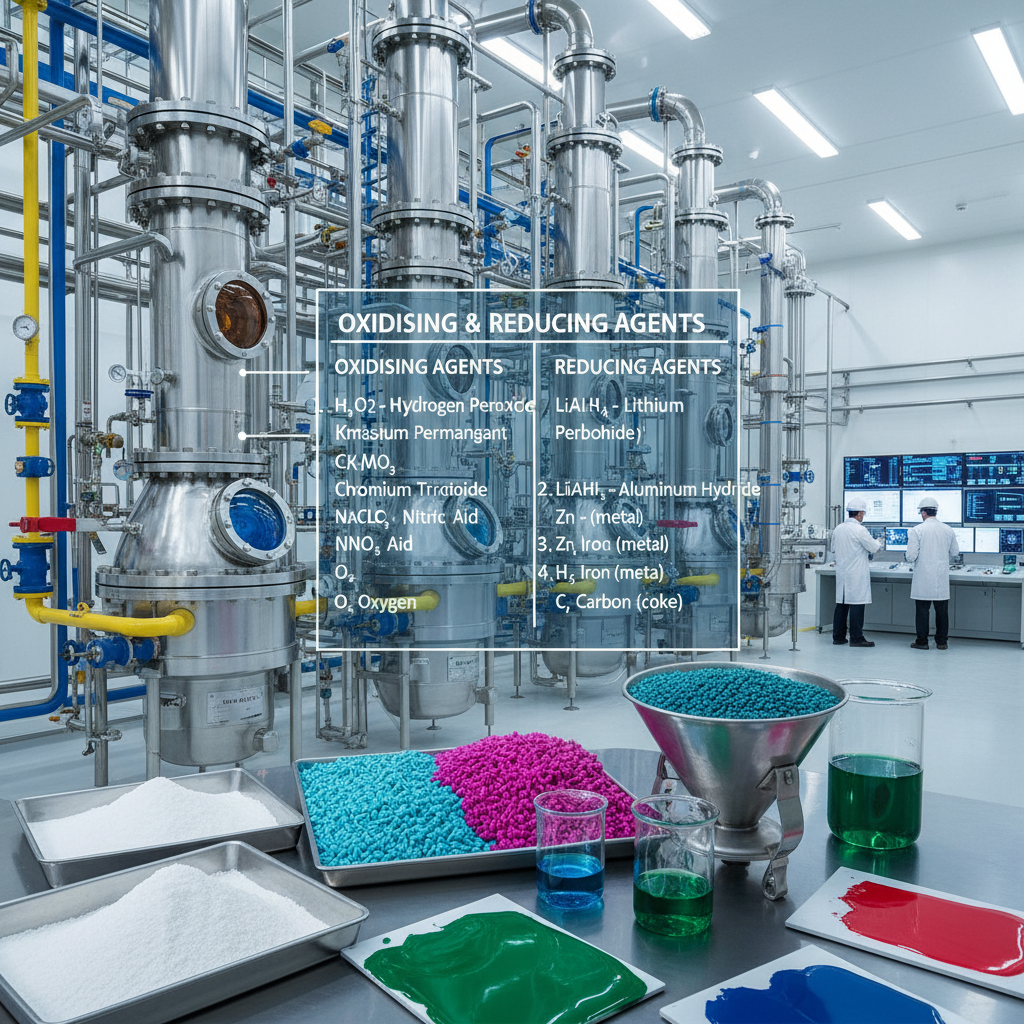
The Importance of list of oxidising and reducing agents in Textile Processing

The role of list of oxidising and reducing agents in textile processing is fundamentally linked to achieving desired colouration and enhancing fabric properties. From bleaching and desizing during pre-treatment to colour fixation and discharge printing, these agents underpin almost every critical step. Without precise control over oxidation-reduction reactions, consistent quality, and vibrant, durable colours are simply unattainable.
Furthermore, the efficiency with which these agents are utilised directly impacts the environmental footprint of textile manufacturing. Minimizing the use of harsh chemicals and maximizing their effectiveness through innovative formulations and application techniques is paramount. This leads not only to reduced waste streams but also to lower operational costs and a more sustainable production process.
FAQS
Traditional oxidising and reducing agents can have a significant environmental impact due to the release of harmful byproducts during the textile process. These byproducts can contaminate water sources, impacting aquatic life and potentially posing risks to human health. Furthermore, the production of these agents often requires substantial energy consumption and generates greenhouse gas emissions. Sustainable alternatives are increasingly important to mitigate these effects.
Selecting the appropriate agent depends heavily on the fibre composition and desired outcome. For example, hydrogen peroxide is commonly used for bleaching cotton, whereas sodium hydrosulfite is preferable for preparing vat dyes. Consider the fabric's sensitivity to oxidation or reduction, the desired colourfastness, and any specific performance requirements. Consulting with a textile chemist can ensure optimal agent selection.
Many oxidising and reducing agents are corrosive or reactive and require careful handling. Always wear appropriate personal protective equipment (PPE), including gloves, eye protection, and respirators. Ensure adequate ventilation, and follow safety data sheet (SDS) guidelines for storage, handling, and disposal. Proper training for personnel is crucial to prevent accidents and ensure a safe working environment.
Optimizing agent usage involves precise dosing, careful control of process parameters (pH, temperature, time), and the use of catalysts. Implementing real-time monitoring systems can help adjust agent concentrations based on actual needs, minimizing excess usage. Exploring closed-loop systems for chemical recovery and reuse can further reduce waste generation.
Sustainable alternatives include enzymatic bleaching, ozone treatment, and the use of bio-based reducing agents derived from renewable sources. Peracetic acid is also considered a more environmentally friendly option than sodium hypochlorite. Research is ongoing to develop novel sustainable agents with comparable performance to traditional chemicals.
Variations between batches can occur. Therefore, rigorous quality control is vital. Check concentration, purity, and reactivity before each use. Standardize process parameters, and conduct regular calibration of equipment. Maintaining detailed records of agent batches and process conditions facilitates troubleshooting and ensures consistent results.
Conclusion
In conclusion, a thorough understanding of list of oxidising and reducing agents is paramount for achieving efficiency, sustainability, and quality in textile processing. From fundamental chemical principles to innovative applications and emerging trends, these agents play a pivotal role in shaping the future of the industry. Strategic adoption of best practices, coupled with a commitment to continuous improvement, is key to unlocking their full potential.
Looking ahead, the textile industry must prioritize the development and implementation of sustainable alternatives, embrace digitalization, and foster collaboration to overcome existing challenges. By investing in research, innovation, and responsible chemical management, we can ensure a more environmentally friendly, economically viable, and socially responsible future for textile manufacturing. Visit our website at www.dyeingchem.com to learn more about our comprehensive range of textile auxiliaries.
Related Posts
-

Understanding Reduction Agent and Oxidation Agent Processes and Their WideRanging Applications
-
Understanding and Applying a List of Strong Reducing Agents for Industrial Solutions
-

Navigating Innovation in Textile Auxiliaries Chemicals for Modern Construction
-
Elite Chemical Solutions Define Oxidising Agent and Reducing Agent for Textile Auxiliaries