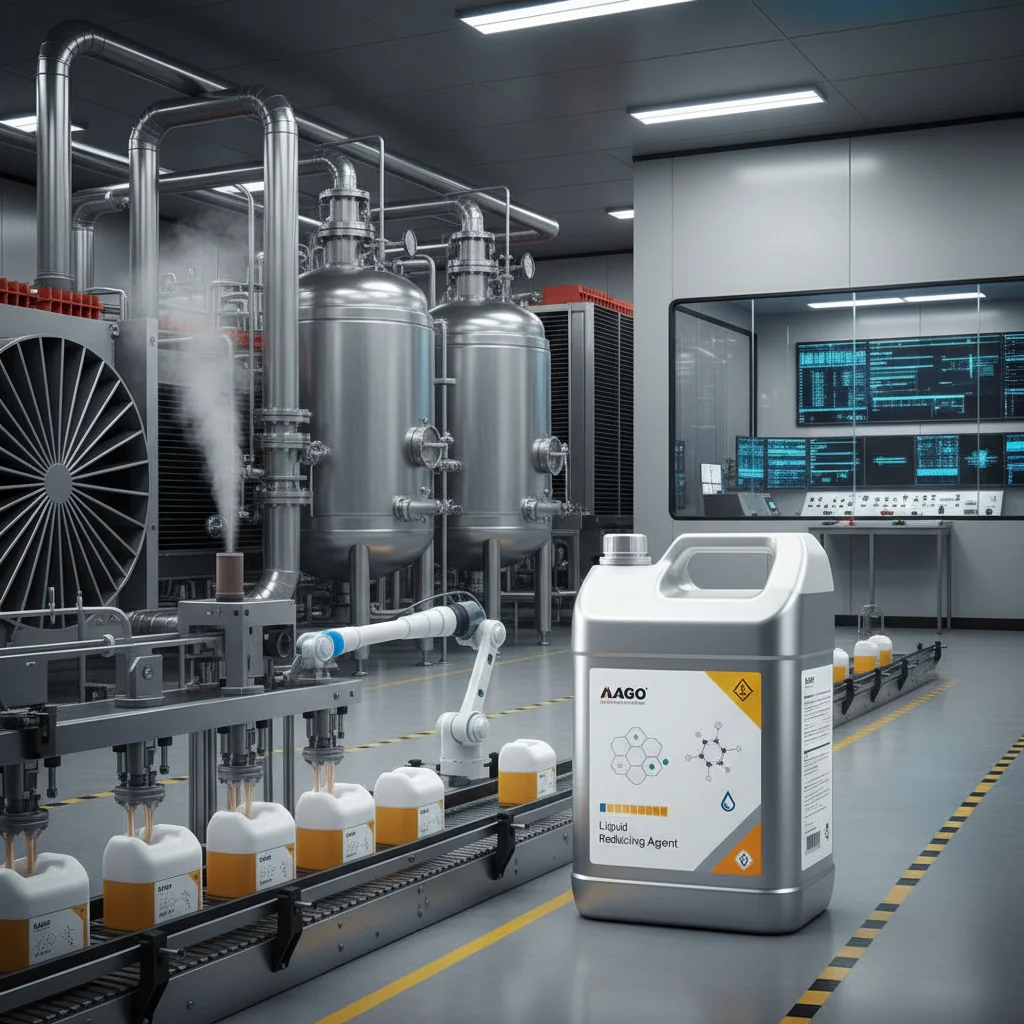
Protease Which Is Protein in Nature: Definition, Applications & Future Trends
Protease Which Is Protein in Nature: Definition, Applications & Future Trends
Understanding Protease Which Is Protein in Nature: Why It Matters Globally
Protease enzymes, which are proteins in nature, might sound a bit niche or scientific at first glance. Yet, these fascinating biomolecules play a fundamental role in everything from our digestion to crucial industrial processes worldwide. Their ability to break down proteins into smaller peptides or amino acids makes them invaluable not only in biochemistry but also in sectors like pharmaceuticals, agriculture, food processing, and even environmental management. Understanding protease which is protein in nature isn’t just a biochemical curiosity—it’s a key to unlocking sustainable innovations and improving living standards globally.
Introduction: The Worldwide Importance of Protease Enzymes
Global enzyme markets are booming, and proteases constitute a significant chunk—worth billions of dollars annually. According to industry reports, the protease segment is expected to grow at a CAGR of over 6% through the next decade, driven by rising demand in detergent formulations, food and beverage enhancements, and medical therapies. Yet, behind this growth, there is an underlying challenge: how to harness protease which is protein in nature effectively and sustainably. Manufacturing consistent, high-quality protease enzymes that maintain activity under diverse industrial conditions is no small feat.
Also, on a societal note, protease enzymes are increasingly significant in developing countries where cost-effective protein digestion solutions can alleviate malnutrition. In that sense, these enzymes have a humanitarian role that’s often overlooked.
What Is Protease Which Is Protein in Nature?
Simply put, proteases are enzymes—biological proteins—that catalyze the breakdown of other proteins. As protein molecules themselves, their structure enables them to target specific peptide bonds in substrate proteins and cleave them, effectively reducing complex proteins into simpler, functional units. This proteolytic action is crucial for digestion, cell cycle regulation, immune responses, and more. But also, modern industries rely on these enzymatic tools to improve efficiency and sustainability.
For example, the detergent industry incorporates protease to break down protein stains like blood or food residues on clothes, reducing the need for harsh chemicals. You can read more about these applications at protease which is protein in nature.
Core Components and Key Characteristics of Protease Enzymes
1. Specificity
Protease enzymes exhibit varying specificity, targeting certain peptide bonds, which affects their functionality and application. Some cleave at the carboxyl side, others at the amino side, and some show broad specificity.
2. Stability
The stability of proteases at different pH levels and temperatures determines their industrial viability. Enzymes that withstand harsh conditions make processes more robust and cost-efficient.
3. Source & Production
Proteases can be derived from animals, plants, or microorganisms. Microbial proteases are preferred industrially due to scalability and less variability.
4. Activity Level
Measured in units, protease activity impacts dosage and application cost. High-activity enzymes reduce the quantity needed, influencing sustainability.
5. Compatibility
Proteases must be compatible with other formulation ingredients in detergents or pharmaceuticals to ensure effectiveness without unwanted degradation.
| Specification | Description |
|---|---|
| Source | Microbial (Bacillus subtilis, Aspergillus spp.) |
| Optimal pH | 7.5 -10 (alkaline proteases) |
| Optimal Temperature | 50-60°C |
| Activity | 2000 - 6000 PU/g (Protease Units) |
| Stability | Retains 80% activity after 1 hr at 55°C |
Global Uses and Industry Applications
Protease enzymes are everywhere—here are a few highlights:
- Food Industry: Tenderizing meat, clarifying beer and fruit juices, and improving baking.
- Detergent Formulations: Enhancing stain removal, reducing harsh chemical use, boosting energy savings by enabling lower wash temperatures.
- Pharmaceuticals: Drug development, wound debridement, and digestive aids.
- Agriculture: Animal feed supplements to improve protein digestibility.
Regions like Europe and North America lead in protease enzyme technology, but emerging markets in Asia and Africa increasingly capitalize on microbial enzyme production for local industries and humanitarian applications.
Vendor Comparison for Industrial Protease Enzymes
| Vendor | Source | Activity (PU/g) | pH Range | Stability | Price Range |
|---|---|---|---|---|---|
| EnzyCo | Bacillus subtilis | 5500 | 7.0-10.0 | High (retains 85% at 55°C) | $$$ |
| BioMax | Aspergillus oryzae | 4800 | 6.5-9.5 | Moderate (75% at 50°C) | $$ |
| EcoEnz | Mixed microbial | 3000 | 7.2-9.0 | High (80% at 55°C) | $ |
Advantages and Long-Term Value of Protease Enzymes
The advantages of using protease which is protein in nature are manifold:
- Cost Efficiency: Higher reaction rates and reduced chemical usage lower operational costs.
- Sustainability: Biodegradable enzymes reduce environmental footprint.
- Safety & Health: Enzymatic processes minimize toxic residues, enhancing consumer safety.
- Innovation: Enable development of new products and formulations that were previously impossible.
- Social Impact: By improving food processing and nutrition, they contribute to food security.
Future Trends and Innovations
Looking forward, protease enzymes are at the crossroads of exciting advancements:
- Genetic Engineering: Tailoring protease specificity and stability via CRISPR and synthetic biology.
- Green Chemistry: Combining proteases with sustainable solvents and processes.
- Automation & AI: Optimizing enzyme production and application through machine learning tools.
- Digital Supply Chains: Ensuring global availability even in remote regions through blockchain tracking.
Challenges and Solutions
The protease industry faces a few ongoing challenges:
- Enzyme Deactivation: Proteases are sensitive to heat and extreme pH, affecting shelf life and process stability.
- Allergenicity: Some proteases can cause allergic reactions in handlers.
- Cost of Purification: Extracting pure enzymes at scale can be expensive.
Experts suggest immobilization techniques, protein engineering, and improved fermentation methods as promising solutions to these hurdles.
FAQ: Frequently Asked Questions About Protease Which Is Protein in Nature
- What industrial sectors rely most on protease enzymes?
- Proteases are integral to food processing, detergents, pharmaceuticals, and agriculture. Their ability to degrade proteins efficiently is key across these diverse sectors.
- Are microbial proteases more sustainable than animal-derived ones?
- Yes, microbial proteases are generally preferred for sustainability because microbial fermentation is renewable and scalable without animal welfare concerns.
- Can proteases survive in harsh industrial environments?
- Some proteases, especially alkaline types, are naturally stable or can be engineered for high heat and pH tolerance, making them effective under tough conditions.
- Where can I source high-quality protease enzymes internationally?
- Several companies worldwide specialize in production and export; checking detailed specs and certifications is vital. Vendors like EnzyCo and BioMax are industry leaders.
- Is it possible to tailor protease enzymes for specific applications?
- Absolutely, modern biotechnology enables customizing protease specificity and stability to meet unique industrial needs.
Conclusion: Why Protease Which Is Protein in Nature Matters Long-Term
In sum, protease enzymes are more than just biological catalysts—they are powerful tools driving innovation, sustainability, and health worldwide. Their protein nature and enzymatic efficiency mean they’ll remain crucial across industries, helping solve some of the world’s most pressing challenges. Whether it’s making laundry detergents greener or improving food security in vulnerable regions, proteases have a vital, evolving role.
If you want to dive deeper into the latest protease technologies and applications, visit our website: https://www.dyeingchem.com.
Mini takeaway: Protease enzymes, being protein in nature, blend biological precision with industrial necessity—forming a bridge between science and sustainability.
References: