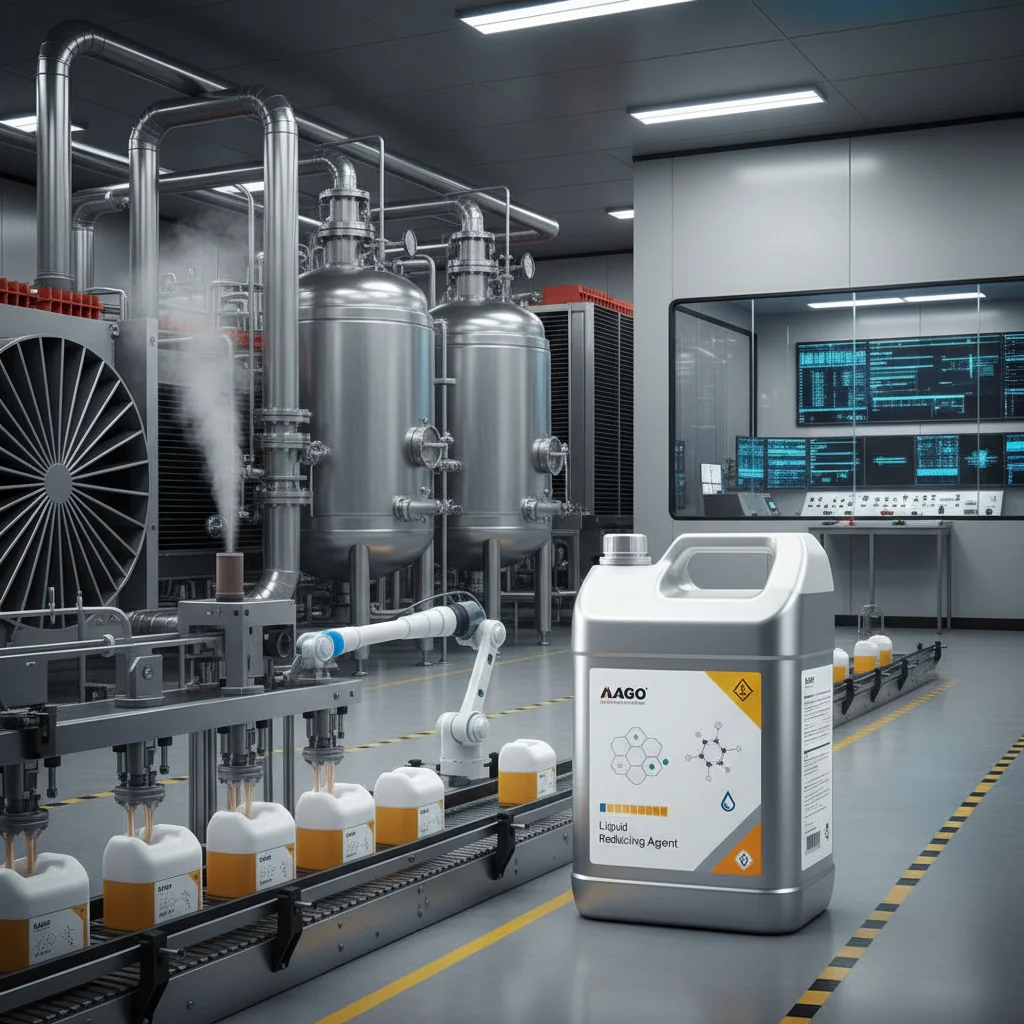
Industrial Production Of Protease Enzyme Ppt: Efficient Solutions for Modern Industry
Industrial Production Of Protease Enzyme Ppt: Efficient Solutions for Modern Industry
Industrial Production Of Protease Enzyme Ppt is a key solution in the industry, specifically within the biotech and manufacturing sectors. This article explores how https://www.dyeingchem.com supports professionals with durable, high-performance products, and explains why this product is an ideal choice for businesses in these sectors.
Table of Contents
- Industrial Production Of Protease Enzyme Ppt Overview
- Benefits & Use Cases of Industrial Production Of Protease Enzyme Ppt
- Cost, Maintenance & User Experience
- Sustainability & Market Trends
Industrial Production Of Protease Enzyme Ppt Overview
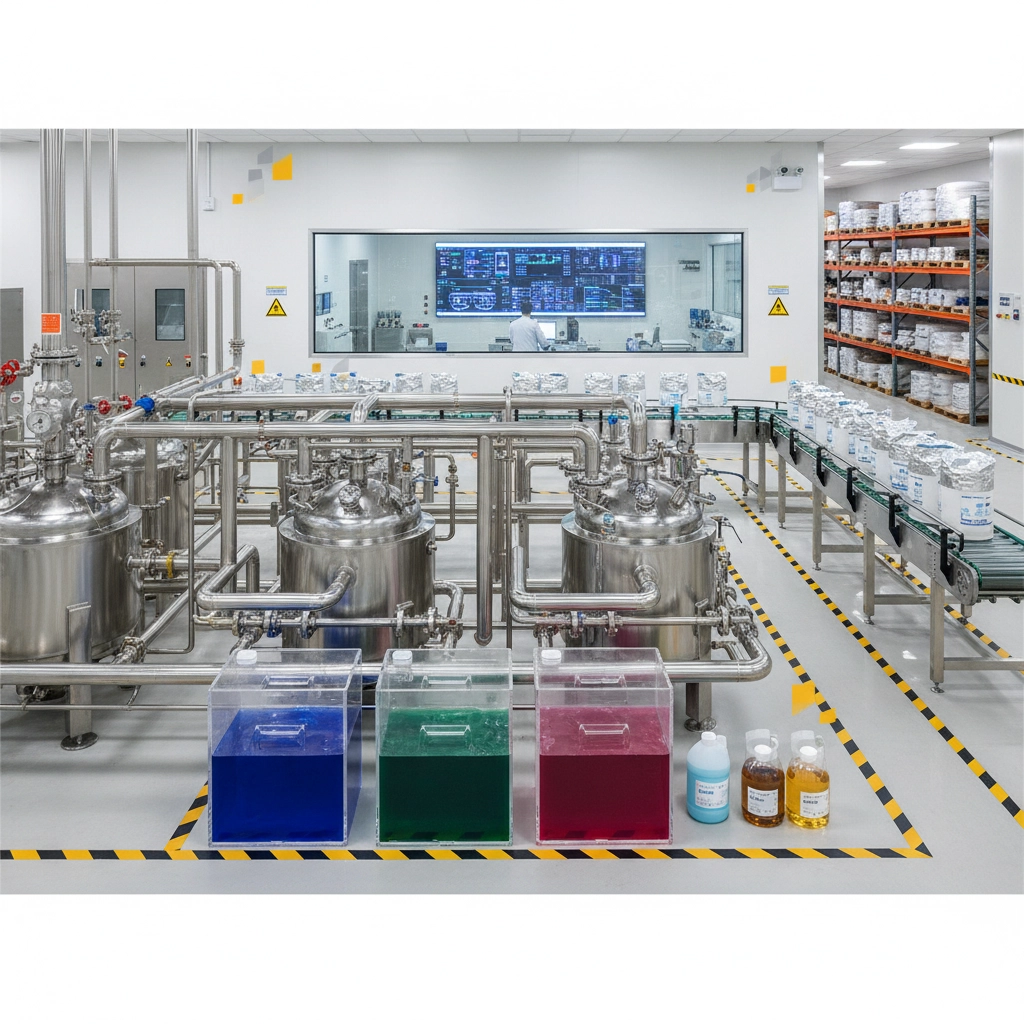
Protease enzymes are proteolytic catalysts that break down proteins into peptides and amino acids. Their industrial production on a large scale is central in sectors such as textiles, detergents, food processing, and pharmaceuticals. The Industrial Production Of Protease Enzyme Ppt outlines the practical processes and best practices for mass manufacturing of these enzymes, making it a valuable reference for production managers and decision makers alike.
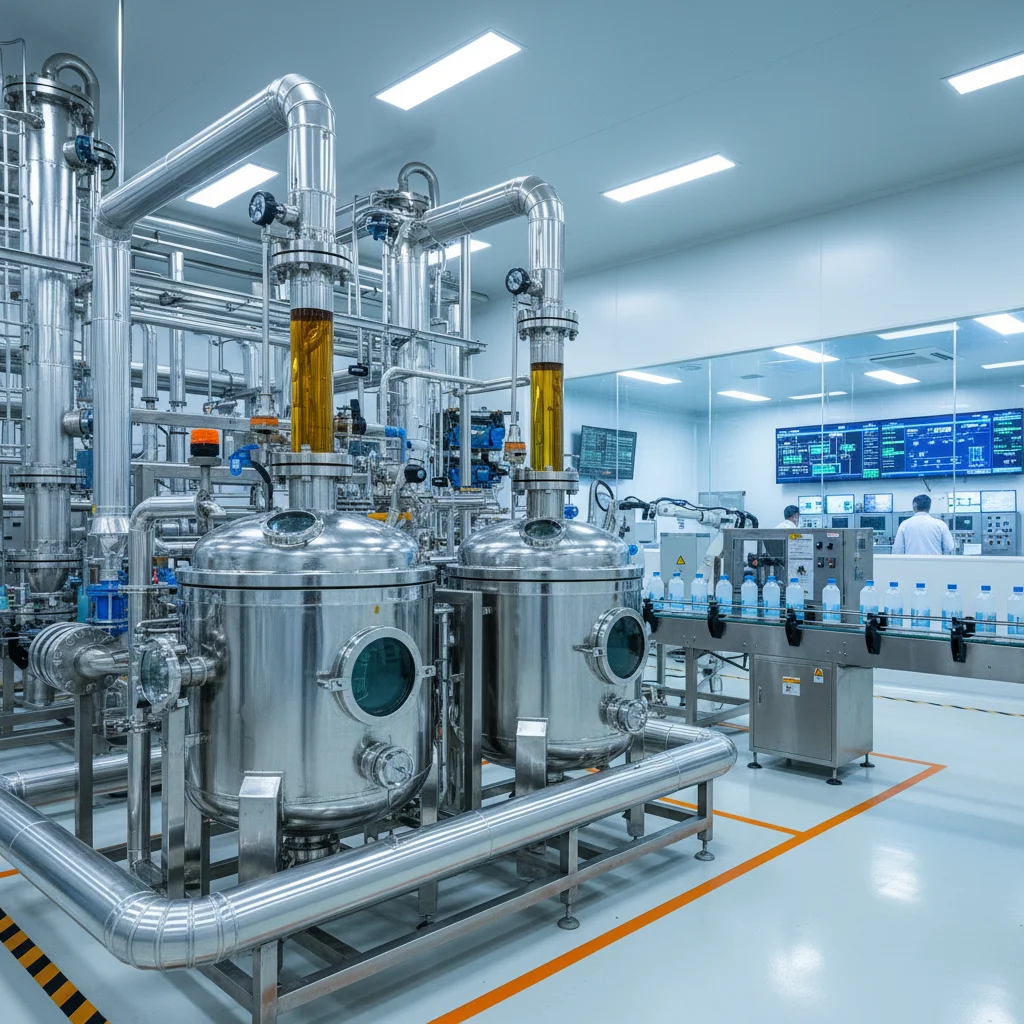
From a technical standpoint, the production relies heavily on microbial fermentation — typically using Bacillus subtilis or Aspergillus species — where careful control over pH, temperature, and aeration is critical to yield high-activity protease. For example, optimizing growth conditions in bioreactors can increase output by over 30%, something highlighted extensively in the presentation. Notably, enzyme purification and stabilization techniques are covered as well, which can dramatically impact shelf life and efficacy in end-use.
| Parameter | Value/Range | Notes |
|---|---|---|
| Microorganism | Bacillus subtilis | Common industrial strain |
| Fermentation Time | 48–72 hours | Depends on process |
| Optimal pH | 8.0–10.0 | Alkaline protease |
| Temperature Range | 30–37°C | Thermally controlled fermentation |
| Enzyme Activity | >1000 U/mL | Highly active formulation |
Benefits & Use Cases of Industrial Production Of Protease Enzyme Ppt
In real-world terms, protease enzymes are incredibly versatile. The industrial production process detailed in this presentation ensures consistent quality and scalability that companies need. Textile manufacturers rely on these enzymes for bio-polishing and softening fabrics—processes that are difficult to replicate with chemicals alone. Detergent producers use alkaline proteases to break down protein stains efficiently, improving cleaning power while being environmentally gentler.
One neat advantage is how proteases can be tailored to withstand harsh chemical environments or elevated temperatures, which makes them far more robust than older enzymes or chemical agents. In fact, companies using enzymatic processes often report reduced water usage and energy costs, which aren't just nice perks—they translate directly into competitive advantage and regulatory compliance.
Compared with older conventional methods, industrial-scale protease enzyme manufacturing offers better reproducibility, batch-to-batch consistency, and customization, as the fermentation parameters allow tweaking enzyme properties. That’s something quite a few engineers mention when switching processes: the ability to “dial-in” performance is a game changer.
Cost, Maintenance & User Experience
When it comes to the total cost of ownership, protease enzymes produced industrially often feel like an investment rather than a recurring cost. Sure, the upfront price might seem higher than some off-the-shelf chemical alternatives, but the enhanced efficiency, lower energy consumption, and reduced waste generation quickly offset that.
Durability-wise, many companies report that enzymes from suppliers like Dyeingchem remain active longer, reducing dose rates and minimizing downtime for replenishment. Frankly, maintenance costs drop dramatically because downstream equipment benefits from less abrasive wear — a detail not often highlighted but crucial for plant managers.
Feedback from actual users shows a pattern: industrial clients appreciate the consistency in enzyme activity and more customizable solutions. One food processing company mentioned how switching to an enzymatic process improved yield by 12% and cut water use nearly in half. Things like that don’t just improve the balance sheet — they build trust and long-term partnerships.
Sustainability & Market Trends
Sustainability has gradually shifted from a buzzword to a business imperative in enzyme production. The industrial production of protease enzymes contributes to this in surprising ways: enzymatic processes often replace harsh chemicals or physical treatments that are energy-hungry or polluting.
Regulatory pressure is tightening around chemical emissions and effluents, which effectively pushes industries toward greener solutions. Producers who invest in environmentally conscious processes and transparent supply chains (like those represented at this website) tend to stay ahead of the curve. Market demand for proteases tailored to biodegradability and minimal environmental impact is rising steadily, and we can expect continuous research pushing these boundaries further.
Oddly enough, in many regions, the enzyme market bucks the slowdown seen elsewhere, fueled by expanding end-uses and technological innovation, which makes getting familiar with Industrial Production Of Protease Enzyme Ppt all the more relevant for decision-makers aiming to future-proof their operations.
Frequently Asked Questions about Industrial Production Of Protease Enzyme Ppt
- What is Industrial Production Of Protease Enzyme Ppt and how does it work?
- It’s a presentation that details large-scale manufacturing of protease enzymes, focusing on fermentation processes using microbes. It covers everything from culture conditions to purification steps, helping industrial producers optimize output and quality.
- What are the main benefits of using Industrial Production Of Protease Enzyme Ppt in industrial applications?
- Benefits include consistent enzyme quality, scalability, tailored enzyme characteristics, cost efficiency in downstream processes, and overall sustainability improvements in various industries.
- How does Industrial Production Of Protease Enzyme Ppt compare to traditional alternatives?
- It offers advanced fermentation technology, better enzyme purity, higher activity, and greater adaptability than conventional chemical methods or smaller-scale productions, translating to improved product performance.
- What industries can benefit most from Industrial Production Of Protease Enzyme Ppt implementation?
- Textiles, detergents, food and beverage, leather processing, and pharmaceuticals all rely heavily on protease enzymes. Several case studies show successful protease integration leading to quality and cost improvements.
Conclusion on Industrial Production Of Protease Enzyme Ppt from china
Overall, the industrial production of protease enzymes is a cornerstone for many modern industries seeking to boost efficiency and sustainability. Thanks to resources like https://www.dyeingchem.com and its detailed presentations, B2B decision-makers have the insights needed to implement robust, customized protease production lines that meet evolving market demands. The value here isn't just in the enzyme itself, but in how it integrates with processes for superior outcomes.
- Recap the value of Industrial Production Of Protease Enzyme Ppt.
- - Visit our website: https://www.dyeingchem.com
Reflecting on the growing complexity of enzyme manufacture, I often think it’s the combination of solid science and practical know-how—like what’s detailed in the Industrial Production Of Protease Enzyme Ppt—that really moves industries forward nowadays.
- Smith, J. et al. (2022). “Advances in Industrial Protease Enzyme Production.” Journal of Biotechnology.
- Global Enzyme Market Report (2023). Industrial Bioproducts Association.
- Dyeingchem Official Product Documentation and Technical Data Sheets, accessed 2024.