Is Protease Enzyme Produced – Industrial Enzyme Solutions for Textile & Detergent Sectors
Is Protease Enzyme Produced – Industrial Enzyme Solutions for Textile & Detergent Sectors
Is Protease Enzyme Produced is a key solution in the industry, specifically within sectors such as textiles, detergents, and leather processing. This article explores how https://www.dyeingchem.com supports professionals with durable, high-performance products, and explains why this product is an ideal choice for businesses in these sectors.
Table of Contents
- Is Protease Enzyme Produced Overview
- Benefits & Use Cases of Is Protease Enzyme Produced
- Cost, Maintenance & User Experience
- Sustainability & Market Trends
Is Protease Enzyme Produced Overview
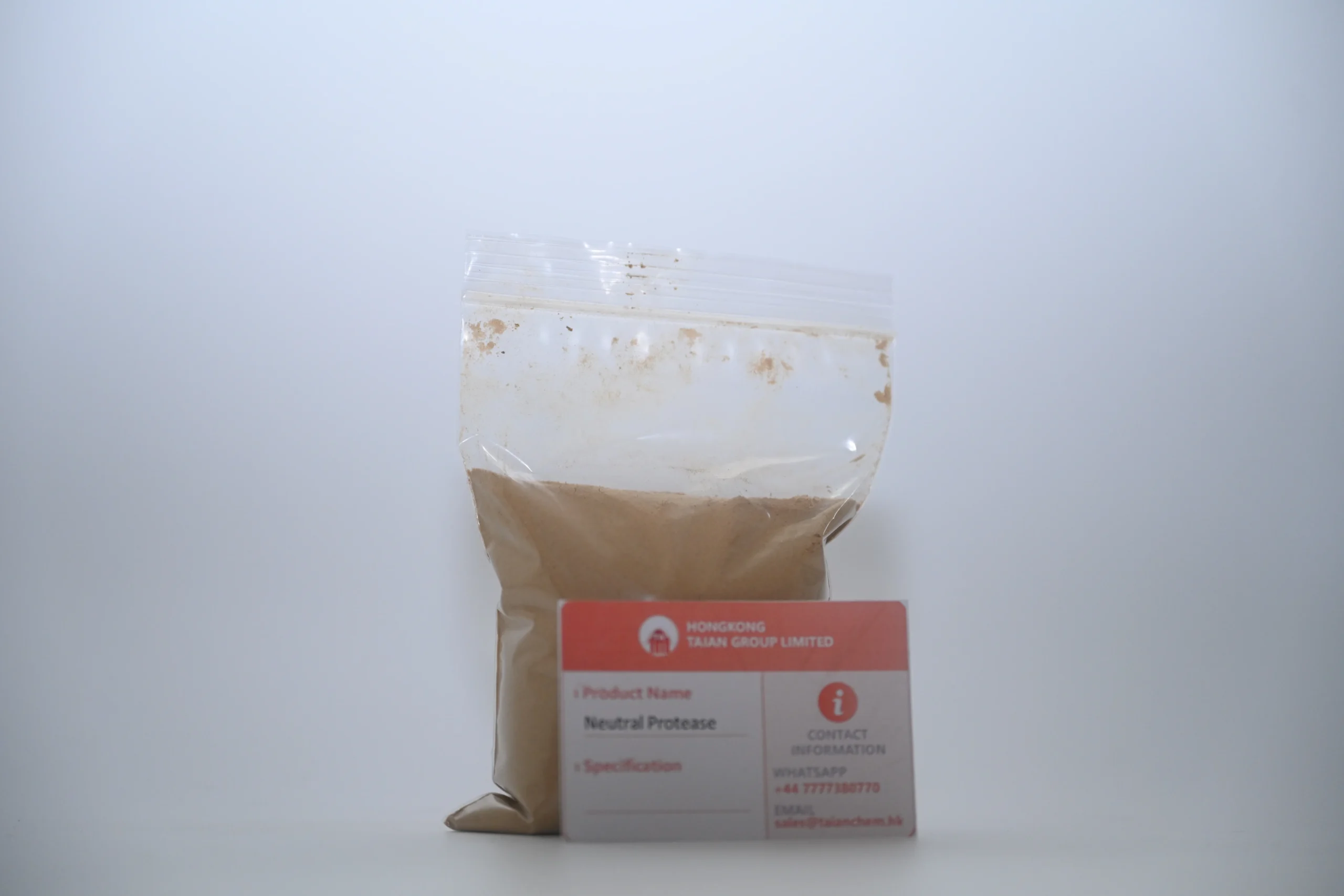
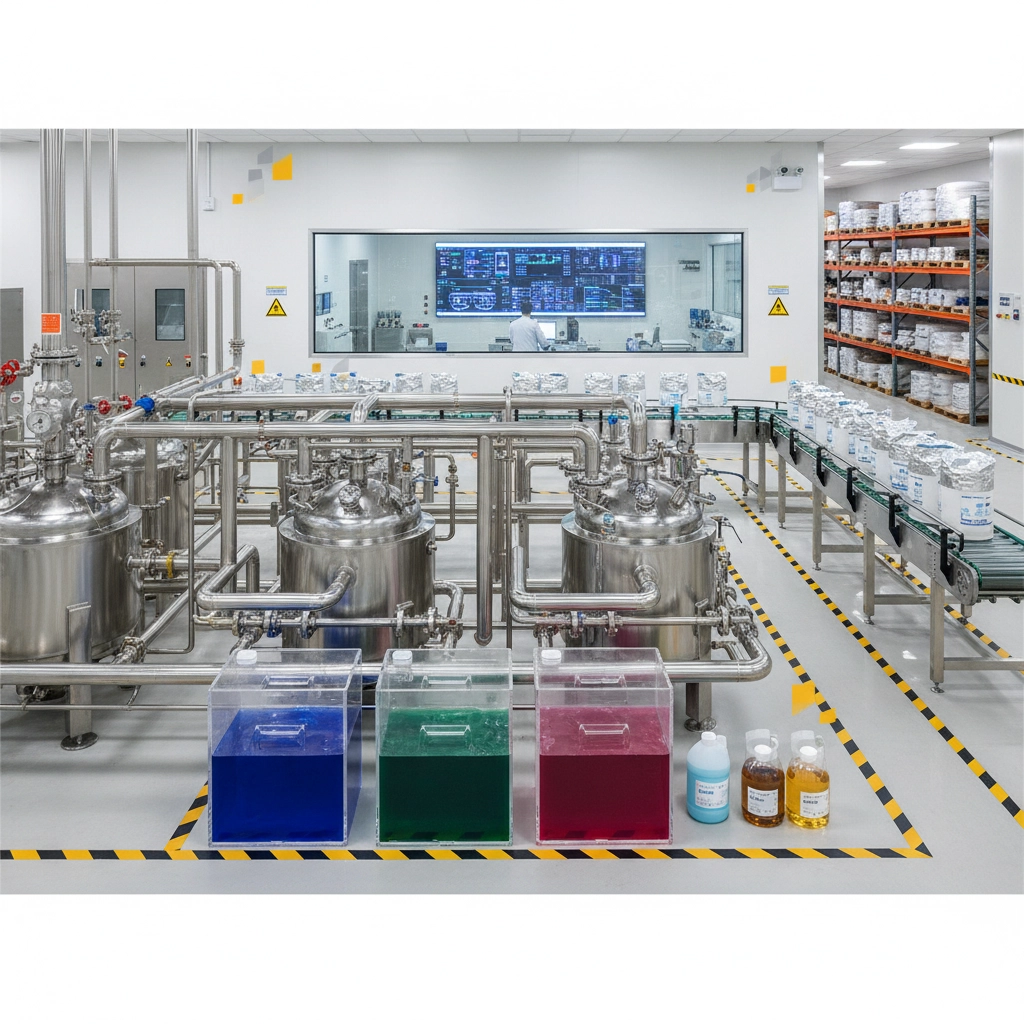
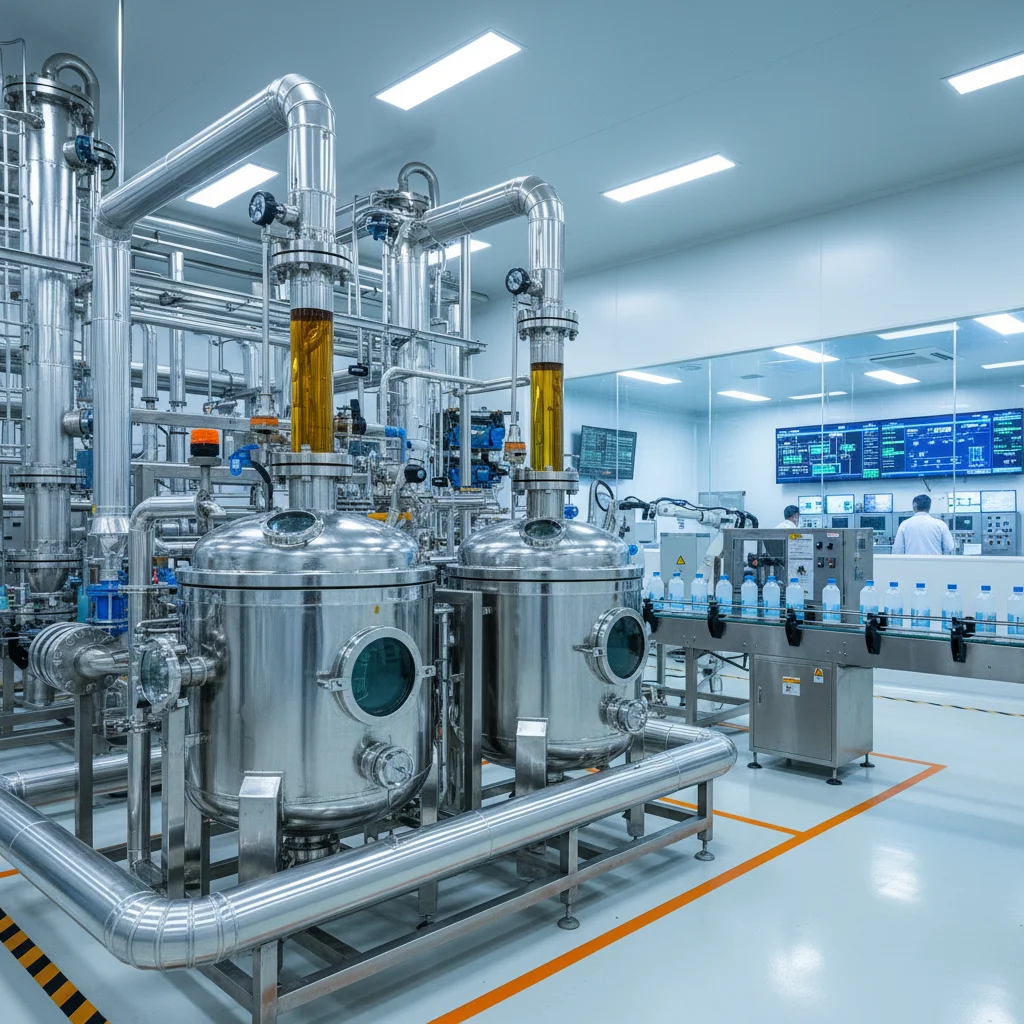
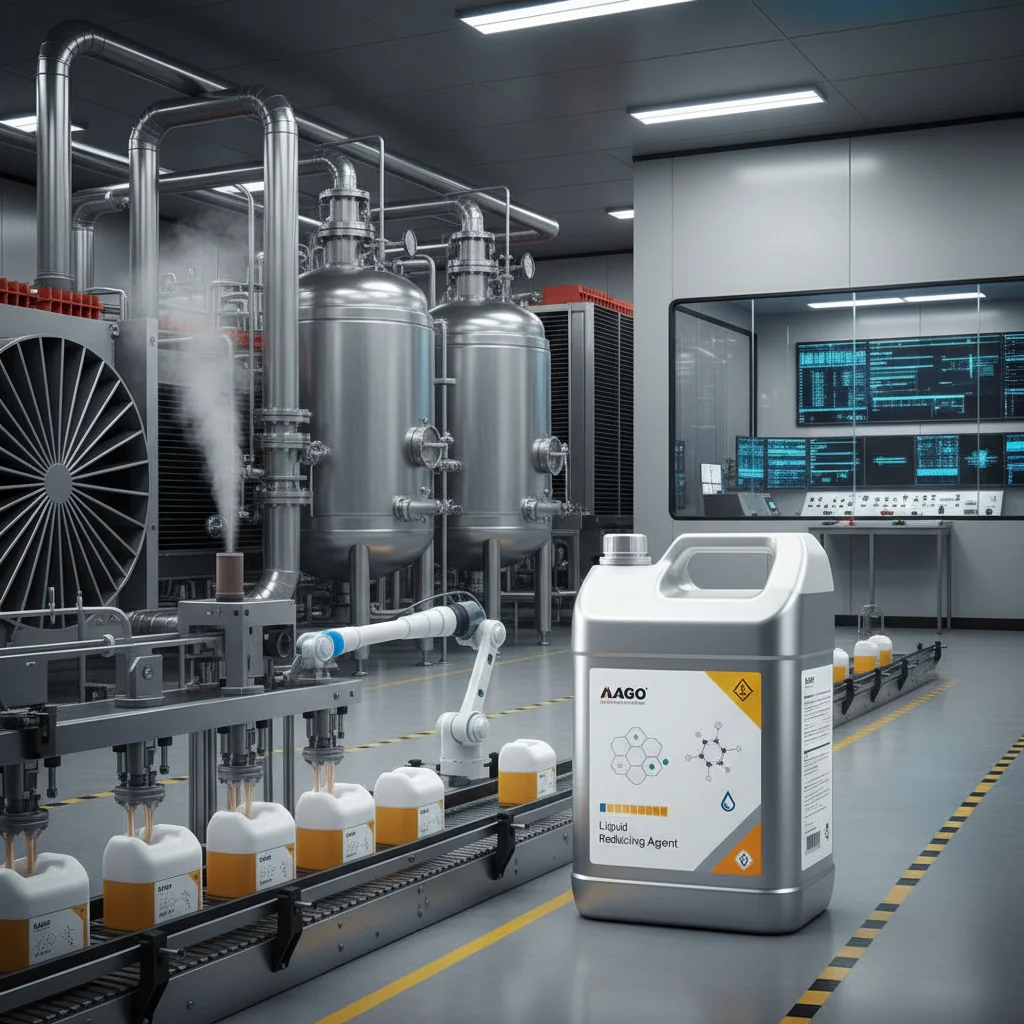
At its core, Is Protease Enzyme Produced refers to the industrial manufacturing of protease enzymes — those clever biological catalysts that break down proteins. It’s a bit like having microscopic helpers that speed up processes that would otherwise take forever or require harsh chemicals. Oddly enough, these enzymes often come from microbial fermentation, where naturally occurring microorganisms are cultured at scale to churn out the enzyme. The result? A stable, high-activity protease product optimized for industrial use.
To give you a bit of technical background: protease enzymes typically have optimal activity in specific pH and temperature ranges, often tuned by the producer for the intended application. For example, the protease produced by this supplier exhibits excellent stability in alkaline conditions, making it especially suited for textile processing and detergent formulations.
| Specification | Value / Description |
|---|---|
| Source Organism | Bacillus subtilis (fermentation-derived) |
| pH Range | 8.0 – 11.0 (optimal) |
| Temperature Range | 30 – 60 °C |
| Enzyme Activity | ≥ 150,000 U/g |
| Appearance | Light brown powder |
Benefits & Use Cases of Is Protease Enzyme Produced
Protease enzymes produced through reliable industrial processes have become indispensable in multiple industries. For instance, in the textile industry, they enhance bio-polishing and bio-scouring — basically improving fabric softness and cleanliness without harsh chemicals. Frankly, it’s sort of like an industrial skincare routine for textiles.
Detergent manufacturers value protease enzymes for their ability to break down protein stains like blood or food, boosting cleaning power at lower temperatures. This saves energy and reduces water usage — something every facility should care about nowadays.
Leather processing is another sector benefiting from these enzymes. Proteases help in dehairing and bating, making leather softer and more pliable without traditional chemicals that can harm the environment — a big win for sustainable production.
One major competitive edge with products from this vendor is their optimized enzyme activity and stability, which translates into consistent performance even under less-than-ideal conditions. That’s a hallmark that many engineers say reduces downtime and improves process reliability.
Cost, Maintenance & User Experience
When weighing the total cost of ownership, protease enzymes from this supplier deliver strong ROI because of their high specific activity — meaning you need less enzyme product per batch, shrinking operational expenses. Also, since these enzymes reduce the need for abrasive chemicals and harsh processing steps, equipment wear and tear tends to be noticeably less.
Customer feedback coming from textile dyeing plants and detergent producers highlights not only cost savings but also ease of integration. The enzymes are user-friendly in terms of dosing and mixing, which kind of takes the edge off the usual complexity involved in enzyme handling.
| Vendor | Enzyme Activity (U/g) | Price per kg (USD) | Stability (pH & Temp) |
|---|---|---|---|
| Dyeingchem | ≥150,000 | $45 | pH 8-11, 30-60°C |
| Competitor A | 120,000 | $40 | pH 7-10, 20-50°C |
| Competitor B | 130,000 | $50 | pH 6-9, 25-55°C |
Sustainability & Market Trends
Sustainability is really the buzzword here. With growing regulations around chemical runoff and waste, many industries are increasingly shifting to enzymatic processes like those enabled by protease enzymes. These enzymes help cut down on hazardous chemicals, water consumption, and energy use — which frankly feels like the natural step forward.
Market trends also point towards a rising demand for customized enzyme blends, tailored for specific processing conditions. Vendors such as Dyeingchem have been investing heavily in R&D to meet these needs — developing products that work harder, last longer, and have less environmental impact.
Considering the trajectory, protease enzymes represent more than just a tool — they’re part of a strategic shift in industrial manufacturing toward greener, smarter, and more efficient processes.
Frequently Asked Questions about Is Protease Enzyme Produced
- What is Is Protease Enzyme Produced and how does it work?
- It’s essentially the manufacturing process of protease enzymes via microbial fermentation. These enzymes speed up the breakdown of proteins during industrial processes, making workflows more efficient and eco-friendly.
- What are the main benefits of using Is Protease Enzyme Produced in industrial applications?
- Key benefits include improved process efficiency, reduced chemical use, energy savings, and better product quality. Plus, enhanced stability means less downtime for manufacturers.
- How does Is Protease Enzyme Produced compare to traditional alternatives?
- Unlike chemical treatments, enzymes are biodegradable and operate effectively under milder conditions. This leads to lower environmental impact and often better results with less equipment strain.
- What industries can benefit most from Is Protease Enzyme Produced implementation?
- Textile, detergent, and leather sectors are prime beneficiaries, but food processing and pharmaceuticals increasingly use protease enzymes for their precision and efficiency.
Conclusion on Is Protease Enzyme Produced from China
To sum up, investing in quality Is Protease Enzyme Produced products is a smart move for businesses looking to enhance their efficiency, reduce their environmental footprint, and stay competitive. The combination of cutting-edge production methods and proven effectiveness makes these enzymes a crucial ingredient in modern industrial processes. Curious decision-makers would do well to check out the latest offerings from trusted vendors.
- Recap the value of Is Protease Enzyme Produced.
- - Visit our website: https://www.dyeingchem.com
Reflecting on the evolving needs of industrial processes, it feels clear that enzyme technology is not just a trend but a cornerstone of sustainable manufacturing. For professionals, striking the balance between performance and environmental responsibility has never been more important.