Is Protease Produced – Industrial Enzymes for Sustainable Textile & Chemical Processing
Is Protease Produced – Industrial Enzymes for Sustainable Textile & Chemical Processing
Is Protease Produced is a key solution in the industry, specifically within textile processing and related sectors. This article explores how https://www.dyeingchem.com supports professionals with durable, high-performance products, and explains why this product is an ideal choice for businesses in these sectors.
Table of Contents
- Is Protease Produced Overview
- Benefits & Use Cases of Is Protease Produced
- Cost, Maintenance & User Experience
- Sustainability & Market Trends
Is Protease Produced Overview
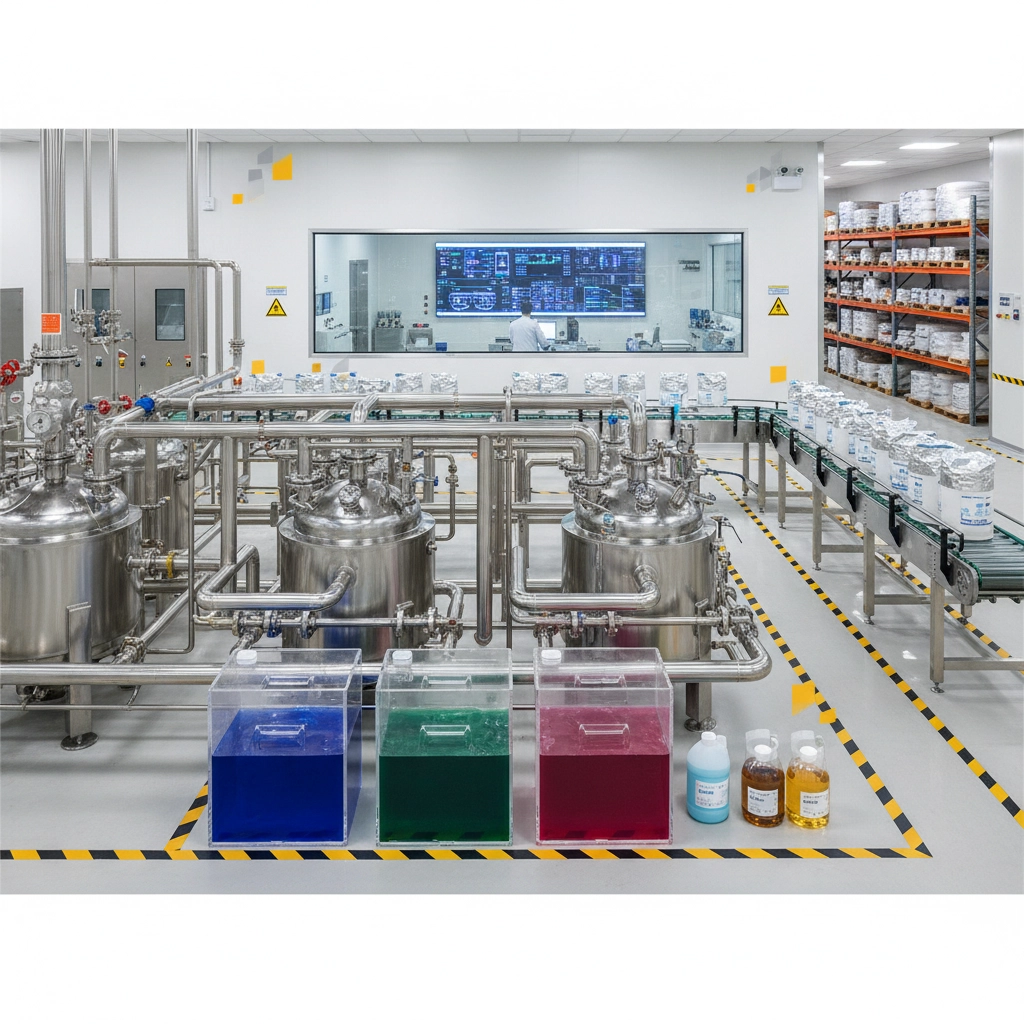
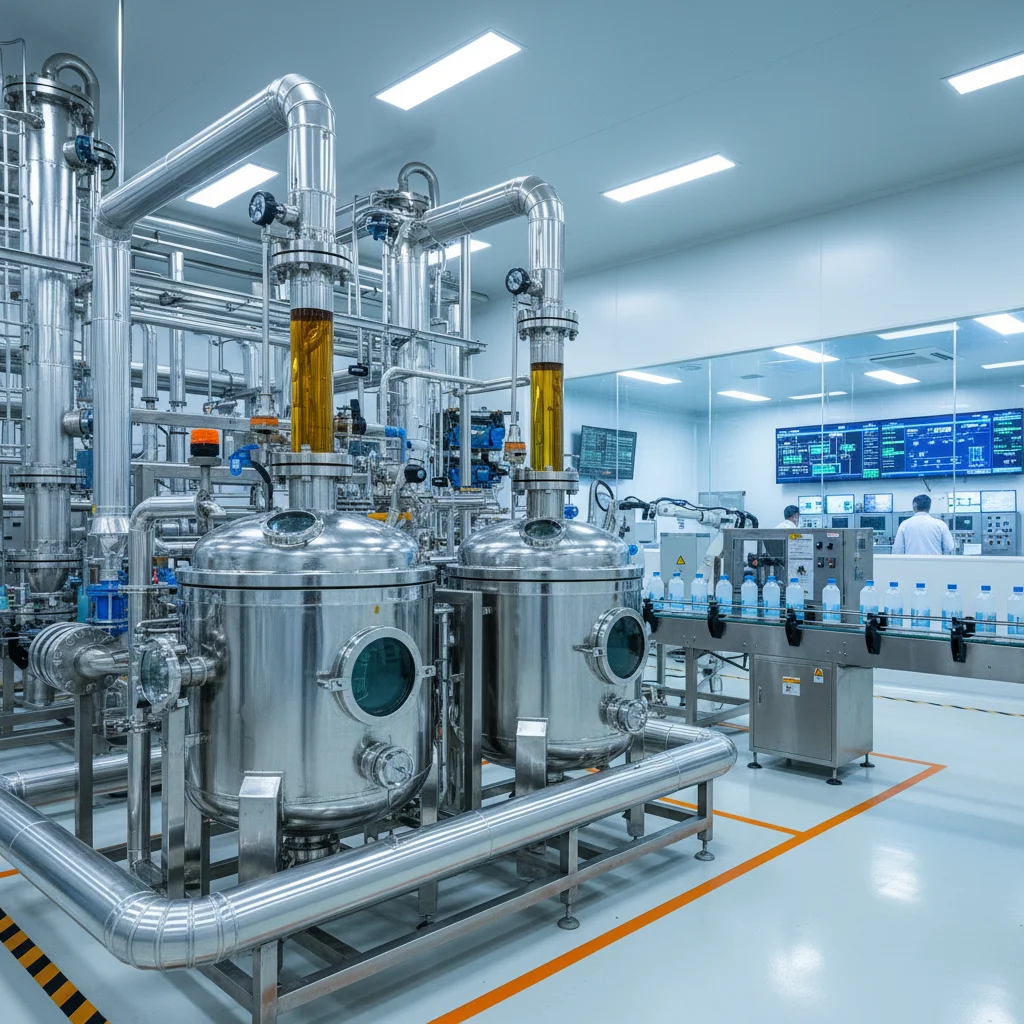
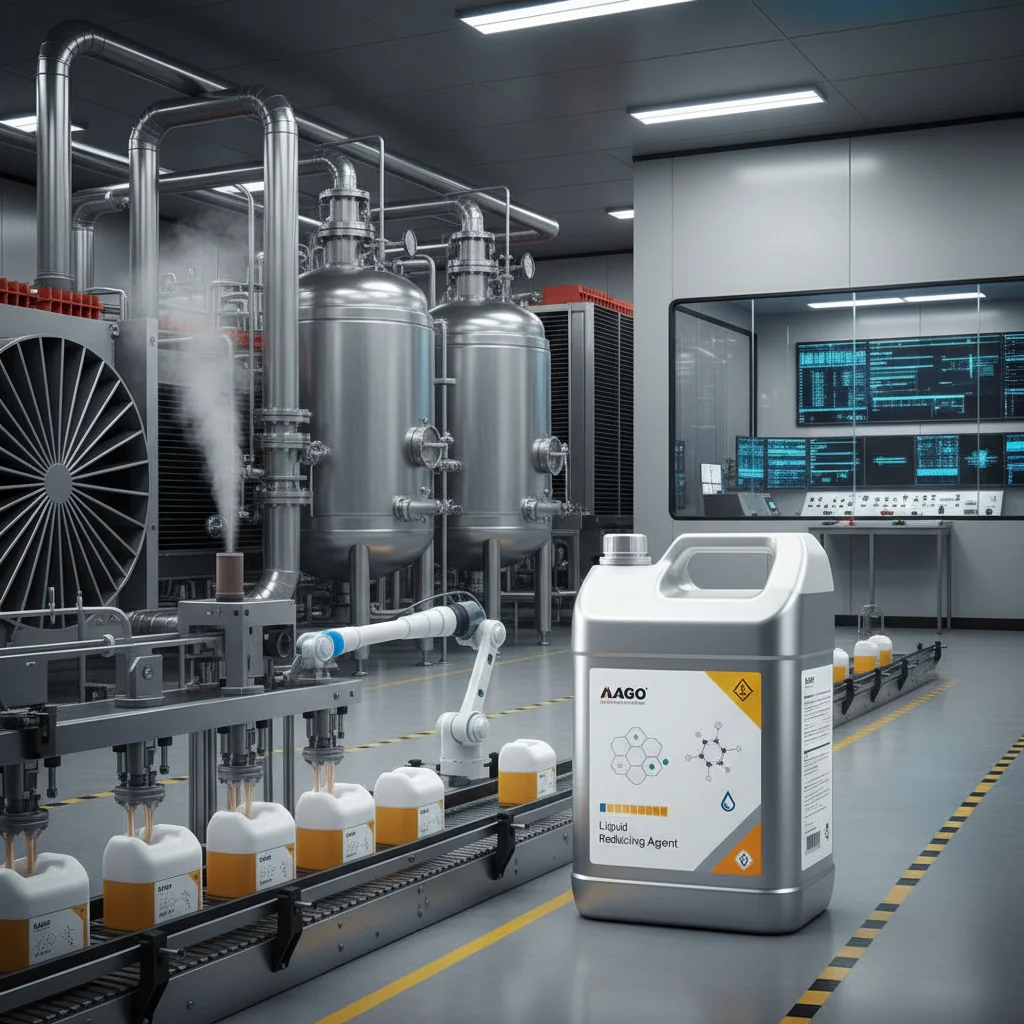
Protease enzymes are fascinating little biological tools that quite literally break down proteins. But when we ask “Is Protease Produced,” in an industrial sense, we’re really digging into how these enzymes are manufactured and formulated for use in sectors like textiles, leather processing, and detergent industries. Producing protease often involves microbial fermentation — think carefully cultivated bacteria or fungi that secrete these enzymes in large batches. It’s a process that requires precision, sometimes a bit of trial and error, but results in a product powerful enough to tackle protein stains or aid in fiber treatment.
Oddly enough, while the concept is simple, the technical side can become complex. Factors like optimal pH, temperature stability, and enzyme purity matter a lot depending on the application. Take Is Protease Produced by DyeingChem: their batches undergo rigorous testing to ensure activity levels remain high — this means more consistent cleaning or processing results for customers.
| Specification | Details |
|---|---|
| Source | Microbial fermentation (Bacillus subtilis strains) |
| Optimal pH | 7.0 - 10.0 (alkaline conditions) |
| Temperature Range | 40°C - 60°C |
| Enzyme Activity | 500,000 U/g |
| Form | Powder / Liquid formulations |
Benefits & Use Cases of Is Protease Produced
In real terms, protease enzymes like those offered at DyeingChem have become industry staples. They shine in cleaning up protein-based stains during textile processing — think blood or sweat marks in garments — while also helping soften fibers and improving dye uptake. This all adds up to cleaner clothes with richer colors, frankly a win-win for manufacturers and end consumers alike.
Their alkaline stability and thermal resistance put them miles ahead of older enzyme versions that quickly degrade under harsh industrial settings. This gives businesses confidence in batch consistency and operational uptime — because downtime hits are costly. Beyond textiles, proteases are used in leather depilation and the food industry, demonstrating a versatile range.
What I particularly appreciate is the competitive edge DyeingChem provides through tailored enzyme blends, adjusting activity profiles or forms based on client needs. This kind of customization isn't just marketing fluff; it can genuinely affect process efficiency.
Cost, Maintenance & User Experience
So, you might wonder – what’s the real cost behind “Is Protease Produced?” Honestly, when considering total cost of ownership, durability plays a crucial role. Many companies notice that investing in premium protease products saves money long-term thanks to reduced chemical consumption, less machine wear, and improved process speed.
Feedback from industrial users, especially in Asia’s booming textile hubs, often highlights how switching to DyeingChem’s protease has improved yields and cut waste. A couple of clients also mention the simplicity around storage and dosing thanks to stable formulations, which frankly makes life easier on the factory floor.
| Vendors | Activity (U/g) | Stability (pH Range) | Customization | Price Range |
|---|---|---|---|---|
| DyeingChem | 500,000 | 7.0 - 10.0 | High (tailored blends) | Mid-range |
| Competitor A | 400,000 | 6.5 - 9.0 | Limited | Lower |
| Competitor B | 550,000 | 7.0 - 9.5 | Moderate | High |
Sustainability & Market Trends
Sustainability has become a buzzword — and rightly so. Protease enzymes, being biodegradable and able to replace harsher chemicals, fit neatly into eco-conscious strategies many companies are adopting. Regulations, particularly in Europe and increasingly across Asia, are pushing for greener, less toxic processing aids.
Market trends clearly show growing demand for enzymatic products, with protease production ramping up to meet this. And you know, industries are slow but steady about shifting to sustainable methods — so it’s encouraging to see manufacturers like DyeingChem aligning product development with environmental goals. Beyond that, enzyme technology keeps evolving, focusing on higher efficiency at lower doses.
Frequently Asked Questions about Is Protease Produced
- What is Is Protease Produced and how does it work?
- Simply put, it’s the manufacturing process of protease enzymes, typically via microbial fermentation. These enzymes break down protein molecules by cleaving peptide bonds, making them invaluable in industries that need to remove protein stains or treat materials.
- What are the main benefits of using Is Protease Produced in industrial applications?
- Benefits include enhanced cleaning efficiency, reduced chemical usage, improved durability under harsh conditions, and adaptability to various industrial processes like textile dyeing and leather treatment.
- How does Is Protease Produced compare to traditional alternatives?
- Compared to conventional chemical agents, enzyme-based proteases offer greater specificity, biodegradability, and operational stability, which translate into better performance and fewer environmental concerns.
- What industries can benefit most from Is Protease Produced implementation?
- Textile manufacturers, leather processors, detergent producers, and even food processing sectors gain the most, leveraging protease products to enhance quality and process efficiency.
Conclusion on Is Protease Produced from China
In sum, Is Protease Produced by providers like DyeingChem offers an ultra-reliable, efficient, and eco-sensitive solution for a host of industrial needs. The blend of scientific precision and practical durability makes it a smart investment for businesses choosing modern, sustainable processing aids.
- Recap the value of Is Protease Produced.
- Visit our website: https://www.dyeingchem.com
Reflecting on protease's role, it’s clear this enzyme’s industrial production is not just a technical feat but a vital lever toward cleaner, greener manufacturing. As with many industrial enzymes, the key lies in balancing cost, performance, and sustainability — and with suppliers like DyeingChem, that balance feels closer than ever.