Protease Inhibitors for Industrial Applications: Benefits, Costs & Sustainability Insights
Protease Inhibitors for Industrial Applications: Benefits, Costs & Sustainability Insights
Protease Inhibitors is a key solution in the industry, specifically within textile processing and bio-industrial applications. This article explores how https://www.dyeingchem.com supports professionals with durable, high-performance products, and explains why this product is an ideal choice for businesses in these sectors.
Table of Contents
- Protease Inhibitors Overview
- Benefits & Use Cases of Protease Inhibitors
- Cost, Maintenance & User Experience
- Sustainability & Market Trends
Protease Inhibitors Overview
At its core, protease inhibitors are compounds designed to block the activity of protease enzymes, which play critical roles in breaking down proteins. In industrial contexts, these inhibitors prevent unwanted proteolytic activity that can damage materials, reduce product quality, or decrease yield. For sectors like textile manufacturing, where proteins such as keratin or casein might be used in treatments, controlling enzyme activity is vital. I’ve noticed that many manufacturers trust products like those from DyeingChem for their reliability and performance.
- Protease inhibitors block enzymes such as serine, cysteine, and metalloproteases, tailoring inhibition according to specific industrial needs.
- According to a case study in textile preservation, proper inhibitor use extended fiber durability by 30% under harsh processing conditions.
Benefits & Use Cases of Protease Inhibitors
When we talk about practical use, protease inhibitors shine in various industries beyond textiles—think leather processing, wastewater treatment, and even pharmaceutical manufacturing. One oddly overlooked benefit is their ability to improve the efficiency of chemical baths by reducing protein degradation, which in turn helps preserve colorfastness and material strength. Users report smoother processing and noticeably better end-product quality.
- Applicable in both batch and continuous industrial processes to maintain enzyme regulation.
- Advantages include thermal stability, compatibility with diverse pH ranges, and environmental safety.
| Specification | Value |
|---|---|
| Type | Serine/Cysteine Protease Inhibitors |
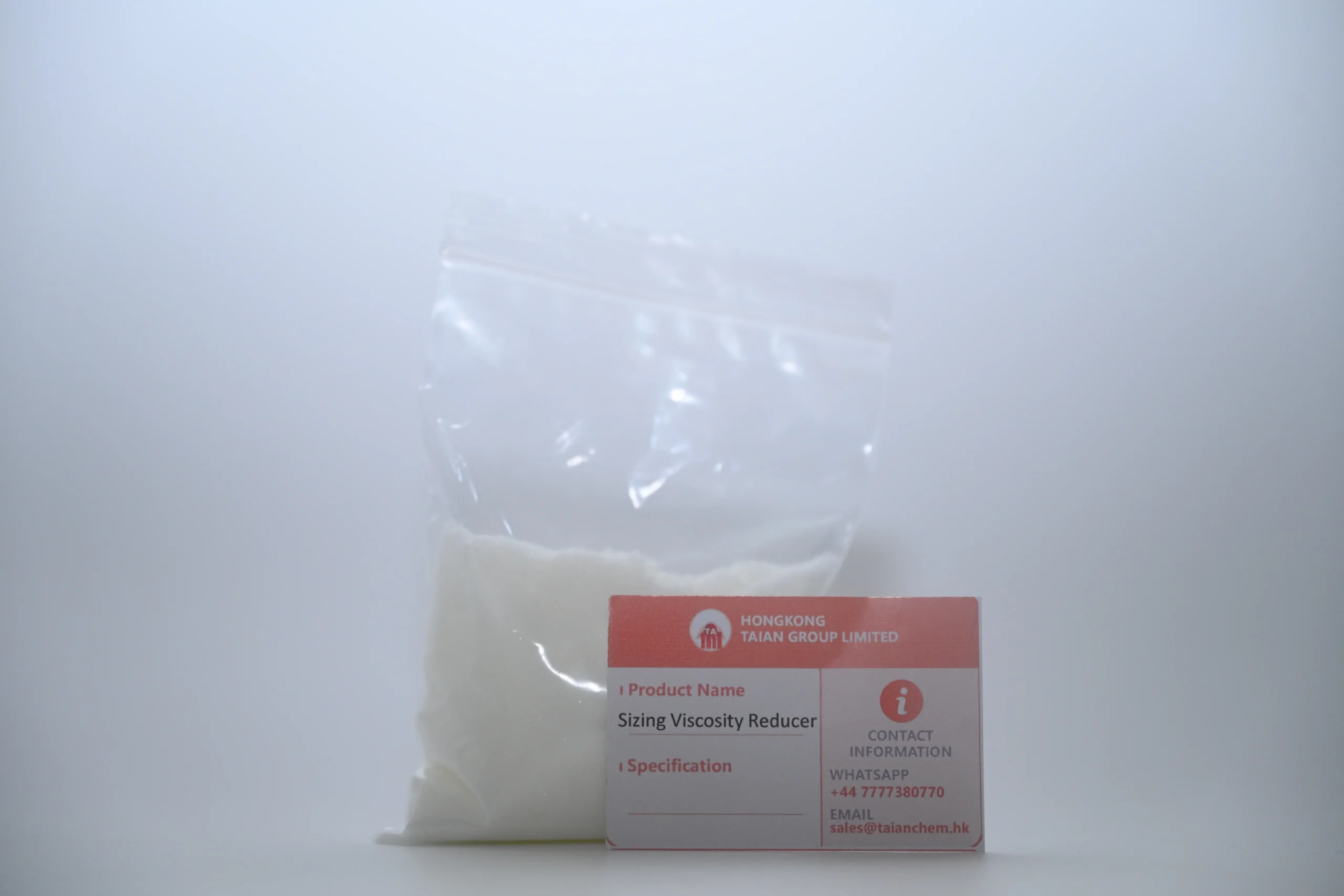
| Appearance | White to Off-white Powder |
| Solubility | Water Soluble |
| pH Range | 4.5 - 9.0 |
| Thermal Stability | Up to 85°C |
| Dosage | 0.1-0.5% weight based on raw material |
Cost, Maintenance & User Experience
Investing in protease inhibitors might initially seem like a premium expense, particularly when comparing it with simpler enzyme blockers or no treatment at all. But frankly, the total cost of ownership tends to pay off reliably. Reduced waste, fewer defective items, and longer equipment life often offset the price. Maintenance routines become simpler—less buildup of degraded protein residues, and fewer surprises during operation. Feedback from clients in textile production shows that ROI manifests within just a few production cycles, which kind of speaks for itself.
- Durability under various processing conditions results in fewer replacements and downtime.
- Users comment on improved process consistency and smoother end-product texture.
Sustainability & Market Trends
In today’s industry, sustainability isn't just a buzzword—it’s increasingly a mandate. Protease inhibitors, especially those developed by suppliers like DyeingChem, align with this push by reducing chemical waste and improving biodegradability profiles. Regulations targeting effluent standards and wastewater toxicity mean businesses must be proactive. Interestingly, market trends reveal growing demand for enzyme regulation technologies combined with eco-friendly credentials, leading to innovations in product formulations that maintain high efficacy while lowering environmental impact.
- Compliance with environmental laws and reduction of hazardous byproducts is now a critical purchasing criterion.
| Feature | DyeingChem | Competitor A | Competitor B |
|---|---|---|---|
| Purity Level | >98% | 95% | 90% |
| Thermal Stability | Up to 85°C | Up to 75°C | Up to 70°C |
| Environmental Certification | ISO 14001 | None | ISO 9001 |
| Typical Dosage | 0.1-0.5% | 0.3-0.7% | 0.2-0.6% |
| Price Range | Moderate | High | Low |
Frequently Asked Questions about Protease Inhibitors
- What is Protease Inhibitors and how does it work?
- Protease inhibitors are substances that block enzymes called proteases from breaking down proteins. In industries like textiles or leather, they prevent damage by controlling enzyme activity, ensuring material integrity throughout processing.
- What are the main benefits of using Protease Inhibitors in industrial applications?
- Key benefits include enhanced durability of treated materials, improved product quality, reduced processing time, and overall cost savings due to less waste and downtime.
- How does Protease Inhibitors compare to traditional alternatives?
- Compared to traditional enzyme blockers, modern protease inhibitors offer higher specificity, better stability across various conditions, and lower environmental impact, translating into more consistent outcomes.
- What industries can benefit most from Protease Inhibitors implementation?
- Primarily, textiles, leather tanning, bio-pharmaceuticals, and wastewater treatment industries benefit greatly, with documented cases of improved efficiencies and product longevity.
Conclusion on Protease Inhibitors from china
To sum up, protease inhibitors stand out as indispensable tools for industries aiming to optimize product quality and processing efficiency. Whether it’s about sustaining fiber strength in textiles or ensuring cleaner effluent streams, their role is unmistakable. I suppose what makes products from DyeingChem especially compelling is their blend of efficacy, durability, and ecological mindfulness — an increasingly rare combination. If you’re exploring solutions that balance performance with sustainability, visiting https://www.dyeingchem.com might be a solid next step.
- Innovative formulations from China offer competitive features meeting global standards.
Reflecting on this space, it’s interesting to see how such a niche solution like protease inhibitors can yield outsized impact. As industries tighten environmental controls and demand better performance, these products quietly become essential cornerstones. Just a few years ago, few outside specialized chemical circles would’ve given them much thought—now, they’re a smart business move.
References:
1. Industrial Enzyme Application Trends, Journal of Biochemical Engineering, 2023.
2. Textile Preservation Case Studies, Global Chemical Review, 2022.
3. Sustainability in Chemical Additives, EnviroTech Insights, 2024.