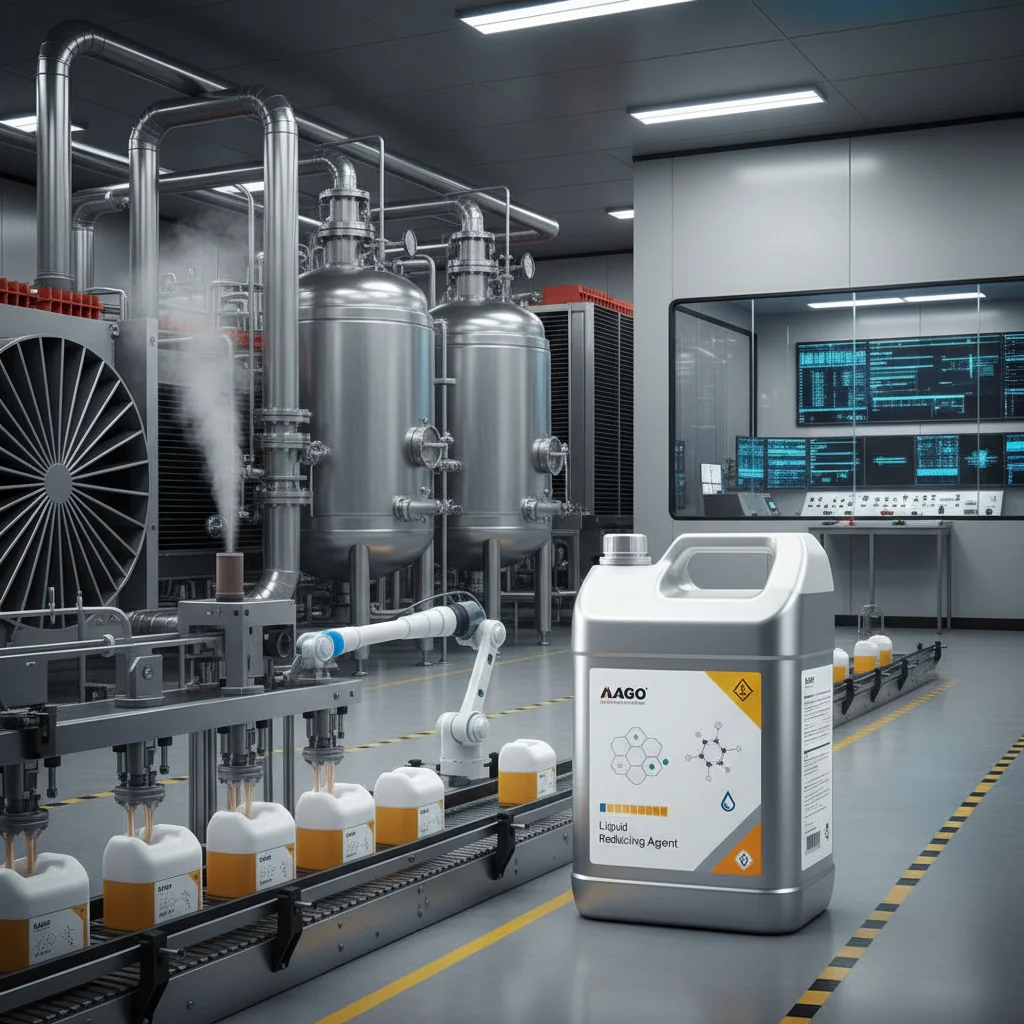
Understanding the Function of Protease in Industrial Applications
Understanding the Function of Protease in Industrial Applications
What is the function of protease in Industrial Applications?
Having spent quite a while navigating the twists and turns of the industrial equipment sector, I can tell you this: enzymes like protease are absolute game-changers. You may have heard about them in biotech or manufacturing circles, but frankly, their role goes beyond the lab benches—particularly in textile processing, detergent formulation, food production, and even waste management. The function of protease, in real terms, is to break down proteins into smaller peptides or amino acids – but it’s the “how” and the “why” that really piques my interest.
Protease enzymes are nature’s protein scissors, if you will. Oddly enough, these tiny biological molecules serve as catalysts speeding up protein breakdown without altering anything else in the system. In industrial setups, it means they can selectively digest protein contaminants or unwanted materials efficiently and sustainably. For example, in textile dyeing and finishing, proteases remove protein-based impurities from natural fibers, which improves dye uptake and fabric feel. A cleaner substrate equals better quality products, and anyone who’s been around the textile industry knows how critical that is.
Now, you might wonder why not just use harsh chemicals? Well, proteases offer an eco-friendlier alternative—biodegradable, specific, and often working at moderate temperatures, which saves on energy costs. I once visited a textile mill where switching to protease pre-treatment cut their waste chemical load nearly in half; the operators noticed fewer skin irritations and a more consistent final product. That kind of impact really sticks with you.
In detergent manufacturing, proteases are heavily relied upon to break down protein stains—think blood, sweat, or food residues on fabrics. Their catalytic power allows detergents to work effectively at lower washing temperatures, saving energy. Many engineers say this has been a quiet revolution in laundry tech over the past few decades.
Before I drift too far, it’s worth touching on the different types of proteases—serine, cysteine, aspartic, and metalloproteases—each with unique active sites and operating conditions. Choosing the right protease depends greatly on the application’s pH, temperature, substrate specificity, and more. For example, alkaline proteases thrive in laundry detergents, while acidic proteases are common in food tenderizing.
| Property | Value |
|---|---|
| Enzyme Activity | >100,000 U/g |
| Optimal pH | 8.5 – 11.0 |
| Optimal Temperature | 50 – 60 °C |
| Protein Source | Bacillus subtilis fermentation |
| Appearance | Light brown powder |
| Shelf Life | 12 months (cool, dry storage) |
To give a clearer idea on market offerings, here is a quick vendor comparison. Choosing the right supplier feels like a crucial step — many factors like product reliability, customization options, and after-sales support come into play.
| Supplier | Activity Level (U/g) | Customization | Typical Lead Time | Support & Training |
|---|---|---|---|---|
| DyeingChem | >100,000 | Batch & formulation customization | 2 weeks | Comprehensive technical support |
| EnzymeTech Inc. | 90,000+ | Limited customization | 3 weeks | Standard documentation only |
| BioCatalysts Ltd. | 110,000+ | Formulation flexibility | 4 weeks | On-site training available |
Reflecting on it, working with protease enzymes has been a bit like learning a new language — you start with the basics but soon realize the nuance and precision required to get the best results. In industrial sectors where efficiency and sustainability are increasingly intertwined, proteases feel like they offer “smart” solutions: targeted, effective, and gentler on the environment.
Whatever your application—whether it’s boosting fabric quality or improving detergent formulations—the function of protease as a protein-degrading catalyst remains a reliable workhorse. I suppose if I had to sum it up simply: protease cuts through the complexity of proteins so industry processes can run smoother, cleaner, and greener.
Before wrapping up, if you want to explore reliable enzyme options, I recommend checking out DyeingChem. Their technical support and product consistency can make a noticeable difference on the factory floor—or wherever you use enzymes.
1. “Industrial Applications of Proteases,” Journal of Biochemical Engineering, 2020
2. “Sustainable Textile Processing,” Green Chemistry Reports, 2021
3. DyeingChem official product datasheet and technical archives