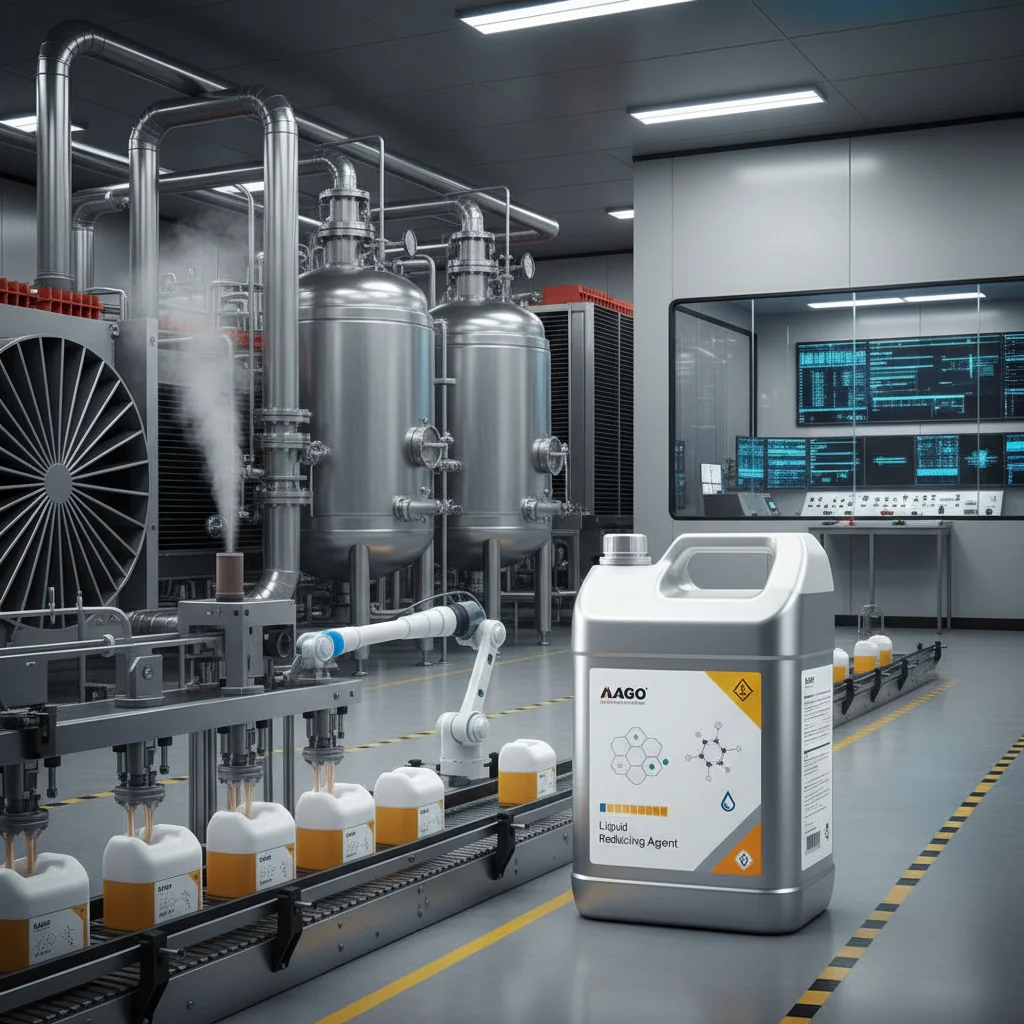
A Comprehensive Guide to Finding Oxidation and Reduction Agents for Various Applications
A Comprehensive Guide to Finding Oxidation and Reduction Agents for Various Applications
Finding Oxidation and Reduction Agents: A Comprehensive Guide
Understanding oxidation and reduction agents is crucial in various fields, including chemistry, manufacturing, and environmental science. These agents play a fundamental role in numerous chemical reactions and processes. This article provides an in-depth exploration of oxidation and reduction agents, their properties, applications, and how to identify them. Whether you're a student, researcher, or industry professional, this guide will offer valuable insights into this vital aspect of chemistry. We'll discuss how to effectively utilize these agents in your work and where to source high-quality materials, such as those available at DyeingChem.
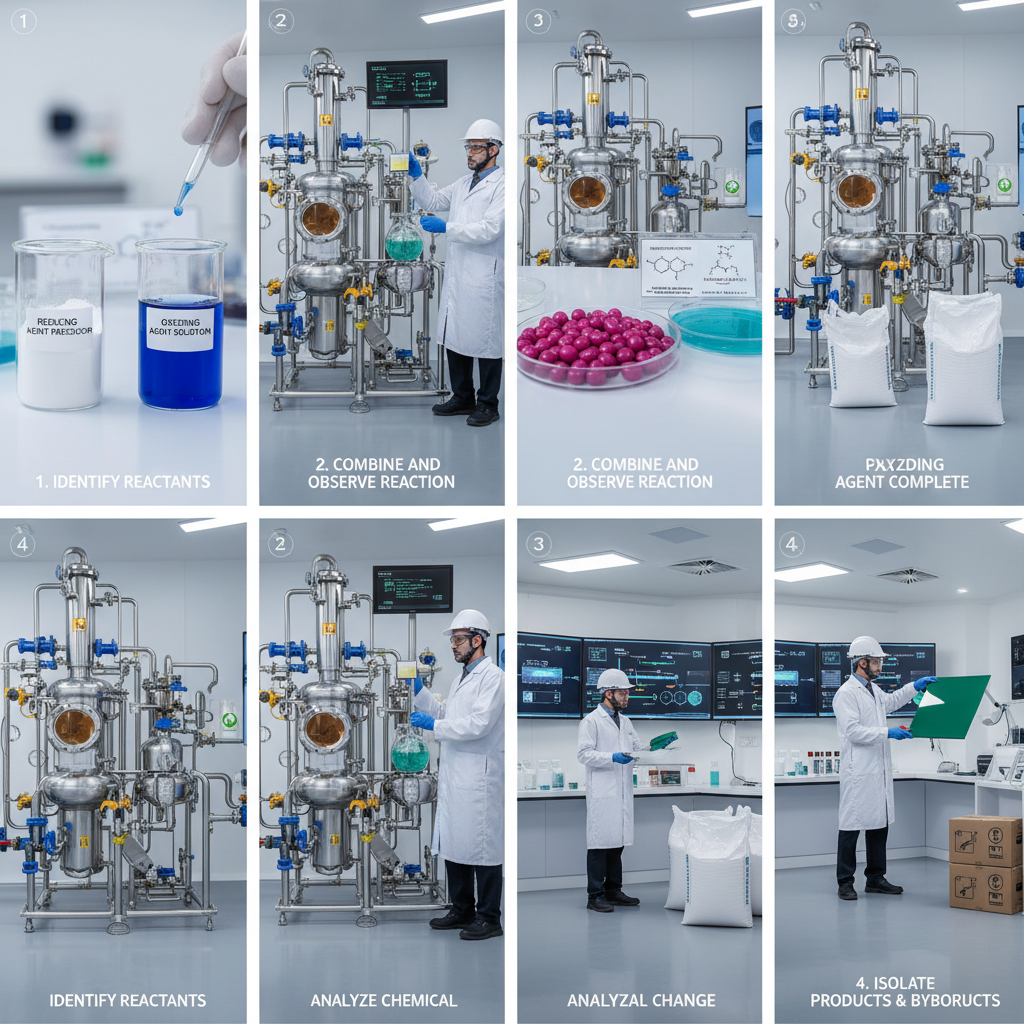
What are Oxidation and Reduction Agents?
At its core, oxidation involves the loss of electrons, while reduction involves the gain of electrons. An oxidation agent (or oxidizer) accepts electrons from another substance, causing its oxidation. Conversely, a reduction agent (or reducer) donates electrons to another substance, causing its reduction. These processes always occur simultaneously, forming what are known as redox reactions. Identifying these agents is essential for controlling and understanding these reactions. The strength of an oxidizing or reducing agent is determined by its reduction potential or oxidation potential, respectively. A higher reduction potential indicates a stronger oxidizing agent, and a lower potential indicates a stronger reducing agent. DyeingChem offers a wide variety of high-purity redox agents for diverse applications.
Key Takeaway: Oxidation and reduction always happen together. One substance loses electrons (oxidation) while another gains them (reduction).
Common Oxidation Agents and Their Applications
Numerous substances act as oxidation agents. Some of the most common include: oxygen (O2), chlorine (Cl2), potassium permanganate (KMnO4), and hydrogen peroxide (H2O2). Oxygen is vital for combustion and respiration. Chlorine is frequently used for disinfection and bleaching. Potassium permanganate is a powerful oxidizer used in water treatment and organic synthesis. Hydrogen peroxide serves as a disinfectant, bleaching agent, and propellant. These agents find applications in diverse industries, from pharmaceuticals and food processing to environmental remediation and manufacturing. Selecting the appropriate oxidizing agent depends on the specific reaction and desired outcome.
Examples of Oxidation Agent Applications:
• Bleaching fabrics (using chlorine or hydrogen peroxide).
• Water purification (using potassium permanganate).
• Combustion processes (using oxygen).
• Metal refining (using various oxidizing agents).
Identifying Reduction Agents: A Closer Look
Reduction agents, conversely, donate electrons. Common examples include metals like sodium (Na), magnesium (Mg), and zinc (Zn), as well as compounds like sodium borohydride (NaBH4) and lithium aluminum hydride (LiAlH4). Metals readily lose electrons, making them effective reducing agents. Sodium borohydride and lithium aluminum hydride are potent reducing agents used in organic chemistry for specific reductions. These agents are critical in various processes, including metal extraction, organic synthesis, and battery technology. The choice of reducing agent depends on the strength of reduction needed and the specific chemistry of the reaction.
Oxidation vs. Reduction Agents: A Comparative Table
To better understand the distinctions, consider the following comparison:
Sourcing High-Quality Agents with DyeingChem
When working with oxidation and reduction agents, purity and reliability are paramount. DyeingChem provides a comprehensive range of high-quality chemicals, including various oxidation and reduction agents, ensuring consistent and dependable results. We prioritize quality control and offer detailed specifications for each product. Whether you need small quantities for research or bulk orders for industrial applications, DyeingChem is a trusted partner. We are committed to providing reliable chemicals and excellent customer service.

Conclusion
Understanding oxidation and reduction agents is fundamental to many scientific and industrial processes. By carefully selecting and utilizing these agents, you can optimize reactions, achieve desired outcomes, and ensure safety. DyeingChem provides a reliable source for high-quality chemicals and expert support to meet your specific needs.
Frequently Asked Questions (FAQs)
What factors influence the strength of an oxidizing or reducing agent?
The strength of an oxidizing agent is determined by its reduction potential, while the strength of a reducing agent is determined by its oxidation potential. These potentials reflect the agent's tendency to gain or lose electrons, respectively. Other factors, such as pH, temperature, and the presence of catalysts, can also influence the reaction rate and effectiveness of the agent. Furthermore, the specific conditions of the reaction play a significant role in determining the agent's behavior.
How can I safely handle oxidation and reduction agents?
Many oxidation and reduction agents are corrosive or reactive. Always wear appropriate personal protective equipment (PPE), including gloves, eye protection, and a lab coat. Work in a well-ventilated area to avoid inhaling fumes. Avoid contact with skin and eyes. Store chemicals according to safety guidelines, separating incompatible substances. Always consult the Safety Data Sheet (SDS) for specific handling instructions and emergency procedures. Proper training and adherence to safety protocols are crucial for preventing accidents.
What are some real-world applications of redox reactions?
Redox reactions are fundamental to numerous real-world applications. They power batteries, drive corrosion processes, and enable photosynthesis in plants. In industry, redox reactions are used in metal refining, chemical synthesis, and wastewater treatment. They also play a crucial role in biological processes, such as respiration and digestion. The versatility of redox reactions makes them essential for a wide range of technologies and applications.
Where can I find a reliable supplier of high-purity redox agents?
DyeingChem is a trusted supplier of high-purity oxidation and reduction agents. We offer a wide selection of chemicals, stringent quality control, and reliable delivery. Our products are suitable for a variety of applications, from research and development to industrial production. We also provide comprehensive technical support and documentation to assist our customers.