Black Color Dye Safety Guide
Black Color Dye Safety Guide
The allure of black in the textile world is undeniable. As a color that signifies sophistication, power, and versatility, it remains a perennial favorite among designers, manufacturers, and consumers alike. However, achieving that perfect, consistent, and deep black shade on fabric involves a complex interplay of chemistry that demands rigorous safety protocols. The journey of any black color dye from production to application on fabric is fraught with potential hazards that must be carefully managed to protect workers, consumers, and the environment. Whether dealing with traditional black synthetic dye formulations or preparing a black cloth dye for commercial use, understanding the safety parameters is not just a regulatory requirement—it's a moral and commercial imperative. The challenges are particularly pronounced with certain classes of dyes used to achieve black shades, each carrying its own unique safety considerations.
From allergic reactions and chemical burns to environmental pollution and long-term health impacts, the risks associated with improper handling of black dyes are significant and multifaceted. This comprehensive safety guide aims to navigate these complexities, offering practical insights for safely managing the entire lifecycle of black dyes in textile applications. Our team, comprising seasoned manufacturing experts and international business professionals with 15-20 years of industry experience, has developed this guide based on our profound understanding of every production detail and the sharp market insights we've gained over decades. Through continuous innovation and a commitment to safety excellence, we've established protocols that ensure our black dye products meet the highest safety standards while delivering exceptional coloration performance.
Understanding Black Color Dye Composition and Potential Hazards
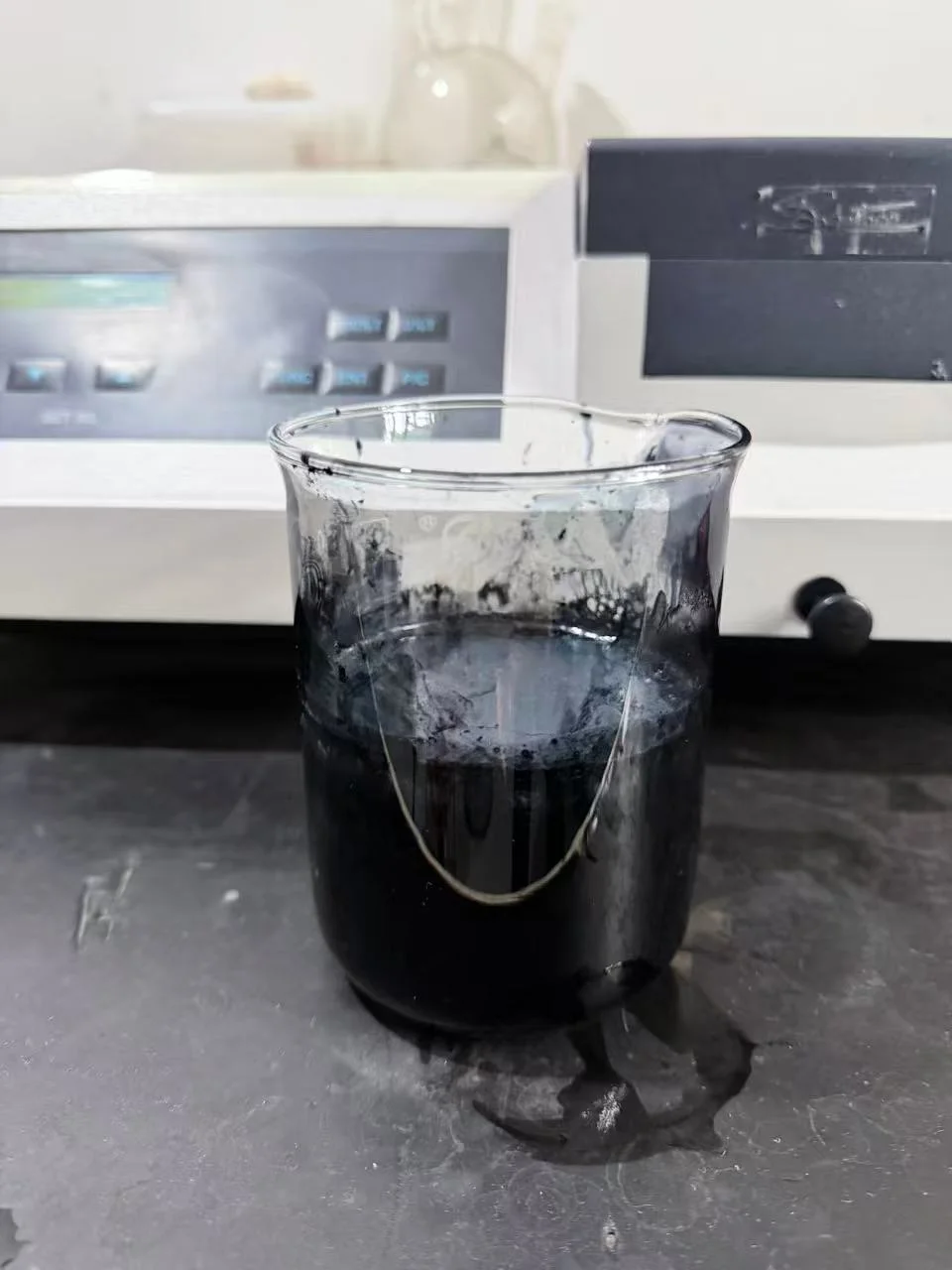
The term black color dye encompasses a wide range of chemical formulations, each with distinct properties and associated safety considerations. The most common categories include azo dyes, sulfur blacks, and anthraquinone-based blacks, each presenting unique challenges in terms of handling, application, and disposal. Sulfur blacks, while economical and providing excellent wash-fastness, can release hydrogen sulfide gas during the reduction process—a toxic compound with significant health risks even at low concentrations. When examining any black cloth dye, it's crucial to understand that the deepest blacks often result from complex chemical mixtures rather than single compounds, which further complicates the safety profile. The potential hazards extend beyond the dye molecules themselves to include various auxiliaries, reducing agents, oxidants, and heavy metals that may be present in the formulation or required during application.
Our manufacturing excellence, developed over 25 years of professional dedication, has enabled us to master these complexities through rich experience in witnessing and driving industry development. This deep understanding of every detail of product processes allows us to create safer black color dye alternatives without compromising performance. Our ZDHC LEVEL 3 certification and outstanding record of zero major quality incidents over 25 years stand as testament to our commitment to producing black dyes that meet the most rigorous safety standards while maintaining the vibrant, lasting coloration that the textile industry demands.
Safety Protocols for Handling Black Synthetic Dye in Industrial Settings
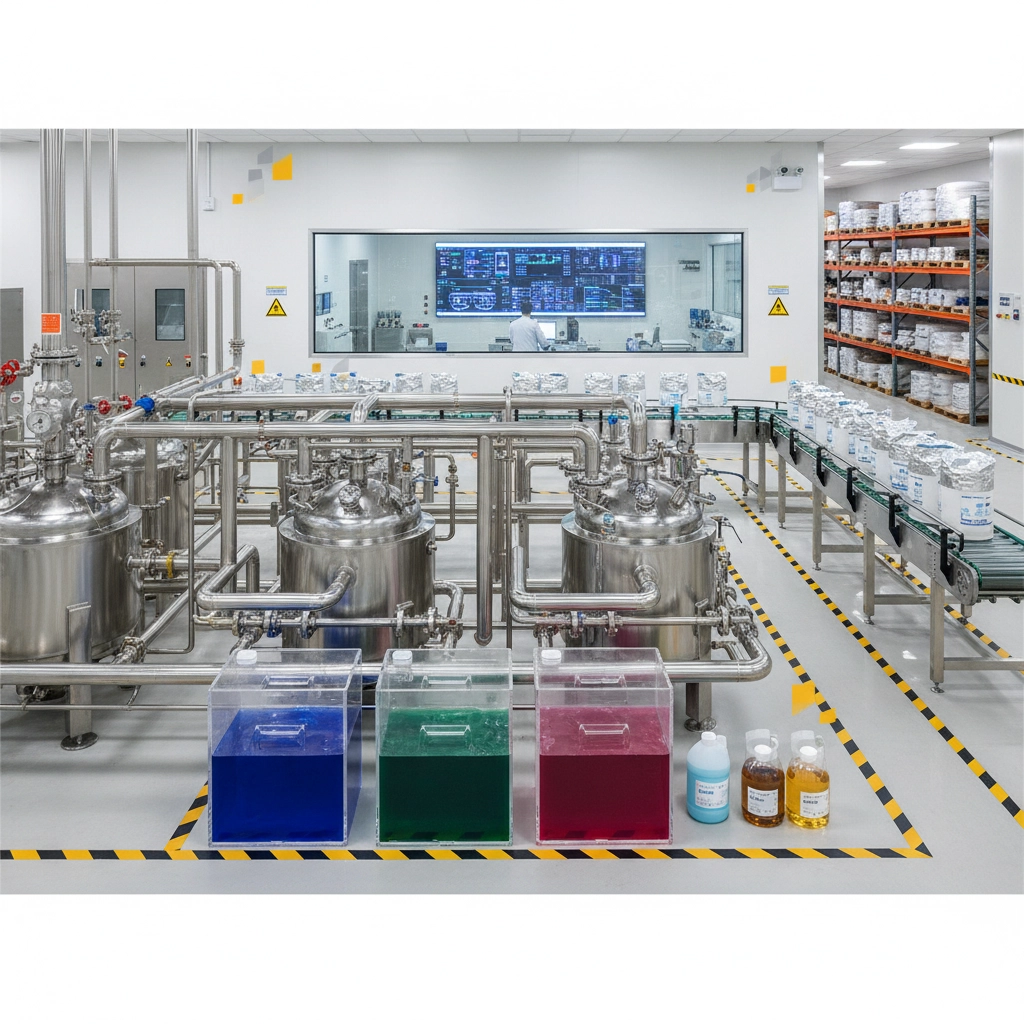
Industrial settings where black synthetic dye is handled present unique safety challenges that demand comprehensive protocols to protect workers and facilities. Engineering controls represent the next critical layer of protection, with well-designed ventilation systems being paramount for preventing the inhalation of dye particles and chemical vapors. Local exhaust ventilation should be installed at points where black cloth dye powders are mixed or where dye baths generate mists or vapors. All containers holding black synthetic dye must be clearly marked with content information, hazard warnings, and appropriate safety pictograms. Storage areas should be cool, dry, well-ventilated, and separated from incompatible materials, particularly strong oxidizing agents that might react violently with organic dye compounds.
Our Production Management Team, with their relentless pursuit of excellence, has implemented these protocols throughout our manufacturing processes, ensuring stable quality and safe working conditions. Emergency equipment, including eyewash stations, safety showers, spill containment materials, and appropriate fire extinguishers, must be readily accessible in all areas where black color dye is handled. Regular safety training, including instruction on proper handling techniques, emergency procedures, and first-aid measures, ensures that personnel understand both the routine and exceptional safety measures required when working with these chemical formulations.
Regulatory Compliance and Certification for Black Color Dye Products
Navigating the complex landscape of regulations and certifications is essential for any company involved in the production or application of black color dye products. The regulatory framework governing textile dyes has expanded significantly in recent decades, with standards now addressing not only product safety but also environmental impact, supply chain transparency, and social responsibility. For manufacturers of black synthetic dye, compliance begins with rigorous testing of raw materials and finished products to ensure they meet these evolving standards. Our Quality Control Team, operating with strict supervision and a zero-tolerance attitude, ensures that every batch of our black cloth dye products undergoes thorough testing to verify compliance with all applicable regulations and customer-specific requirements.
Maintaining these certifications requires ongoing monitoring of regulatory changes, investment in testing equipment and expertise, and transparent communication throughout the supply chain. Our 25 years of experience in successfully serving hundreds of renowned domestic and international enterprises has provided us with the expertise to navigate this complex regulatory landscape, ensuring our customers receive black color dye products that not only meet but exceed current safety and environmental standards.
FAQs about Your Black Color Dye Safety
What are the most significant health risks associated with black synthetic dye?
The health risks vary depending on the specific type of black synthetic dye but generally include potential skin and respiratory irritation from direct contact or inhalation of dye particles. Sulfur blacks can generate hydrogen sulfide gas during application, which is toxic at certain concentrations. Some black dyes may also contain heavy metals like copper or chromium, which present additional toxicity concerns. Proper handling, use of personal protective equipment, and selecting dyes from reputable manufacturers who comply with international safety standards significantly mitigate these risks.
How can I determine if a black cloth dye is safe for use on clothing?
Verifying the safety of a black cloth dye for clothing applications involves several steps. Request Safety Data Sheets from suppliers, which detail hazardous components and safe handling procedures. Reputable manufacturers, particularly those with ZDHC LEVEL 3 certification like our organization, provide transparent information about their dye compositions and compliance with global restricted substances lists, offering assurance of product safety for textile applications.
Are natural black color dye options safer than synthetic alternatives?
While natural dyes are often perceived as safer, this isn't necessarily true across all applications. Natural black color dye options derived from plants like logwood or minerals like iron salts still require mordants (fixing agents), often metal-based, to achieve color fastness. Synthetic dyes, when produced and applied according to strict safety and environmental protocols, can offer more consistent, predictable safety profiles with better color fastness and lower environmental impact through reduced water and energy usage. The key factor isn't whether a dye is natural or synthetic, but whether it has been properly tested and certified for safety according to recognized international standards.
What certifications should I look for when sourcing safe black synthetic dye?
When sourcing black synthetic dye, prioritize suppliers with ZDHC (Zero Discharge of Hazardous Chemicals) certification.Bluesign approval signifies that the dye has been assessed for safety and environmental impact throughout its lifecycle. REACH compliance is essential for markets in the European Union.
How does your company ensure the safety of your black color dye products?
Our company ensures the safety of our black color dye products through a multi-layered approach that begins with our R&D Team's continuous innovation focused on developing safer chemical formulations. Our Production Management Team pursues manufacturing excellence through standardized processes verified through tens of thousands of production cycles.
Navigating the safety landscape of black dyes requires a comprehensive understanding of chemical hazards, implementation of rigorous handling protocols, commitment to environmental responsibility, and strict adherence to regulatory requirements. The journey toward safer black color dye applications is continuous, demanding ongoing vigilance, innovation, and education across the textile industry. By prioritizing safety at every stage—from formulation and manufacturing to application and disposal—the industry can continue to deliver the deep, rich black shades that consumers desire while protecting human health and environmental integrity. Our organization's 25-year dedication to textile dyeing auxiliaries has positioned us to lead this charge, combining profound manufacturing experience with a spirit of continuous innovation to set new standards for safety and performance in black dye technology.