Black Dye Solutions for Textile and Leather
Black Dye Solutions for Textile and Leather
Need deep, lasting black color? The process and the right products are key. Today, we cover the essentials: the popular black dye for textiles, the specialized world of leather dyeing, the large-scale application of industrial dye, and the crucial role of dyeing auxiliary chemicals. Whether you're dyeing cotton fabric, a leather jacket, or running a factory batch, this guide will help.
The Classic Color: Choosing the Right Black Dye
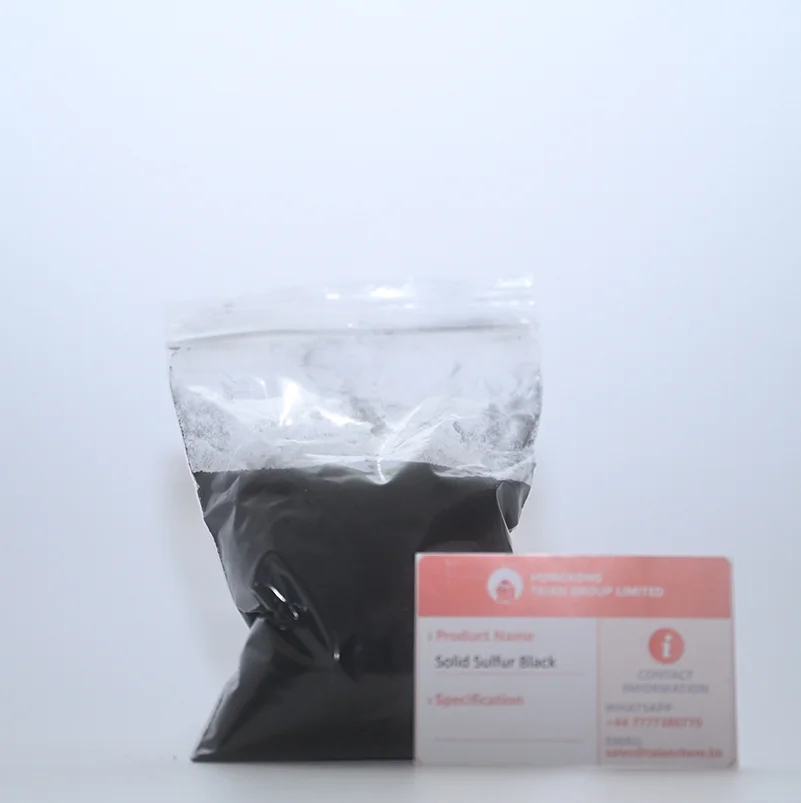
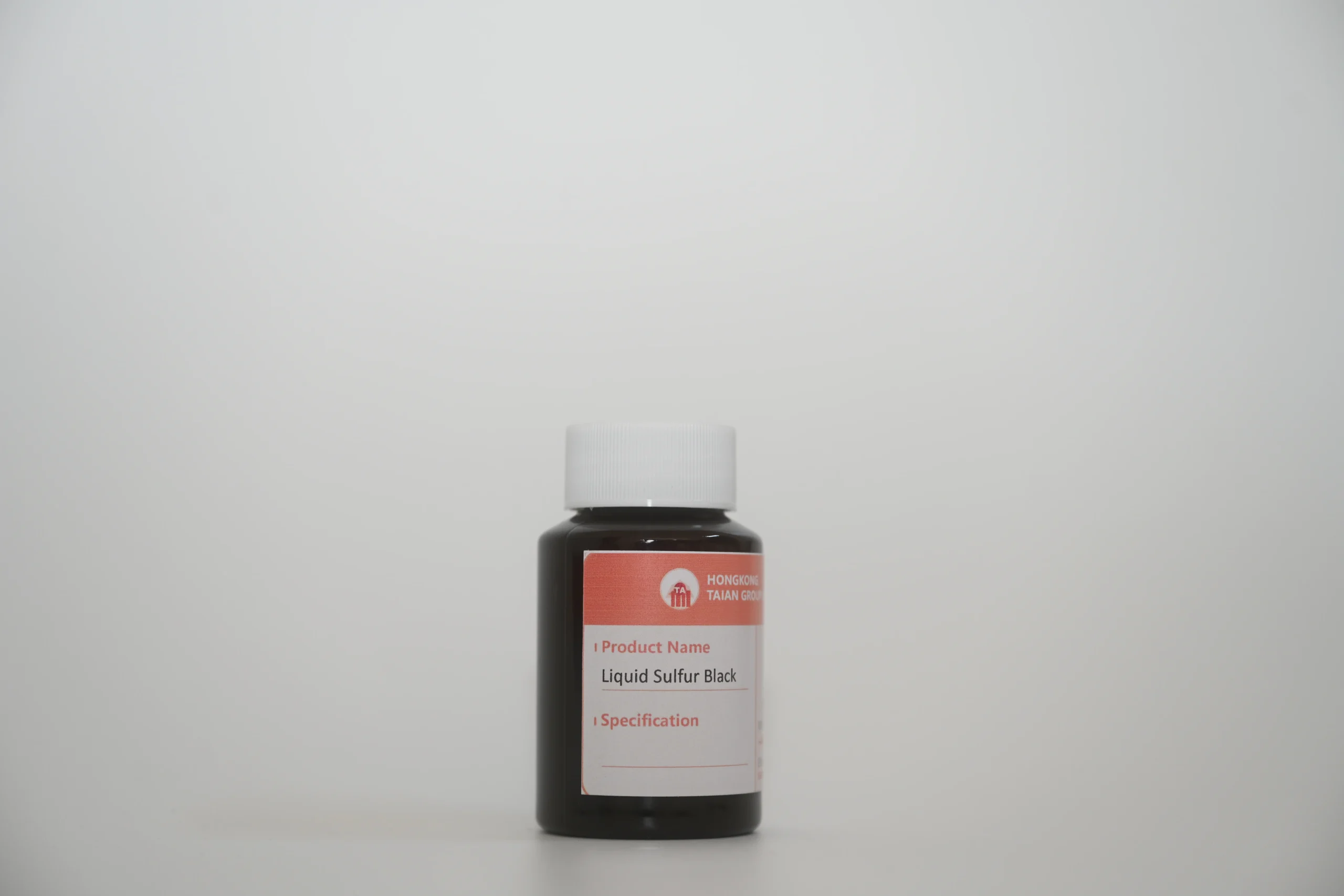
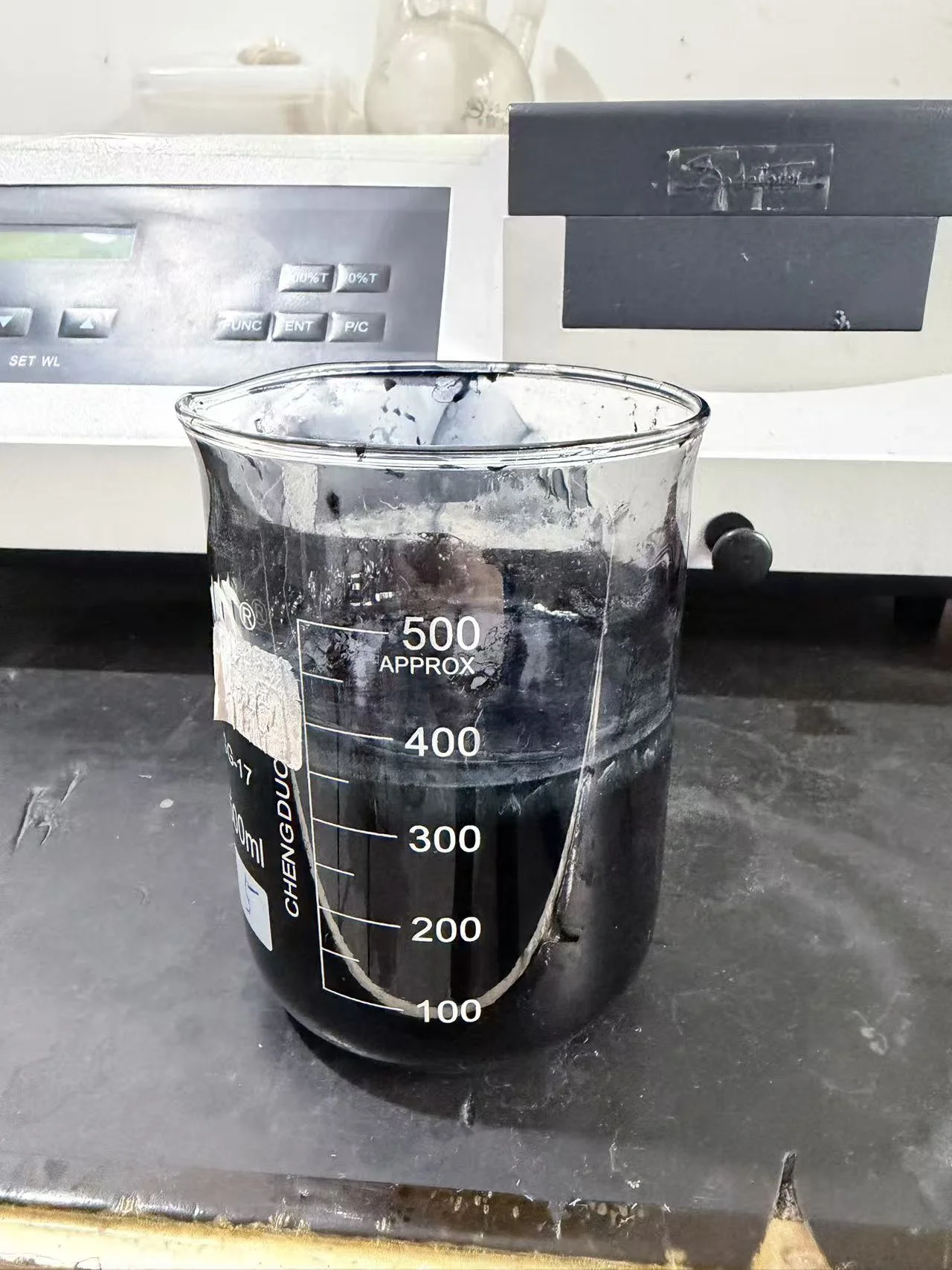
Achieving a perfect black is fundamental in textiles. A black dye isn't just one product; it's a category defined by the end use. For cellulosic fibers like cotton, the most economical and durable choice is often a sulfur black dye. This type of black dye is famous for producing deep, rich shades with excellent wash fastness at a low cost. It's the workhorse for denim, workwear, and uniforms. For protein fibers like wool or silk, acid black dyes are typically used, offering good affinity and a wide range of black tones. For synthetic fibers like polyester, disperse black dyes are necessary. The choice of black dye depends entirely on the fiber type, the desired fastness properties, and the production cost. Selecting the correct black dye is the first and most critical step in ensuring the final product meets quality and performance expectations.
A Specialized Craft: The Process of Leather Dyeing
Leather dyeing is a distinct and skilled process. Unlike textiles, leather is a protein-based, non-woven material with a unique grain and porosity. The leather dyeing process aims to color the leather uniformly while preserving its natural look and feel. Dyes for leather dyeing are typically soluble and penetrate the leather surface. The most common types are acid dyes and direct dyes, which bond well with the collagen fibers in leather. The leather dyeing process usually involves preparing the hide (washing, degreasing), applying the dye in a drum or by hand, fixing the color, and then applying fat liquors and finishes. Achieving a deep, even black in leather dyeing can be challenging and often requires multiple applications or the use of specialized pre-treatments. The result, when done correctly, is a luxurious, color-fast leather product. Understanding the nuances of leather dyeing is essential for anyone working with this premium material.
Factory-Scale Color: The World of Industrial Dye
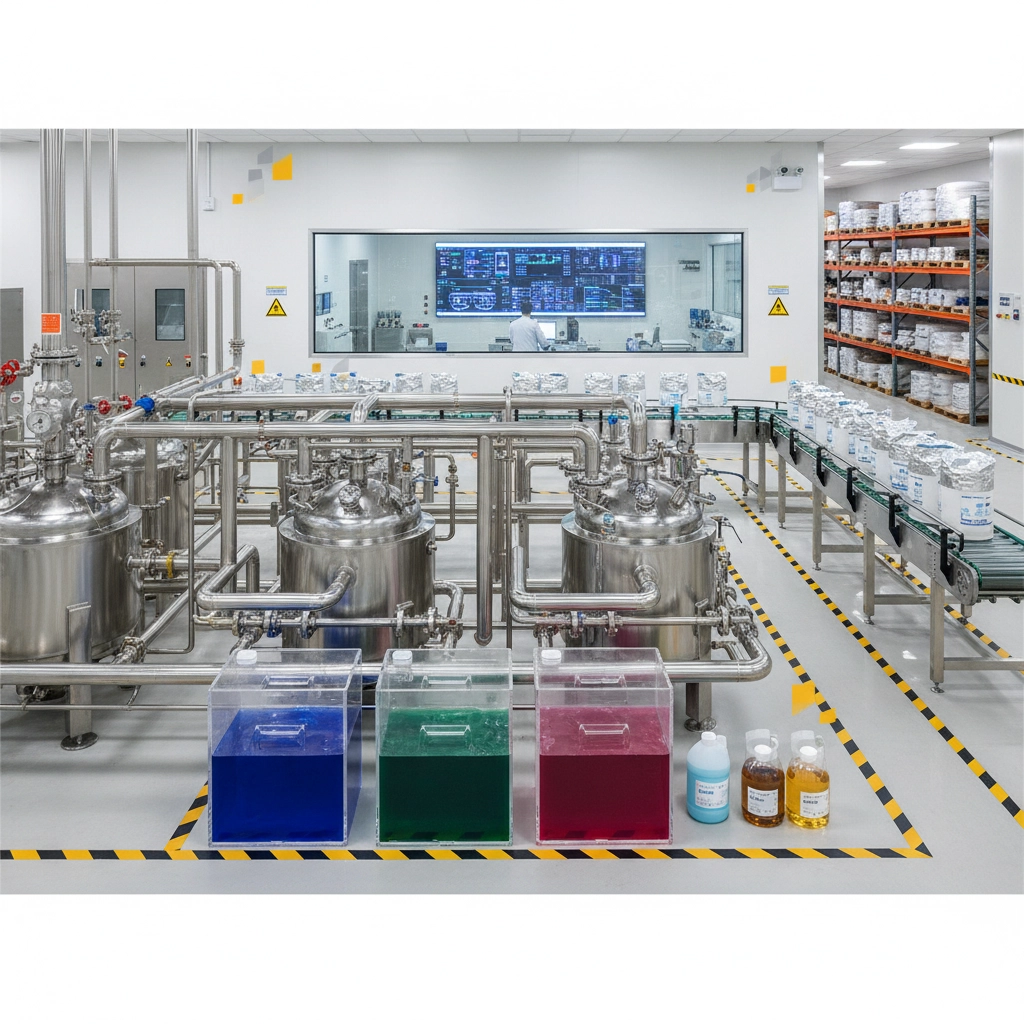
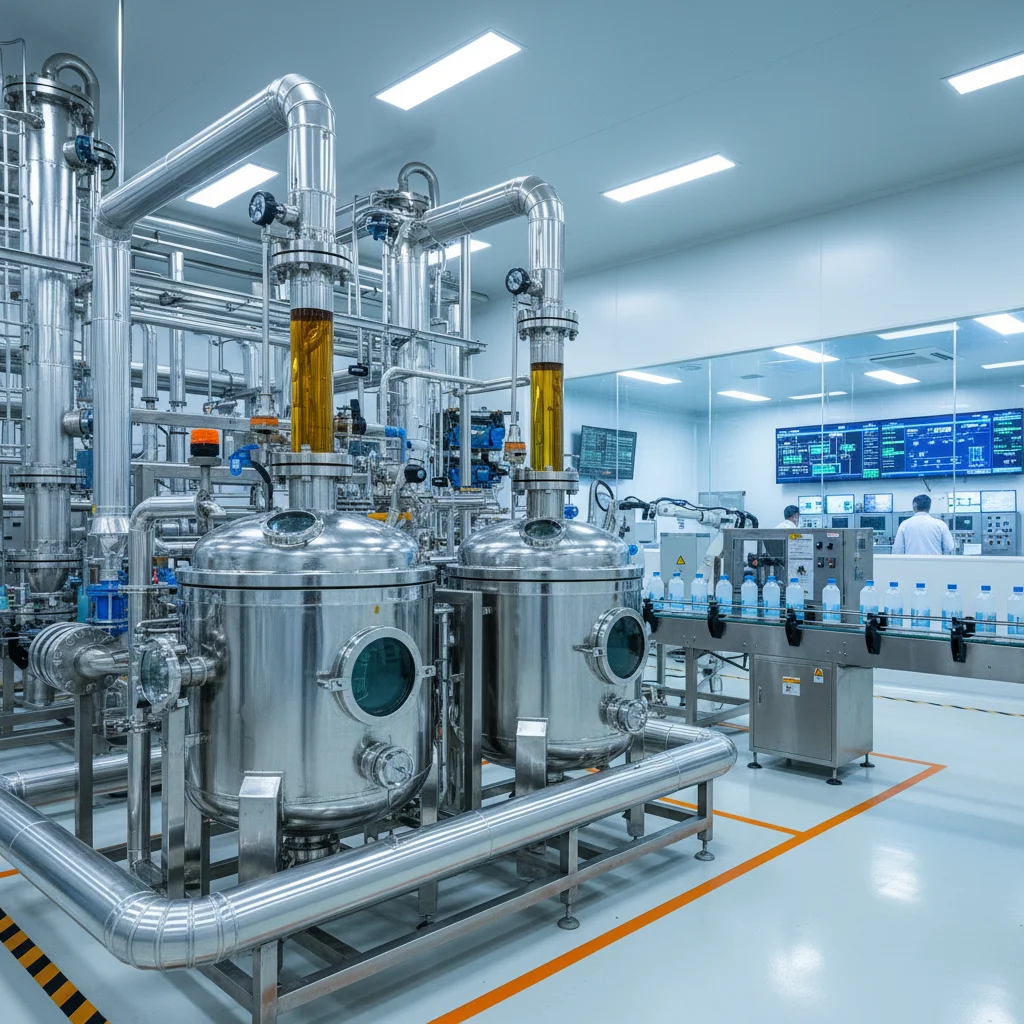
When color production moves from small batches to massive rolls of fabric, it enters the realm of industrial dye. This refers to the large-scale application of dyes in manufacturing facilities. The term industrial dye encompasses the dyes themselves (like sulfur black for cotton) and the high-volume, automated processes used to apply them. Industrial dye processes must prioritize consistency, efficiency, and cost control. A textile mill using an industrial dye like sulfur black will have automated dosing systems, large dyeing machines (like jet or overflow dyeing machines), and controlled chemical baths to ensure every meter of fabric from a 1000-kg batch is the exact same shade. The science of industrial dye is about reproducibility and meeting tight specifications for color matching, fastness, and physical properties on a commercial scale. It's the backbone of the apparel and home furnishings industries.
The Unsung Heroes: The Role of Dyeing Auxiliary Chemicals
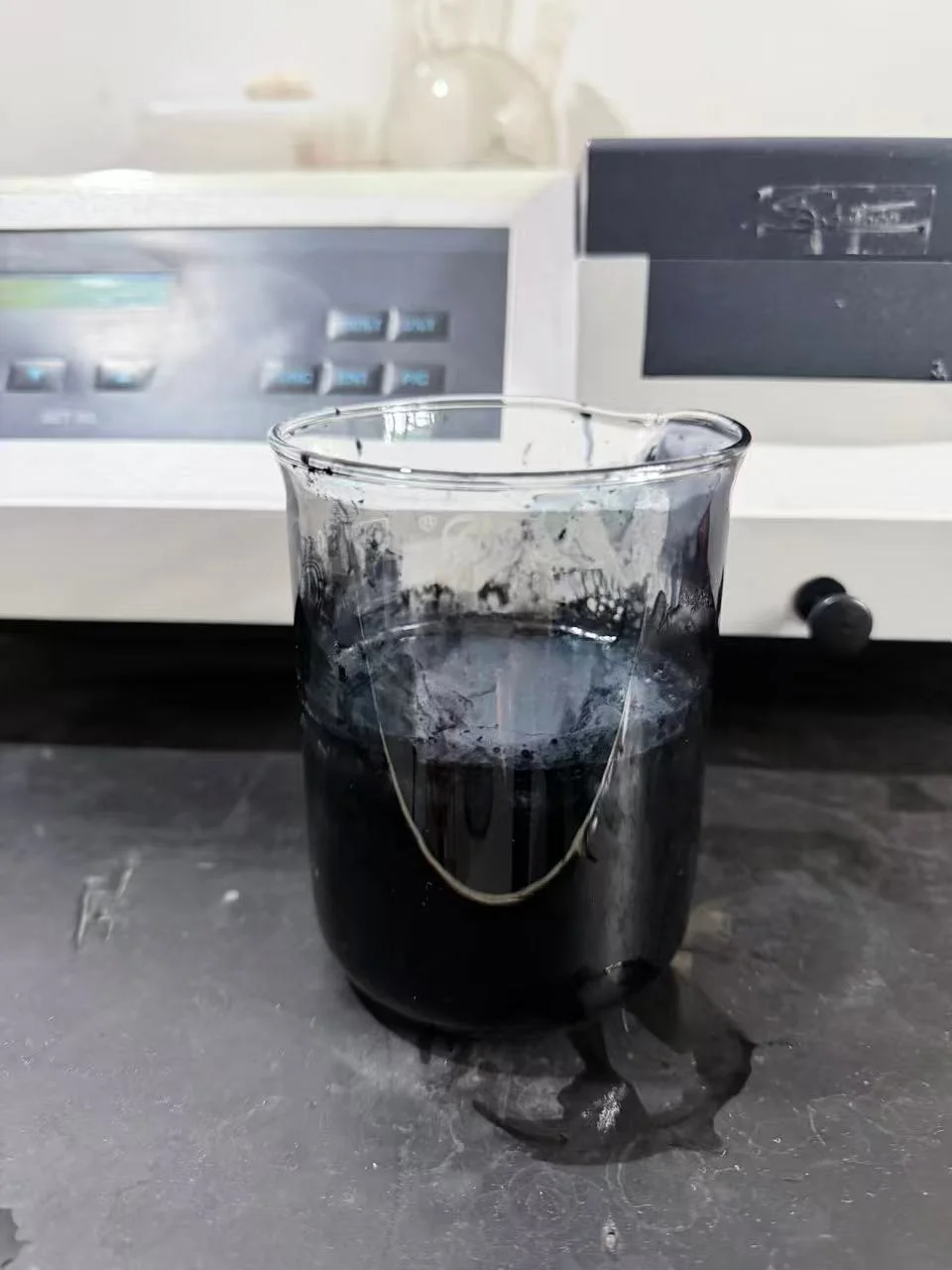
No dyeing process, whether for textiles or leather, works with dye alone. This is where dyeing auxiliary chemicals become essential. A dyeing auxiliary is any chemical agent added to the dye bath to improve the process or the result; it is not a colorant itself. In a typical sulfur black dyeing process for cotton, key dyeing auxiliary chemicals include: Reducing Agents (e.g., Sodium Sulfide): To convert the insoluble dye into a soluble form. Alkali (e.g., Sodium Hydroxide): To create the right pH for reduction and dye absorption. Wetting Agents & Dispersants: To ensure even penetration of the dye bath. Sequestering Agents: To bind metal ions in the water that could affect the color. Oxidizing Agents (e.g., Hydrogen Peroxide): To fix the dye inside the fiber after absorption. Soaping Agents: To remove unfixed dye and improve fastness. The right dyeing auxiliary can mean the difference between level dyeing and patchy results, between good fastness and poor, between efficient production and wasted materials. They are the true enablers of quality in industrial dye applications.
Sourcing the right components is critical for successful dyeing operations. We specialize in providing comprehensive solutions for the dyeing industry. Our product portfolio includes high-performance black dye options, such as premium sulfur black dyes known for their deep shades and excellent fastness on cotton. We also supply a range of specialized colorants and chemicals suitable for various leather dyeing applications. Most importantly, we are experts in dyeing auxiliary chemicals. We formulate and supply the complete suite of auxiliaries needed for processes like sulfur black dyeing—from high-purity reducing agents and alkalis to efficient wetting agents, sequesterants, and oxidizing systems. We understand that in industrial dye settings, consistency, safety, and cost-per-result are paramount. Our technical team works with you to optimize your entire dyeing process, ensuring you achieve the desired color and quality efficiently and reliably, batch after batch.
Ready to optimize your dyeing results and efficiency? Don't let subpar dyes or the wrong auxiliaries compromise your product quality. Whether you need a reliable black dye like sulfur black, chemicals for leather dyeing, or the full range of dyeing auxiliary products for your industrial dye facility, we have the solutions. Visit our website to explore our technical catalog. Review specifications for our sulfur black dyes and the complete line of dyeing auxiliary chemicals. Download application guides and safety data sheets. Contact our technical sales team for a personalized consultation. We can help you select the right products, provide samples for testing, and offer process optimization advice tailored to your specific industrial dye or leather dyeing needs. Choose a partner that provides the complete chemical toolkit for perfect color. Ensure your black is always deep, even, and durable. Click to connect with us and discuss how our dyes and auxiliaries can improve your bottom line.
Black Dye FAQs
Why is sulfur black such a popular black dye for cotton?
Sulfur black is popular because it offers an outstanding combination of very deep black shades, excellent wash and light fastness, and very low cost compared to other dye classes like reactive or vat dyes. This makes it the ideal black dye for high-volume, cost-sensitive applications like denim, workwear, and uniforms where a durable black is essential.
What is the main difference between dyeing textiles and leather dyeing?
The main differences are the substrate and the process. Textiles are woven or knitted fibers, while leather is a continuous protein hide. Leather dyeing typically uses penetrating acid or direct dyes applied in drums, focusing on uniform penetration and grain preservation. Textile dyeing, like with sulfur black, often uses processes that build color inside the fiber (like vat dyeing) and is done in large, automated machines for consistency across large fabric rolls.
What is the most important dyeing auxiliary in a sulfur black process?
The reducing agent (like Sodium Sulfide) is arguably the most critical dyeing auxiliary. Without proper reduction, the insoluble sulfur black dye cannot become soluble and will not be absorbed by the cotton fiber. The efficiency and control of the reduction step directly determine the depth of shade, levelness, and overall success of the dyeing.
Can I use the same black dye for both cotton and leather?
Generally, no. The dye chemistry is matched to the fiber. A sulfur black dye is designed for cellulose (cotton) and uses a reduction process. Leather dyeing typically uses acid dyes that bond to protein. Using the wrong dye class will result in poor color, weak fastness, or no coloration at all. Always use a dye formulated for your specific material.
How do I control the cost of an industrial dye process?
Cost control in industrial dye involves optimizing several factors: selecting the most cost-effective dye class (like sulfur black for cotton), precise dosing of dyes and dyeing auxiliary chemicals to avoid waste, optimizing process time and temperatures to save energy, and minimizing water usage through reuse/recycle systems where possible. Partnering with a chemical supplier who can provide efficient auxiliaries and process advice is key.