Comprehensive Guide to Achieving Deep Black with Canvas Dye
Comprehensive Guide to Achieving Deep Black with Canvas Dye
Understanding Black Canvas Dye: A Comprehensive Guide
Black canvas dye is a popular choice for achieving a rich, deep black color on canvas fabrics. Its versatility and durability make it ideal for a wide range of applications, from art projects to apparel and industrial textiles. This article will delve into the nuances of black canvas dye, exploring its types, application methods, considerations for colorfastness, and how to select the right dye for your specific needs. Choosing the correct dye and application technique is crucial for achieving lasting, vibrant results.

Types of Black Canvas Dye
Several types of dyes can be used to achieve a black finish on canvas. The most common include fiber-reactive dyes, acid dyes, and pigment dyes. Fiber-reactive dyes are excellent for cotton and other cellulose fibers, forming a strong chemical bond with the fabric for superior wash fastness. Acid dyes are best suited for protein fibers like silk and wool, although they can sometimes be used on canvas blends. Pigment dyes are versatile and can be used on a variety of fabrics, but generally have lower wash fastness compared to reactive dyes. Understanding the fiber composition of your canvas is key to selecting the most appropriate dye type.
Key Highlights: Fiber-reactive dyes offer superior wash fastness on cotton canvas. Pigment dyes are versatile but generally have lower wash fastness. Always consider the canvas fiber content when selecting a dye.
Application Methods for Black Canvas Dye
The application method significantly impacts the final result. Common techniques include immersion dyeing, where the canvas is fully submerged in a dye bath; sponge painting, which allows for more localized color application; and spray dyeing, ideal for creating gradients or patterns. Immersion dyeing generally provides the most even and consistent color. Proper preparation is vital – the canvas should be thoroughly cleaned and pre-wetted to ensure uniform dye absorption. The dye concentration and application time will vary depending on the dye type and desired shade.
Application Method Benefits:
• Immersion dyeing: Even and consistent color.
• Sponge painting: Localized color application.
• Spray dyeing: Gradients and patterns.
• Proper canvas preparation is key for dye absorption.
Black Canvas Dye: Fiber-Reactive vs. Pigment Dye
Choosing between fiber-reactive and pigment dyes can be challenging. Fiber-reactive dyes create a chemical bond with the canvas fibers, resulting in exceptional colorfastness and vibrancy. However, they require specific application conditions, like a high pH environment, and are primarily suitable for cellulose fibers. Pigment dyes, on the other hand, rely on a binder to adhere to the fabric surface. They are more versatile but generally have lower light and wash fastness.
Achieving Deep Black: Dye Concentration and Mordants
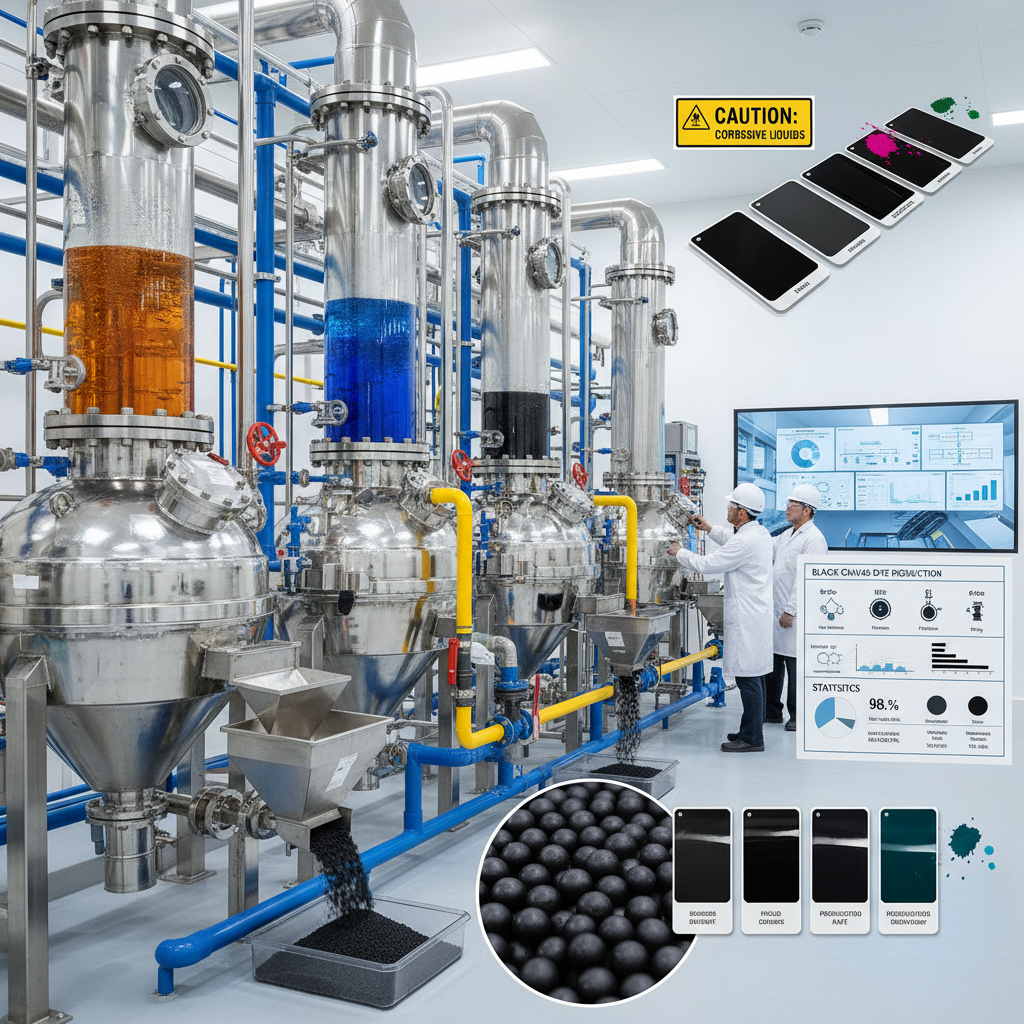
Achieving a truly deep black requires careful consideration of dye concentration. Insufficient dye will result in a faded or grayish hue. For fiber-reactive dyes, using a high concentration and a soda ash fixative is crucial. Mordants, substances that help the dye bind to the fabric, can also enhance color depth and fastness, especially when using natural dyes. However, the use of mordants requires expertise and can impact the fabric's texture. You can explore a wide range of dyeing chemicals at our website to optimize your process.
Technical Specifications & Dye Selection Considerations
When selecting a black canvas dye, consider the fabric composition, desired wash fastness, and environmental impact. Look for dyes that are certified for safe use and comply with relevant industry standards. Always follow the manufacturer's instructions carefully. Here's a brief overview of important specifications:
Conclusion: Mastering Black Canvas Dyeing
Achieving a perfect black on canvas requires understanding the interplay of dye type, application method, and fabric composition. By carefully selecting the right dye and following best practices, you can create stunning, long-lasting results. Explore the extensive range of high-quality dyes and auxiliaries available on our website to elevate your dyeing projects. Don't settle for less than a truly rich and vibrant black!
Frequently Asked Questions (FAQs)
What is the best dye for blackening 100% cotton canvas?
For 100% cotton canvas, fiber-reactive dyes are the most recommended option. They form a permanent bond with the cotton fibers, resulting in excellent wash fastness and color vibrancy. Look for dyes specifically designed for cellulose fibers. Procion MX dyes are a popular choice for their ease of use and wide color range. Proper application involves dissolving the dye in water, adding soda ash to create an alkaline environment, and ensuring thorough rinsing after dyeing. Following the manufacturer’s instructions is critical to achieving optimal results.
How can I improve the wash fastness of pigment-dyed canvas?
Pigment dyes rely on a binder to adhere to the fabric, making wash fastness a potential concern. To improve it, ensure you use a high-quality binder specifically designed for textiles. Proper heat setting is crucial; follow the binder manufacturer’s instructions for temperature and duration. Multiple applications of the pigment-binder mixture can also enhance color retention. Additionally, avoiding harsh detergents and using cold water during washing will help preserve the color.
What safety precautions should I take when working with black canvas dye?
Always wear gloves and eye protection when handling dyes. Work in a well-ventilated area to avoid inhaling any fumes. Some dyes may cause skin irritation, so avoid direct contact with the skin. Read the Safety Data Sheet (SDS) for the specific dye you are using and follow all recommended safety measures. Dispose of dye waste properly according to local regulations. Consider wearing a mask if you are sensitive to dust or fumes.
Can I overdye existing colored canvas black?
Yes, you can often overdye existing colored canvas black, but the final result will depend on the original color and the type of dye used. Lighter colors are easier to cover than darker ones. Using a strong black dye and a prolonged dyeing time can help achieve a darker shade. However, the underlying color may slightly influence the final hue, resulting in a darker shade of black with subtle undertones. Always test a small, inconspicuous area first to ensure the desired outcome.