Comprehensive Guide to Black Acid Dyes for Optimal Textile Coloration
Comprehensive Guide to Black Acid Dyes for Optimal Textile Coloration
Understanding Black Acid Dyes for Textile Applications
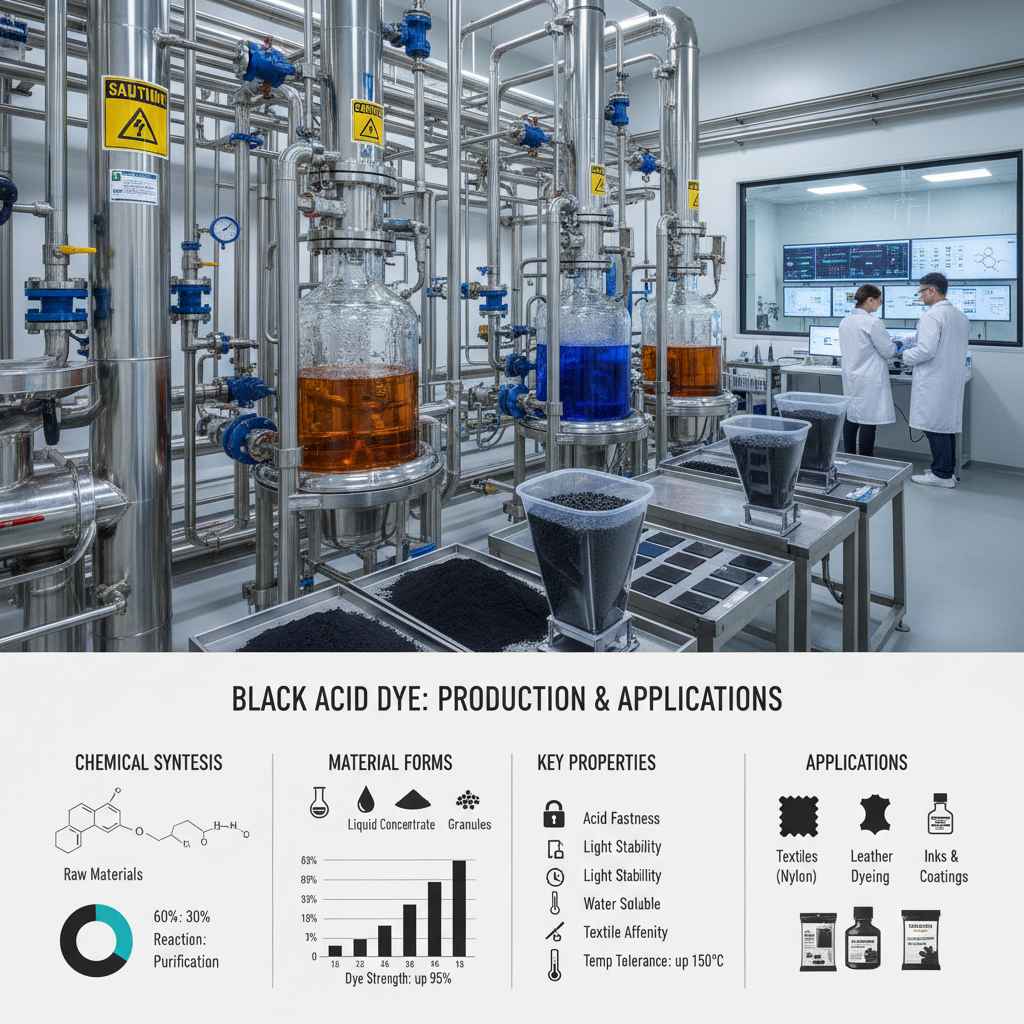
Black acid dyes are a critical class of colorants used extensively in the textile industry, particularly for dyeing protein fibers like wool, silk, and nylon. Their versatility, relatively low cost, and ability to produce deep, rich black shades make them a staple in the coloration of numerous textile products. This article will delve into the chemistry, applications, advantages, and considerations when using black acid dyes. We'll explore different types, factors influencing dye selection, and best practices for achieving optimal results. Dyeingchem.com provides a wide range of high-quality acid dyes to meet various textile dyeing needs.
The Chemistry and Types of Black Acid Dyes
Black acid dyes are anionic dyes, meaning they carry a negative charge. This allows them to bind to positively charged sites on protein fibers. The dyeing process typically occurs in an acidic bath, hence the name "acid dye." Different types of black acid dyes are available, each with unique characteristics and suitability for specific applications. These include leveling black dyes, milling black dyes, and super milling black dyes, distinguished by their molecular size and diffusion rate. Leveling dyes offer slow exhaustion for even coloration, milling dyes provide moderate fastness, and super milling dyes offer the highest fastness properties. Understanding these differences is crucial for selecting the right dye for your specific textile project.
Key Highlights: Black acid dyes are anionic, dye in an acidic bath, and come in leveling, milling, and super milling types for varying fastness and application needs.
Applications of Black Acid Dyes
The application of black acid dyes spans a broad range of textile products. They are commonly used for dyeing apparel, including sweaters, dresses, and suits made from wool and silk. They're also vital in the coloration of carpets, upholstery fabrics, and even specialized technical textiles. The deep, consistent black shades achievable with these dyes are particularly desirable for creating sophisticated and classic looks. Furthermore, they are often used in blend dyeing, combining with other acid dyes to achieve complex color shades. Choosing the right black acid dye ensures vibrant color and durability in diverse textile applications.
Application Benefits:
• Ideal for protein fibers (wool, silk, nylon)
• Creates deep, rich black shades
• Versatile for apparel, carpets, and technical textiles
• Suitable for blend dyeing to create complex colors
Black Acid Dye Selection: Key Considerations
Selecting the appropriate black acid dye requires careful consideration of several factors. Fiber type is paramount – different dyes perform optimally on different protein fibers. Desired fastness properties (resistance to washing, light, and rubbing) are also crucial. The dyeing method (exhaust, continuous, or package dyeing) will influence dye selection. Furthermore, the required level of shade consistency and the presence of any auxiliary chemicals in the dyeing process must be taken into account. Proper dye selection ensures optimal color yield, fastness, and overall textile quality.
Advantages and Disadvantages of Using Black Acid Dyes
Black acid dyes offer several advantages, including their relatively low cost, ease of application, and ability to produce deep, rich black shades. They provide good leveling properties, contributing to uniform coloration. However, they also have some limitations. Their wet fastness properties can be lower compared to other dye classes, especially for darker shades. Furthermore, the dyeing process generates acidic wastewater, requiring proper treatment to minimize environmental impact. Proper dye selection and optimized dyeing procedures can mitigate these disadvantages.
Environmental Considerations and Sustainable Practices
The environmental impact of textile dyeing is a growing concern. Black acid dye application often results in acidic wastewater containing residual dye and auxiliary chemicals. Implementing sustainable practices is crucial to minimize this impact. This includes optimizing dye usage to reduce waste, employing advanced wastewater treatment technologies, and exploring alternative, more eco-friendly dye options. Utilizing dyes with high fixation rates and incorporating closed-loop dyeing systems can significantly reduce water consumption and pollution. Dyeingchem.com is committed to providing environmentally responsible dyeing solutions.
Conclusion: Optimizing Black Acid Dye Application for Quality and Sustainability
Mastering the application of black acid dyes involves understanding their chemistry, carefully considering application parameters, and adopting sustainable practices. By prioritizing these aspects, textile manufacturers can achieve vibrant, durable coloration while minimizing environmental impact. For high-quality black acid dyes and expert support, explore the comprehensive offerings at Dyeingchem.com.
Frequently Asked Questions (FAQs)
What is the typical dye exhaustion rate for black acid dyes?
The dye exhaustion rate varies depending on the specific dye, fiber type, pH, temperature, and dyeing method. Generally, acid dyes exhibit good exhaustion, typically ranging from 60% to 95%. Leveling acid dyes have slower exhaustion rates to promote even dyeing, while milling and super milling dyes have faster exhaustion. Optimizing the dyeing process parameters, such as bath pH and temperature, can maximize dye exhaustion and reduce dye waste.
How can I improve the wash fastness of black acid dyed fabrics?
Improving wash fastness involves several strategies. Using a super milling black dye provides higher fastness properties compared to leveling or milling dyes. Implementing an aftertreatment process, such as a cationic fixing agent, helps to form a complex between the dye and the fiber, reducing dye release during washing. Proper scouring and pre-treatment of the fabric before dyeing ensures optimal dye uptake and fixation. Furthermore, controlling the dyeing temperature and pH is crucial for achieving good wash fastness.
What are the common issues encountered during black acid dye application?
Common issues include uneven dyeing, poor wash fastness, shade variation, and staining. Uneven dyeing can be caused by inadequate mixing, poor leveling agent selection, or insufficient dye exhaustion. Poor wash fastness may result from improper aftertreatment or inadequate dye fixation. Shade variation can occur due to variations in fiber properties or dyeing conditions. Staining can be caused by dye migration or improper rinsing. Careful control of the dyeing process and appropriate auxiliary selection are crucial to mitigate these issues.
What safety precautions should I take when handling black acid dyes?
Black acid dyes can cause irritation to the skin and eyes. Always wear appropriate personal protective equipment (PPE), including gloves, safety glasses, and a dust mask, when handling these dyes. Avoid inhaling dye dust. Work in a well-ventilated area. In case of contact with skin or eyes, rinse immediately with plenty of water. Refer to the Material Safety Data Sheet (MSDS) for detailed safety information and handling instructions.